

DNA Tests Conducted for Anfal Victims' Relatives
Kurdistan 01:29 PM - 2024-02-18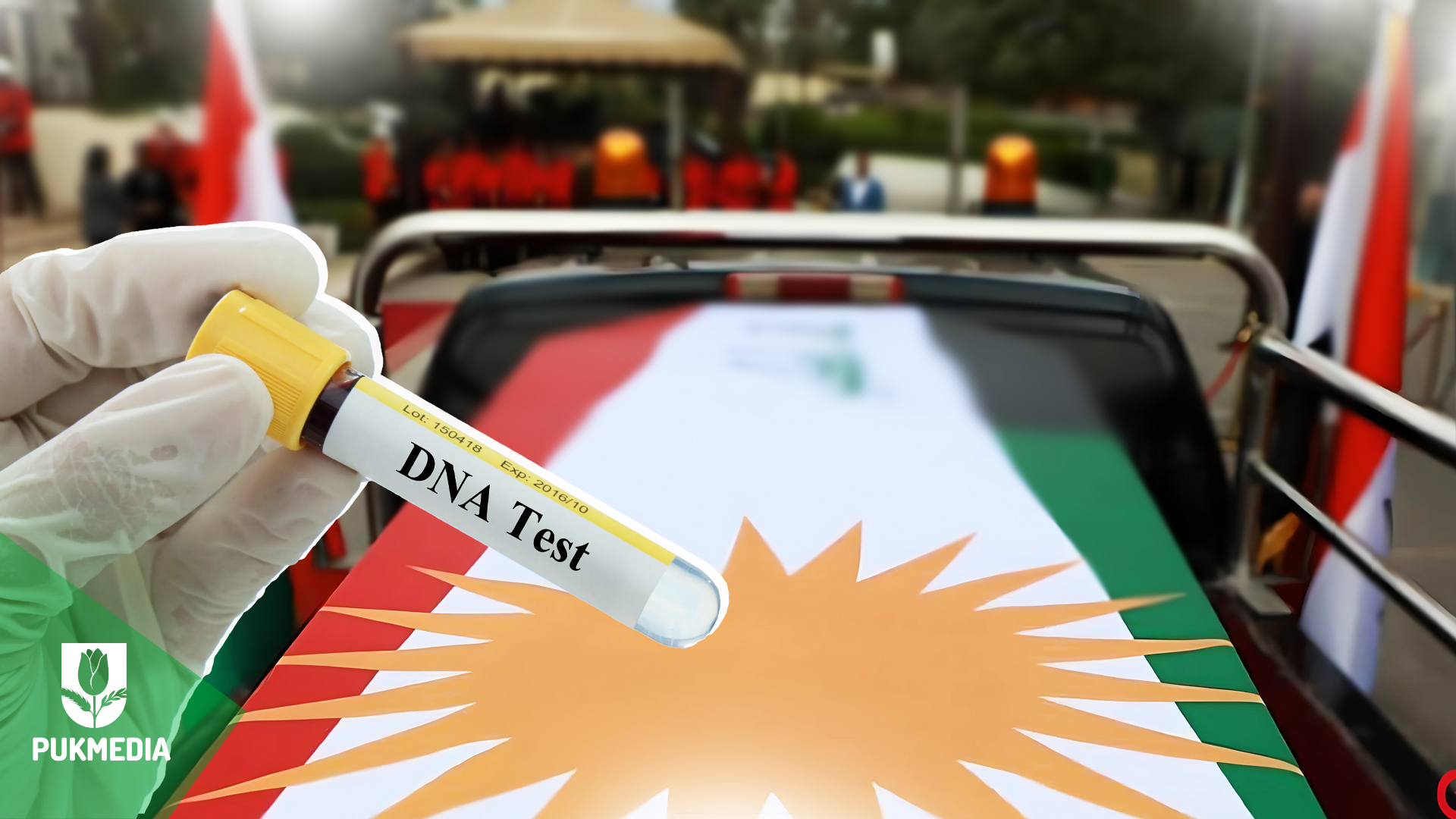 PUKMEDIA
Blood sample and Kurdistan flag in the background.
A specialised team from Baghdad has been gathering blood samples for DNA analysis from the families of the Anfal victims in Chamchamal for two days, and the presidential adviser stated that the Iraqi government should cover the expenses of DNA testing for the descendants of the Anfal victims.
Pari Nuri Aziz, an advisor in Iraqi Presidency, told PUKMEDIA that an Iraqi forensic team began collecting blood samples from Anfal victims' relatives on February 17, 2024, and that the process will last five days, adding that it is being carried out at the request of the Iraqi First Lady.
She stated that after the blood samples from the relatives of the Anfal victims are collected in the Kurdistan Region, the DNA testing process will proceed in Baghdad. She also mentioned that the burial ceremony will take place as soon as the tests are finished, as required by law.
The forensic department in Baghdad kept the remains of 172 Anfal victims for nearly four years before transporting them to the Kurdistan Region. The remains could not be buried without proper identification. A specialised team from Baghdad is currently in the Kurdistan Region at the request of Iraqi First Lady Shanaz Ibrahim Ahmed to collect blood samples from martyrs' relatives for DNA testing.
Statistics indicate that 270 mass graves have been unearthed since Iraq's liberation, with numerous further mass graves yet to be excavated. The majority of these graves are concentrated in the region bounded by Diwaniyah, Samawah, and Najaf provinces.
Saddam Hussein's Ba'ath dictatorial regime launched the Anfal campaign in February 1988, targeting the Kurdish civilian population and lasting until September of that year. It is widely regarded as one of the most dangerous examples of state-sponsored mass killings during Iraq's Ba'ath regime. The military and regular forces, including the First Corps in Kirkuk and the Fifth Corps in Erbil, as well as the Air Force, Special Forces, Republican Guard, Commando Forces, security and intelligence services, military intelligence, and chemical and biological weapons departments, were all mobilised to carry out these operations. The Anfal atrocities killed over 182,000 Kurdish civilians, including women, children, and the elderly.
PUKMEDIA
More news
-
President Amedi: Jalal Talabani’s Legacy Will Continue to Inspire Future Generations
10:17 PM - 2026-07-14 -
China Does Not Seek a 'Sphere of Influence' in Relations with Pacific Island Nations, Foreign Minister Says
12:27 PM - 2026-07-14 -
Oil Climbs to One-Month High as U.S. and Iran Intensify Attacks in the Strait of Hormuz
09:05 AM - 2026-07-14 -
Ukraine to Manufacture French Missiles and Order Warplanes, Macron Says
11:22 PM - 2026-07-13
see more
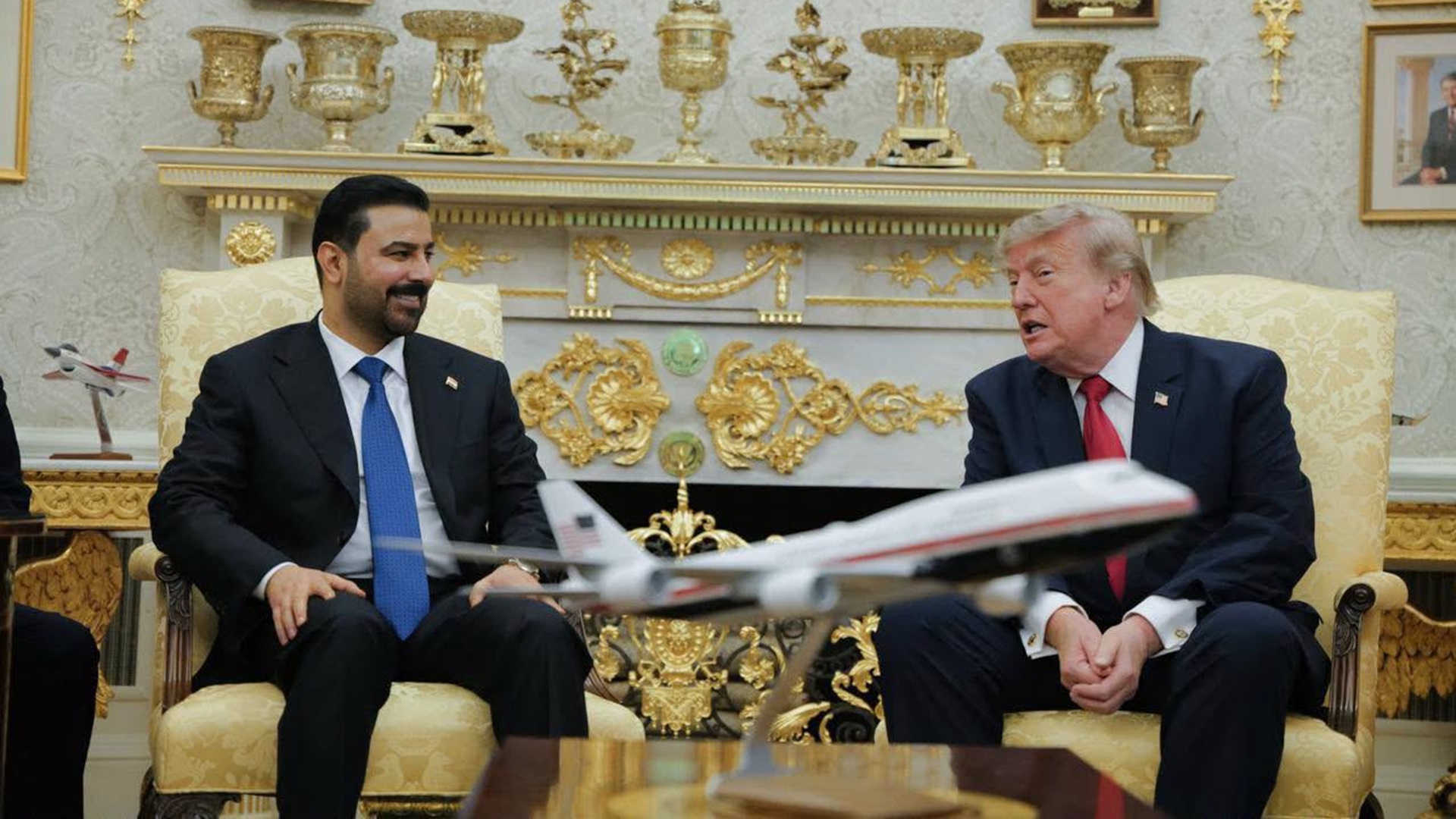
Iraq 09:02 PM - 2026-07-14 Trump Welcomes Iraqi PM al-Zaidi to White House, Reaffirms Strong US-Iraq Partnership
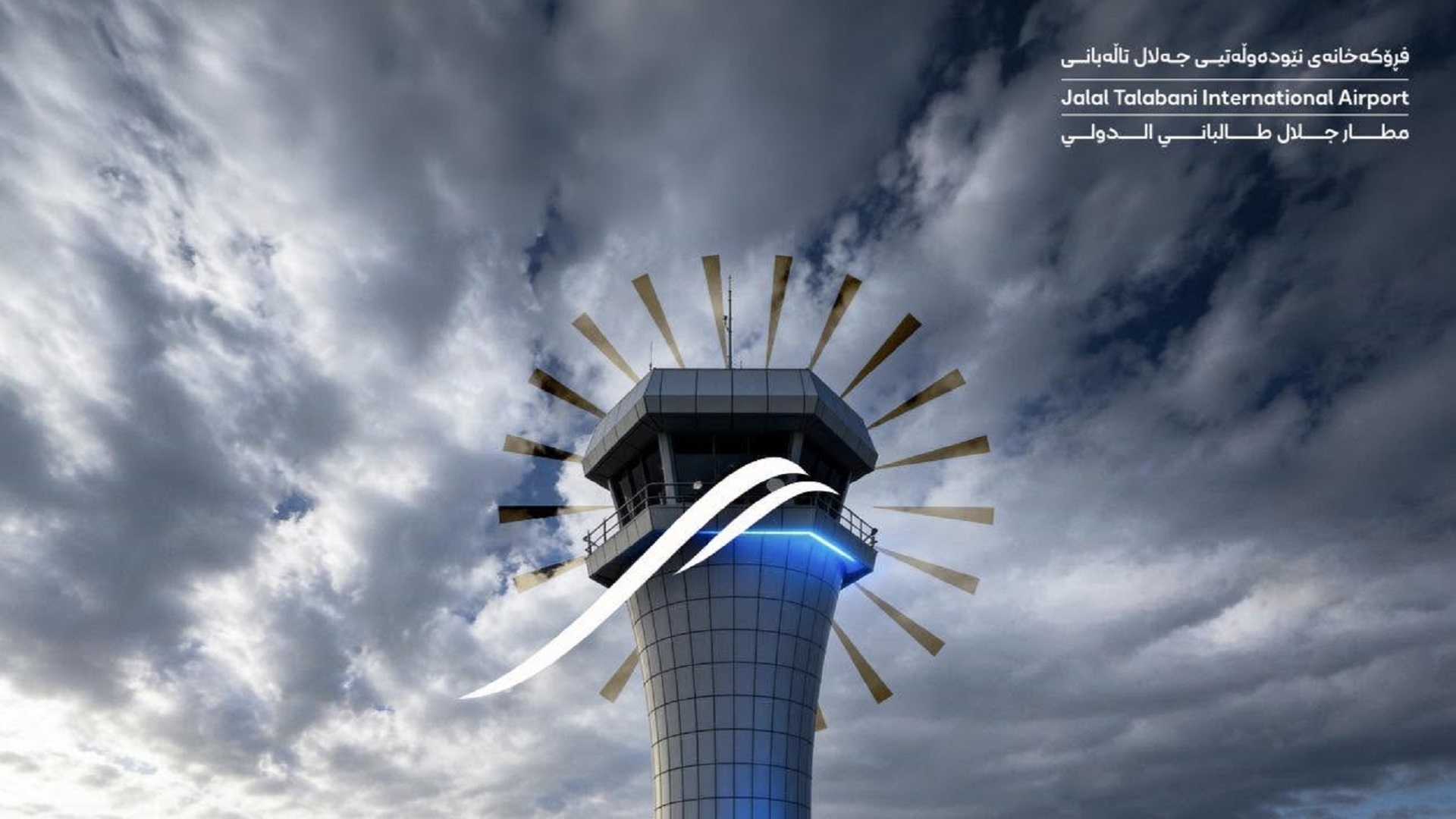
Sulaymaniyah International Airport Officially Renamed Jalal Talabani International Airport
07:20 PM - 2026-07-14
.jpeg)
Qubad Talabani Reviews Progress on Major Water Project to End Shortages in Chamchamal
02:36 PM - 2026-07-14
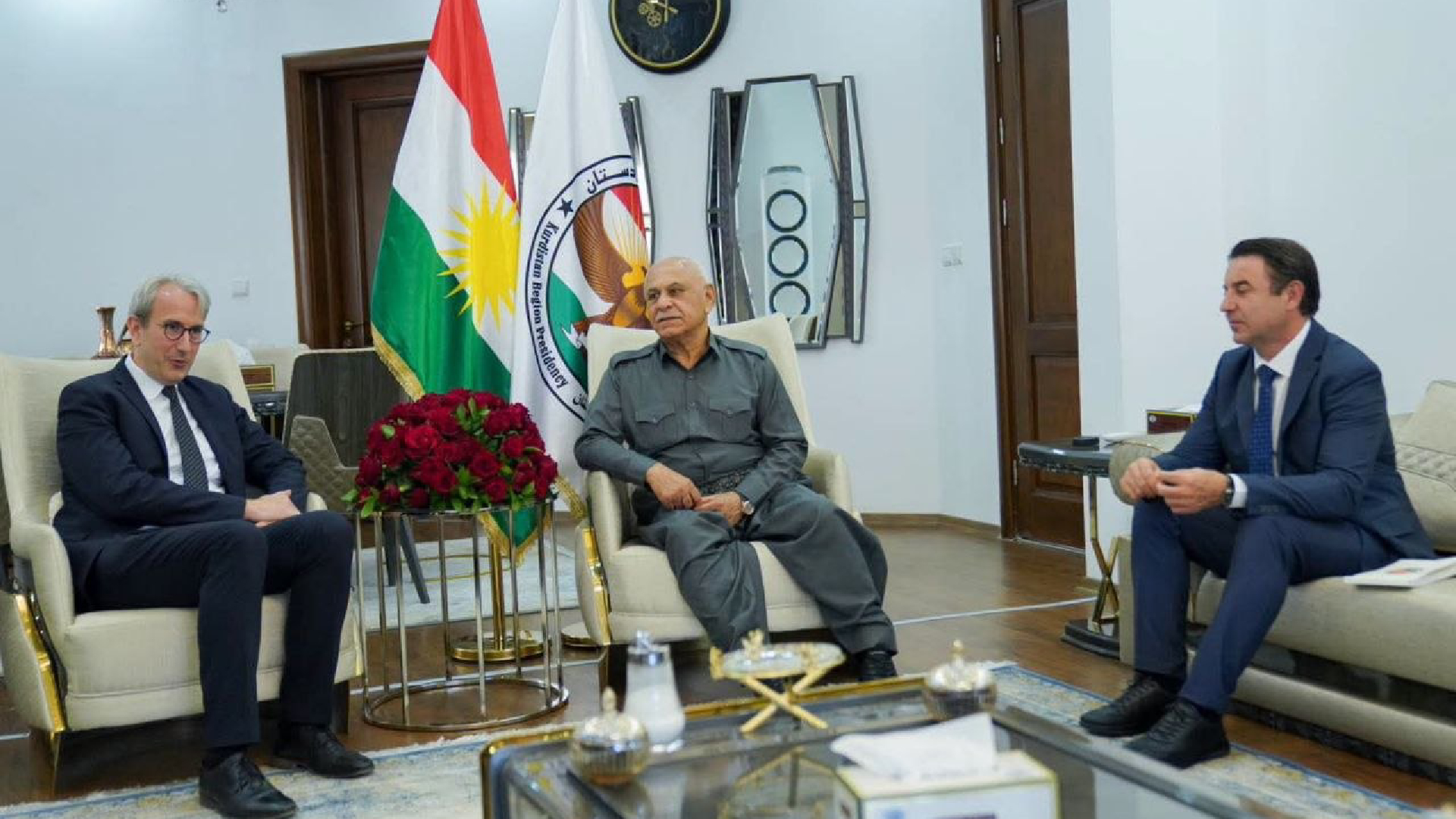
Kurdistan Region VP Commends Germany's Continued Support for Iraq and the Kurdistan Region
01:25 PM - 2026-07-14

Remembering 14 July Revolution That Ended Iraq's Monarchy
11:11 AM - 2026-07-14
Most read
-
Remembering 14 July Revolution That Ended Iraq's Monarchy
Iraq 11:11 AM - 2026-07-14 -
Qubad Talabani Meets Dutch Ambassador to Iraq on Conclusion of Her Mission
Kurdistan 07:36 PM - 2026-07-13 -
Iraqi PM Discussed Bilateral Cooperation and Regional Stability with U.S. Special Envoy in Washington
Iraq 10:01 AM - 2026-07-14 -
Trump Says U.S. Has Reinstated Blockade on Iranian Shipping in Hormuz
World 09:05 PM - 2026-07-13 -
Houthis Launch Missile Attacks on Saudi Arabia After Years of Calm
World 09:45 AM - 2026-07-14 -
China Does Not Seek a 'Sphere of Influence' in Relations with Pacific Island Nations, Foreign Minister Says
World 12:27 PM - 2026-07-14 -
Oil Climbs to One-Month High as U.S. and Iran Intensify Attacks in the Strait of Hormuz
News 09:05 AM - 2026-07-14 -
Ukraine to Manufacture French Missiles and Order Warplanes, Macron Says
World 11:22 PM - 2026-07-13
The News in your pocket
Download
 Application