

Venezuela’s Legislature Approves Limited Amnesty Law
World 10:53 AM - 2026-02-20 AP
AP
Lawmakers vote on an amnesty bill at the National Assembly in Caracas, Venezue.
Venezuela’s National Assembly has approved a limited amnesty law that human rights organisations say does not go far enough to deliver justice for hundreds of political prisoners.
Interim President Delcy Rodríguez, who assumed power last month following the United States’ removal of former President Nicolás Maduro, signed the legislation into law on Thursday. The move forms part of a broader normalisation of relations with the U.S., including adjustments to oil export arrangements, and has already seen the release of a number of detainees classed by rights groups as political prisoners.
The approved law provides amnesty for involvement in political protests and "violent actions" which took place during a brief coup in 2002 and demonstrations or elections in certain months of 2004, 2007, 2009, 2013, 2014, 2017, 2019, 2023, 2024 and 2025. People convicted of "military rebellion" for involvement in events in 2019 are excluded.
Critics have raised concerns that the legislation does not specify the precise offences eligible for amnesty, and omits important elements found in earlier drafts, such as the restitution of confiscated assets, the reversal of bans on public office, and the lifting of sanctions against media outlets.
The law also imposes stringent conditions on exiles. While Venezuelans living abroad may appoint an attorney to submit an amnesty application on their behalf, they are required to appear in person in Venezuela for the relief to be granted. Amnesty will only apply to those who “have ceased the execution of the actions which constitute crimes,” a provision that campaigners argue could preclude many activists who have continued their opposition work from overseas.
Human rights groups, including Foro Penal, have welcomed the release of detainees but emphasised that hundreds remain behind bars. The group has documented nearly 450 releases of individuals it classifies as political prisoners since 8 January, though the government claims that close to 900 people have been freed overall.
The legislation also excludes amnesty for grave offences, such as human rights violations, war crimes, murder, drug trafficking and corruption, as well as actions deemed supportive of foreign intervention against Venezuela — a controversial category that opposition figures say could be used to bar critics from relief.
Family members of detained activists have continued to protest, with hunger strikes and demonstrations outside detention facilities, highlighting ongoing frustration with the pace of releases and the limited scope of the new law.
Nonetheless, the measure received unanimous backing in the National Assembly, including support from some opposition deputies who secured amendments during committee discussions. Proponents argue that the law represents an initial step towards political reconciliation, while acknowledging that further reforms will be necessary to address Venezuela’s deeply polarised political landscape.
Source: Reuters
PUKMEDIA
More news
-
Kurdistan Region VP Attends French National Day Celebration
10:43 PM - 2026-07-14 -
President Amedi: Jalal Talabani’s Legacy Will Continue to Inspire Future Generations
10:17 PM - 2026-07-14 -
China Does Not Seek a 'Sphere of Influence' in Relations with Pacific Island Nations, Foreign Minister Says
12:27 PM - 2026-07-14 -
Oil Climbs to One-Month High as U.S. and Iran Intensify Attacks in the Strait of Hormuz
09:05 AM - 2026-07-14
see more
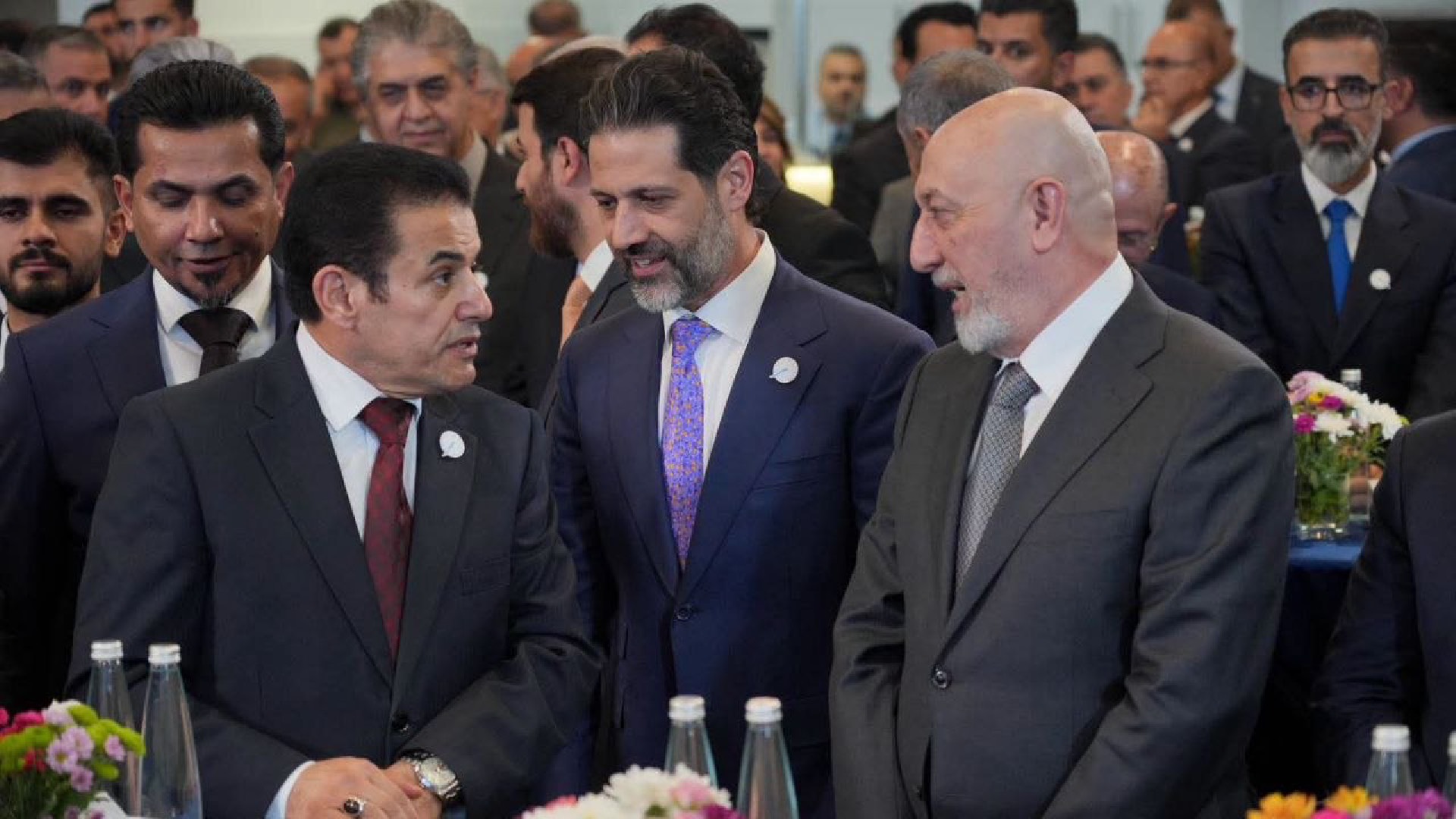
Kurdistan 10:28 PM - 2026-07-14 Qubad Talabani Welcomes Renaming of Sulaymaniyah Airport in Honour of Mam Jalal
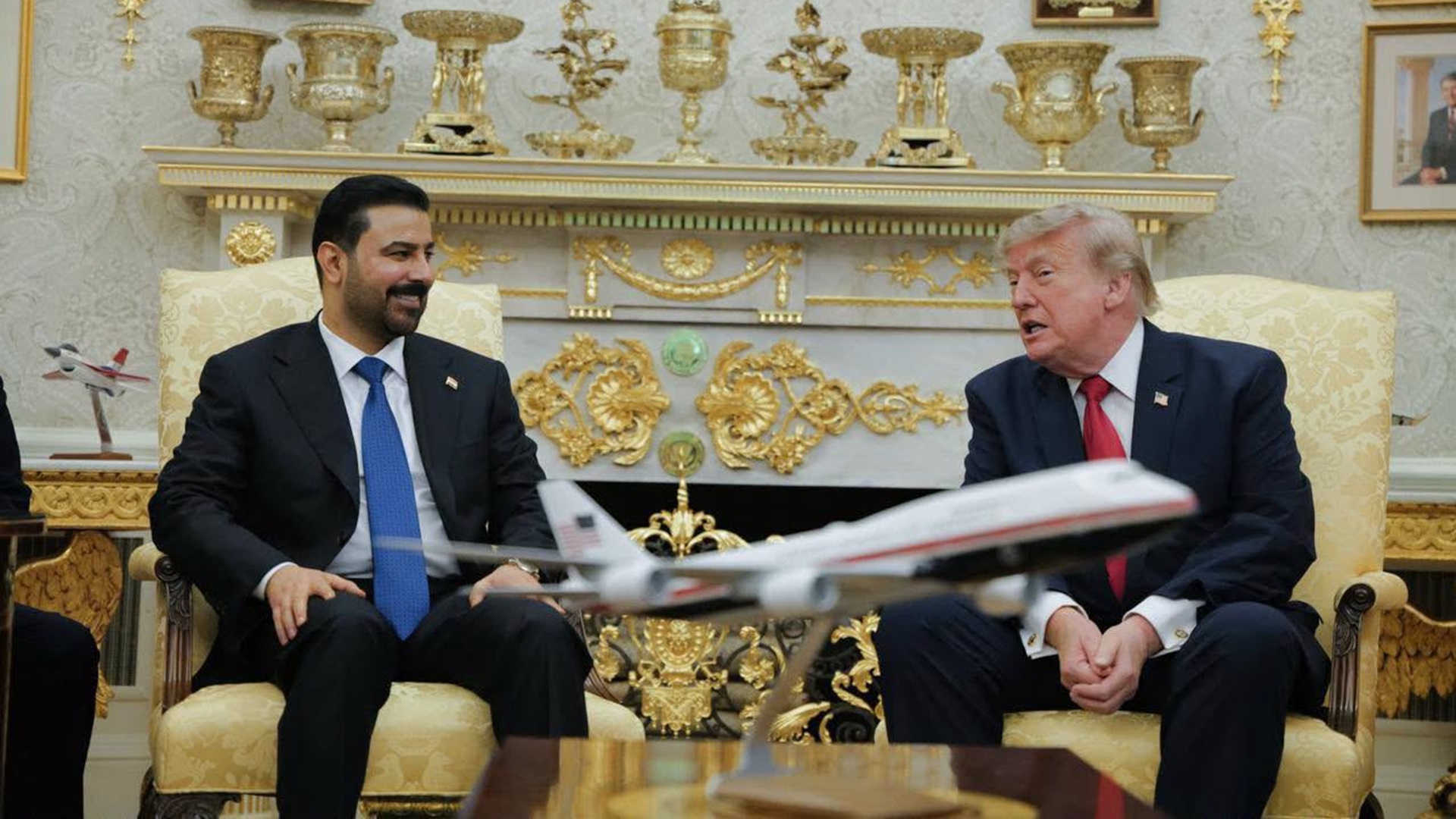
Trump Welcomes Iraqi PM al-Zaidi to White House, Reaffirms Strong US-Iraq Partnership
09:02 PM - 2026-07-14

Sulaymaniyah International Airport Officially Renamed Jalal Talabani International Airport
07:20 PM - 2026-07-14
.jpeg)
Qubad Talabani Reviews Progress on Major Water Project to End Shortages in Chamchamal
02:36 PM - 2026-07-14
Most read
-
Remembering 14 July Revolution That Ended Iraq's Monarchy
Iraq 11:11 AM - 2026-07-14 -
Iraqi PM Discussed Bilateral Cooperation and Regional Stability with U.S. Special Envoy in Washington
Iraq 10:01 AM - 2026-07-14 -
Trump Welcomes Iraqi PM al-Zaidi to White House, Reaffirms Strong US-Iraq Partnership
Iraq 09:02 PM - 2026-07-14 -
Houthis Launch Missile Attacks on Saudi Arabia After Years of Calm
World 09:45 AM - 2026-07-14 -
China Does Not Seek a 'Sphere of Influence' in Relations with Pacific Island Nations, Foreign Minister Says
World 12:27 PM - 2026-07-14 -
Oil Climbs to One-Month High as U.S. and Iran Intensify Attacks in the Strait of Hormuz
News 09:05 AM - 2026-07-14 -
Kurdistan Region VP Commends Germany's Continued Support for Iraq and the Kurdistan Region
Kurdistan 01:25 PM - 2026-07-14 -
Qubad Talabani Reviews Progress on Major Water Project to End Shortages in Chamchamal
Kurdistan 02:36 PM - 2026-07-14
The News in your pocket
Download
 Application