

Only One Bakery Can Operate As Kobani Siege Continues
Kurdistan 05:05 PM - 2026-02-20 ANHA
ANHA
Kobani's sole bakery, which serves as the last bread serving facility in the city amid severe siege imposed by Syrian government forces.
The siege on the city of Kobani in West Kurdistan (Rojava), North and East Syria, has affected the entire city, leaving just one bakery in operation to meet the population’s daily bread requirements. The facility currently produces approximately 40,000 loaves each day.
Since 20 January, forces affiliated with the Syrian Interim Government have imposed a tight siege on the city, creating severe difficulties for residents in accessing basic necessities, particularly bread. The automated bakery remains the sole source of supply for the population.
According to the bakery’s supervisor, around 100 workers are employed at the facility. During periods of conflict and shelling, the bakery operates around the clock, with shifts rotating every six to seven hours to ensure uninterrupted production. Residents have also assisted in sustaining operations during the attacks.
Hussein, the supervisor, told Hawar News Agency that the displacement of families from surrounding villages into the city has led to a rise in population, increasing demand for bread. He confirmed that 40,000 loaves are produced daily to meet current needs. Throughout the 30-day siege, the bakery has continued to function without pause, despite the heavy workload and risks faced by staff.
“Despite the difficulties caused by the siege, we will continue working to serve our people,” he said.
Worker Abdul Salam Saeed Walo echoed this commitment, stating: “We will remain among those serving this resilient people. We want to persevere, and we will overcome these difficulties.” He added that the siege on Kobani must be lifted as soon as possible.
On 10 February 2026, the United Nations warned of dire humanitarian conditions in Kobani, despite a measurable decline in fighting following the 30 January agreement between the Syrian Democratic Forces (SDF) and the government in Damascus.
UN spokesperson Stéphane Dujarric stated that although clashes and killings have decreased across the country, the humanitarian situation remains critical, particularly in Western Kurdistan. Nearly 160,000 people remain displaced across Aleppo, Hasakah and Raqqa provinces.
In Kobani, the UN reported that water and electricity networks are not fully operational, significant gaps remain in the delivery of humanitarian services, and in most parts of the city schools remain closed, with education and attendance still suspended.
On 5 February, a delegation from the Local Administration of Kobani visited Aleppo at the invitation of the deputy governor to discuss regional developments and the situation in the city. During the meeting, the deputy governor pledged to withdraw military forces and lift the siege; however, no practical measures have since been implemented.
The administration also rejected reported attempts to change the city’s official name from Kobani to Ayn al-Arab, describing such efforts as unacceptable.
Kobani is widely recognised for its historic resistance against the Islamic State (IS). The Battle of Kobani began on 13 September 2014 and concluded on 26 January 2015, after 134 days of intense fighting. The battle marked the first major territorial defeat of ISIS following its declaration of a so-called “caliphate” in 2014.
Despite formal agreements and reports of a decline in violence, local officials state that Kobani continues to face a worsening humanitarian and public health crisis, with residents still awaiting tangible improvements on the ground.
PUKMEDIA


More news
-
Oil Prices Fall for Third Straight Day as Hormuz Shipping Recovers
10:50 AM - 2026-06-24 -
Qubad Talabani Discusses Tourism Development Strategy in Meeting with Tourism Board
06:27 PM - 2026-06-23 -
Iraq Increases Kirkuk Oil Exports to 7 Million Barrels a Month, Says SOMO
03:37 PM - 2026-06-23 -
Vance Says Talks with Iranian Officials Laid ‘Good Foundation’ for Deal to End War
01:06 PM - 2026-06-23
see more
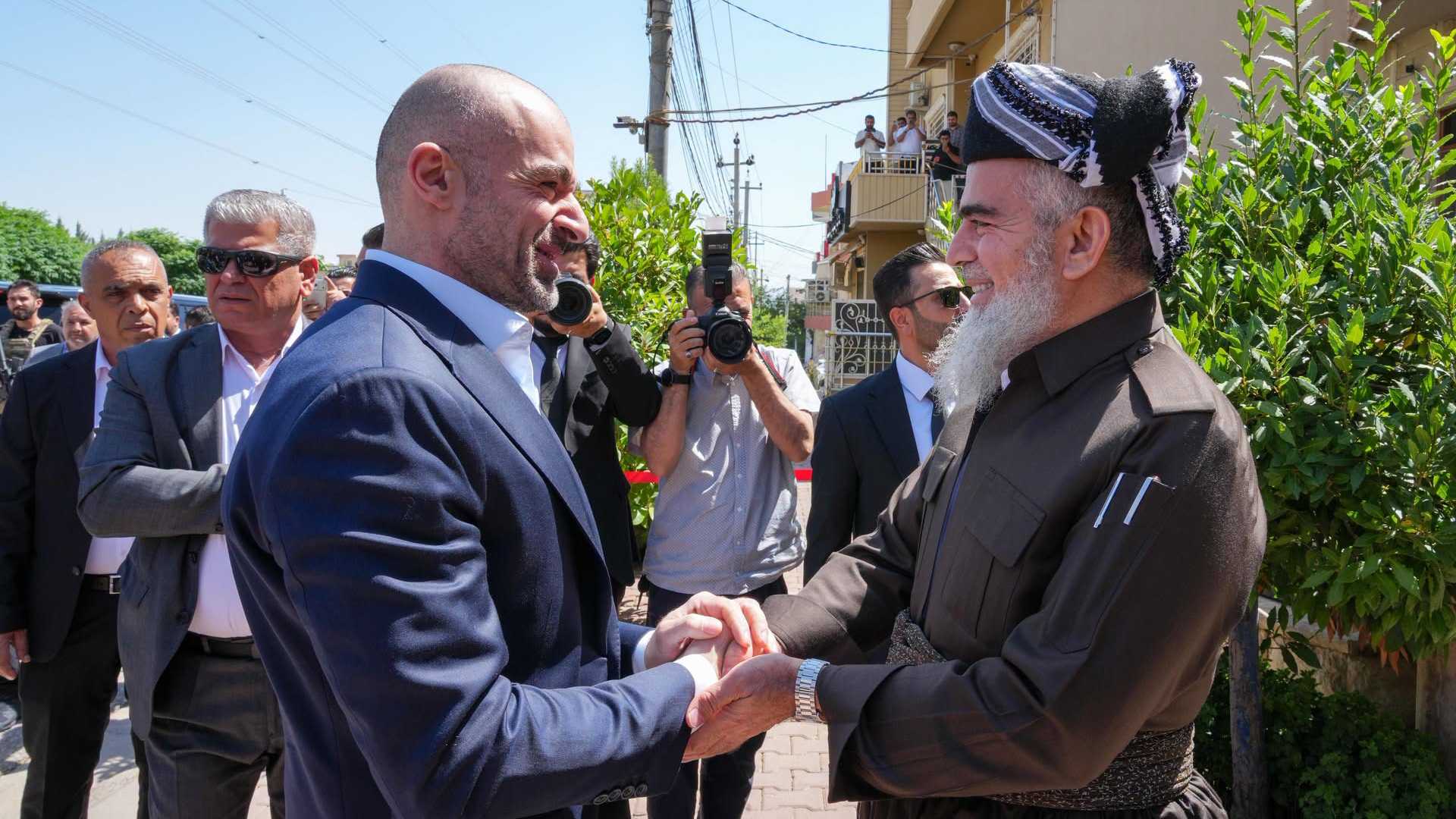
Kurdistan 04:00 PM - 2026-06-24 PUK President, KJG Leader Discuss Unified Efforts to Resolve Outstanding Issues
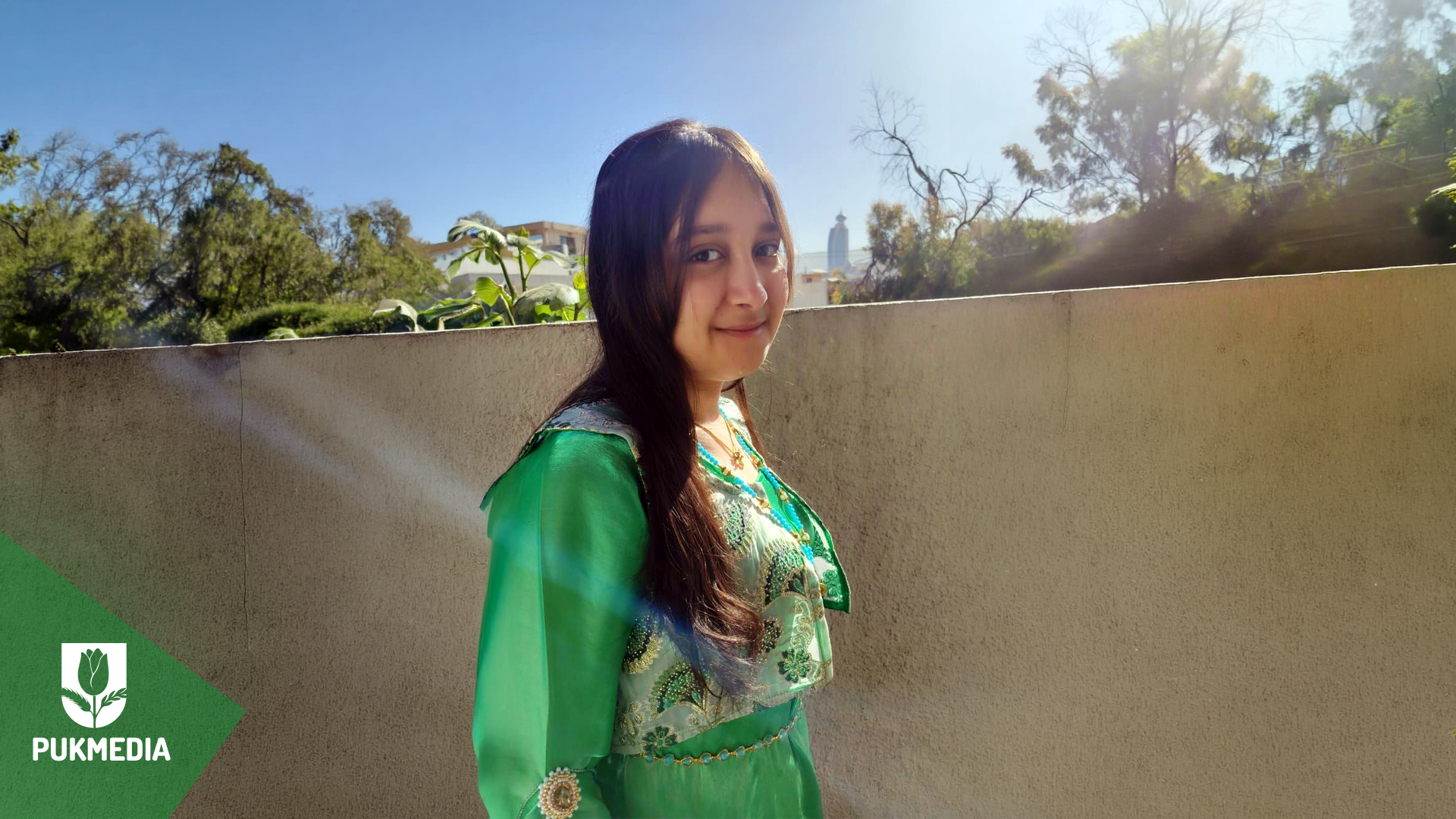
Teen Author and Translator Pursues Multilingual Success
01:24 PM - 2026-06-24
.jpg)
International Day of Women in Diplomacy Celebrated Worldwide
09:27 AM - 2026-06-24
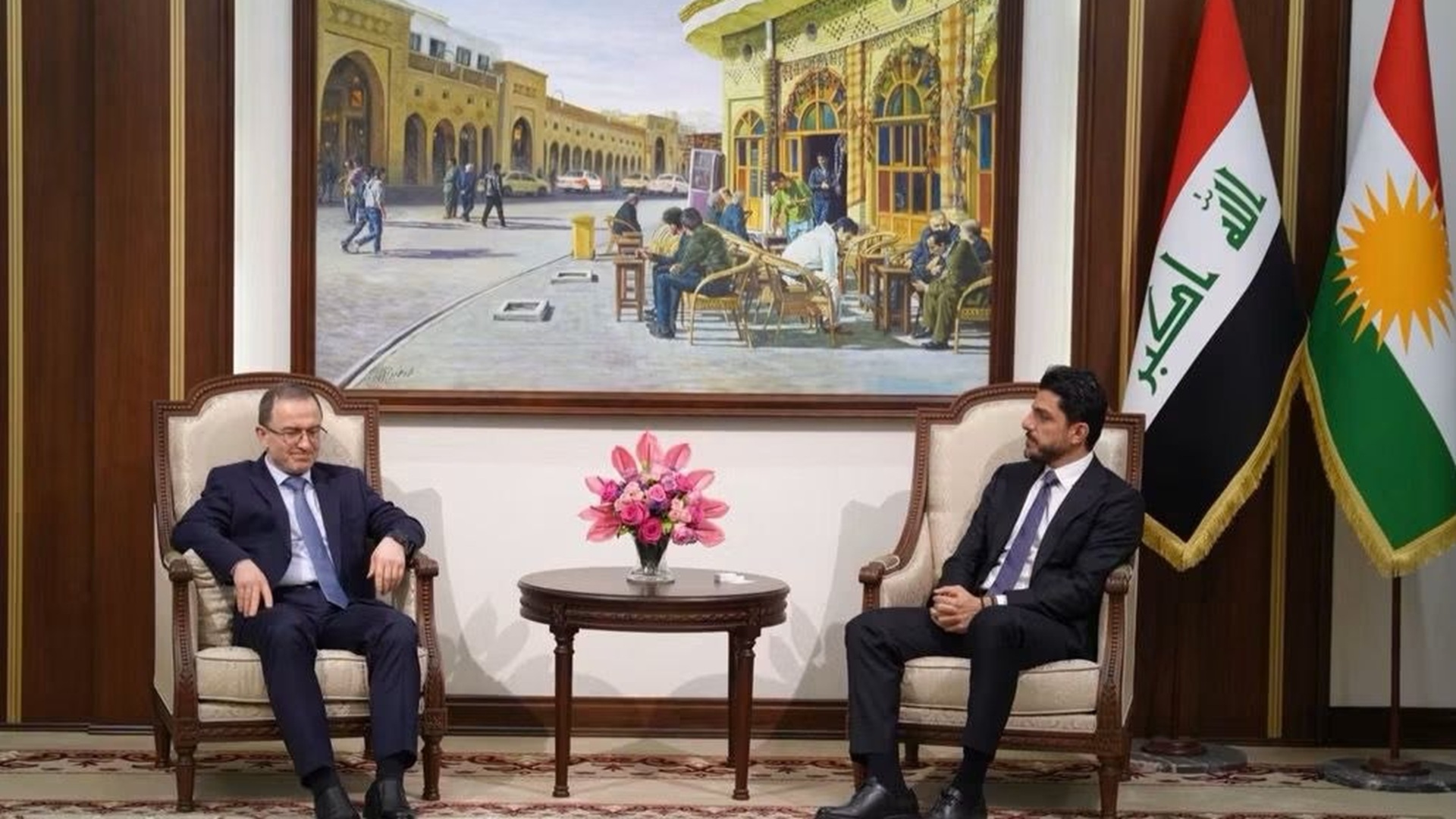
Darbaz Kosrat Rasul Receives Russian Ambassador for Talks on Political Developments
10:36 PM - 2026-06-23
.jpg)
Qubad Talabani: Baghdad and Erbil Must Work Together to Strengthen Iraq’s Economy
05:13 PM - 2026-06-23
Most read
-
Hero Khan: Fighter, Diplomat, Witness
Opinions 09:51 AM - 2026-06-24 -
Iraq Increases Kirkuk Oil Exports to 7 Million Barrels a Month, Says SOMO
Iraq 03:37 PM - 2026-06-23 -
Qubad Talabani: Baghdad and Erbil Must Work Together to Strengthen Iraq’s Economy
Kurdistan 05:13 PM - 2026-06-23 -
Qubad Talabani Discusses Tourism Development Strategy in Meeting with Tourism Board
Kurdistan 06:27 PM - 2026-06-23 -
Teen Author and Translator Pursues Multilingual Success
Kurdistan 01:24 PM - 2026-06-24 -
Darbaz Kosrat Rasul Receives Russian Ambassador for Talks on Political Developments
P.U.K 10:36 PM - 2026-06-23 -
Trump Claims Iran Agreed to Nuclear Inspections, Tehran Rejects Assertion
World 03:56 PM - 2026-06-23 -
Oil Prices Fall for Third Straight Day as Hormuz Shipping Recovers
News 10:50 AM - 2026-06-24
The News in your pocket
Download
 Application