

Venezuela Plans Amnesty Law for Prisoners, Vows to Convert Major Prison Centre
World 01:16 PM - 2026-01-31 Reuters
El Helicoide detention centre as Venezuela's government begins releasing some detainees, with the freeing of political prisoners marking a move long demanded by human rights groups, international bodies and opposition leaders, in Caracas, Venezuela,
Venezuela’s interim president, Delcy Rodríguez, on Friday announced a proposed amnesty law that could apply to hundreds of prisoners across the country, and confirmed that the notorious Helicoide detention centre in the capital, Caracas, will be converted into a facility for sports and social services.
Speaking at an event held at the Supreme Court of Justice, Rodríguez said the proposed legislation was intended to promote national reconciliation.
"May it be a law that serves to heal the wounds left by political confrontation, violence, and extremism. May it serve to restore justice in our country and restore peaceful coexistence among Venezuelans,” Rodriguez said at an event at the Supreme Court of Justice.
According to Rodríguez, the proposed law would cover cases dating from 1999 to the present day and could affect hundreds of detainees who remain in prison, as well as former prisoners who have already been conditionally released. However, she said the amnesty would exclude individuals accused of serious crimes, including killings, grave human rights violations and drug trafficking.
The human rights organisation Foro Penal welcomed the announcement “with optimism, but with caution”, stating that it hoped the law would contribute to justice, freedom, peace and national reconciliation. The group added that the prisoner releases announced earlier this month should continue while the legislation is under consideration. Foro Penal has recorded 711 remaining political prisoners in Venezuela.
Families and human rights advocates have long demanded the dismissal of charges and convictions against detainees widely regarded as political prisoners. Opposition politicians, dissident members of the security forces, journalists and rights activists have frequently been charged with offences such as terrorism and treason, which their relatives and supporters describe as unjust and arbitrary.
On Friday evening, the X social media account of the United States embassy in Venezuela—closed since 2019—stated that all US citizens previously detained in the country had been released.
Rodríguez also confirmed that the Helicoide prison, long criticised by rights organisations as a symbol of alleged government repression, would be repurposed as a centre for sports and social services. Human rights groups have repeatedly accused security forces of abusing detainees at the facility.
A United Nations report published in 2022 alleged that Venezuela’s state security agencies subjected detainees at the Helicoide—originally designed as a shopping complex—to torture. The Venezuelan government rejected the UN’s findings.
In recent weeks, relatives of prisoners held at the Helicoide have staged vigils and overnight protests outside the facility, demanding the release of their family members.
Foro Penal said it has verified that 303 political prisoners have been released since the government announced a new round of releases on 8 January. Government officials, who deny holding political prisoners and insist that those detained have committed criminal offences, claim that more than 600 people have been freed. However, they have not provided a detailed timeline and appear to include releases from previous years in their figures.
Among the most prominent advocates of amnesty and prisoner releases is opposition leader and Nobel Peace Prize laureate María Corina Machado, several of whose close allies remain imprisoned. Machado said the proposed amnesty law was “not something the regime wanted to do voluntarily”, but rather the result of pressure from the United States government. She expressed hope that detainees would soon be reunited with their families.
The recent releases were announced following the arrest of President Nicolás Maduro by US authorities on 3 January and his transfer to New York to face arraignment on narcotics-related charges, which he has denied.
Source: Reuters
PUKMEDIA
More news
-
Kurdistan Region VP Attends French National Day Celebration
10:43 PM - 2026-07-14 -
President Amedi: Jalal Talabani’s Legacy Will Continue to Inspire Future Generations
10:17 PM - 2026-07-14 -
China Does Not Seek a 'Sphere of Influence' in Relations with Pacific Island Nations, Foreign Minister Says
12:27 PM - 2026-07-14 -
Oil Climbs to One-Month High as U.S. and Iran Intensify Attacks in the Strait of Hormuz
09:05 AM - 2026-07-14
see more
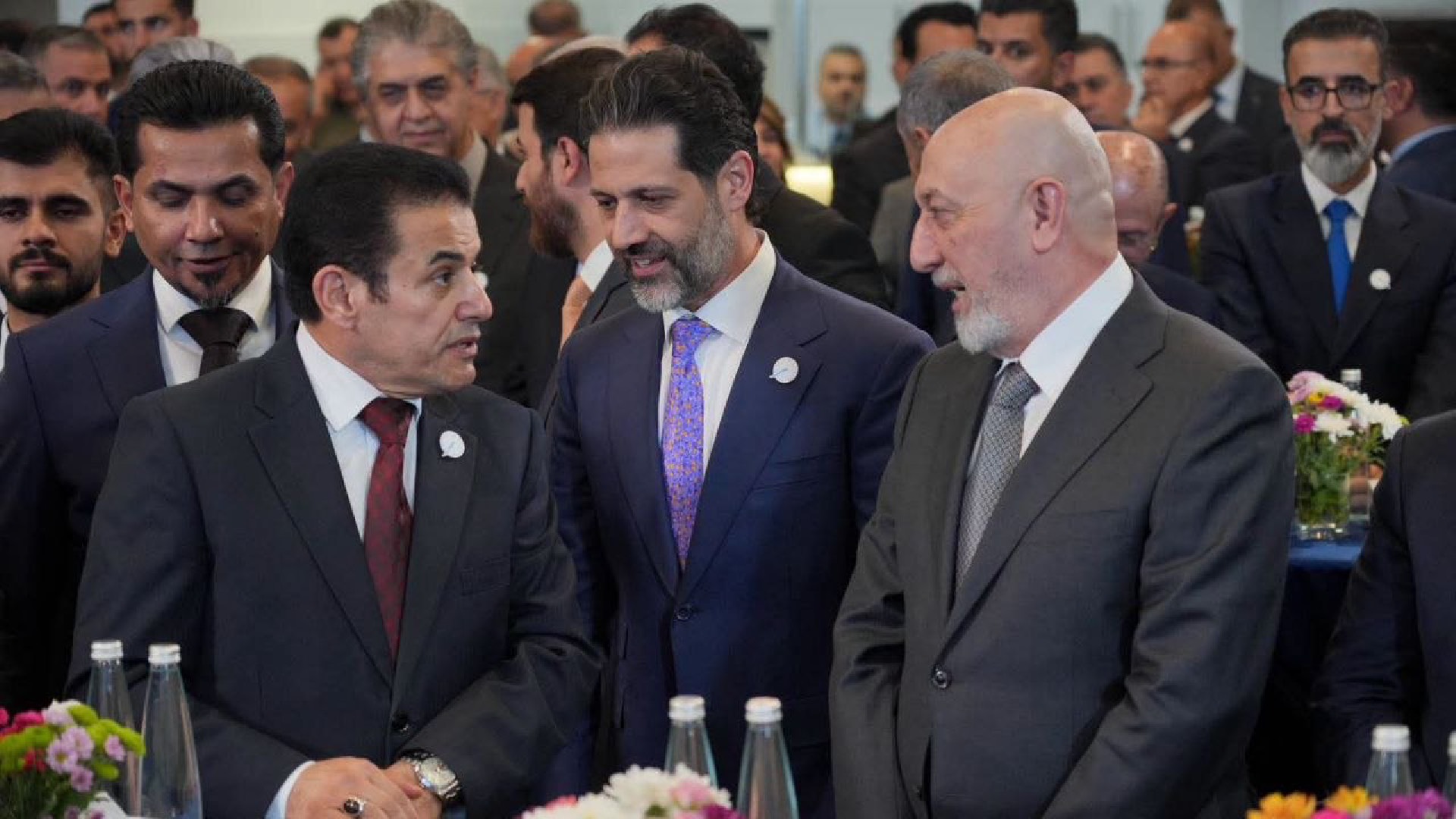
Kurdistan 10:28 PM - 2026-07-14 Qubad Talabani Welcomes Renaming of Sulaymaniyah Airport in Honour of Mam Jalal
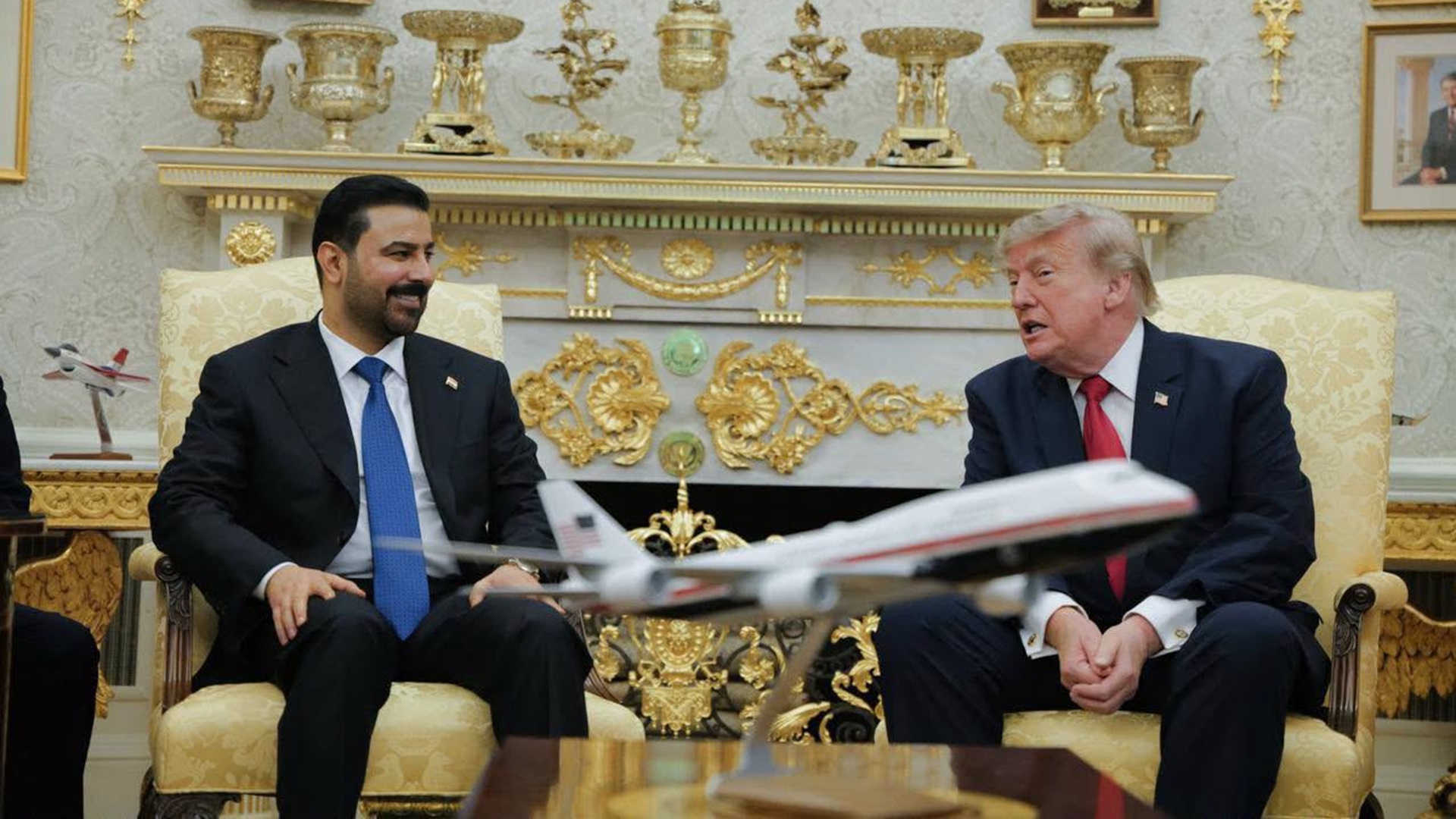
Trump Welcomes Iraqi PM al-Zaidi to White House, Reaffirms Strong US-Iraq Partnership
09:02 PM - 2026-07-14
Sulaymaniyah International Airport Officially Renamed Jalal Talabani International Airport
07:20 PM - 2026-07-14
.jpeg)
Qubad Talabani Reviews Progress on Major Water Project to End Shortages in Chamchamal
02:36 PM - 2026-07-14
Most read
-
Remembering 14 July Revolution That Ended Iraq's Monarchy
Iraq 11:11 AM - 2026-07-14 -
Iraqi PM Discussed Bilateral Cooperation and Regional Stability with U.S. Special Envoy in Washington
Iraq 10:01 AM - 2026-07-14 -
Trump Welcomes Iraqi PM al-Zaidi to White House, Reaffirms Strong US-Iraq Partnership
Iraq 09:02 PM - 2026-07-14 -
Houthis Launch Missile Attacks on Saudi Arabia After Years of Calm
World 09:45 AM - 2026-07-14 -
China Does Not Seek a 'Sphere of Influence' in Relations with Pacific Island Nations, Foreign Minister Says
World 12:27 PM - 2026-07-14 -
Oil Climbs to One-Month High as U.S. and Iran Intensify Attacks in the Strait of Hormuz
News 09:05 AM - 2026-07-14 -
Kurdistan Region VP Commends Germany's Continued Support for Iraq and the Kurdistan Region
Kurdistan 01:25 PM - 2026-07-14 -
Qubad Talabani Reviews Progress on Major Water Project to End Shortages in Chamchamal
Kurdistan 02:36 PM - 2026-07-14
The News in your pocket
Download
 Application