

Global Energy Markets: Comparing Venezuelan, Iraqi and Gulf Oil
Reports 10:11 PM - 2026-01-03 AP
AP
An oil pipeline in Kirkuk province.
As the world continues to experience volatility in energy prices, technical and economic differences between types of crude oil have become a key factor in determining market value. Iraqi and Gulf crude enjoy a far stronger position in global markets than Venezuelan heavy crude, which is significantly more expensive to produce and refine due to its technical characteristics.
Key Differences Between Venezuelan, Iraqi and Gulf Oil
The distinctions between Venezuelan, Iraqi and Gulf crude oils are fundamental rather than superficial. Venezuelan crude is classified as heavy to extra-heavy, with high density and elevated sulphur and mineral content. As a result, it requires complex processing and specialised refining technology.
By contrast, Iraqi and Gulf crudes are generally light to medium in grade, relatively cleaner, easier to refine, and in high demand across international markets.
Which Is Better, and What Are the Costs?
From both a commercial and technical perspective, Iraqi and Gulf oil are more competitive. Venezuelan crude is among the most expensive in the world to produce, with extraction and processing costs estimated at between $25 and $35 per barrel.
Iraqi and Gulf producers, however, benefit from some of the lowest production costs globally, with extraction costs typically ranging from $3 to $5 per barrel.
Ease of Refining
Venezuelan oil often requires blending, advanced cracking units and specialised refineries. In contrast, Iraqi and Gulf crude can be processed by most refineries worldwide with minimal modification, giving it far greater flexibility in global trade.
Oil Markets and Supply Dynamics
While crude quality is an important factor, market fundamentals ultimately depend on supply and demand. A core principle of the oil market remains unchanged:
An increase in supply places downward pressure on prices, even if the crude is of lower quality.
This economic reality continues to shape global oil pricing and market behaviour.
PUKMEDIA
More news
-
Kurdistan Region VP Attends French National Day Celebration
10:43 PM - 2026-07-14 -
President Amedi: Jalal Talabani’s Legacy Will Continue to Inspire Future Generations
10:17 PM - 2026-07-14 -
China Does Not Seek a 'Sphere of Influence' in Relations with Pacific Island Nations, Foreign Minister Says
12:27 PM - 2026-07-14 -
Oil Climbs to One-Month High as U.S. and Iran Intensify Attacks in the Strait of Hormuz
09:05 AM - 2026-07-14
see more
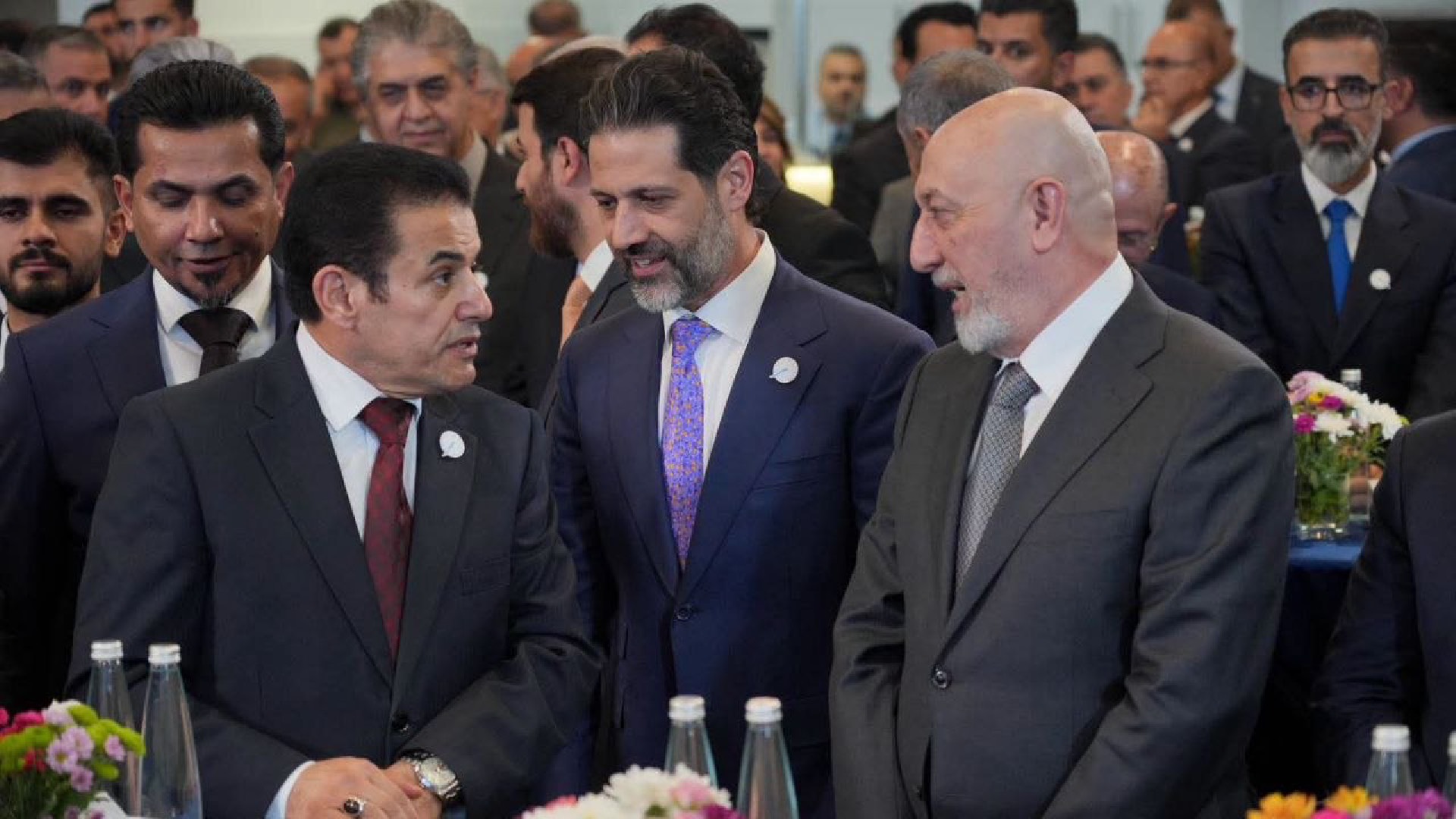
Kurdistan 10:28 PM - 2026-07-14 Qubad Talabani Welcomes Renaming of Sulaymaniyah Airport in Honour of Mam Jalal
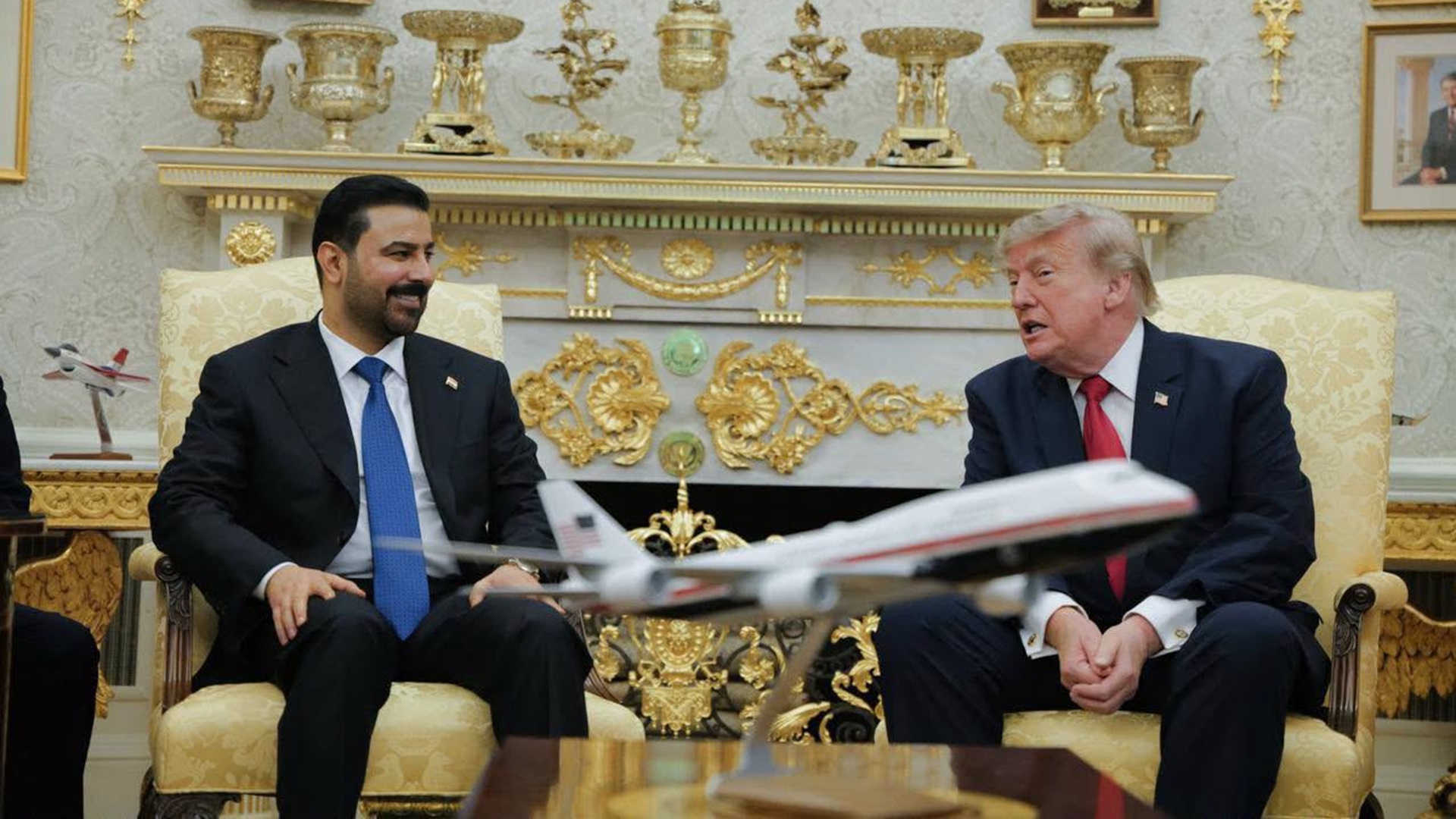
Trump Welcomes Iraqi PM al-Zaidi to White House, Reaffirms Strong US-Iraq Partnership
09:02 PM - 2026-07-14

Sulaymaniyah International Airport Officially Renamed Jalal Talabani International Airport
07:20 PM - 2026-07-14
.jpeg)
Qubad Talabani Reviews Progress on Major Water Project to End Shortages in Chamchamal
02:36 PM - 2026-07-14
Most read
-
Remembering 14 July Revolution That Ended Iraq's Monarchy
Iraq 11:11 AM - 2026-07-14 -
Iraqi PM Discussed Bilateral Cooperation and Regional Stability with U.S. Special Envoy in Washington
Iraq 10:01 AM - 2026-07-14 -
Trump Welcomes Iraqi PM al-Zaidi to White House, Reaffirms Strong US-Iraq Partnership
Iraq 09:02 PM - 2026-07-14 -
Houthis Launch Missile Attacks on Saudi Arabia After Years of Calm
World 09:45 AM - 2026-07-14 -
China Does Not Seek a 'Sphere of Influence' in Relations with Pacific Island Nations, Foreign Minister Says
World 12:27 PM - 2026-07-14 -
Oil Climbs to One-Month High as U.S. and Iran Intensify Attacks in the Strait of Hormuz
News 09:05 AM - 2026-07-14 -
Kurdistan Region VP Commends Germany's Continued Support for Iraq and the Kurdistan Region
Kurdistan 01:25 PM - 2026-07-14 -
Qubad Talabani Reviews Progress on Major Water Project to End Shortages in Chamchamal
Kurdistan 02:36 PM - 2026-07-14
The News in your pocket
Download
 Application