
PUK Spokesperson: No Government Can Be Formed Without PUK
Interviews 12:21 PM - 2025-12-28.jpg) PUKMEDIA
PUKMEDIA
Karwan Gaznayi, PUK Spokesperson.
Over a year after the 2024 parliamentary elections in the
Kurdistan Region, government formation remains stalled. The Spokesperson of the
Patriotic Union of Kurdistan (PUK) emphasised that the party is committed to a
service-oriented government representing all cities and citizens of the Region.
The PUK insists that any new administration must reflect its electoral mandate,
ensure meaningful participation across key sectors, and be founded on a
comprehensive agreement guaranteeing stability, fairness, and effective
governance.
Regarding the ongoing negotiations between the PUK and the
Kurdistan Democratic Party (KDP), geopolitical analyst Manish Rai, based in
Sydney, Australia, interviewed Karwan Gaznay, the PUK spokesperson, at the
party’s Political Bureau headquarters in Sulaymaniyah.
In the interview, Gaznay stressed that no government can be
established in the Kurdistan Region without PUK participation and reiterated
the party’s determination to finalise discussions based on a comprehensive
agreement.
The following is the full interview:
Rai: It has been over a year since the elections in
Kurdistan, yet there remains no indication of government formation. Could you
please explain the reasons for the delay in establishing the government?
Gaznay: We, the PUK, would like to have a service-based
government in all the cities of the Kurdistan Region. We do not want a
government that discriminates or differentiates between the cities of the
Kurdistan Region under any circumstances, because we believe that our
responsibility lies in meeting the needs of all people without any differences.
Additionally, we seek a meaningful partnership in the
government across all sectors, particularly in the security, administration,
and finance departments. For this reason, we have held several meetings with
the KDP and discussed two issues simultaneously and in parallel.
First, we drafted a proposal on the governing mechanism and
a settled strategy to lead the region for the coming four years, and we have
reached conclusions regarding these mechanisms.
Second, we discussed the distribution of positions between
the two sides. The PUK will not give up any position that is our electoral
right, and we will demand positions that align with our slogans, agenda, and
the promises we made during the 2024 elections.
Rai: There is a rumour that PUK has demanded either the
presidency of the KRG or the position of prime minister, and this demand has
become the primary obstacle to reaching an agreement, as the KDP is hesitant to
relinquish either of these positions. Is this statement accurate?
Gaznay: We do not specify exactly what positions we have
asked for, but we seek any position that aligns with our electoral agenda and
reflects the votes we gained in the election. In other words, we demand
positions that can fulfill the promises we made to our people and enable us to
serve the people of Kurdistan.
Rai: Recently, some leaders of KDP have stated that if
negotiations between KDP and PUK do not yield results promptly, they may
consider engaging with other political parties to form the government without
PUK. What is your perspective on this matter?
Gaznay: From my humble perspective, it is crystal clear that
the KDP cannot form any government whatsoever without a real partnership with
the PUK. There are geographical, historical, and electoral realities that
cannot be ignored or overlooked. No government will be successful without our
participation, and even if one is formed, it will fail.
Rai: Do you believe that the ongoing delay in government
formation is undermining public confidence in the democratic process as a
whole?
Gaznay: The ongoing delay in forming the government does not
serve the democratisation process. However, we must ask who is responsible for
this delay. We once again confirm our desire for the formation of the
government, but we must be satisfied with its structure so that we can deliver
the best services to our people.
I believe that forming a weak government would harm the
democratisation process even more than delaying the formation of a new
government.
Rai: Some analysts and observers of the region believe that
the recent electoral success of the PUK in Iraq’s legislative elections has
emboldened the party and led it to demand a greater share in the government.
Have the PUK’s demands evolved following Iraq’s elections?
Gaznay: In reality, the PUK has achieved great success in
the last three elections over a period of two years. These include the Iraqi
governorate elections in 2023, the Kurdistan Parliament elections in 2024, and
the Iraqi parliamentary elections in 2025.
The PUK promised its voters and the people of Kurdistan to
restore the balance of power under the leadership of His Excellency President
Bafel Talabani, President of the PUK, and we have done so, as no party now has
the dominant power to form the government alone. We also promised to bring the
governing system back to its rightful path, and we seek to achieve this through
the formation of this government.
To answer your question more directly, this election has
nothing to do with the success of the Iraqi parliamentary elections. With the
results of those elections, we will be the power and voice of our people in
Baghdad to secure their constitutional rights.
However, with the results of the 2024 Kurdistan elections,
we will demand a fair, just, and service-oriented government with real
participation in the Kurdistan Region. These are two different elections with
different agendas and demands.
Rai: Conversely, PUK states that they do not wish to proceed
with the formation of the government without a comprehensive agreement. Could
you kindly clarify the details of this “comprehensive agreement”?
Gaznay: As previously clarified, by a comprehensive
agreement, we mean a settled and written framework that lays the foundation for
governing the Region. Every political party worldwide has agendas and election
plans, and they follow these plans after forming a government. This is how
parties and governments are later evaluated and judged. The PUK is no
different, and we aim to incorporate our plans and ideas into this
comprehensive agreement.
PUKMEDIA Exclusive / Manish Rai
More news
-
President Amedi: Jalal Talabani’s Legacy Will Continue to Inspire Future Generations
10:17 PM - 2026-07-14 -
China Does Not Seek a 'Sphere of Influence' in Relations with Pacific Island Nations, Foreign Minister Says
12:27 PM - 2026-07-14 -
Oil Climbs to One-Month High as U.S. and Iran Intensify Attacks in the Strait of Hormuz
09:05 AM - 2026-07-14 -
Ukraine to Manufacture French Missiles and Order Warplanes, Macron Says
11:22 PM - 2026-07-13
see more
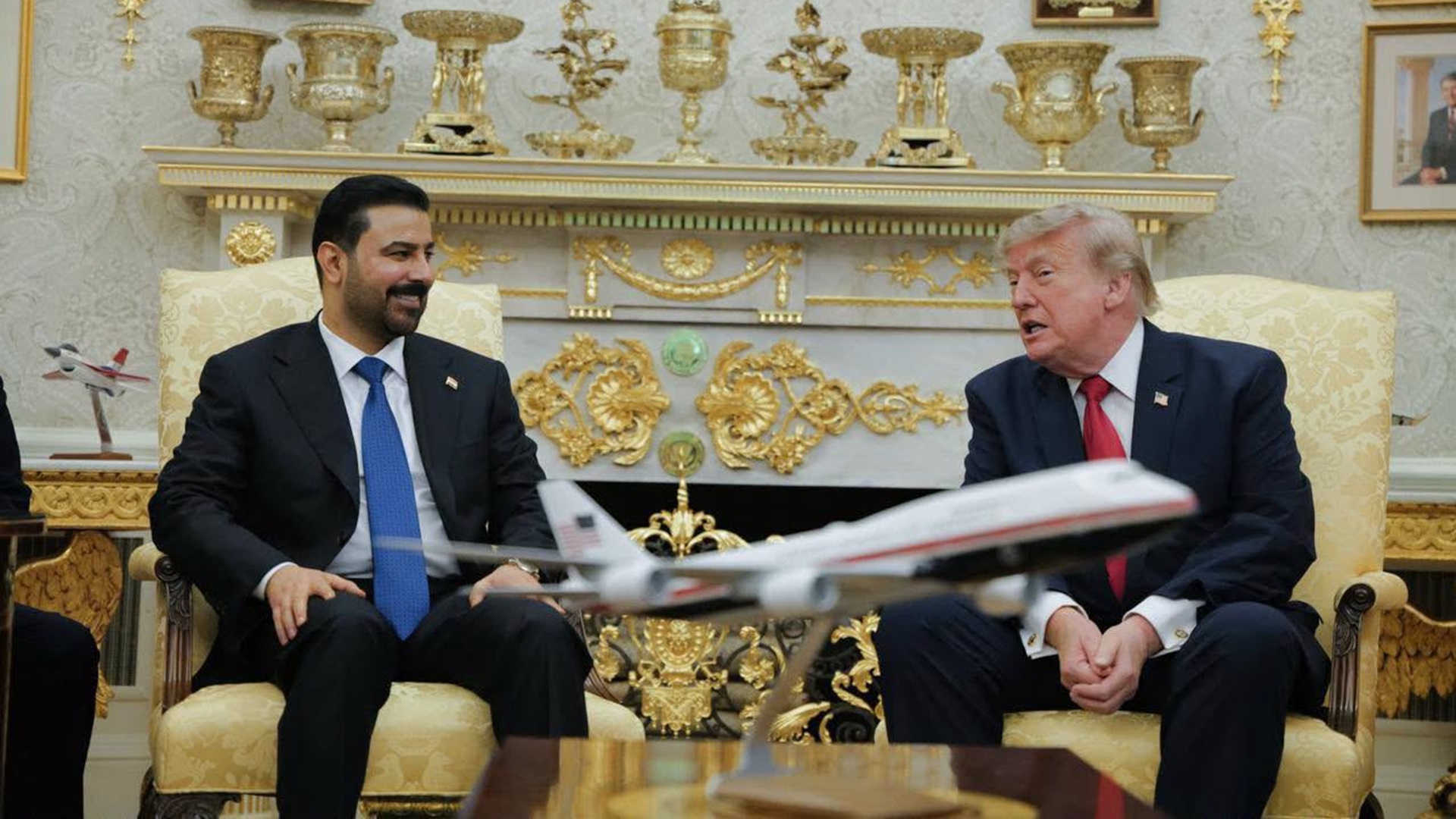
Iraq 09:02 PM - 2026-07-14 Trump Welcomes Iraqi PM al-Zaidi to White House, Reaffirms Strong US-Iraq Partnership
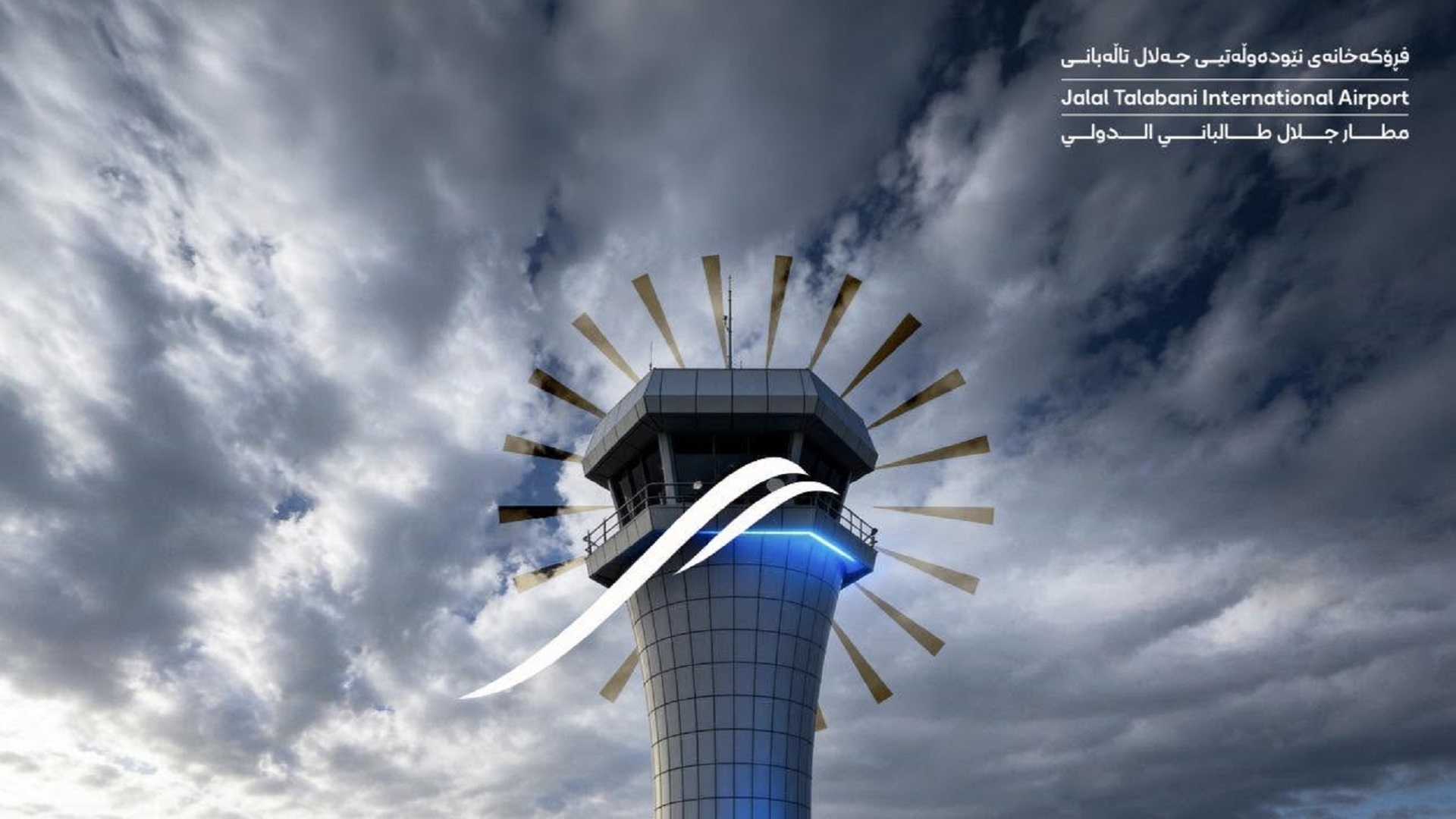
Sulaymaniyah International Airport Officially Renamed Jalal Talabani International Airport
07:20 PM - 2026-07-14
.jpeg)
Qubad Talabani Reviews Progress on Major Water Project to End Shortages in Chamchamal
02:36 PM - 2026-07-14
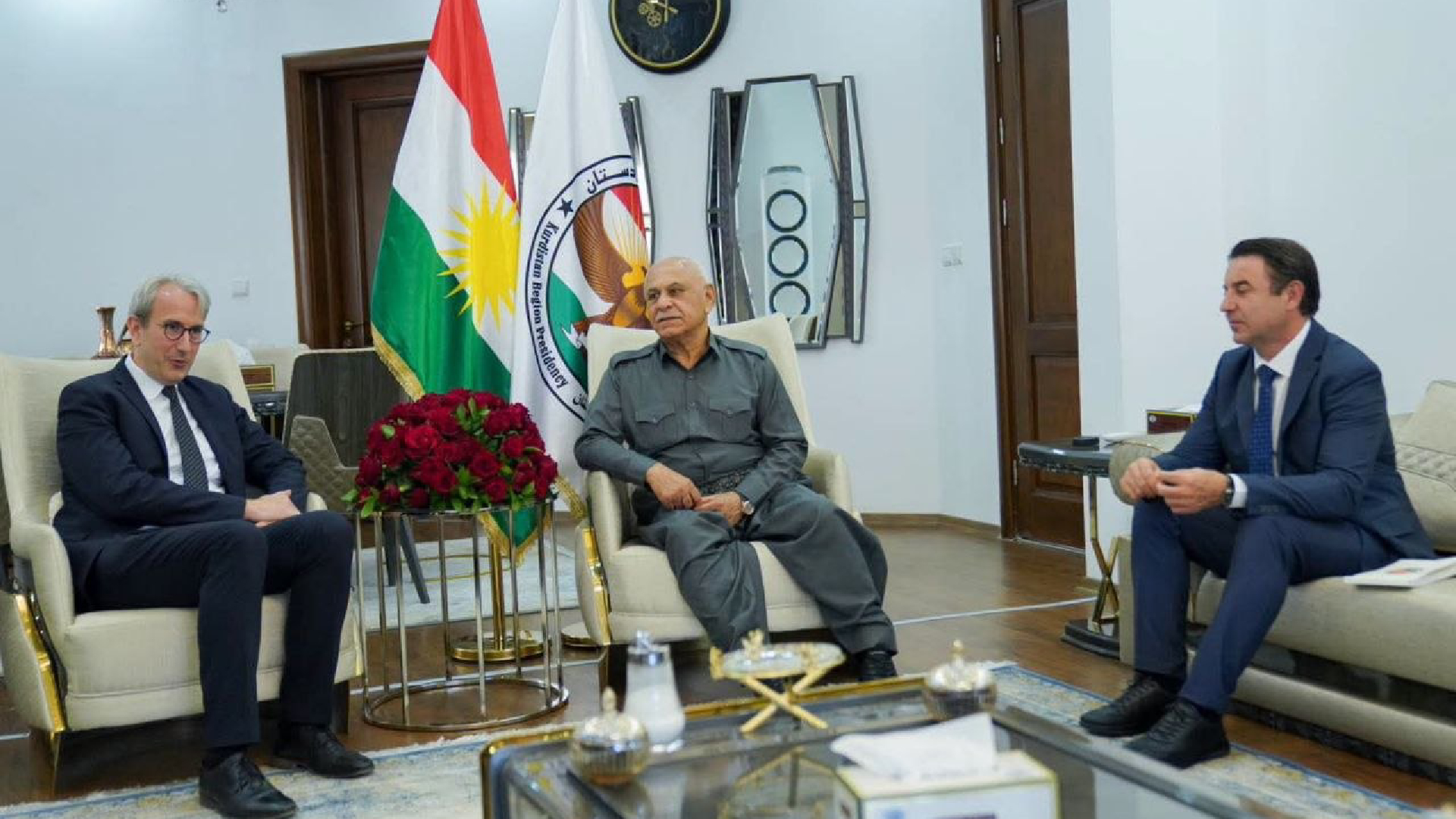
Kurdistan Region VP Commends Germany's Continued Support for Iraq and the Kurdistan Region
01:25 PM - 2026-07-14
Remembering 14 July Revolution That Ended Iraq's Monarchy
11:11 AM - 2026-07-14
Most read
-
Remembering 14 July Revolution That Ended Iraq's Monarchy
Iraq 11:11 AM - 2026-07-14 -
Qubad Talabani Meets Dutch Ambassador to Iraq on Conclusion of Her Mission
Kurdistan 07:36 PM - 2026-07-13 -
Iraqi PM Discussed Bilateral Cooperation and Regional Stability with U.S. Special Envoy in Washington
Iraq 10:01 AM - 2026-07-14 -
Trump Says U.S. Has Reinstated Blockade on Iranian Shipping in Hormuz
World 09:05 PM - 2026-07-13 -
Houthis Launch Missile Attacks on Saudi Arabia After Years of Calm
World 09:45 AM - 2026-07-14 -
China Does Not Seek a 'Sphere of Influence' in Relations with Pacific Island Nations, Foreign Minister Says
World 12:27 PM - 2026-07-14 -
Oil Climbs to One-Month High as U.S. and Iran Intensify Attacks in the Strait of Hormuz
News 09:05 AM - 2026-07-14 -
Ukraine to Manufacture French Missiles and Order Warplanes, Macron Says
World 11:22 PM - 2026-07-13
The News in your pocket
Download
 Application