

8 March: A Revolution for Women's Rights
World 11:35 AM - 2026-03-08 PUKMEDIA
Photo symbolising International Women's Day.
8 March marks International Women's Day (IWD). While perspectives on the significance of this day differ around the world, it is widely linked to the historical struggles of working women for better rights and conditions.
In the late 19th and early 20th centuries, with the expansion of industrial development, women’s participation in textile mills and factories increased significantly. Earlier, in 1857, women working in textile factories in New York City staged a demonstration to protest poor working conditions and low wages, but the protest was violently suppressed by police.
IWD has been around for over a hundred years, as have many of the issues still impacting women's advancement. Since 1911, IWD belongs to all who care about gender equality. Celebrate women's achievement. Raise awareness about discrimination. Take action to forge gender parity. All IWD activity is valid, that's what makes IWD so inclusive.
Women's oppression and inequality were spurring women to become more vocal and active in campaigning for change. Then in 1908, 15,000 women marched through New York City demanding shorter hours, better pay and voting rights.
In accordance with a declaration by the Socialist Party of America, the first National Woman's Day (NWD) was observed across the United States on February 28. Women continued to celebrate NWD on the last Sunday of February until 1913.
In 1910 a second International Conference of Working Women was held in Copenhagen. A woman named Clara Zetkin (Leader of the 'Women's Office' for the Social Democratic Party in Germany) tabled the idea of an International Women's Day. She proposed that every year in every country there should be a celebration on the same day - a Women's Day - to press for their demands. The conference of over 100 women from 17 countries, representing unions, socialist parties, working women's clubs - and including the first three women elected to the Finnish parliament - greeted Zetkin's suggestion with unanimous approval and thus International Women's Day was the result.
Following the decision agreed at Copenhagen in Denmark in 1911, International Women's Day was honoured for the first time in Austria, Denmark, Germany and Switzerland on 19 March. More than one million women and men attended IWD rallies campaigning for women's rights to work, vote, be trained, to hold public office and end discrimination. However less than a week later on March 25, the tragic 'Triangle Fire' in New York City took the lives of more than 140 working women, most of them Italian and Jewish immigrants. This disastrous event drew significant attention to working conditions and labor legislation in the United States that became a focus of subsequent International Women's Day events. 1911 also saw women's Bread and Roses campaign.
On International Women's Day this year, the United Nations reported that nowadays, no nation has closed the legal gaps between men and women.
“Right now, women have only 64 per cent of the legal rights that men hold worldwide. In fundamental areas of life, including work, money, safety, family, property, mobility, business, and retirement – the law systematically disadvantages women,” the UN said in a statement for the occasion.
The UN also said that International Women’s Day 2026 (IWD 2026), under the theme, “Rights. Justice. Action. For ALL Women and Girls”, calls for action to dismantle all barriers to equal justice: discriminatory laws, weak legal protections, and harmful practices and social norms that erode the rights of women and girls.
History of IWD
On the eve of World War I campaigning for peace, Russian women observed their first International Women's Day on February 23, the last Sunday in February. Following discussions, International Women's Day was agreed to be marked annually on March 8 that translated in the widely adopted Gregorian calendar from February 23 - and this day has remained the global date for International Women's Day ever since. In 1914, further women across Europe held rallies to campaign against the war and to express women's solidarity. For example, in London in the United Kingdom there was a march from Bow to Trafalgar Square in support of women's suffrage on 8 March 1914. Sylvia Pankhurst was arrested in front of Charing Cross station on her way to speak in Trafalgar Square.
On the last Sunday of February, Russian women began a strike for "Bread and Peace" in response to the death of over 2 million Russian soldiers in World War 1. Opposed by political leaders, the women continued to strike until four days later the Czar was forced to abdicate and the provisional Government granted women the right to vote. The date the women's strike commenced was Sunday February 23 on the Julian calendar then in use in Russia. This day on the Gregorian calendar in use elsewhere was 8 March.
International Women's Day was marked for a first time by the United Nations in 1975. Then in December 1977, the General Assembly adopted a resolution proclaiming a United Nations Day for Women’s Rights and International Peace to be observed on any day of the year by Member States, in accordance with their historical and national traditions.
Women in Kurdistan
Women in the Kurdistan Region of Iraq have participated in numerous revolutions and made significant sacrifices for their rights, particularly during the rule of the Ba'ath regime, and their struggle continues to this day. Women played a pivotal role in the Kurdish uprisings, and efforts to secure their rights and enact relevant legislation have persisted over the years.
The Kurdistan Parliament passed the Combating Domestic Violence Law following sustained efforts by women’s organisations, civil society groups, and the General Directorate for Combating Violence Against Women. Law No. 8 of 2011, adopted to combat domestic violence, aims to reduce violence against women by strengthening the implementation of existing laws. The legislation seeks to reduce violations and acts of violence, raise public awareness, and help curb related crimes.
In other parts of Kurdistan, women have also played a significant role in struggle and resistance. In West Kurdistan (Rojava), Kurdish women were at the forefront of the fight against terrorism. They led battalions and military units and played a major role in confronting the extremism of Islamic State (ISIS).
Kurdish women fighters became a symbol of courage and resistance in the battle against terrorism, demonstrating their determination to defend their communities and values.
Others like Zara Mohammadi, a young Kurdish woman born in Sanandaj (Sena) in the Kurdistan region of Iran, known as Eastern Kurdistan, or Rojhelat, became a symbol of courageous women fighting to preserve her Kurdish identity and keep her mother tongue alive. Mohammadi was voluntary teacher of the Kurdish language, for which she was arrested and sentenced to ten years in prison.
Leyla Zana also became a symbol of Kurdish women's struggles, as she was the first Kurdish woman elected to the Turkish Parliament in 1991, but later spent 10 years in prison for her political activism. She was awarded the Sakharov Prize for Freedom of Thought in 1995.
PUKMEDIA
More news
-
President Amedi: Jalal Talabani’s Legacy Will Continue to Inspire Future Generations
10:17 PM - 2026-07-14 -
China Does Not Seek a 'Sphere of Influence' in Relations with Pacific Island Nations, Foreign Minister Says
12:27 PM - 2026-07-14 -
Oil Climbs to One-Month High as U.S. and Iran Intensify Attacks in the Strait of Hormuz
09:05 AM - 2026-07-14 -
Ukraine to Manufacture French Missiles and Order Warplanes, Macron Says
11:22 PM - 2026-07-13
see more
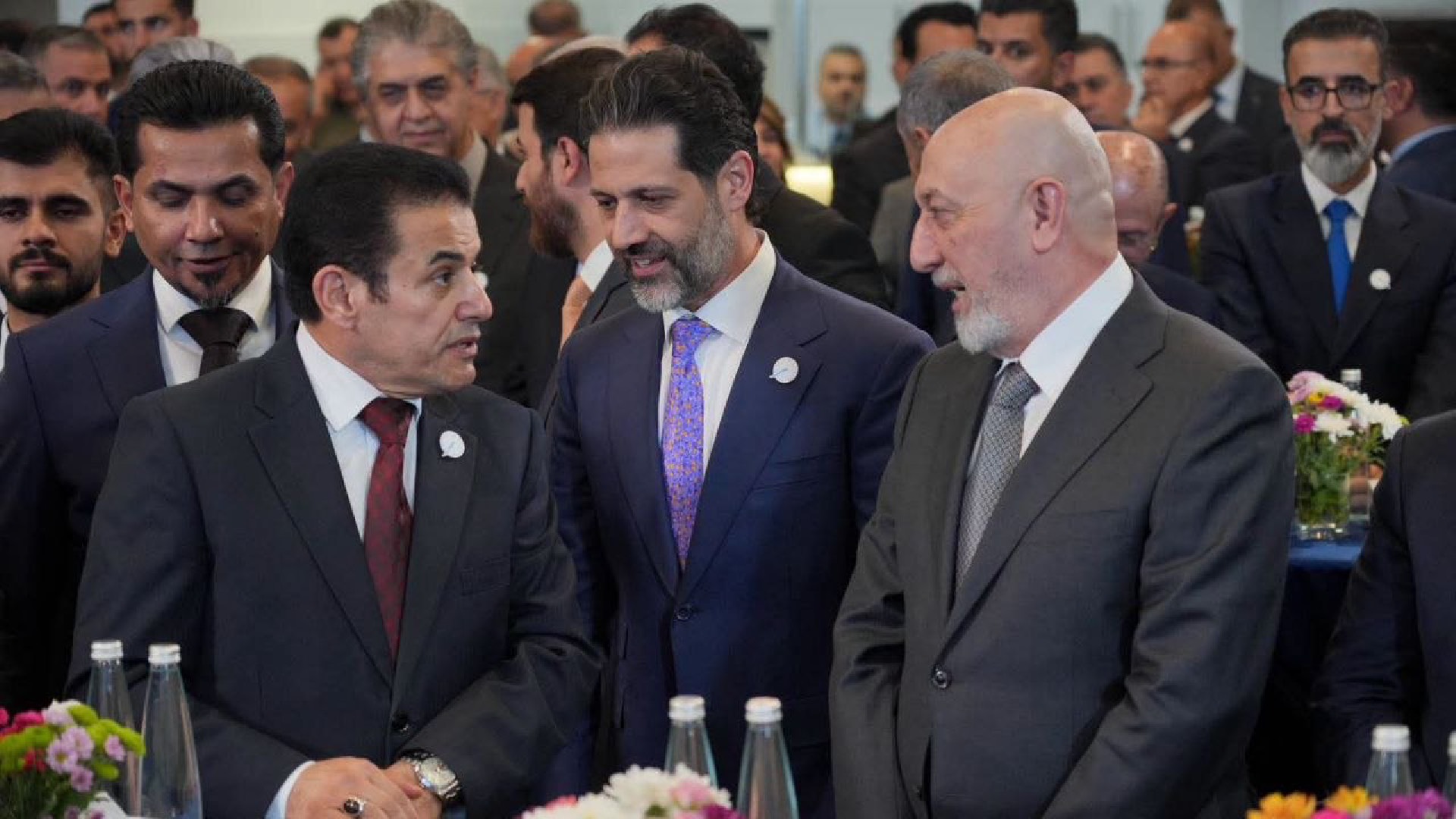
Kurdistan 10:28 PM - 2026-07-14 Qubad Talabani Welcomes Renaming of Sulaymaniyah Airport in Honour of Mam Jalal
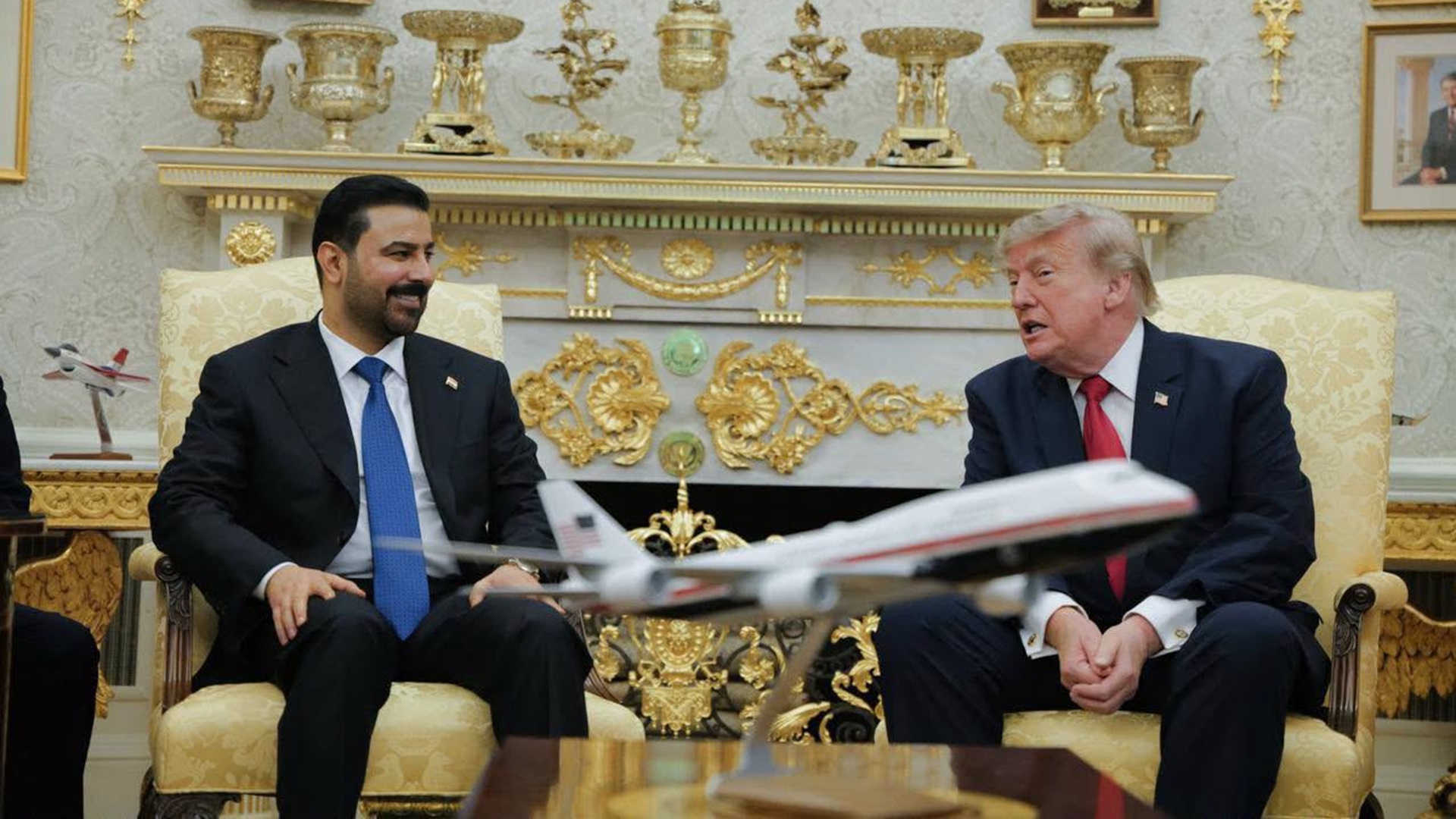
Trump Welcomes Iraqi PM al-Zaidi to White House, Reaffirms Strong US-Iraq Partnership
09:02 PM - 2026-07-14
Sulaymaniyah International Airport Officially Renamed Jalal Talabani International Airport
07:20 PM - 2026-07-14
.jpeg)
Qubad Talabani Reviews Progress on Major Water Project to End Shortages in Chamchamal
02:36 PM - 2026-07-14
Most read
-
Remembering 14 July Revolution That Ended Iraq's Monarchy
Iraq 11:11 AM - 2026-07-14 -
Iraqi PM Discussed Bilateral Cooperation and Regional Stability with U.S. Special Envoy in Washington
Iraq 10:01 AM - 2026-07-14 -
Trump Says U.S. Has Reinstated Blockade on Iranian Shipping in Hormuz
World 09:05 PM - 2026-07-13 -
Houthis Launch Missile Attacks on Saudi Arabia After Years of Calm
World 09:45 AM - 2026-07-14 -
China Does Not Seek a 'Sphere of Influence' in Relations with Pacific Island Nations, Foreign Minister Says
World 12:27 PM - 2026-07-14 -
Trump Welcomes Iraqi PM al-Zaidi to White House, Reaffirms Strong US-Iraq Partnership
Iraq 09:02 PM - 2026-07-14 -
Oil Climbs to One-Month High as U.S. and Iran Intensify Attacks in the Strait of Hormuz
News 09:05 AM - 2026-07-14 -
Ukraine to Manufacture French Missiles and Order Warplanes, Macron Says
World 11:22 PM - 2026-07-13
The News in your pocket
Download
 Application