
.png)
Nearly 200 human spines found threaded onto posts in Peru
Relics 12:03 PM - 2022-02-02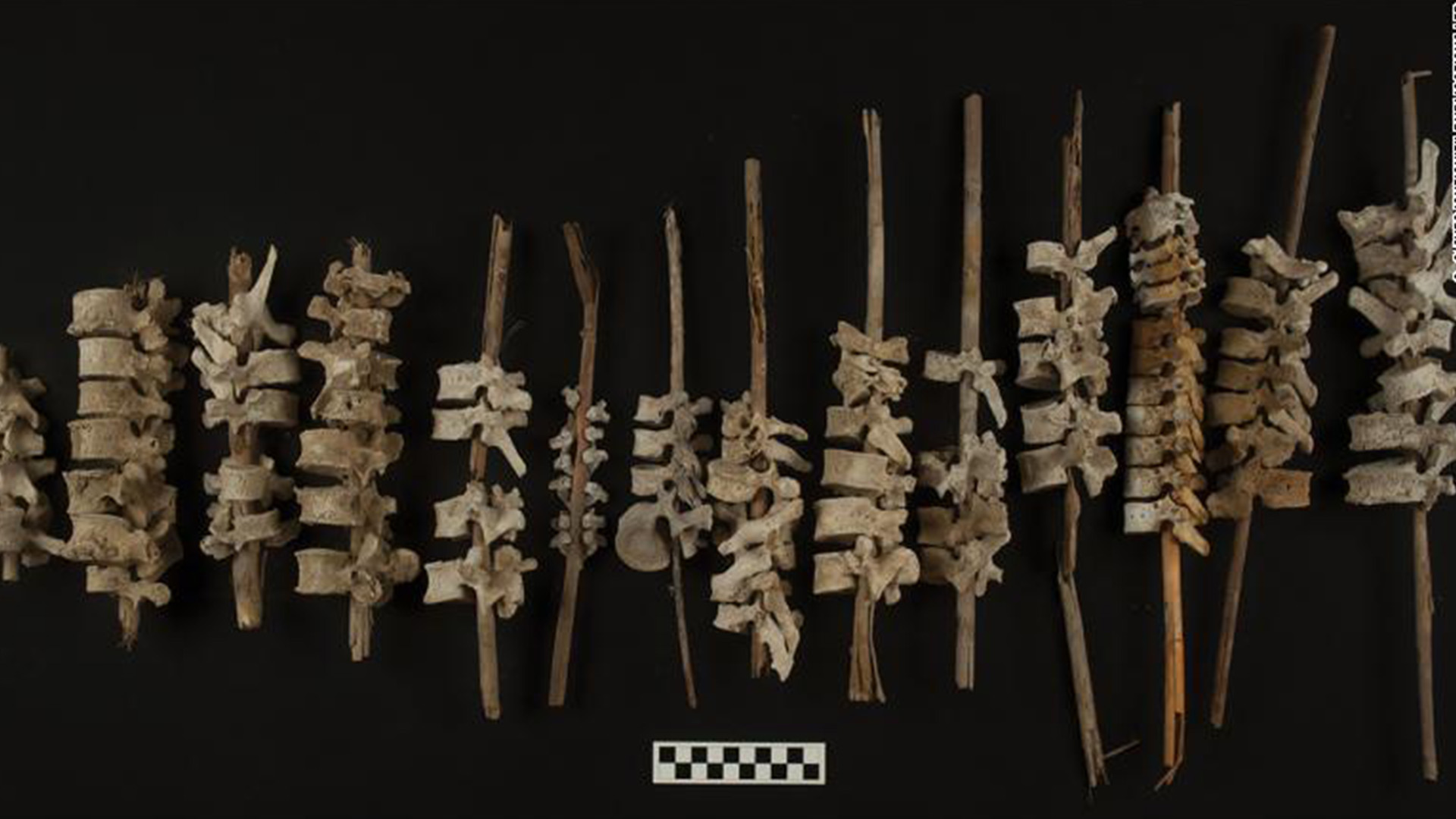
Photo Credit: CNN
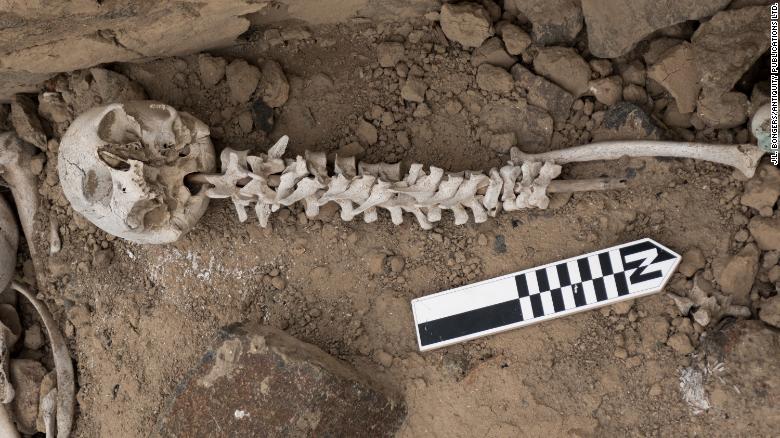
Almost 200 examples of human spines threaded onto reed posts have been discovered in Peru, revealing a unique way of treating the dead that has never previously been documented in the region, according to a new study.
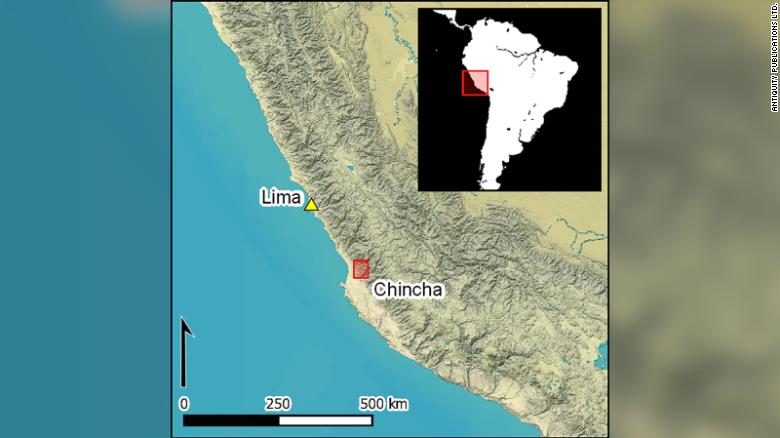
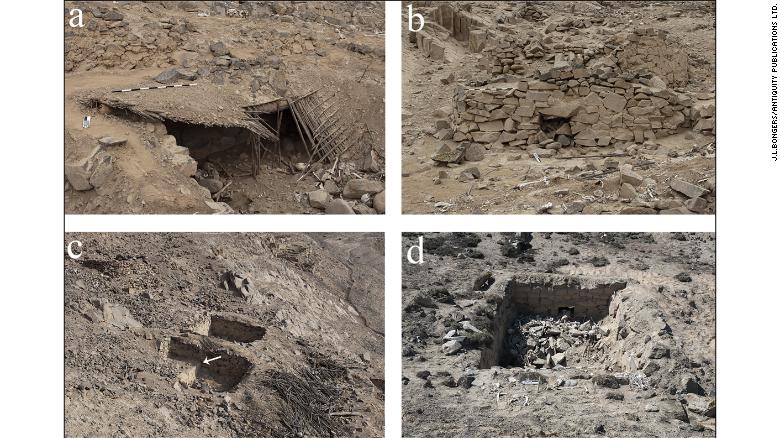
An international team of researchers working in the Chincha Valley, on Peru's southern coast, found the majority of the "vertebrae-on-posts" in large Indigenous graves known as "chullpas," which date back hundreds of years to around the time that European colonizers were present in the South American country.
Of the 192 spines found on posts in the region, archaeologists found that, in almost every case, they were made from the remains of a single individual, according to the study published Tuesday in the archaeology journal Antiquity.
It appears that adults and juveniles in the Indigenous community were the ones chosen for this unique practice and, according to researchers, the "vertebrae-on-posts" are thought to have been created between 1450 and 1650 -- as the Inca rule came to an end and European colonization became widespread and dominant in the region.
Jacob L. Bongers, lead author of the study, said this particular period was "turbulent" in the history of the Chincha Valley, as "epidemics and famines decimated local people."
Before the arrival of the Europeans, the Chincha Valley had been home to the Chincha Kingdom from 1000 to 1400 and had even established an alliance with the powerful Inca Empire. But as European colonizers swept into the region, the population was decimated as it declined from more than 30,000 heads of household in 1533 to just 979 by 1583.
Bongers, a senior research associate in archaeology at the University of East Anglia in the United Kingdom, has also documented the looting of hundreds of graves in the region in previous research.
"Looting of indigenous graves was widespread across the Chincha Valley in the colonial period. Looting was primarily intended to remove grave goods made of gold and silver and would have gone hand in hand with European efforts to eradicate indigenous religious practices and funerary customs," Bongers said in a news release.
Analysis of the spines on the posts suggests that they might have been created to repair the damage done to the dead by looting, the study said. Radiocarbon dating conducted by the research team shows the threading of the spine onto the reed posts occurred after the initial burial of the bodies.
"These 'vertebrae-on-posts' were likely made to reconstruct the dead in response to grave looting," Bongers said. "Our findings suggest that vertebrae-on-posts represent a direct, ritualized, and indigenous response to European colonialism."
For many Indigenous groups in the Chincha Valley, bodily integrity after death was of high importance. According to the study, the Indigenous peoples of the region were involved in unique treatments of the dead -- the nearby Chinchorro people developed the first known techniques for artificial mummification, millennia before ancient Egyptians practiced this funerary rite.
When mummies in the mountainous Andes area were destroyed by European colonizers, Indigenous groups salvaged what they could of the decimated remains to make new ritual objects.
Sign up for CNN's Wonder Theory science newsletter. Explore the universe with news on fascinating discoveries, scientific advancements and more.
The spines on the posts found in the Chincha Valley may represent a similar attempt to reconstruct the damaged dead and bodily integrity after looting.
"Ritual plays important roles in social and religious life, yet can become contested, especially during periods of conquest in which new power relationships become established," Bongers said. "These finds reinforce how graves are one area where this conflict plays out."
PUKmedia / CNN
More news
-
PUKMEDIA Releases Weekly Digital Newsletter- Issue 177
09:08 AM - 2026-06-06 -
U.S. President Calls on Iran to Return to Negotiations
11:42 PM - 2026-06-07 -
Qubad Talabani Pays Tribute to Omar Sheikhmous and Agnita at Statue Unveiling in Sulaymaniyah
10:05 PM - 2026-06-07 -
Iraqi President Offers Condolences Following Deadly Dhi Qar Traffic Accident
09:14 PM - 2026-06-07
see more
.jpg)
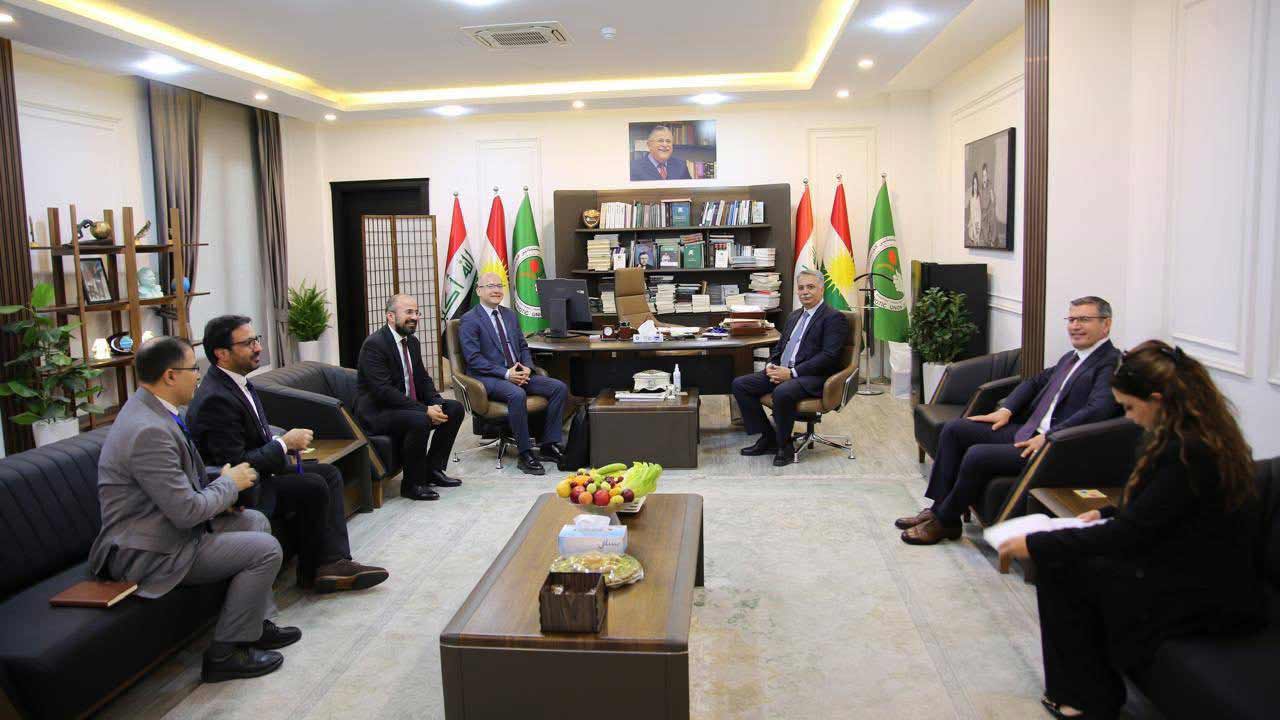
PUK General Studies Centre Holds Talks with Leading Turkish Research Institutions
09:51 PM - 2026-06-07
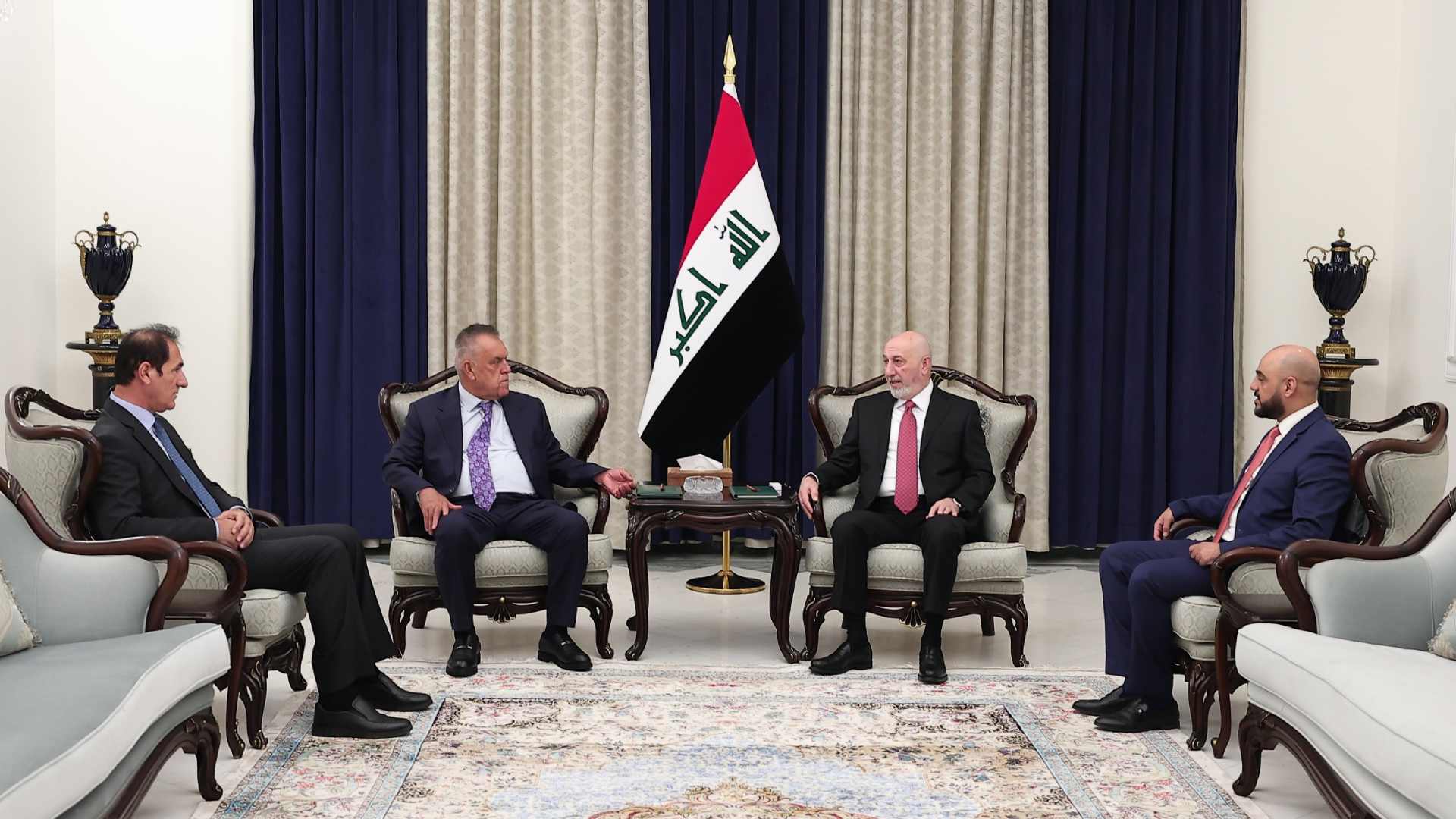
Iraqi President Praises PUK’s Role in Strengthening Coexistence and Stability in Kirkuk
06:12 PM - 2026-06-07
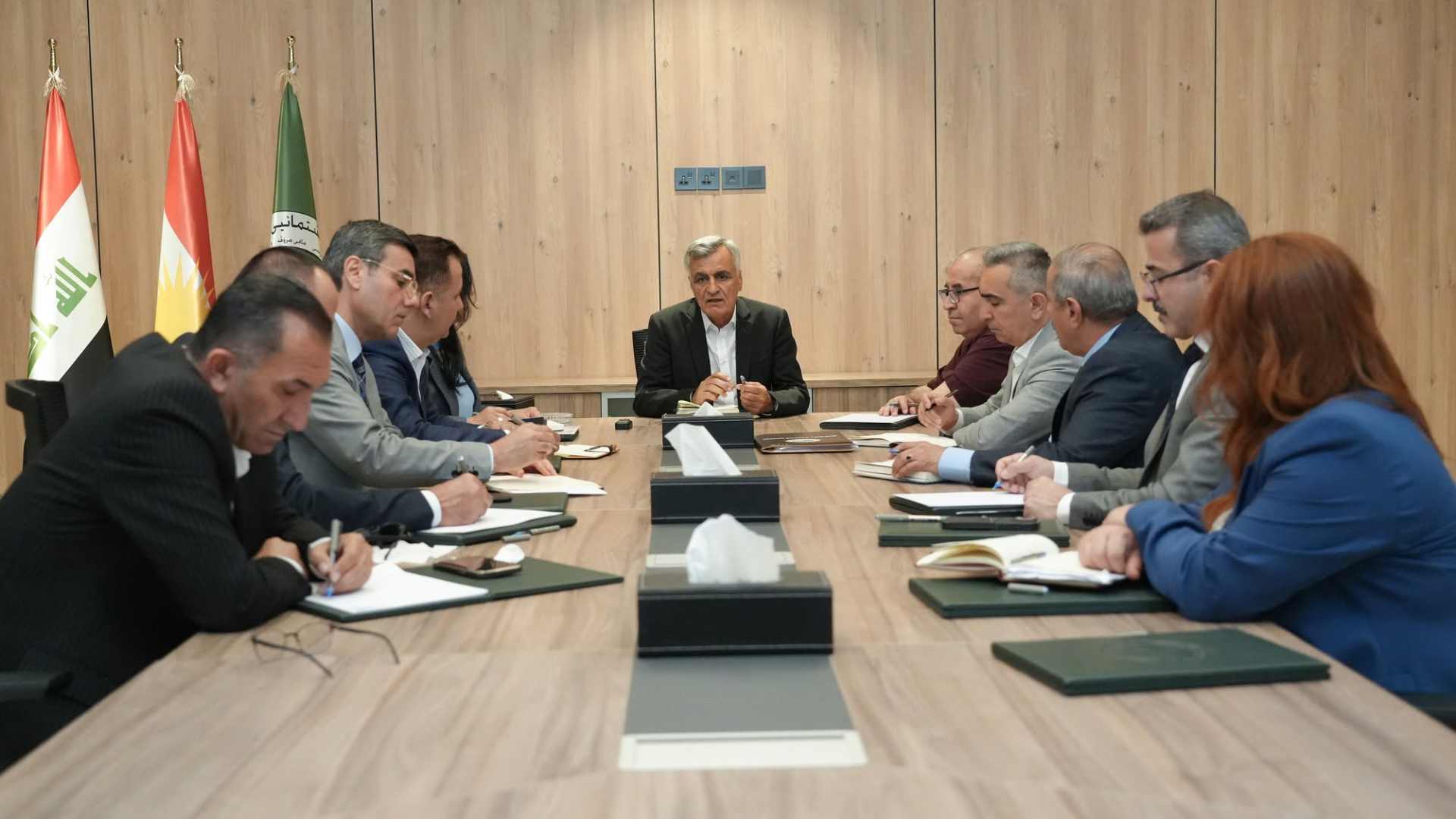
Rifaat Abdullah: PUK Remains a Key Force for Democracy and the Protection of National Rights
03:20 PM - 2026-06-07
.jpg)
Qubad Talabani: We Will Invest in Our People
12:09 PM - 2026-06-07
Most read
-
Deputy Head of the Finnish Mission: President Mam Jalal was a Great Leader
P.U.K 01:10 PM - 2026-06-07 -
Qubad Talabani: We Will Invest in Our People
Kurdistan 12:09 PM - 2026-06-07 -
Iraqi President Praises PUK’s Role in Strengthening Coexistence and Stability in Kirkuk
Iraq 06:12 PM - 2026-06-07 -
PUK General Studies Centre Holds Talks with Leading Turkish Research Institutions
P.U.K 09:51 PM - 2026-06-07 -
Salar Mahmoud: Kurdistan National Congress Plays Key Role in Advancing the Kurdish Issue
P.U.K 12:22 PM - 2026-06-07 -
U.S. President Says Iranian Assets Will Remain Frozen Until Peace Deal Is Finalised
World 08:05 PM - 2026-06-07 -
Qubad Talabani Pays Tribute to Omar Sheikhmous and Agnita at Statue Unveiling in Sulaymaniyah
Kurdistan 10:05 PM - 2026-06-07 -
Rifaat Abdullah: PUK Remains a Key Force for Democracy and the Protection of National Rights
P.U.K 03:20 PM - 2026-06-07
The News in your pocket
Download
 Application