
.png)
Ancient Arab temple art reveals hybrid camels
Relics 06:32 PM - 2022-01-26
Evidence of ancient hybrid camels has been uncovered by archaeologists who were working to restore a temple in northern Iraq damaged by ISIS.
The Temple of Allat, which dates to the second century AD, is located in the city of Hatra, a UNESCO World Heritage site. Once a sprawling metropolis, it served as the capital of the Kingdom of Hatra. The remains of the ancient city were heavily vandalized by religious extremists between 2015 and 2017. Before that, the temple had also suffered decades of neglect.
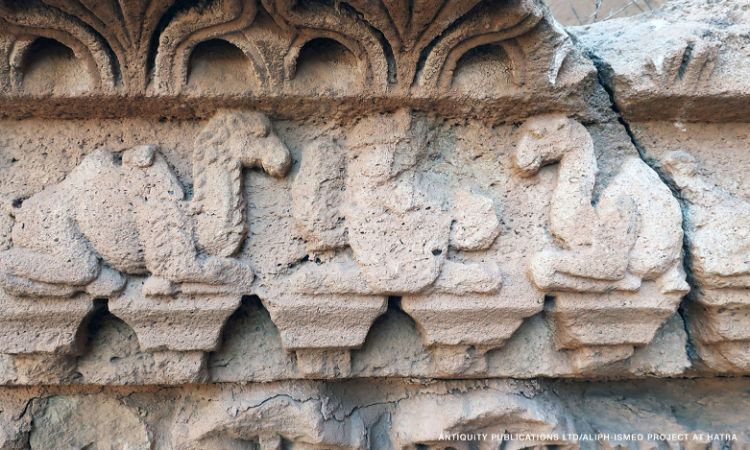
During restoration after the recent damage, researchers spied something unexpected in a frieze above a door of the Temple of Allat. The horizontal stone piece of artwork appeared to show hybrid camels that resulted from crossing two different breeds.
The depiction of these camels has helped researchers gain a better understanding of ancient Hatra, which was a small neighboring kingdom of the Roman and Parthian empires -- though those neighbors were often more hostile than friendly.
The artwork also adds to the growing evidence that researchers have of when and where camel hybrids were bred. Previously, researchers believed different types of camels were crossbred primarily in expansive empires. This latest finding shows the practice was more widespread.
"The image appears to express a precise message -- the direct involvement of the king in camel herding, management and hybridization practices," said Massimo Vidale, an associate professor at the Università degli Studi di Padova in Italy.
Breeding hybrids of a sacred animal
The artwork was added to the temple during a renovation conducted by King Sanatruq I and his son, Abdsamiya in 168 AD, the researchers believe. It was during this time that the royals rededicated the temple to the goddess Allat, in addition to erecting nearly life-size statues of themselves.
Previous research on the stone frieze suggested that it depicted eight dromedaries, with two Bactrian camels in the middle.
Dromedaries are Arabian camels that sport one hump. These swift animals are ideal for riding or even racing. In contrast, Bactrian camels are native to Central Asia and have two humps. These hardy pack animals can withstand high altitudes, cold temperatures and even drought.
When Vidale and his colleagues took a closer look at the artwork, they noticed that the faces and fur of the two so-called Bactrian camels actually looked more like a cross between a Bactrian camel and dromedary.
And rather than a sizable space between the two humps, there was just a slight indentation -- a trait that has been observed in hybrids of these camel breeds.
People have been breeding camels since the first century AD, according to the oldest hybrid camel animal skeletons recovered from the Roman and Parthian empires.
This husbandry practice went into effect thousands of years ago because it leads to stronger and more resilient animals. Hybrid camels could carry double the load of dromedaries and more than double what a Bactrian camel could support.
Despite its diminutive size when compared with the surrounding empires, the kingdom of Hatra was still able to import distant Bactrian camels from the steppes of Central Asia and breed camels as a show of power.
Political power flex
Camels were likely considered to be a sacred animal to Allat, and other sculptures and friezes within the temple show the goddess riding the animals sidesaddle.
The elaborate temple would have been seen by both religious visitors and the members of trade caravans. It might have even hosted markets.
"The construction of the Temple of Allat seems to be a bold move by King Sanatruq I, importing Allat -- one of the most important pre-Islamic Arab deities," Vidale said.
Creating and owning the best camels was also a political move because it created a direct association between the king and a sacred animal -- and distinguished the kingdom from relying on its powerful neighbors.
"By appealing to Arab groups, the king made a serious step in the process of detaching Hatra from the shadow of the Parthian empire," Vidale said.
The king might have even had a monopoly on the breeding of these special camels, as well as an interest "in the management of the long-distance caravans of an ancient Silk Road that could expand the trade interests that made Hatra so rich," the researchers wrote in the study. "The camels of the king, after all, are always the best."
A study detailing the findings published Tuesday in the journal Antiquity.
PUKmedia / CNN
More news
-
PUKMEDIA Releases Weekly Digital Newsletter- Issue 177
09:08 AM - 2026-06-06 -
U.S. President Calls on Iran to Return to Negotiations
11:42 PM - 2026-06-07 -
Qubad Talabani Pays Tribute to Omar Sheikhmous and Agnita at Statue Unveiling in Sulaymaniyah
10:05 PM - 2026-06-07 -
Iraqi President Offers Condolences Following Deadly Dhi Qar Traffic Accident
09:14 PM - 2026-06-07
see more
.jpg)
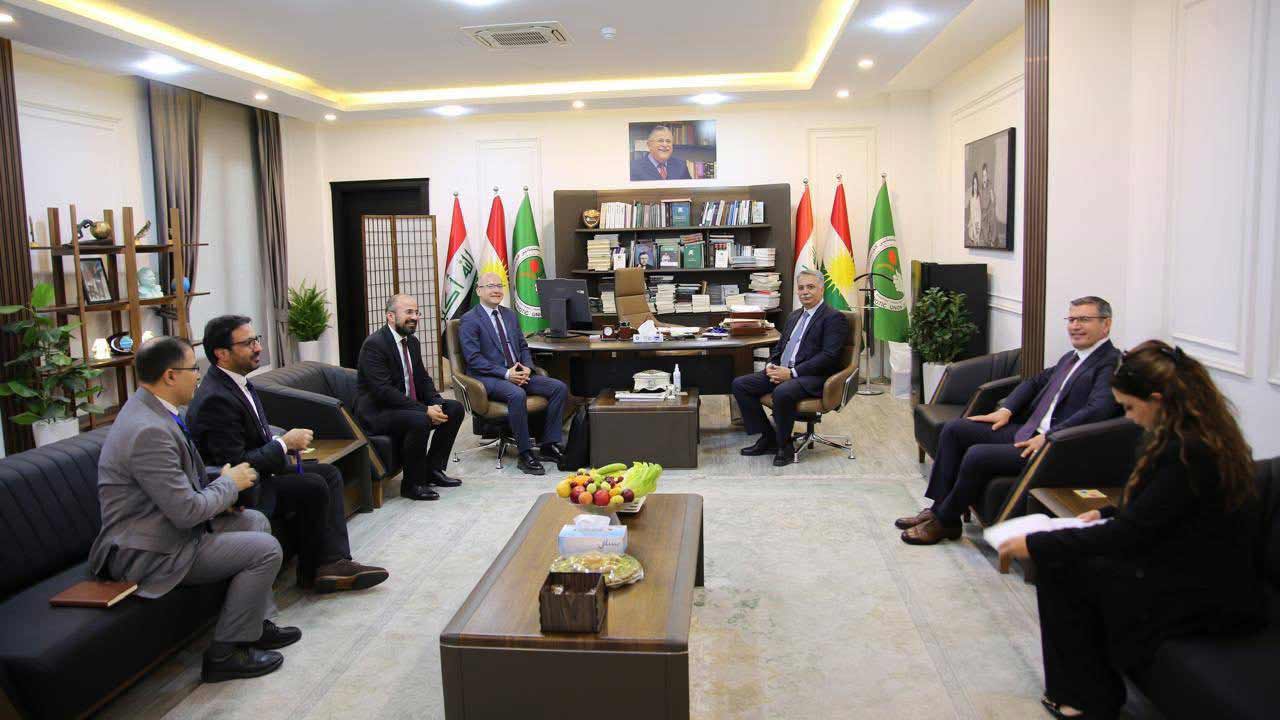
PUK General Studies Centre Holds Talks with Leading Turkish Research Institutions
09:51 PM - 2026-06-07
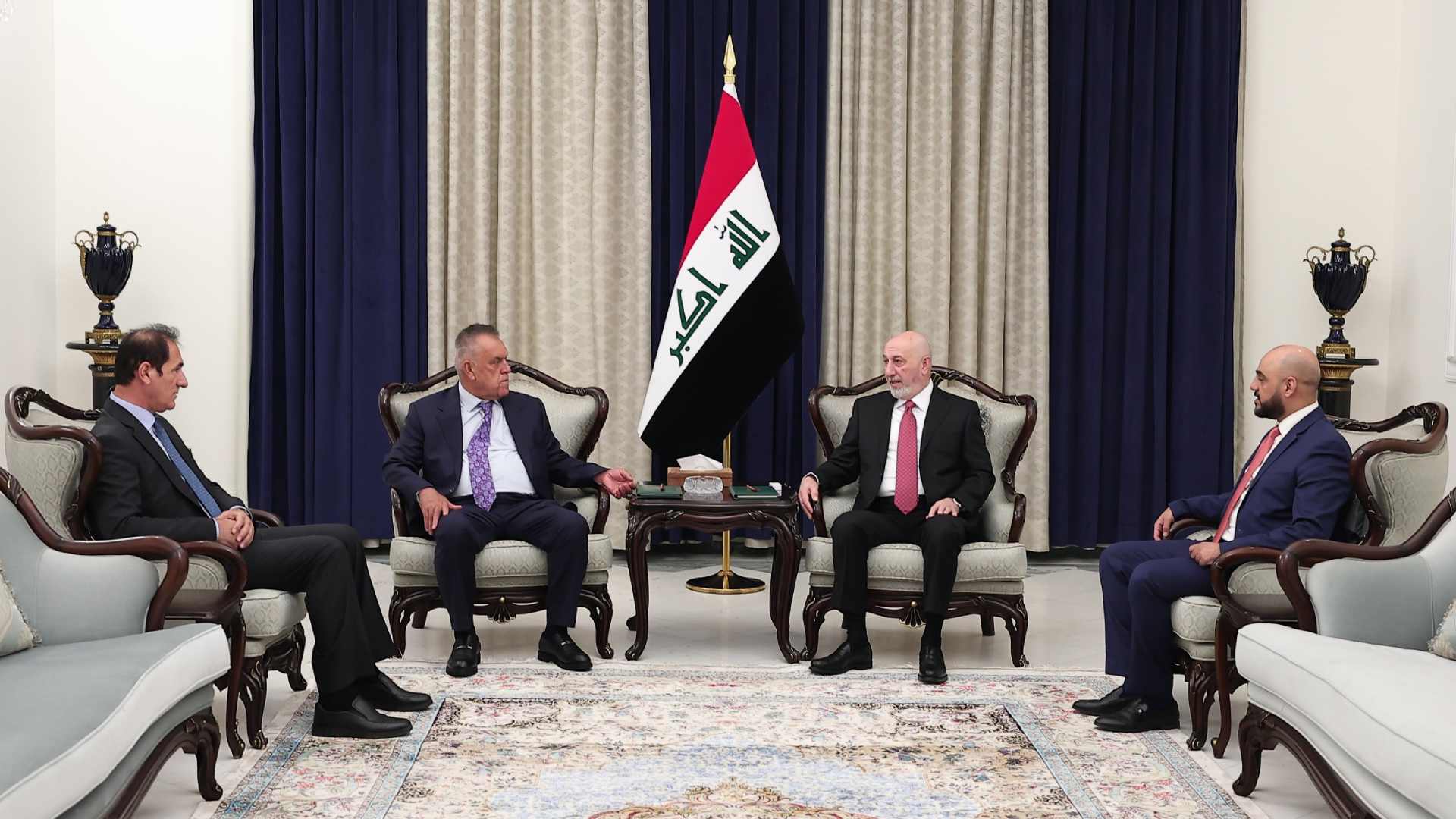
Iraqi President Praises PUK’s Role in Strengthening Coexistence and Stability in Kirkuk
06:12 PM - 2026-06-07
Rifaat Abdullah: PUK Remains a Key Force for Democracy and the Protection of National Rights
03:20 PM - 2026-06-07
.jpg)
Qubad Talabani: We Will Invest in Our People
12:09 PM - 2026-06-07
Most read
-
Deputy Head of the Finnish Mission: President Mam Jalal was a Great Leader
P.U.K 01:10 PM - 2026-06-07 -
Qubad Talabani: We Will Invest in Our People
Kurdistan 12:09 PM - 2026-06-07 -
Iraqi President Praises PUK’s Role in Strengthening Coexistence and Stability in Kirkuk
Iraq 06:12 PM - 2026-06-07 -
PUK General Studies Centre Holds Talks with Leading Turkish Research Institutions
P.U.K 09:51 PM - 2026-06-07 -
Salar Mahmoud: Kurdistan National Congress Plays Key Role in Advancing the Kurdish Issue
P.U.K 12:22 PM - 2026-06-07 -
U.S. President Says Iranian Assets Will Remain Frozen Until Peace Deal Is Finalised
World 08:05 PM - 2026-06-07 -
Qubad Talabani Pays Tribute to Omar Sheikhmous and Agnita at Statue Unveiling in Sulaymaniyah
Kurdistan 10:05 PM - 2026-06-07 -
Rifaat Abdullah: PUK Remains a Key Force for Democracy and the Protection of National Rights
P.U.K 03:20 PM - 2026-06-07
The News in your pocket
Download
 Application