

Remembering President Mam Jalal’s Historical Pleading
Kurdistan 09:19 AM - 2026-02-09 PUKMEDIA
Late President Mam Jalal during his pleading.
Twenty-two years ago today, during a historic session of the Iraqi Governing Council, the late President Jalal Talabani, Secretary-General of the Patriotic Union of Kurdistan (PUK) and a member of the council, delivered a landmark speech calling for the return of Kurds and Turkmen forcibly expelled from Kirkuk under Saddam Hussein’s regime and for a referendum to determine the city’s future.
The Iraqi Governing Council served as Iraq’s provisional government from 13 July 2003 to 1 June 2004. In his address on 9 February 2004, President Talabani—widely known as Mam Jalal—presented extensive historical, legal and cartographic evidence demonstrating that Kirkuk is a Kurdish city and an integral part of Kurdistan.
Despite this, Talabani emphasised that he was not demanding the immediate annexation of Kirkuk to the Kurdistan Region. Instead, he called for a just and gradual process that would preserve coexistence among the city’s components and rectify historical injustices.
Call for Justice, Not Imposition
Talabani stressed that any resolution must begin with the return of displaced Kurds and Turkmen to their ancestral homes, from which they were expelled during the Arabisation campaigns of the former regime. He also demanded the reversal of forced demographic changes by returning Arabs who had been resettled in Kirkuk by the Baathist authorities to their original areas in central and southern Iraq.
Only after these steps, he argued, should a referendum be held—based on an accurate census—to allow the people of Kirkuk, including Kurds, Turkmen and the city’s original Arab residents, to determine their future.
Legal and Historical Foundations
In his speech, Talabani urged that the rights of the Kurdish people be enshrined in the State Administration Law then under discussion. He began by outlining the historical reality of the Kurdish people as a nation divided across four states—Türkiye, Iraq, Iran and Syria.
He reminded the council that Kurdistan was incorporated into Iraq in 1925 through a League of Nations decision, citing British official C.J. Edmonds, who stated that Southern Kurdistan was attached to Iraq under clear conditions: Kurdish administration, recognition of Kurdish as an official language, and preservation of Kurdistan’s status.
Talabani accused Edmonds himself of later working to erase the Kurdish identity of the Kirkuk district, calling this a blatant violation of commitments made by Iraq and Britain to the League of Nations.
Arabisation and Ethnic Cleansing
Talabani underscored that the promises made to the Kurdish people were never honoured. Instead, they were violated through systematic ethnic cleansing, including the forced displacement of Kurds and Turkmen from Kirkuk and their replacement with Arab settlers during Saddam Hussein’s rule.
He affirmed the equal right of Kurds and Turkmen to return to the homes and lands of their forefathers.
Maps, Documents and International Records
During the session, President Talabani presented historical Ottoman maps placing Kirkuk within the borders of Kurdistan, as well as references from authoritative works such as The Mosul Question, which states that Kurdistan was neither part of Iraq nor Anatolia.
He also quoted from the Ottoman Dictionary of Flags, which records that three-quarters of Kirkuk’s population were Kurds.
Talabani further cited League of Nations documents stating that Iraq’s borders never extended beyond the Hamrin Mountains, and that territories north of Hamrin constituted Kurdistan, despite the presence of Turkmen communities.
Language and Constitutional Rights
President Talabani demanded official recognition of the Kurdish language alongside Arabic, describing it as a legitimate and inalienable right of the Kurdish people.
He warned that violating Kirkuk’s Kurdish identity would undermine the very agreement that attached the Mosul Vilayet to Iraq, citing League of Nations stipulations to that effect.
Legacy of an Unchallenged Case
Each year, this historic intervention by President Mam Jalal is remembered as one of the most comprehensive and well-documented defences of Kirkuk’s Kurdish identity.
According to political observers and historians, no credible evidence has yet disproved the documents and maps presented by President Talabani to the Iraqi Governing Council and world public opinion on 9 February 2004.
His speech remains a cornerstone of the Kurdish legal and historical argument on Kirkuk—grounded not in emotion, but in international law, official records and historical fact.
PUKMEDIA
More news
-
China Does Not Seek a 'Sphere of Influence' in Relations with Pacific Island Nations, Foreign Minister Says
12:27 PM - 2026-07-14 -
Oil Climbs to One-Month High as U.S. and Iran Intensify Attacks in the Strait of Hormuz
09:05 AM - 2026-07-14 -
Ukraine to Manufacture French Missiles and Order Warplanes, Macron Says
11:22 PM - 2026-07-13 -
Wildfire Erupts Near Paris as Heatwave Sweeps Across Europe
10:13 PM - 2026-07-13
see more
.jpeg)
Kurdistan 02:36 PM - 2026-07-14 Qubad Talabani Reviews Progress on Major Water Project to End Shortages in Chamchamal
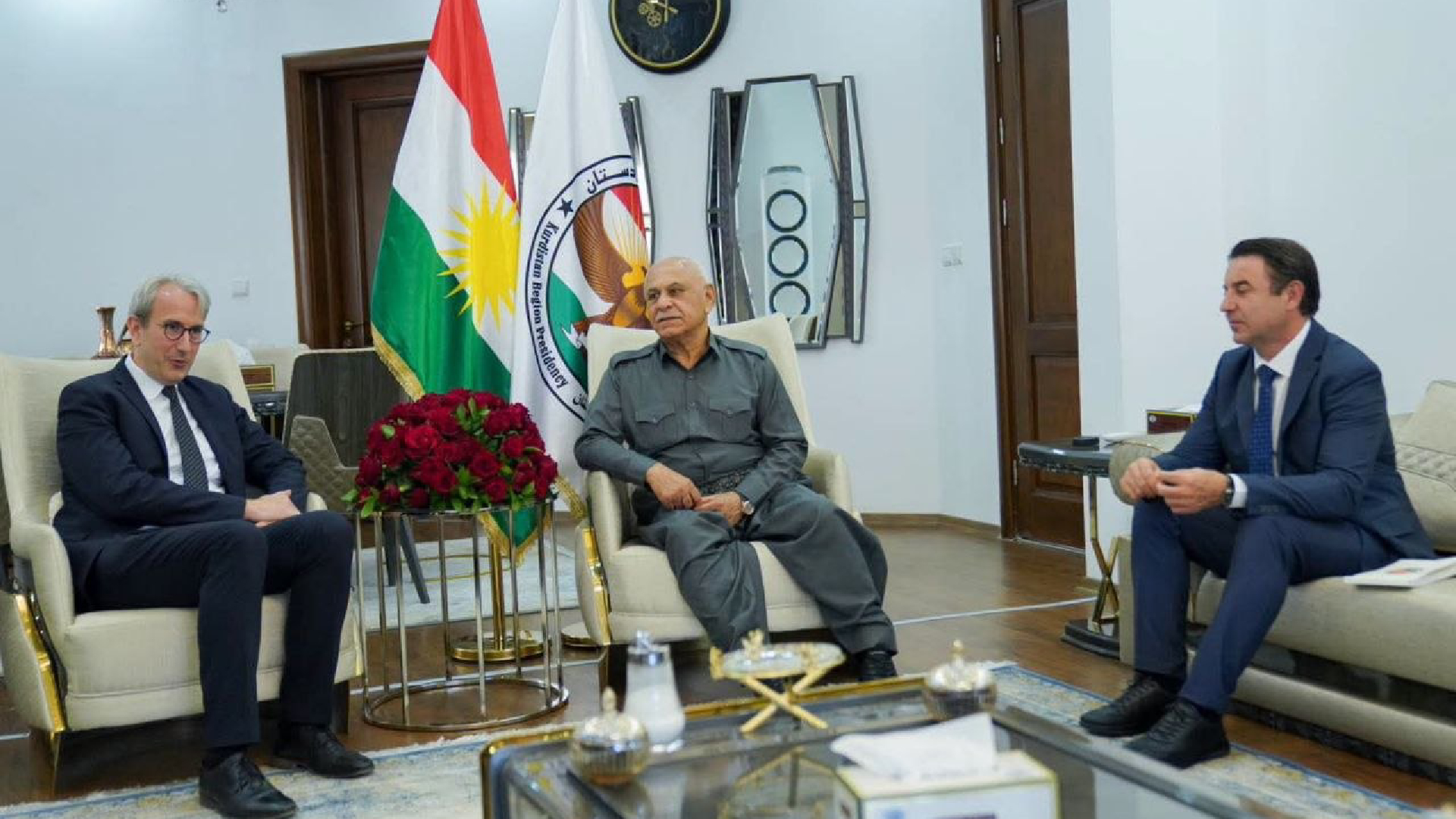
Kurdistan Region VP Commends Germany's Continued Support for Iraq and the Kurdistan Region
01:25 PM - 2026-07-14
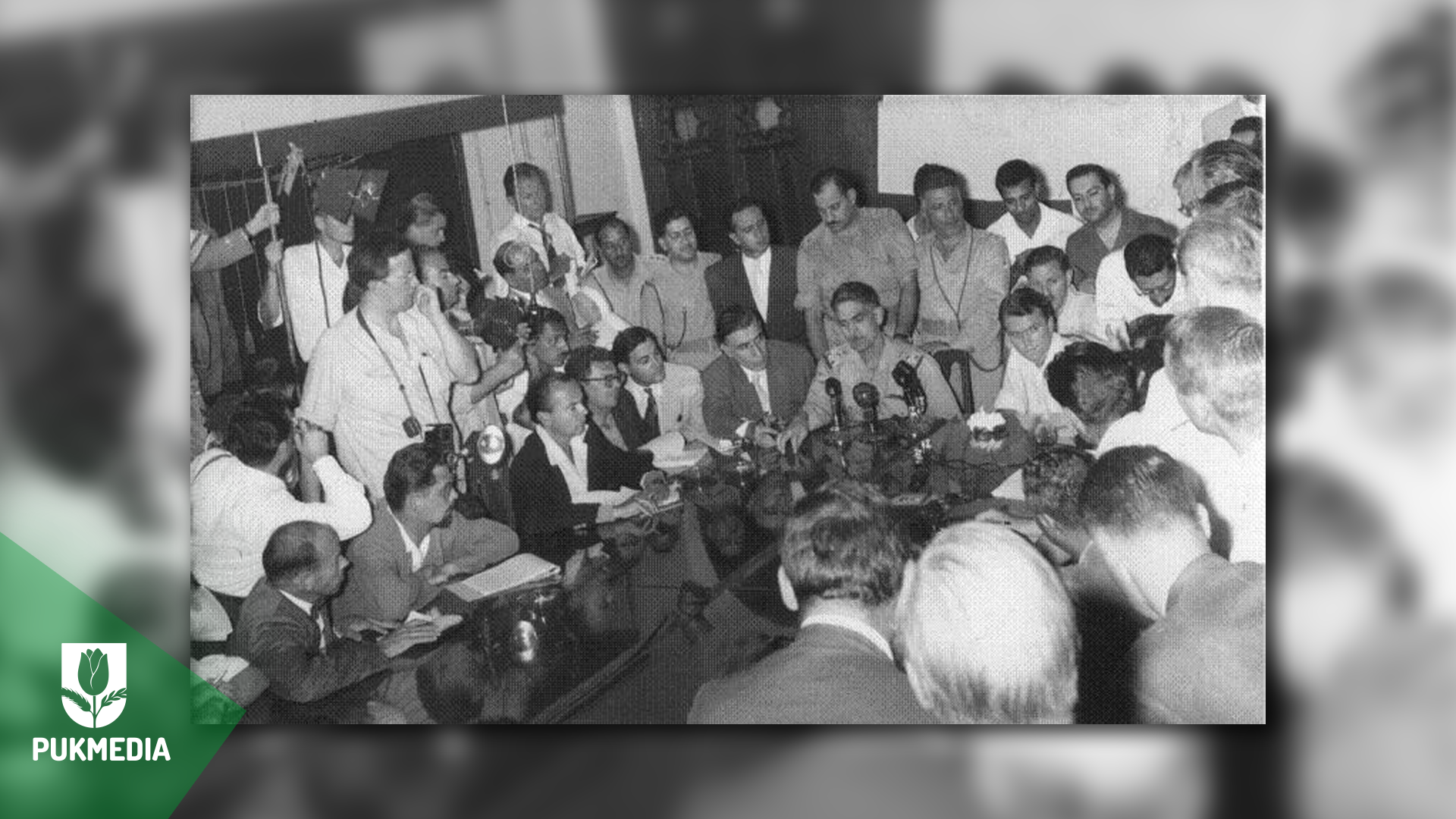
Remembering 14 July Revolution That Ended Iraq's Monarchy
11:11 AM - 2026-07-14
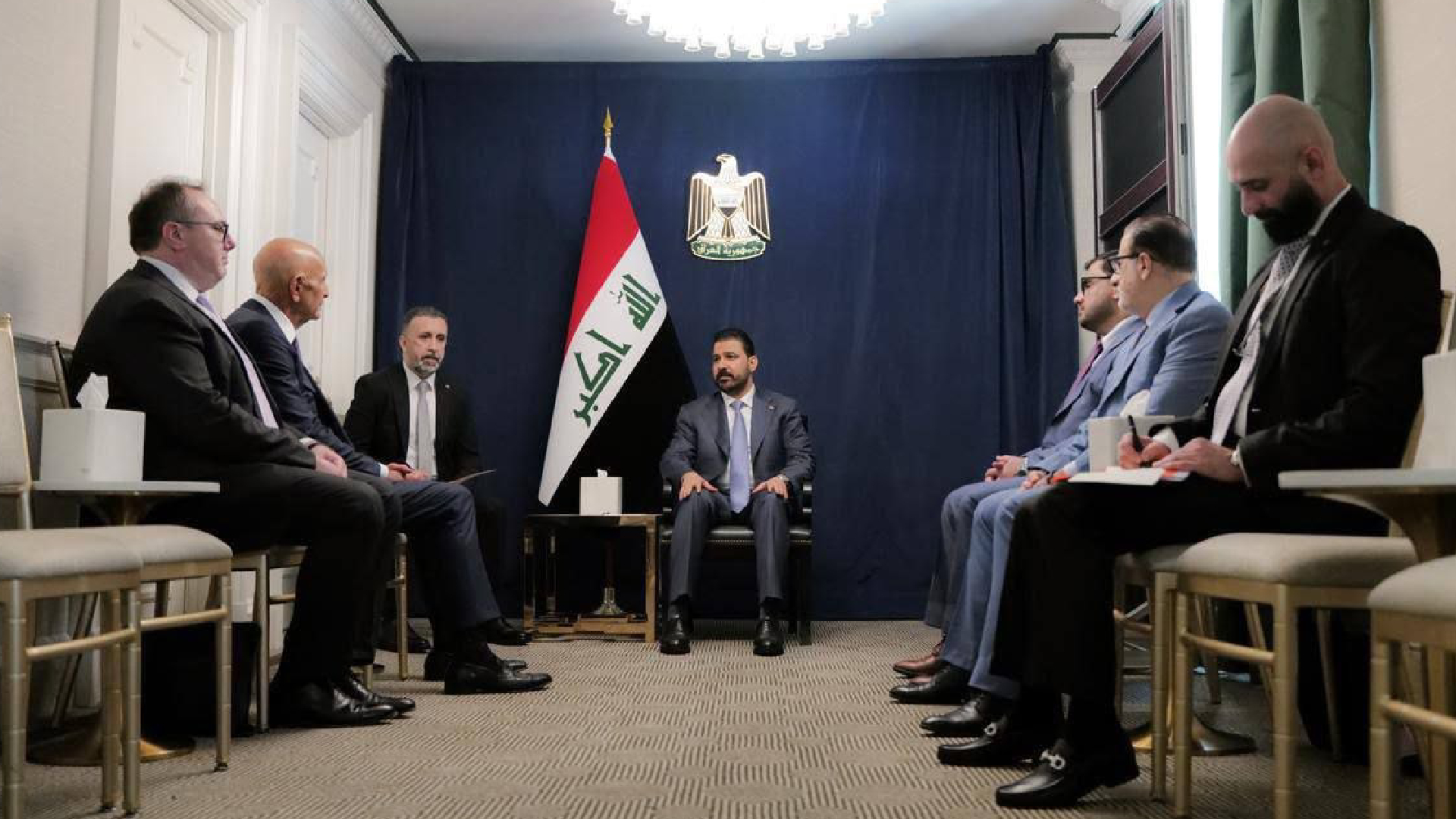
Iraqi PM Discussed Bilateral Cooperation and Regional Stability with U.S. Special Envoy in Washington
10:01 AM - 2026-07-14
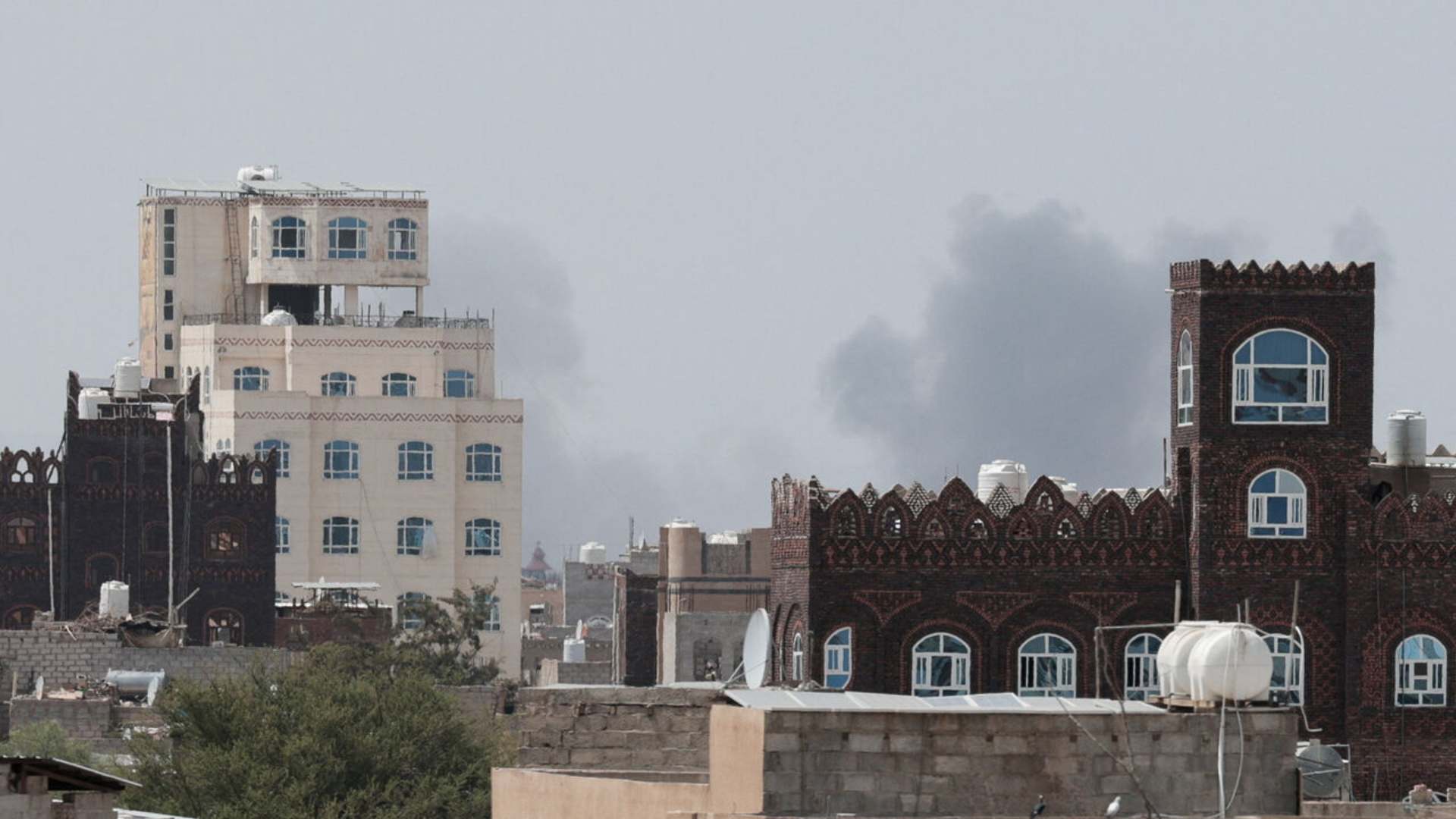
Houthis Launch Missile Attacks on Saudi Arabia After Years of Calm
09:45 AM - 2026-07-14
Most read
-
Qubad Talabani Meets Dutch Ambassador to Iraq on Conclusion of Her Mission
Kurdistan 07:36 PM - 2026-07-13 -
Nineveh Integrity Court Orders Seizure of Commercial Properties and Mills Linked to Corruption Case
Iraq 03:42 PM - 2026-07-13 -
Jurassic Park Star Sam Neill Dies Aged 78
World 12:47 PM - 2026-07-13 -
Sheikh Jaafar Sheikh Mustafa Receives Qubad Talabani
Kurdistan 05:36 PM - 2026-07-13 -
Hungary's Parliament Set to Vote on Constitutional Amendment to Oust President
World 02:21 PM - 2026-07-13 -
Trump Says U.S. Has Reinstated Blockade on Iranian Shipping in Hormuz
World 09:05 PM - 2026-07-13 -
Trump Says U.S. Would Probably Control the Strait of Hormuz and Charge for Its Use
World 04:25 PM - 2026-07-13 -
Ukraine to Manufacture French Missiles and Order Warplanes, Macron Says
World 11:22 PM - 2026-07-13
The News in your pocket
Download
 Application