

Kurdish Calligrapher Completes Giant Handwritten Quran After 6 Years of Hard Work
Kurdistan 05:46 PM - 2026-01-31 AP
AP
Kurdish Calligrapher Ali Zaman busy writing the manuscript.
Kurdish calligrapher Ali Zaman looks with pride at his life’s work: a monumental handwritten manuscript of the Holy Quran, completed after six years of meticulous effort and dedication.
The finished manuscript consists of 302 double-sided scrolls, each measuring four metres in length and 1.5 metres in width. The scrolls, which resemble thick parchment, were specially produced for Zaman using a blend of traditional materials, including eggs, cornstarch and alum.
“Anytime I think of this Quran … it gives me very nice feeling that the mighty God gave me the life to be able to finish this thing and complete it. I feel very proud,” said Zaman, 54, speaking to The Associated Press at a mosque in Istanbul where the manuscript is currently housed. “I feel extremely proud.”
Zaman was born in the Ranya district of Raparin Administration, in the Kurdistan Region. In 2017, he moved with his family to Istanbul to pursue his project of transcribing the Quran and further developing his calligraphy skills, noting that the art of Turkish calligraphy receives greater recognition in Türkiye than in his home region.
He said his fascination with Islamic calligraphy began at the age of 12, when he first encountered it in Iraq. “Calligraphy deeply appealed to me,” he said. “I felt as though I was discovering my soul through it.”
Every page of the manuscript has been written entirely by hand. Zaman explained that he worked from dawn until dusk for six consecutive years in a small room allocated to him at the Mihrimah Sultan Mosque in Istanbul. While the manuscript is being promoted as the largest handwritten Quran in the world, it has not yet received official recognition.
According to Guinness World Records, the largest printed copy of the Quran was acquired by the Museum of the Holy Quran in Mecca, Saudi Arabia, in March 2025.
Zaman’s son, Rekar, recalled the long periods during which his father was largely absent while working on the project. “We only used to see him when we brought him food or when he returned home at night to sleep,” he said. “Thank God, we see him much more now.”
The manuscript is currently stored in stacked scrolls and carefully covered to protect it from dust and moisture inside the mosque where it was created.
Zaman hopes the Quran will eventually be acquired by an institution that can display it publicly. “I want this Quran to be housed in a country, in a museum, or in a place that gives calligraphy the respect and value it deserves,” he said.
PUKMEDIA


More news
-
Oil Prices Fall for Third Straight Day as Hormuz Shipping Recovers
10:50 AM - 2026-06-24 -
Qubad Talabani Discusses Tourism Development Strategy in Meeting with Tourism Board
06:27 PM - 2026-06-23 -
Iraq Increases Kirkuk Oil Exports to 7 Million Barrels a Month, Says SOMO
03:37 PM - 2026-06-23 -
Vance Says Talks with Iranian Officials Laid ‘Good Foundation’ for Deal to End War
01:06 PM - 2026-06-23
see more
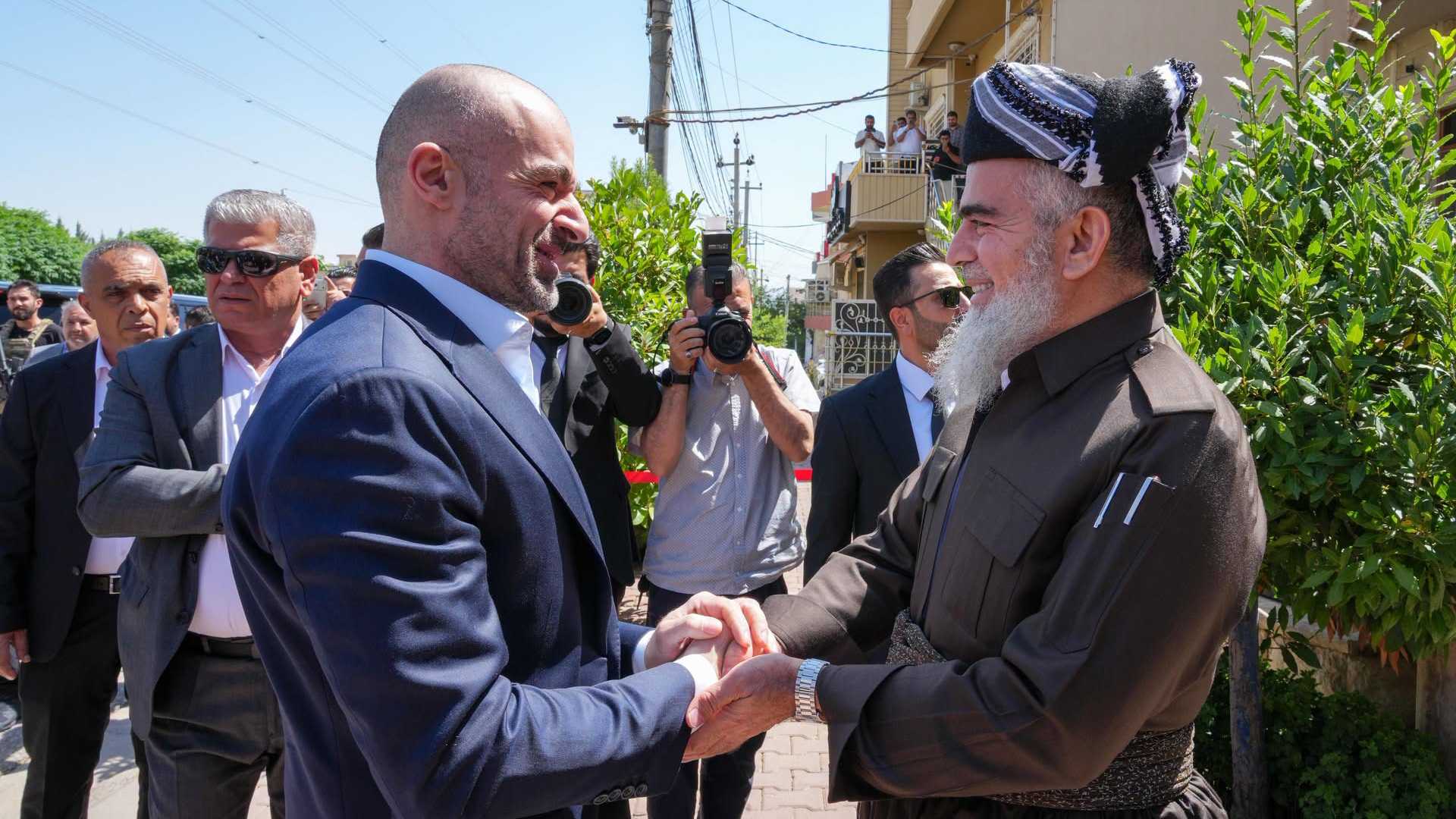
Kurdistan 04:00 PM - 2026-06-24 PUK President, KJG Leader Discuss Unified Efforts to Resolve Outstanding Issues
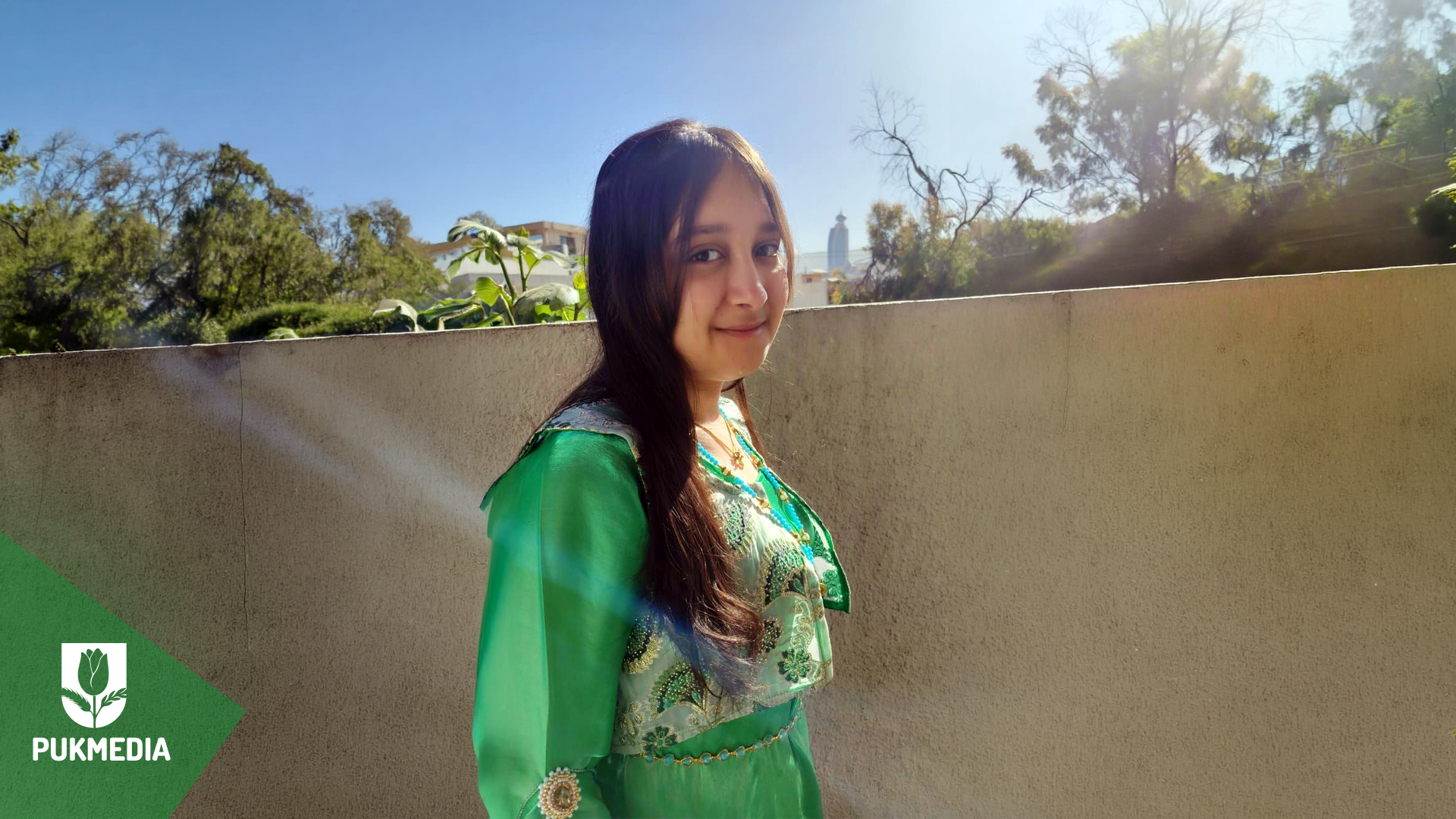
Teen Author and Translator Pursues Multilingual Success
01:24 PM - 2026-06-24
.jpg)
International Day of Women in Diplomacy Celebrated Worldwide
09:27 AM - 2026-06-24
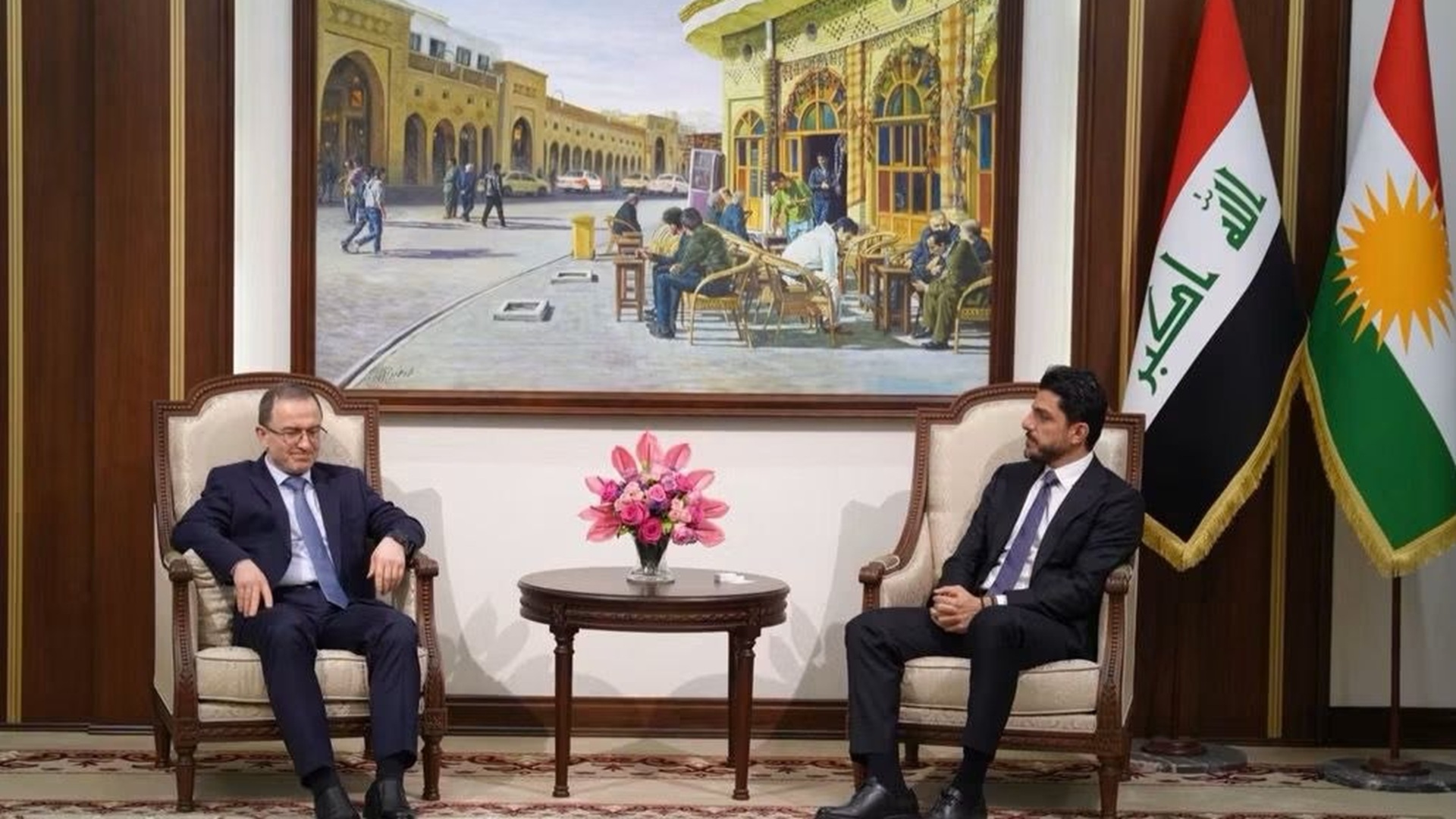
Darbaz Kosrat Rasul Receives Russian Ambassador for Talks on Political Developments
10:36 PM - 2026-06-23
.jpg)
Qubad Talabani: Baghdad and Erbil Must Work Together to Strengthen Iraq’s Economy
05:13 PM - 2026-06-23
Most read
-
Iraq Increases Kirkuk Oil Exports to 7 Million Barrels a Month, Says SOMO
Iraq 03:37 PM - 2026-06-23 -
Hero Khan: Fighter, Diplomat, Witness
Opinions 09:51 AM - 2026-06-24 -
Qubad Talabani: Baghdad and Erbil Must Work Together to Strengthen Iraq’s Economy
Kurdistan 05:13 PM - 2026-06-23 -
Qubad Talabani Discusses Tourism Development Strategy in Meeting with Tourism Board
Kurdistan 06:27 PM - 2026-06-23 -
Darbaz Kosrat Rasul Receives Russian Ambassador for Talks on Political Developments
P.U.K 10:36 PM - 2026-06-23 -
Trump Claims Iran Agreed to Nuclear Inspections, Tehran Rejects Assertion
World 03:56 PM - 2026-06-23 -
Teen Author and Translator Pursues Multilingual Success
Kurdistan 01:24 PM - 2026-06-24 -
Oil Prices Fall for Third Straight Day as Hormuz Shipping Recovers
News 10:50 AM - 2026-06-24
The News in your pocket
Download
 Application