

Bangladesh’s First Female Prime Minister Khaleda Zia Dies Aged 80
World 10:20 AM - 2025-12-30.jpg) Reuters
Reuters
Bangladesh’s first female prime minister, Khaleda Zia.
Bangladesh’s first female prime minister, Khaleda Zia, has died at the age of 80 after a prolonged illness, her party has confirmed.
Zia, a towering figure in Bangladeshi politics for more than three decades, passed away early on Tuesday at Evercare Hospital in Dhaka, where she had been receiving treatment. Doctors had said on Monday that her condition was “extremely critical” and that she had been placed on life support, though her advanced age and deteriorating health limited treatment options.
“Our favourite leader is no longer with us. She left us at 6am this morning,” the Bangladesh Nationalist Party (BNP) said in a statement on social media.
Zia became Bangladesh’s first female head of government in 1991, leading the BNP to victory in the country’s first democratic election in two decades following years of military rule. Her rise marked a defining moment in the nation’s political history.
Bangladesh’s politics for decades were dominated by a fierce rivalry between Zia and her long-time opponent Sheikh Hasina, with the two women alternating between government and opposition and shaping the country’s political landscape.
Zia first entered public life as the wife of former president Ziaur Rahman. After his assassination in a military coup in 1981, she entered politics and eventually rose to lead the BNP. Known for her uncompromising stance, she gained prominence in the 1980s by refusing to participate in elections held under military ruler General Hussain Muhammad Ershad.
Her first term as prime minister was widely praised for restoring parliamentary democracy through constitutional reform and advancing women’s education and social development. However, later terms were more controversial. A brief second term in 1996 drew criticism over a disputed election, while her government from 2001 to 2006 faced allegations of corruption.
Over the past 16 years, during the rule of the Awami League, Zia became the most prominent symbol of opposition to what critics described as increasingly authoritarian governance. She boycotted the 2014 election after the abolition of the caretaker government system and was later jailed on corruption charges, which she denied, insisting they were politically motivated.
Zia was released last year following mass protests that led to the removal of Sheikh Hasina and her subsequent exile. Despite her frail health, the BNP had said Zia planned to contest general elections expected in February.
Zia had spent the past month in hospital being treated for kidney failure, heart disease and pneumonia. Crowds gathered outside the hospital following news of her death, prompting a heavy police presence.
Tributes poured in from across the region. Bangladesh’s interim leader Muhammad Yunus described Zia as a “symbol of the democratic movement”, while Indian Prime Minister Narendra Modi said he was “deeply saddened” by her passing and praised her contribution to Bangladesh’s development and regional relations.
Zia is survived by her son Tarique Rahman, who recently returned to Bangladesh after 17 years in exile and is widely expected to lead the BNP as it seeks a return to power.
Despite her long absence from public life due to ill health, Khaleda Zia remained a defining figure in Bangladesh’s democratic struggle until the end.
Source: BBC
PUKMEDIA
More news
-
Kazakh President Calls for Freeze of Ukraine War
10:35 PM - 2026-07-25 -
Iraq Seeks Alternative Export Routes as Strait of Hormuz Crisis Continues
07:58 PM - 2026-07-25 -
Indian Education Minister Quits Following Youth-Led Protests
05:46 PM - 2026-07-25 -
At Least 35 Killed After Two Buses Collide in Central Syria
05:00 PM - 2026-07-25
see more
.jpg)
World 10:40 PM - 2026-07-25 Iran Says Ukrainian Strike on Commercial Vessel in Caspian Sea Kills Sailor
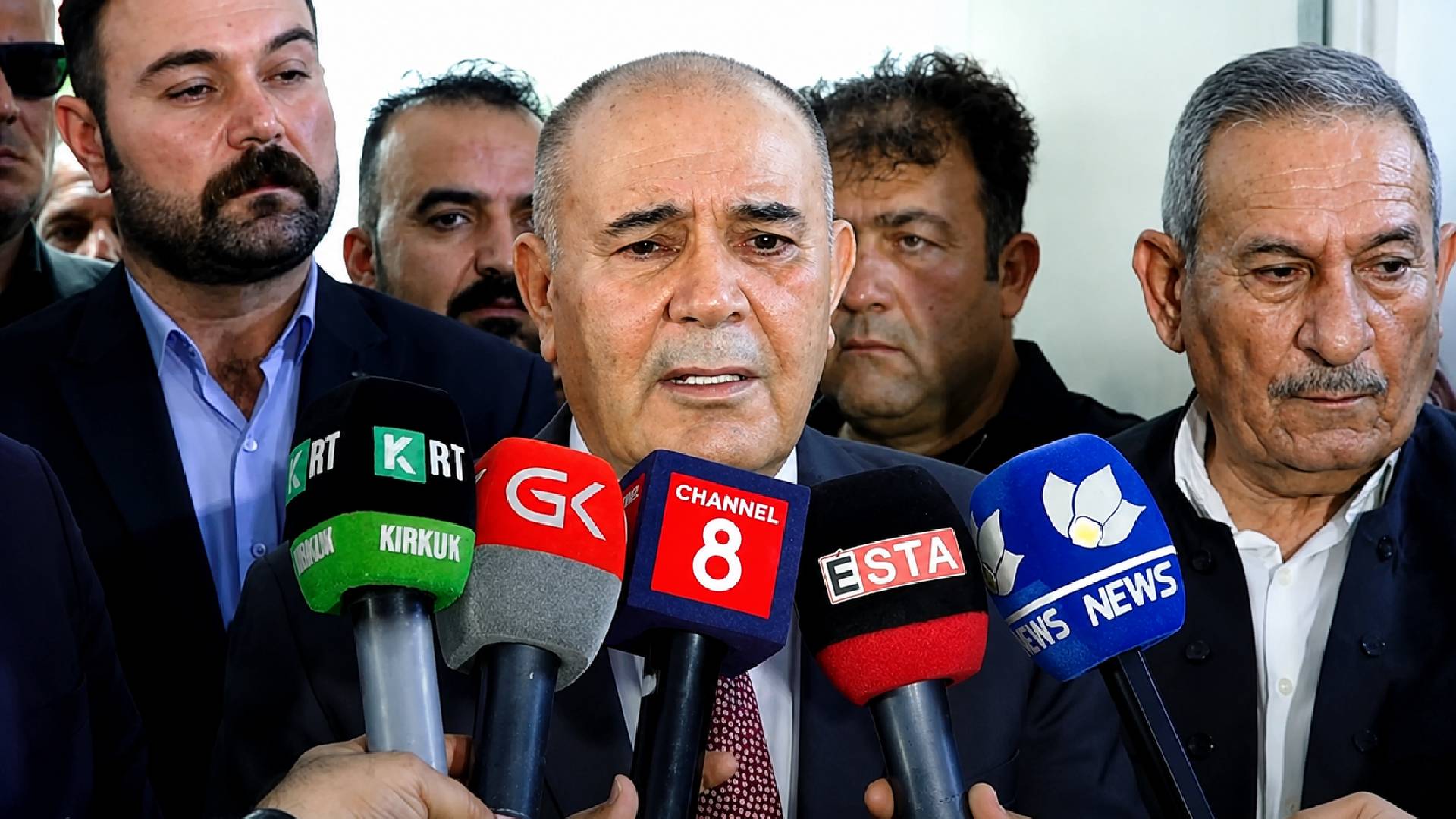
Pire: Inclusive KRG Cannot Be Formed Without the PUK
04:52 PM - 2026-07-25
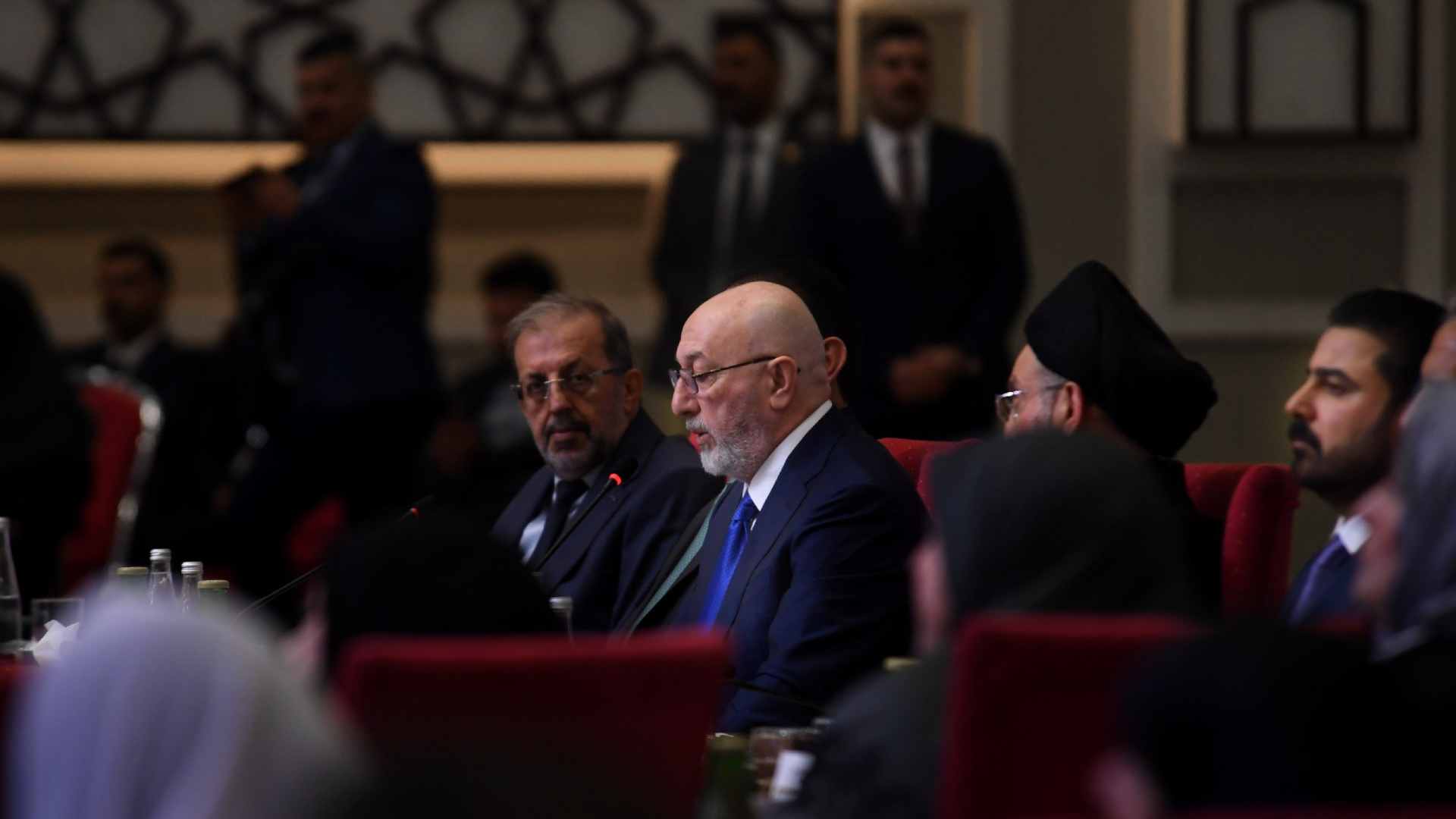
Iraqi President Urges Inclusion of Women in Top Cabinet Roles
12:36 PM - 2026-07-25
.jpg)
UN Secretary-General Arrives in Syria in First Visit Since Before Civil War
09:40 AM - 2026-07-25
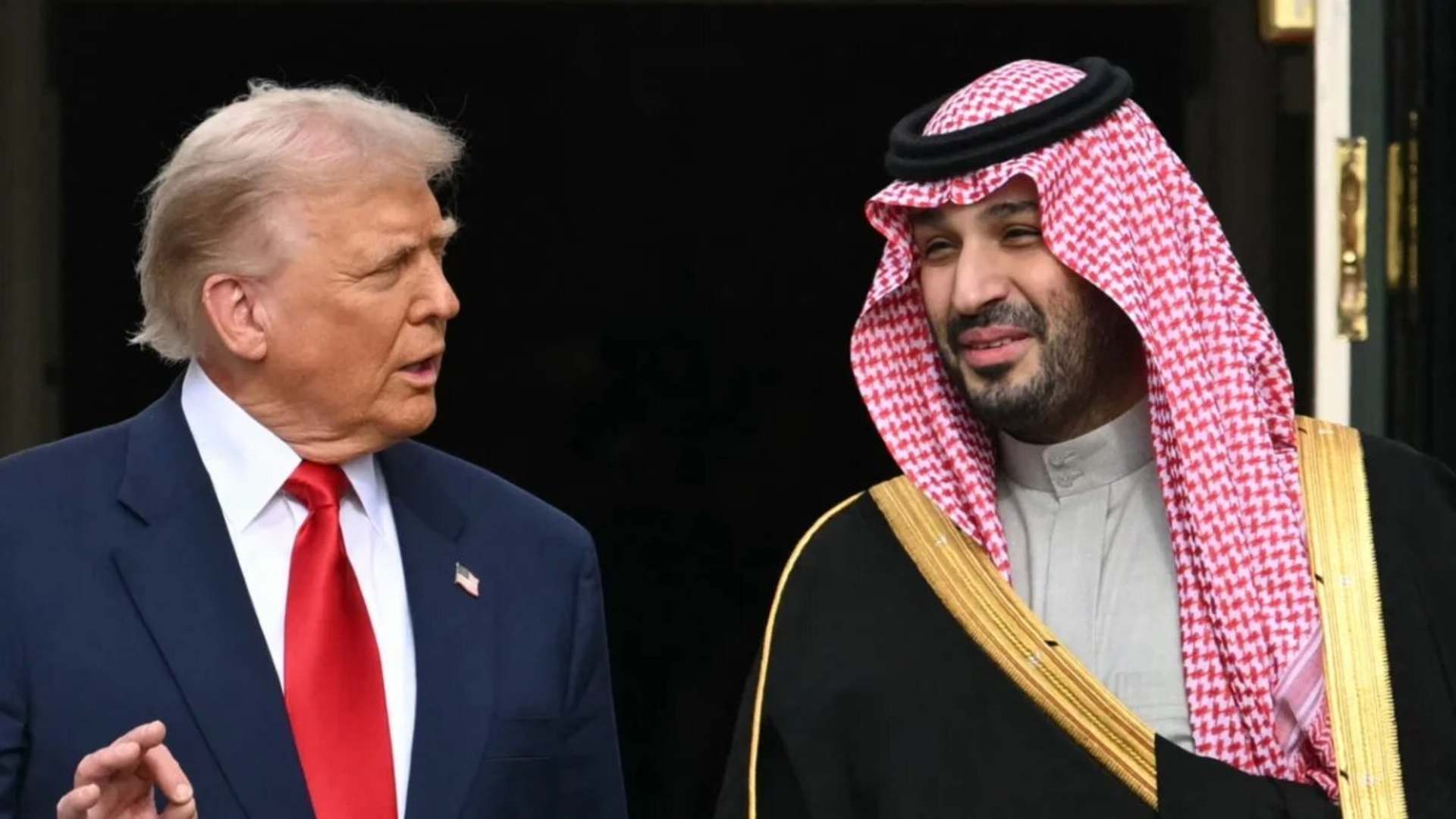
U.S. President Rules Out Saudi Civil Nuclear Deal Without Israel Normalisation
09:20 AM - 2026-07-25
Most read
-
UN Secretary-General Arrives in Syria in First Visit Since Before Civil War
World 09:40 AM - 2026-07-25 -
Romanian F-16s Down Second Drone Near Ukraine Border
World 01:33 PM - 2026-07-25 -
Italy's Defence Minister Offers Adviser Post to Ousted Ukrainian Counterpart
World 10:53 AM - 2026-07-25 -
Zelenskiy Says U.S. and Ukraine Advancing Joint Drone Production
World 10:15 AM - 2026-07-25 -
Pire: Inclusive KRG Cannot Be Formed Without the PUK
P.U.K 04:52 PM - 2026-07-25 -
Iraqi President Urges Inclusion of Women in Top Cabinet Roles
Iraq 12:36 PM - 2026-07-25 -
At Least 35 Killed After Two Buses Collide in Central Syria
World 05:00 PM - 2026-07-25 -
Iraq Seeks Alternative Export Routes as Strait of Hormuz Crisis Continues
Iraq 07:58 PM - 2026-07-25
The News in your pocket
Download
 Application