

Remembering 14 July Revolution That Ended Iraq's Monarchy
Iraq 11:11 AM - 2026-07-14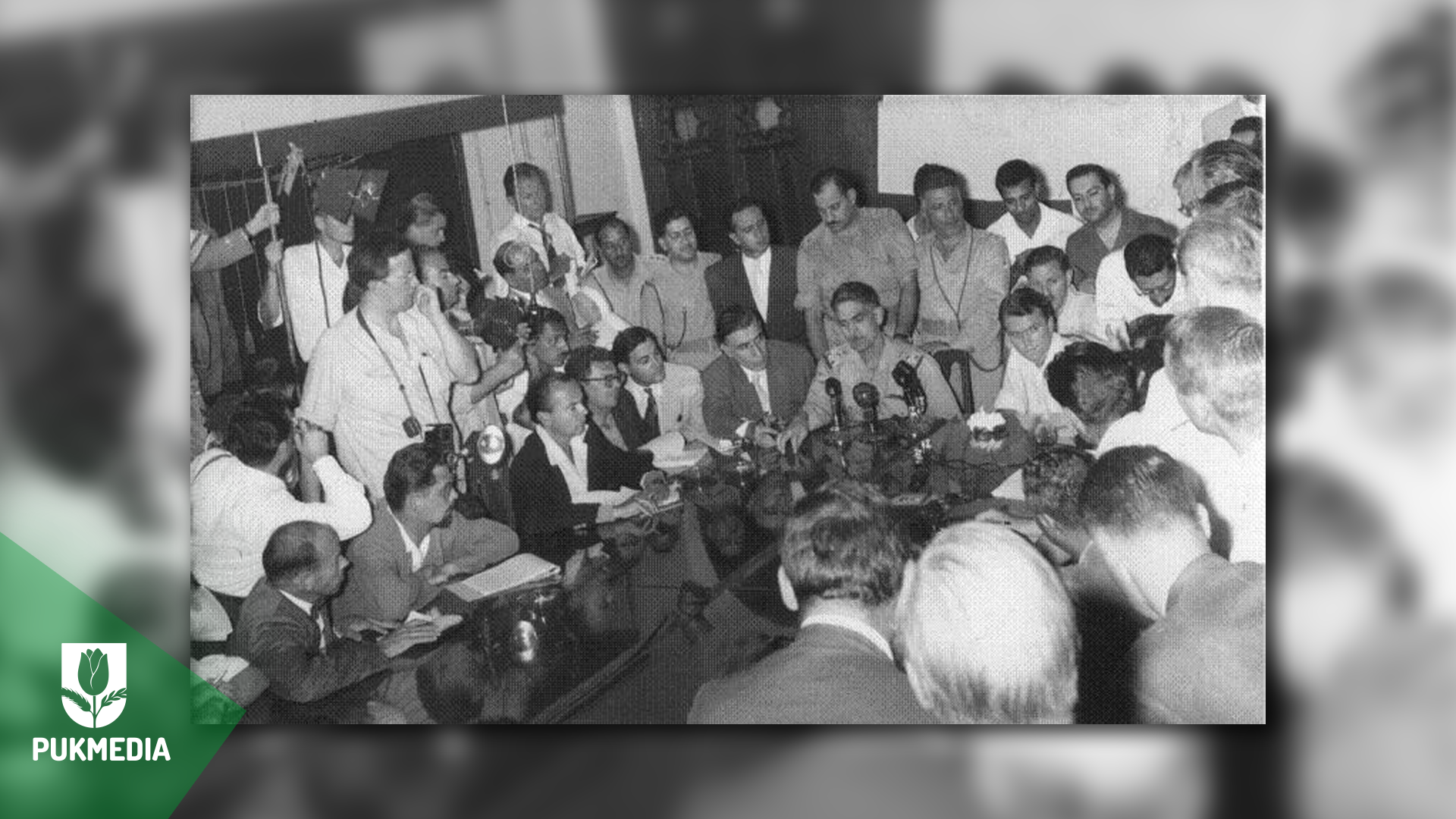 PUKMEDIA
Today, 14 July 2026, marks the 68th anniversary of the 14 July Revolution.
Today, 14 July 2026, marks the 68th anniversary of the 14 July Revolution, the landmark event that brought an end to Iraq's monarchy and established the republic.
On the morning of 14 July 1958, Iraq's system of government was transformed from a monarchy into a republic, in what is widely regarded as one of the most significant turning points in the country's modern history.
From the establishment of the Iraqi state until the 1958 revolution, growing public dissatisfaction with the monarchy fuelled political activism. Many Iraqis joined political parties and organisations in pursuit of constitutional and political change.
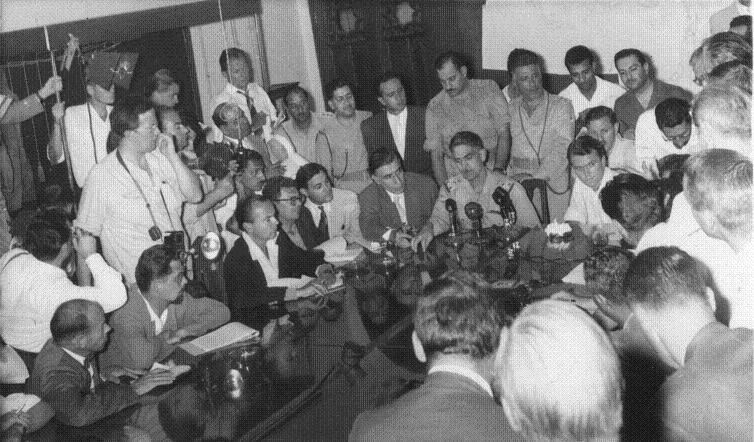
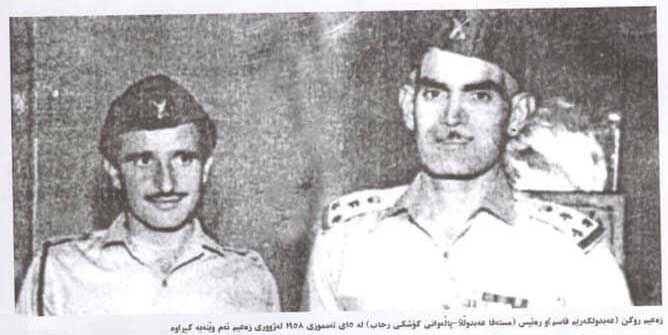
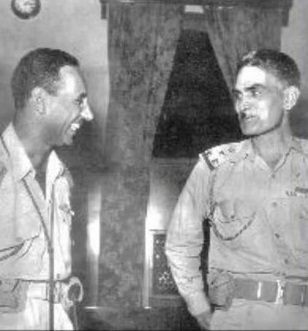
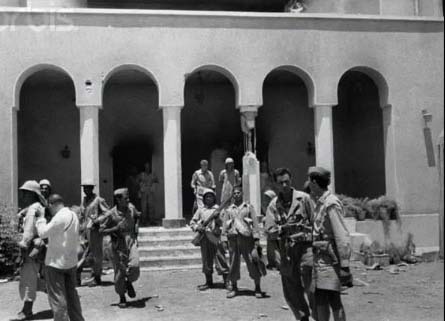
Within the armed forces, a group of officers secretly established the Free Officers Organisation under the leadership of Abdul Karim Qasim. On 14 July 1958, the organisation launched its operation by seizing key locations in Baghdad, including Al-Rihab and Al-Zuhoor Palaces, ultimately bringing the monarchy to an end and proclaiming the Republic of Iraq.
Abdul Karim Qasim was supported by a number of Kurdish army officers, including Mustafa Abdullah, widely known as Rais Mustafa Abdullah, who played a prominent role during the operation at Al-Rihab Palace.
In an interview before his death, Rais Mustafa Abdullah reflected on the events leading up to the revolution. He explained that following the end of the First World War, Britain oversaw the creation of the Iraqi state, installing a Hashemite monarchy despite Iraq. After the suppression of Sheikh Mahmud Barzanji's uprising and the British occupation of Sulaymaniyah, Southern Kurdistan was incorporated into the Iraqi state.
He noted that the monarchy remained in power for decades. During the Second World War, Iraq, under strong British influence, aligned itself with Britain. The 1941 Rashid Ali al-Gaylani uprising was swiftly suppressed, followed by the failure of another revolt in Mosul. As King Faisal II was still a child, Prince Abd al-Ilah served as Regent.
Reflecting on the monarchy, Rais Mustafa Abdullah observed that 59 governments were formed during its 38-year rule. Although he acknowledged that some viewed the period as repressive, he argued that governments were often forced to resign in response to public pressure, with comparatively less political violence than in later periods.
Formation of the Free Officers Organisation
Rais Mustafa Abdullah said widespread dissatisfaction with the political system encouraged the emergence of various political movements and organisations, including within the Iraqi armed forces. The most influential of these was the Free Officers Organisation, modelled on similar movements elsewhere in the Arab world.
He also recalled that Jaafar al-Askari, Nuri al-Said and other political figures met with the then British Prime Minister Winston Churchill, who told them that Britain will not oversee Iraq directly and that they will appoint Faisal as King of Iraq, while this group will run the country, after which they formed a so-called national government. Abdulrahman al-Naqib was appointed the country's first Prime Minister.
According to Rais Mustafa Abdullah, however, British influence remained dominant through the British ambassador, advisers and officials, prompting repeated protests from Iraqis opposed to foreign control.
He added that when Faisal was made King of Iraq, Jaafar al-Askari was appointed Minister of Defence and Nuri al-Said became Chief of Staff of the Iraqi Army. Thereafter, Nuri al-Said repeatedly served as Prime Minister, Foreign Minister and Minister of Defence.
Rais Mustafa Abdullah also said that when the Second World War broke out in 1939, Britain wanted Iraq to support them in the war effort by providing troops and allowing the use of its airfields, with the financial burden largely borne by Iraq itself. He noted that in 1952, widespread demonstrations involving people from all sections of society erupted across the country and protesters drove the police from the streets, and Baghdad was gripped by unrest as crowds demanded an end to the monarchy."
He added that Major General Mohieddin Abdul Hamid was elected chairman of the officers' committee, while a Kurdish officer was chosen to lead the Free Officers committee in Baghdad. Abdul Karim Qasim later assumed leadership of the organisation, and, according to Abdullah, maintained close relations with Kurdish officers.
Kurdish Officers and the 14 July Revolution
Rais Mustafa Abdullah stressed that the history of the 14 July Revolution is closely connected to the role played by Kurdish officers.
He argued that many of the the revolution's leading figures were Kurdish officers serving within the Free Officers Organisation. While their objective was to achieve the organisation's political goals, Kurdistan was then part of Iraq, making the revolution and its consequences significant for Kurdish history as well.
Recalling the events of 14 July 1958, he said Colonel Hussein Ali Obaidi arrived during the operation but remained in his room, while Colonel Adel Jalal appealed for restraint to prevent unnecessary bloodshed.
According to Rais Mustafa Abdullah, Adel Jalal addressed the gathered crowds, declaring:
"This is a people's revolution. It has been carried out by the soldiers and by the poor. Do not shoot."
The demonstrators responded by calling for an end to violence, viewing the revolution as belonging to all Iraqis, he said.
He added that, despite his role during the revolution, Colonel Adel Jalal was later appointed district director of Zakho by Abdul Salam Arif while serving as a regimental commander.
PUKMEDIA
More news
-
Oil Climbs to One-Month High as U.S. and Iran Intensify Attacks in the Strait of Hormuz
09:05 AM - 2026-07-14 -
Ukraine to Manufacture French Missiles and Order Warplanes, Macron Says
11:22 PM - 2026-07-13 -
Wildfire Erupts Near Paris as Heatwave Sweeps Across Europe
10:13 PM - 2026-07-13 -
Trump Says U.S. Has Reinstated Blockade on Iranian Shipping in Hormuz
09:05 PM - 2026-07-13
see more
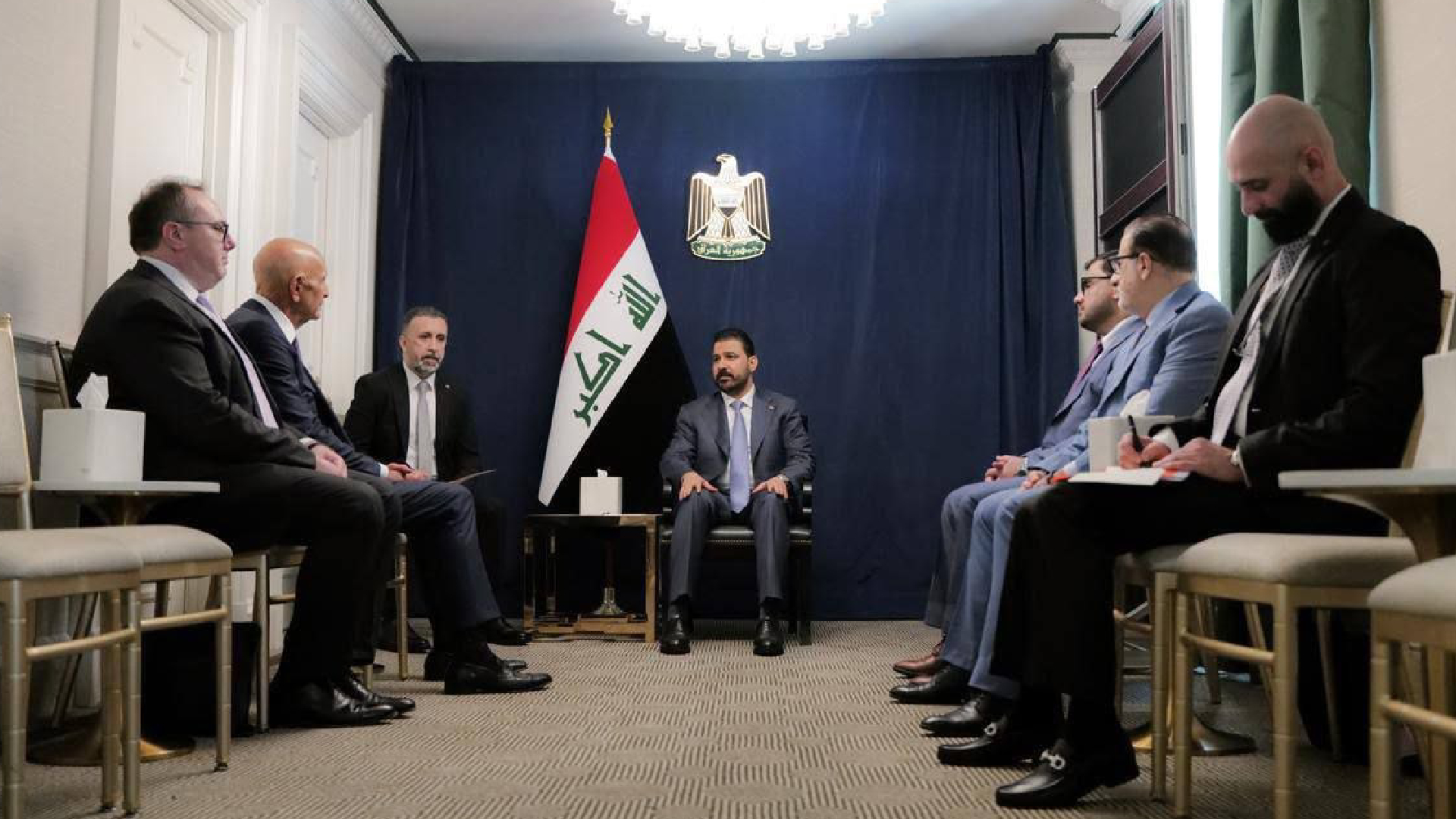
Iraqi PM Discussed Bilateral Cooperation and Regional Stability with U.S. Special Envoy in Washington
10:01 AM - 2026-07-14
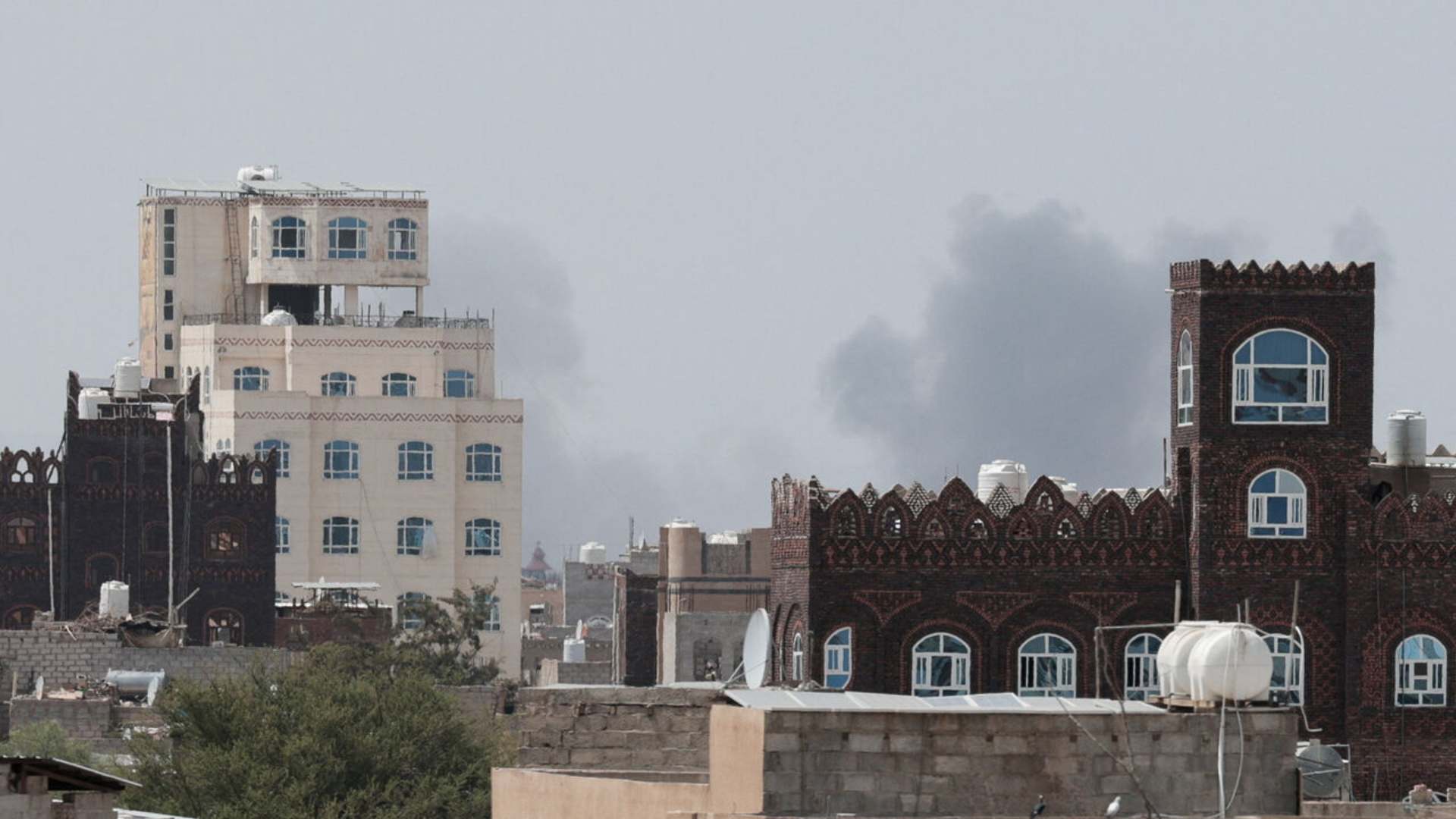
Houthis Launch Missile Attacks on Saudi Arabia After Years of Calm
09:45 AM - 2026-07-14
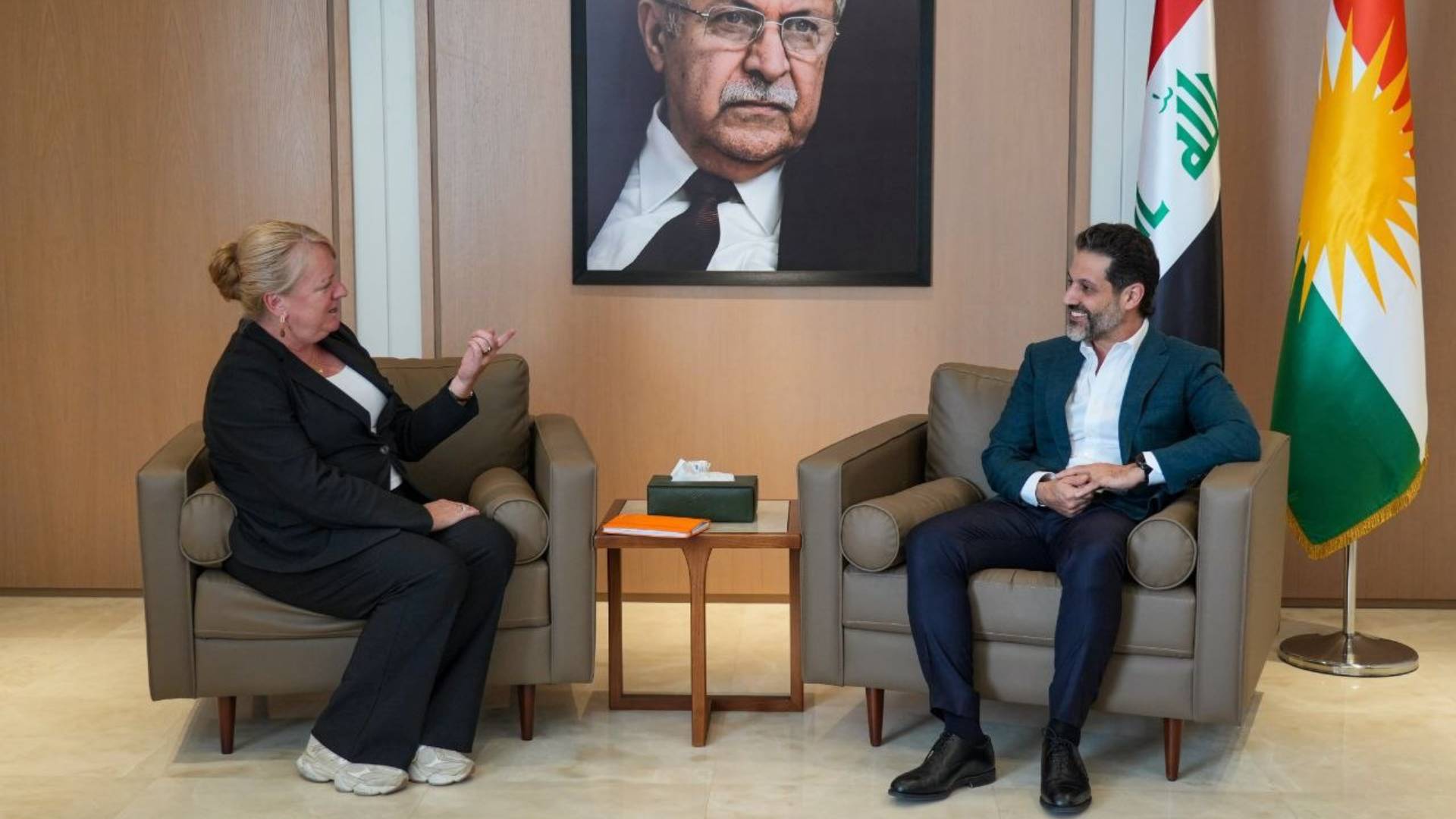
Qubad Talabani Meets Dutch Ambassador to Iraq on Conclusion of Her Mission
07:36 PM - 2026-07-13
.jpg)
Qubad Talabani Applauds Women's Union's Drive to Modernise
05:05 PM - 2026-07-13
Most read
-
Iraqi Prime Minister Ali al-Zaidi Heads to US on High-Level Official Visit
Iraq 10:15 AM - 2026-07-13 -
Renewed US-Iran Attacks Deepen Fears of Regional Escalation
World 11:05 AM - 2026-07-13 -
Oil prices surge 5% as tensions escalate between Tehran and Washington
News 10:38 AM - 2026-07-13 -
Qubad Talabani Meets Dutch Ambassador to Iraq on Conclusion of Her Mission
Kurdistan 07:36 PM - 2026-07-13 -
Nineveh Integrity Court Orders Seizure of Commercial Properties and Mills Linked to Corruption Case
Iraq 03:42 PM - 2026-07-13 -
Jurassic Park Star Sam Neill Dies Aged 78
World 12:47 PM - 2026-07-13 -
Trump Says U.S. Has Reinstated Blockade on Iranian Shipping in Hormuz
World 09:05 PM - 2026-07-13 -
PUKMEDIA Releases Weekly Digital Newsletter – Issue 182
Kurdistan 09:29 AM - 2026-07-13
The News in your pocket
Download
 Application