

Over 10,000 Naturalisation Applications Submitted by Kurdish Citizens in Syria
Kurdistan 12:04 PM - 2026-05-23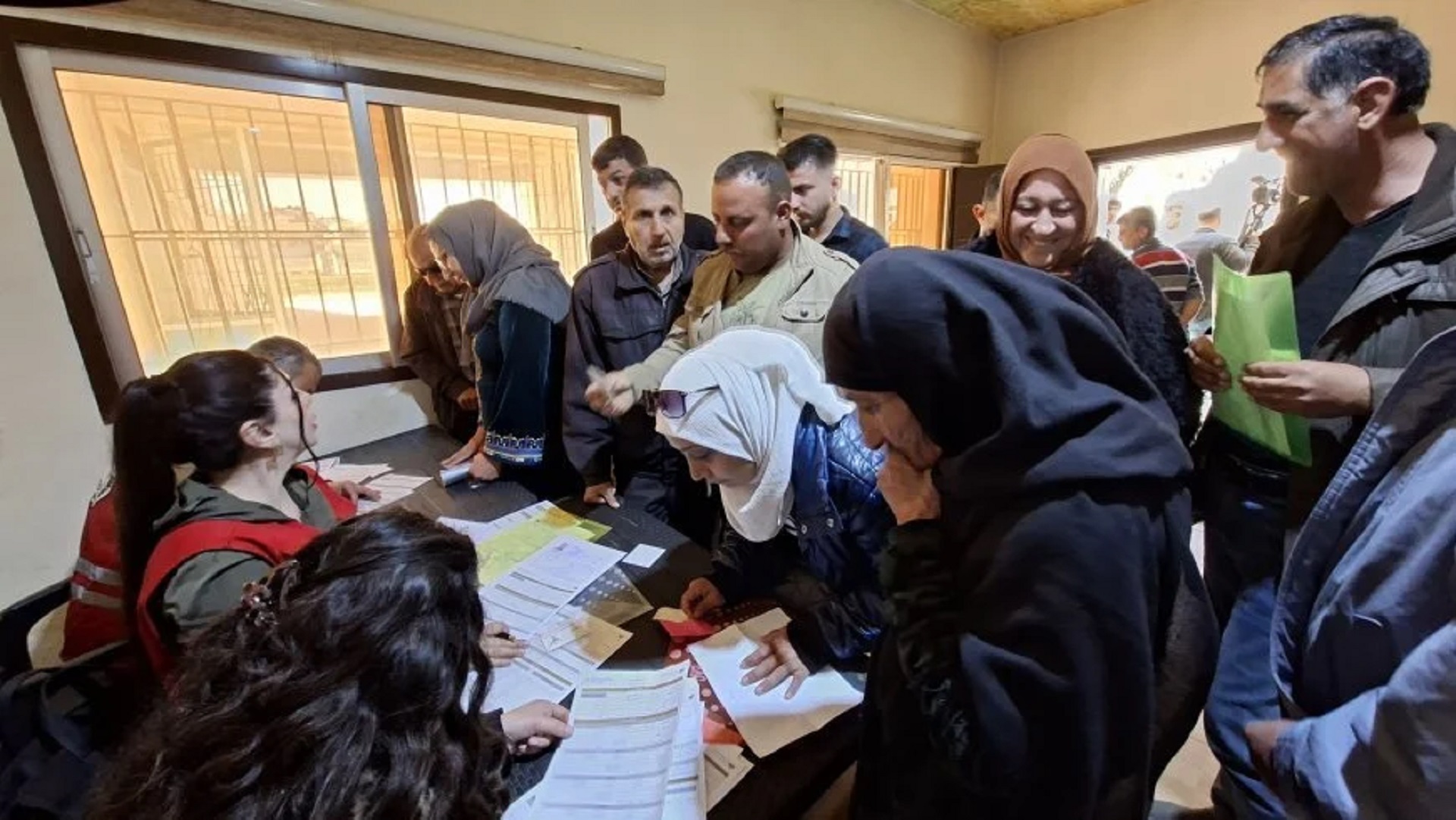 ANHA
ANHA
Kurdish families in Syria registering for citizenship.
The Ministry of Interior of the Syrian Interim Government has announced that committees responsible for receiving naturalisation applications from Kurdish citizens covered by Decree No. 13 of 2026 have so far received 2,892 family applications, representing a total of 10,516 individuals across several Syrian governorates.
According to a statement published on the ministry’s official website, Al-Hasakah Governorate recorded the highest number of applications with 2,772 submissions, followed by Aleppo Governorate with 75 applications and Damascus with 32. The remaining applications were distributed across Raqqa Governorate and Deir ez-Zor Governorate.
The move comes as part of efforts to implement the provisions of Decree No. 13 of 2026, which concerns the regularisation of the legal status of Kurdish citizens who had previously been stripped of Syrian nationality.
Syrian President Ahmed al-Sharaa issued Decree No. 13 on 16 January 2026 regarding Kurdish citizens in Syria, guaranteeing their cultural and educational rights without addressing political issues.
Article 4 of the decree states that “all exceptional laws and measures resulting from the 1962 census in Al-Hasakah Governorate shall be repealed, and Syrian citizenship shall be granted to all citizens of Kurdish origin residing on Syrian territory, including those whose registration is incomplete, with full equality in rights and duties.”
The 1962 census conducted in Al-Hasakah Governorate stripped more than 120,000 Kurds of their Syrian nationality, creating a major human rights crisis. The policy divided those affected into two categories, both of which faced widespread discrimination and severe deprivation under state measures.
The “Ajanib” (“Foreigners”) group were issued limited identification documents, typically in the form of red identity cards. While recognised as residents of Syria, they were officially classified as foreigners. As a result, they were denied fundamental civil and political rights, including the right to vote, access public sector employment, pursue certain regulated professions, and legally own or inherit agricultural land.
The “Maktoumeen” (“Unregistered”) group were left entirely without official documentation or state recognition. Lacking any legal identity, they were unable to register births, marriages or deaths, rendering their existence effectively unrecorded in official records. This status excluded them from formal education, public healthcare services and lawful participation in the economy, placing them in an especially vulnerable and marginalised position within the state system.
Descendants inherited these statuses, expanding the stateless population to hundreds of thousands over the decades.
PUKMEDIA
More news
-
China Does Not Seek a 'Sphere of Influence' in Relations with Pacific Island Nations, Foreign Minister Says
12:27 PM - 2026-07-14 -
Oil Climbs to One-Month High as U.S. and Iran Intensify Attacks in the Strait of Hormuz
09:05 AM - 2026-07-14 -
Ukraine to Manufacture French Missiles and Order Warplanes, Macron Says
11:22 PM - 2026-07-13 -
Wildfire Erupts Near Paris as Heatwave Sweeps Across Europe
10:13 PM - 2026-07-13
see more
.jpeg)
Kurdistan 02:36 PM - 2026-07-14 Qubad Talabani Reviews Progress on Major Water Project to End Shortages in Chamchamal
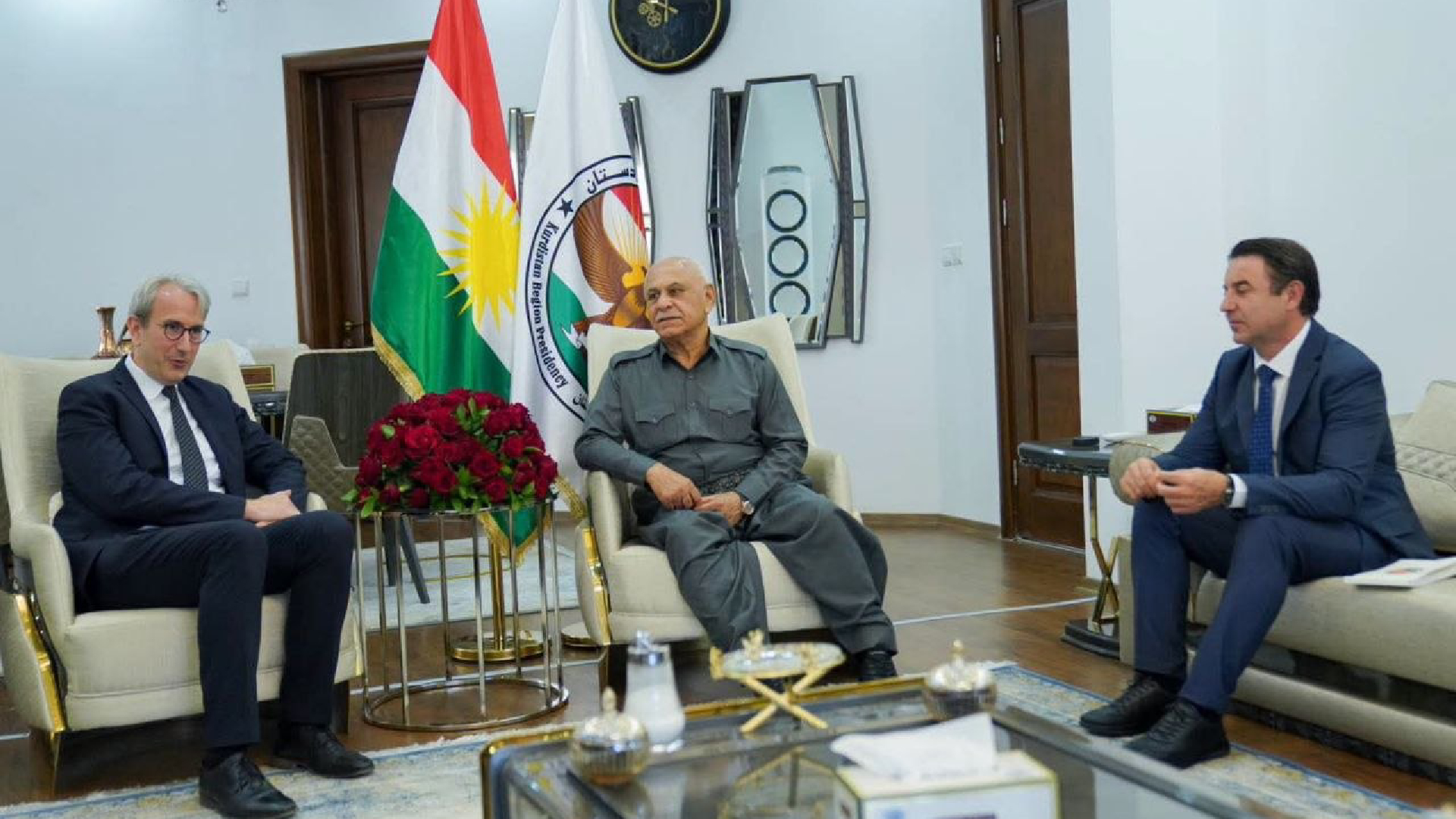
Kurdistan Region VP Commends Germany's Continued Support for Iraq and the Kurdistan Region
01:25 PM - 2026-07-14
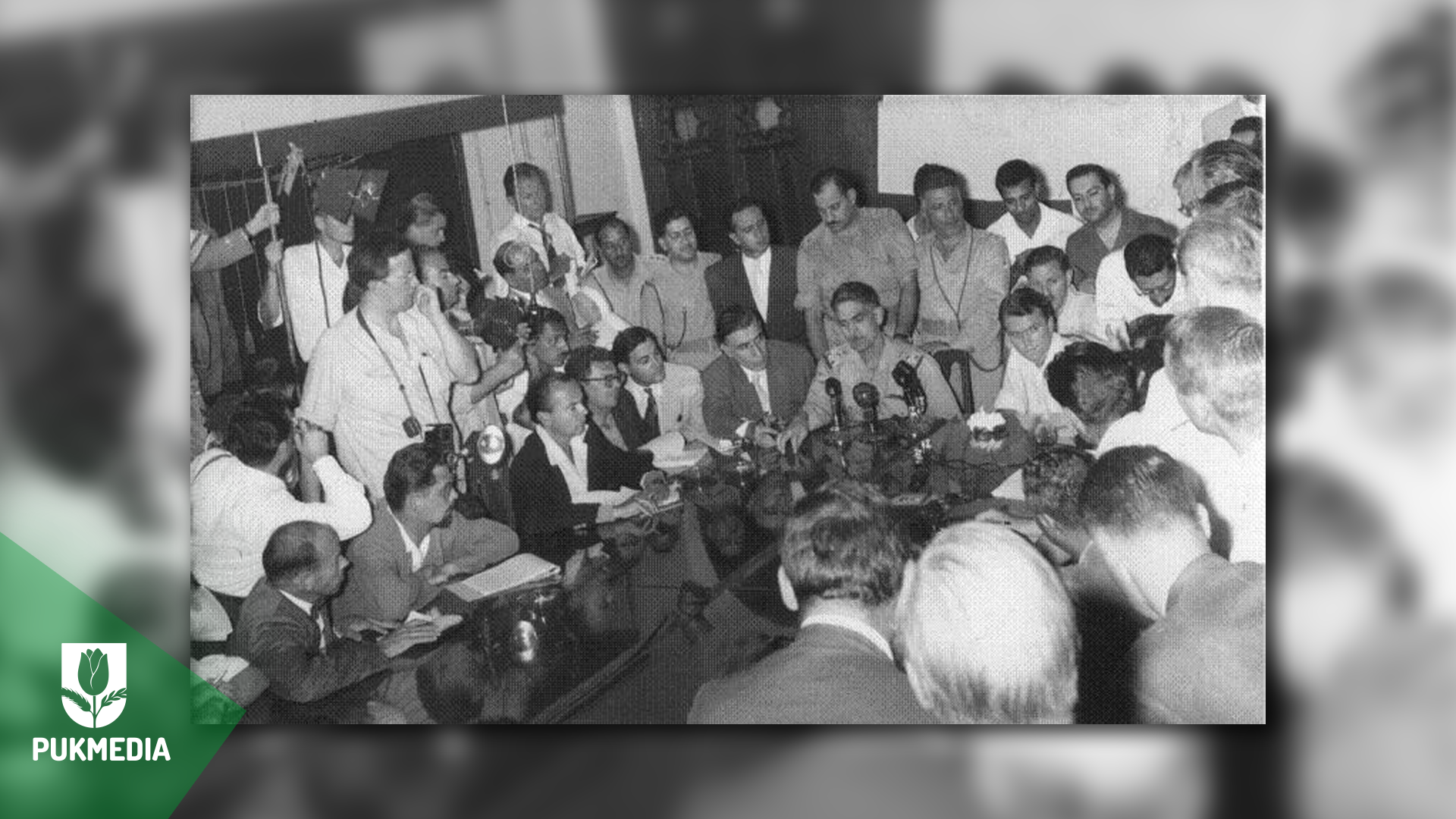
Remembering 14 July Revolution That Ended Iraq's Monarchy
11:11 AM - 2026-07-14
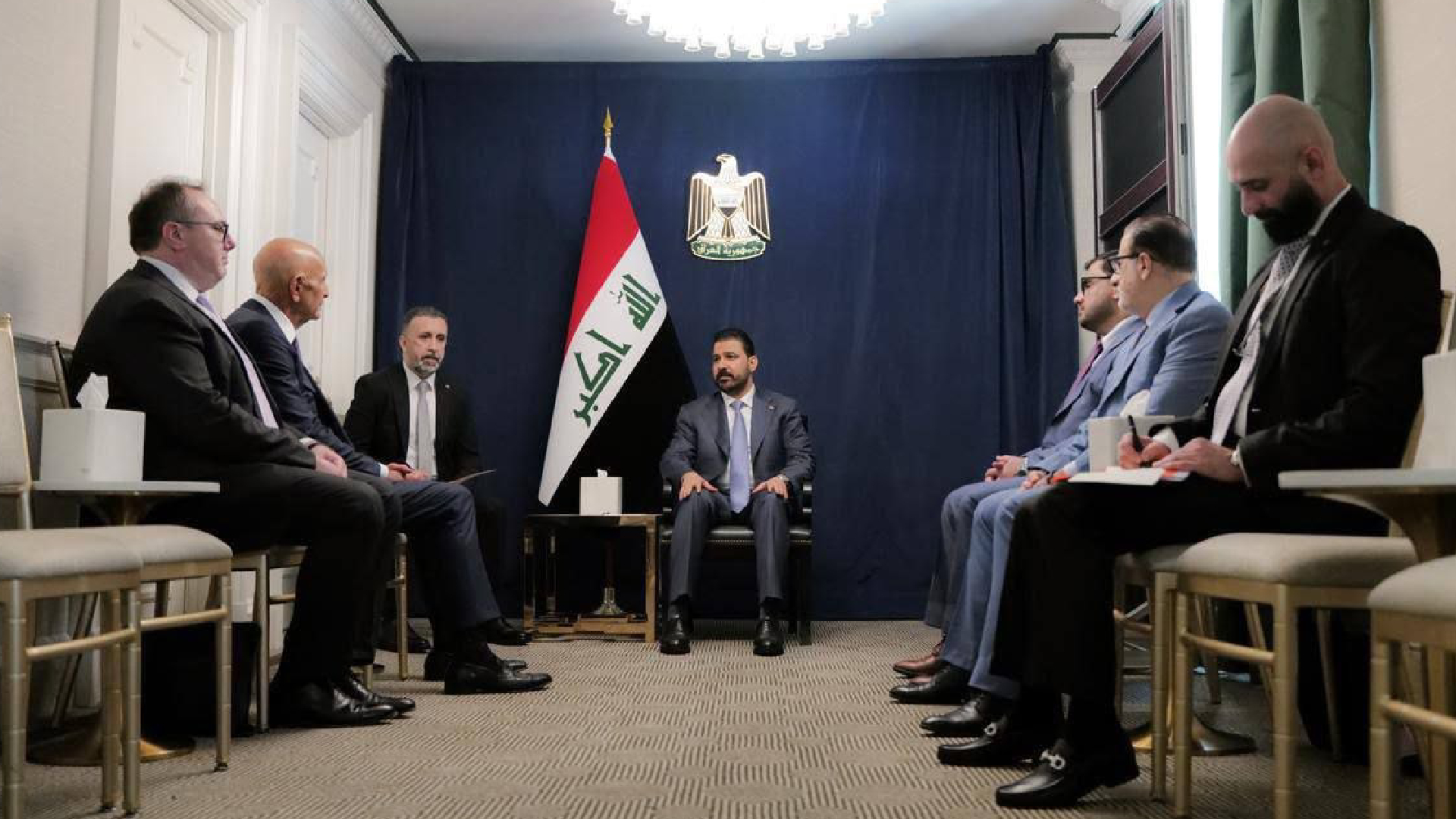
Iraqi PM Discussed Bilateral Cooperation and Regional Stability with U.S. Special Envoy in Washington
10:01 AM - 2026-07-14
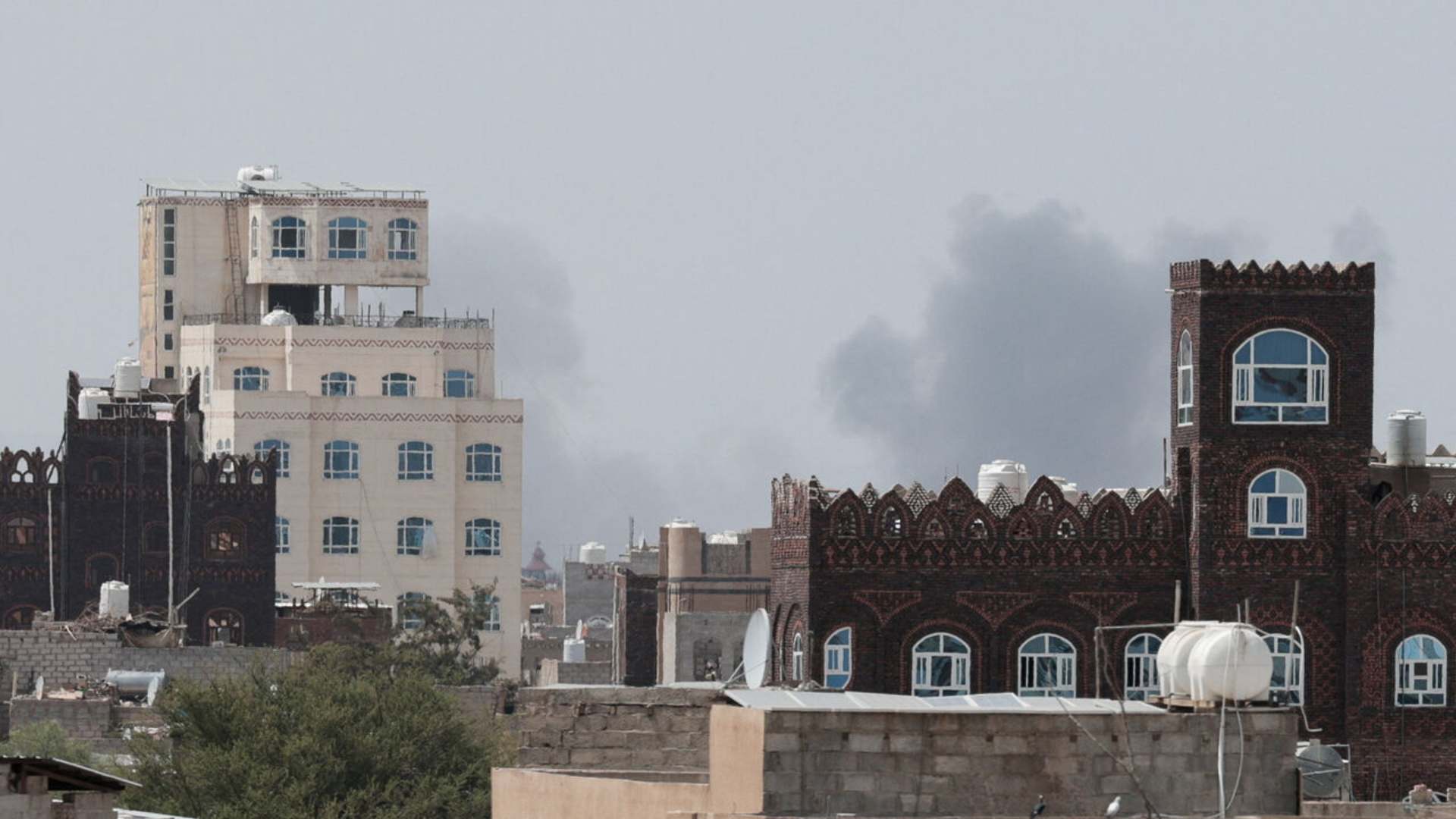
Houthis Launch Missile Attacks on Saudi Arabia After Years of Calm
09:45 AM - 2026-07-14
Most read
-
Qubad Talabani Meets Dutch Ambassador to Iraq on Conclusion of Her Mission
Kurdistan 07:36 PM - 2026-07-13 -
Nineveh Integrity Court Orders Seizure of Commercial Properties and Mills Linked to Corruption Case
Iraq 03:42 PM - 2026-07-13 -
Sheikh Jaafar Sheikh Mustafa Receives Qubad Talabani
Kurdistan 05:36 PM - 2026-07-13 -
Hungary's Parliament Set to Vote on Constitutional Amendment to Oust President
World 02:21 PM - 2026-07-13 -
Trump Says U.S. Has Reinstated Blockade on Iranian Shipping in Hormuz
World 09:05 PM - 2026-07-13 -
Trump Says U.S. Would Probably Control the Strait of Hormuz and Charge for Its Use
World 04:25 PM - 2026-07-13 -
Ukraine to Manufacture French Missiles and Order Warplanes, Macron Says
World 11:22 PM - 2026-07-13 -
Qubad Talabani Applauds Women's Union's Drive to Modernise
Kurdistan 05:05 PM - 2026-07-13
The News in your pocket
Download
 Application