

Iranian President Stresses Diplomacy with U.S. as Ceasefire Nears Expiry
World 02:43 PM - 2026-04-20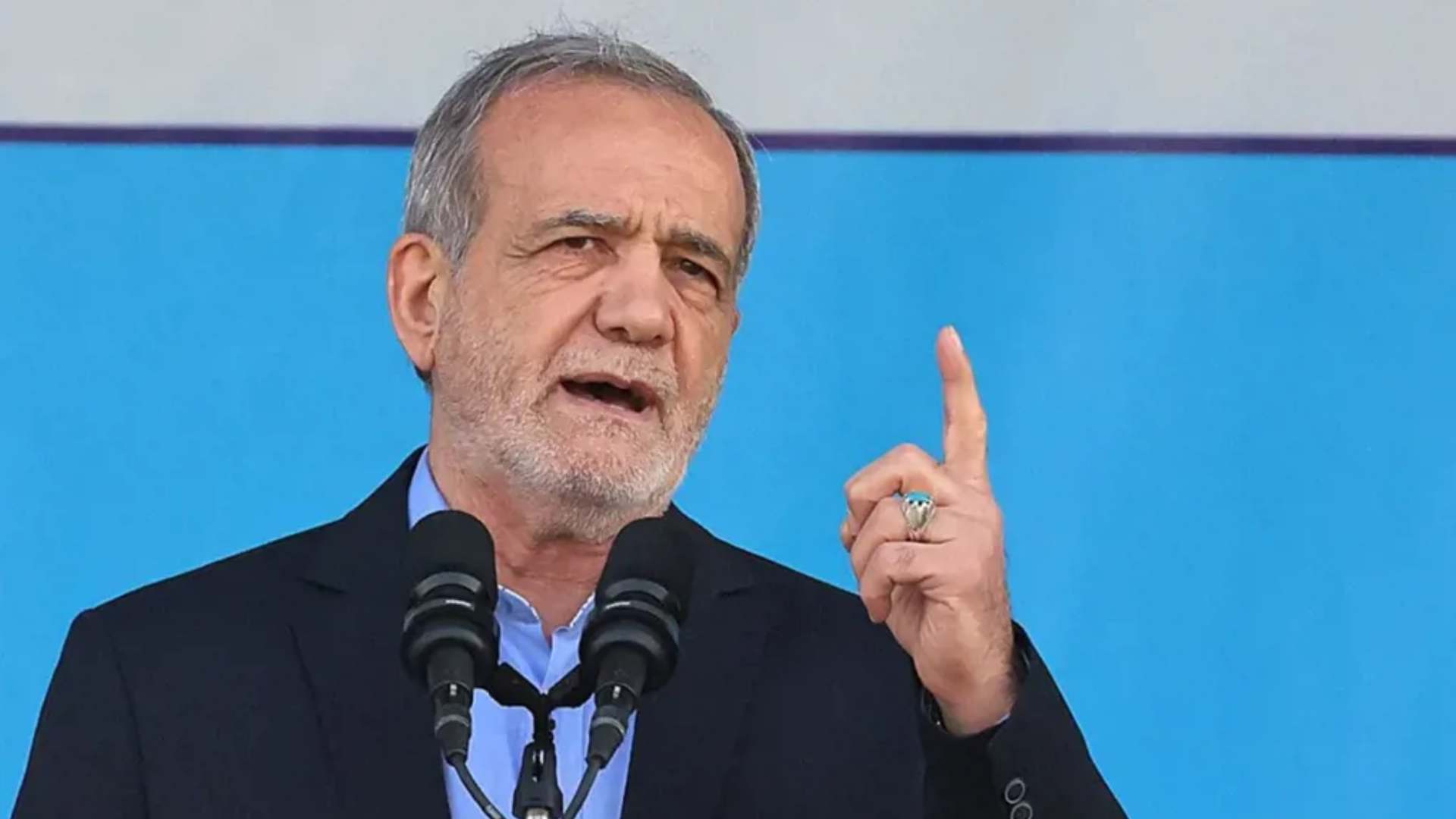 AFP
AFP
Iranian President Masoud Pezeshkian.
Iranian President Masoud Pezeshkian said on Monday that every rational and diplomatic path should be used to reduce tensions with the U.S., but added that vigilance and distrust in interactions with Washington were an "undeniable necessity", according to the state news agency IRNA.
A two-week ceasefire between Iran and the U.S. is set to expire on Wednesday, with U.S. representatives set to reach Islamabad for Iran negotiations on Monday while Tehran has yet to announce whether it will send a delegation to Pakistan.
The U.S. said it had seized an Iranian cargo ship that tried to run its blockade and Tehran vowed to retaliate, refusing for now to join new peace talks.
Iranian Foreign Ministry spokesman Esmaeil Baghaei said Washington has shown it was "not serious" about pursuing the diplomatic process and Tehran would not change its clearly stated demands, adding that it did not believe in deadlines or ultimatums when safeguarding national interests.
The U.S. had hoped to start negotiations in Pakistan shortly before the two-week ceasefire expires, with sweeping security preparations under way in Islamabad, but Baghaei said the U.S. was "insisting on some unreasonable and unrealistic positions".
The adversaries are at loggerheads over the Strait of Hormuz, where Iran tightened control over maritime transit as the U.S. continues to blockade Iranian ports and on Sunday took custody of a vessel trying to get past the American blockade.
Both Iran and the U.S. have accused each other of violating the ceasefire. President Pezeshkian said the U.S. blockade showed that Washington was moving toward "repeating previous patterns and betraying diplomacy", according to state TV.
The U.S. has maintained a blockade of Iranian ports, while Iran has lifted and then reimposed its own blockade on marine traffic passing through the Strait of Hormuz, which typically handles roughly one-fifth of the world's oil and liquefied gas supply.
Oil prices rose more than 6% and stock markets wobbled as traders fretted that the ceasefire would collapse and traffic in and out of the Gulf would remain at a bare minimum.
The U.S. military said it had fired on an Iranian-flagged cargo ship headed towards Iran's Bandar Abbas port on Sunday after a six-hour standoff, disabling its engines. U.S. Central Command released video showing Marines descending ropes from helicopters onto the vessel.
Tehran refused new peace talks for now, citing the ongoing blockade, threatening rhetoric, and Washington's shifting positions and "excessive demands".
"One cannot restrict Iran's oil exports while expecting free security for others," First Vice President Mohammadreza Aref wrote on social media. "The choice is clear: either a free oil market for all, or the risk of significant costs for everyone."
U.S. President Donald Trump earlier warned that the U.S. would destroy every bridge and power plant in Iran if it rejected his terms, continuing a recent pattern of such threats.
Iran has said that if the United States were to attack its civilian infrastructure, it would strike power stations and desalination plants in its Gulf Arab neighbours.
President Trump said his envoys would arrive in Islamabad on Monday evening, one day before the two-week ceasefire ends.
Iran's parliament speaker, Mohammad Baqer Qalibaf, who has led Iran's side in the talks, said on Saturday the two sides had made progress but were still far apart on nuclear issues and the Strait.
Source: Reuters
PUKMEDIA
More news
-
Kurdistan Region VP Attends French National Day Celebration
10:43 PM - 2026-07-14 -
President Amedi: Jalal Talabani’s Legacy Will Continue to Inspire Future Generations
10:17 PM - 2026-07-14 -
China Does Not Seek a 'Sphere of Influence' in Relations with Pacific Island Nations, Foreign Minister Says
12:27 PM - 2026-07-14 -
Oil Climbs to One-Month High as U.S. and Iran Intensify Attacks in the Strait of Hormuz
09:05 AM - 2026-07-14
see more
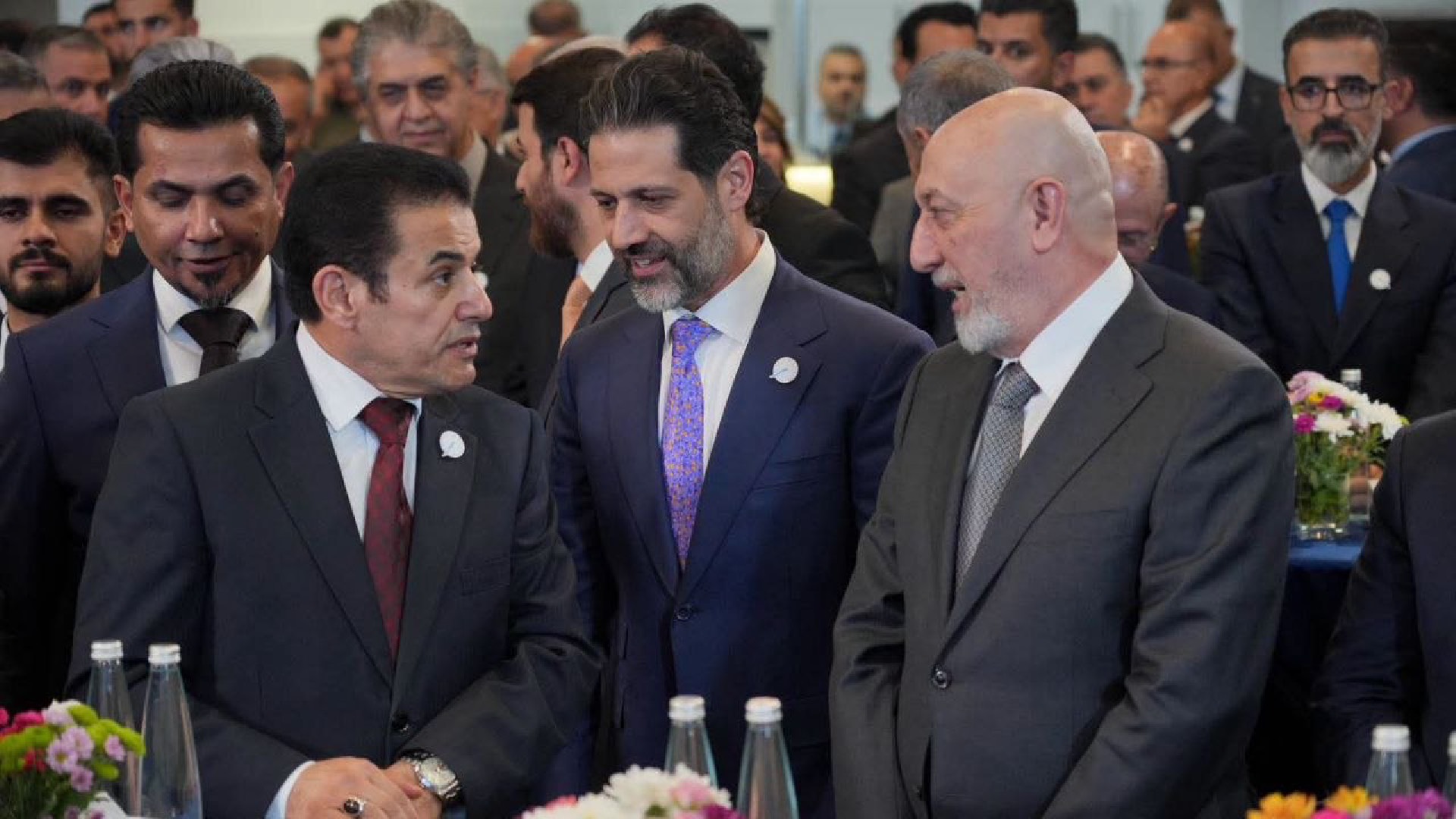
Kurdistan 10:28 PM - 2026-07-14 Qubad Talabani Welcomes Renaming of Sulaymaniyah Airport in Honour of Mam Jalal
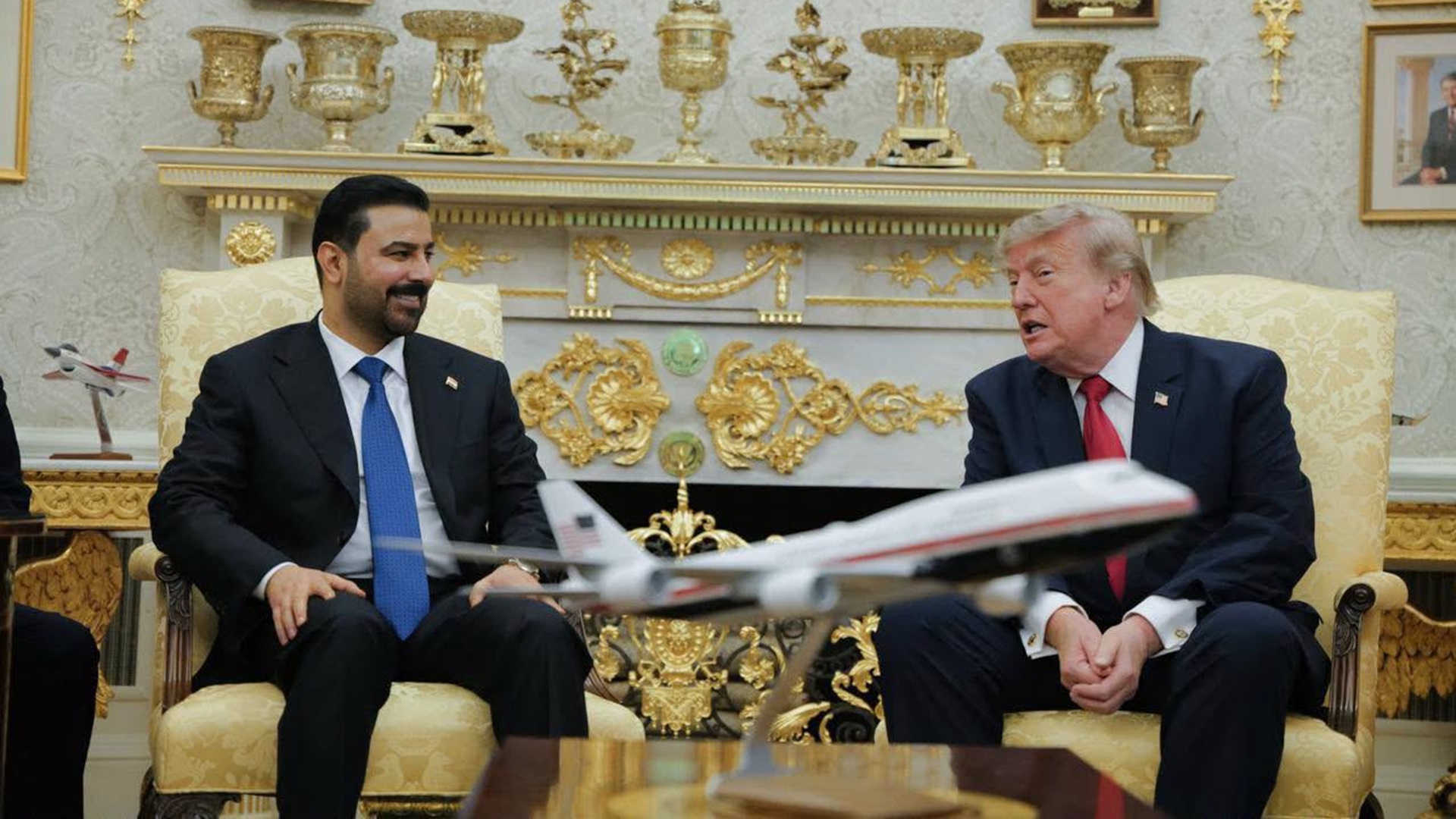
Trump Welcomes Iraqi PM al-Zaidi to White House, Reaffirms Strong US-Iraq Partnership
09:02 PM - 2026-07-14
Sulaymaniyah International Airport Officially Renamed Jalal Talabani International Airport
07:20 PM - 2026-07-14
.jpeg)
Qubad Talabani Reviews Progress on Major Water Project to End Shortages in Chamchamal
02:36 PM - 2026-07-14
Most read
-
Remembering 14 July Revolution That Ended Iraq's Monarchy
Iraq 11:11 AM - 2026-07-14 -
Iraqi PM Discussed Bilateral Cooperation and Regional Stability with U.S. Special Envoy in Washington
Iraq 10:01 AM - 2026-07-14 -
Trump Welcomes Iraqi PM al-Zaidi to White House, Reaffirms Strong US-Iraq Partnership
Iraq 09:02 PM - 2026-07-14 -
China Does Not Seek a 'Sphere of Influence' in Relations with Pacific Island Nations, Foreign Minister Says
World 12:27 PM - 2026-07-14 -
Trump Says U.S. Has Reinstated Blockade on Iranian Shipping in Hormuz
World 09:05 PM - 2026-07-13 -
Houthis Launch Missile Attacks on Saudi Arabia After Years of Calm
World 09:45 AM - 2026-07-14 -
Oil Climbs to One-Month High as U.S. and Iran Intensify Attacks in the Strait of Hormuz
News 09:05 AM - 2026-07-14 -
Ukraine to Manufacture French Missiles and Order Warplanes, Macron Says
World 11:22 PM - 2026-07-13
The News in your pocket
Download
 Application