

Lebanon Emerges as the Most Affected Country in the Iran War
Reports 06:41 PM - 2026-04-05.jpg) Beirut Today
Beirut Today
Bombardment in Lebanon.
Following the outbreak of war between the United States and Israel against Iran on 28 February 2026, more than ten countries in the Middle East were affected by the conflict. However, Lebanon has been the most severely impacted country after Iran, due to the role of Hezbollah.
Israel demanded the evacuation of 14% of Lebanese territory, while more than 1,300 people have been killed and approximately 5,000 others wounded.
Hezbollah attacks, Israel responds with heavy strikes
On 2 March 2026, two days after the breakout of the war, six rockets were launched from Lebanon towards Israel. Hezbollah claimed responsibility, stating the attacks were in retaliation for the killing of Khamenei.
Israel responded immediately with heavy bombardment of the Dahieh area in Beirut and demanded the evacuation of large areas across Lebanon, which, according to UN reports, represents around 14% of the country’s total territory. This triggered a new wave of displacement.
Rising death toll
The Lebanese Ministry of Health’s emergency centre continues to publish daily casualty figures. According to the latest statistics, 1,368 people have been killed and 4,138 injured. Among the dead are 125 children, while 433 children have been injured. In addition, 91 women have been killed and 488 injured, alongside the deaths of 53 healthcare workers.
In contrast, Israeli army spokesperson Avichay Adraee stated that 800 Hezbollah fighters have been killed in Israeli strikes.
Over one million displaced
According to the Lebanese Ministry of Social Affairs, the number of displaced people has reached 1,136,000, distributed across 669 shelters and camps.
Why is Lebanon the most affected?
While several Arab countries have been affected by the broader Iran war, Lebanon has experienced the most direct impact due to ongoing Israeli strikes. Israel says its operations aim to protect its northern regions from Hezbollah attacks, while also seeking to establish a demilitarised buffer zone.
In this context, the Israeli Defence Minister stated on 31 March 2026 that Israel aims to establish a buffer zone extending up to the Litani River.
Lebanese government response
Lebanese Prime Minister Nawaf Salam strongly condemned the rocket attacks, stating that whoever was responsible had endangered Lebanon’s security and provided Israel with a pretext for further strikes on Lebanese territory.
Conclusion
According to the available data, Lebanon has emerged as the most affected country in the conflict, due to heavy human losses, mass displacement, extensive evacuation orders, and a rapidly deteriorating security situation.
PUKMEDIA
More news
-
Kurdistan Region VP Attends French National Day Celebration
10:43 PM - 2026-07-14 -
President Amedi: Jalal Talabani’s Legacy Will Continue to Inspire Future Generations
10:17 PM - 2026-07-14 -
China Does Not Seek a 'Sphere of Influence' in Relations with Pacific Island Nations, Foreign Minister Says
12:27 PM - 2026-07-14 -
Oil Climbs to One-Month High as U.S. and Iran Intensify Attacks in the Strait of Hormuz
09:05 AM - 2026-07-14
see more

Kurdistan 10:28 PM - 2026-07-14 Qubad Talabani Welcomes Renaming of Sulaymaniyah Airport in Honour of Mam Jalal
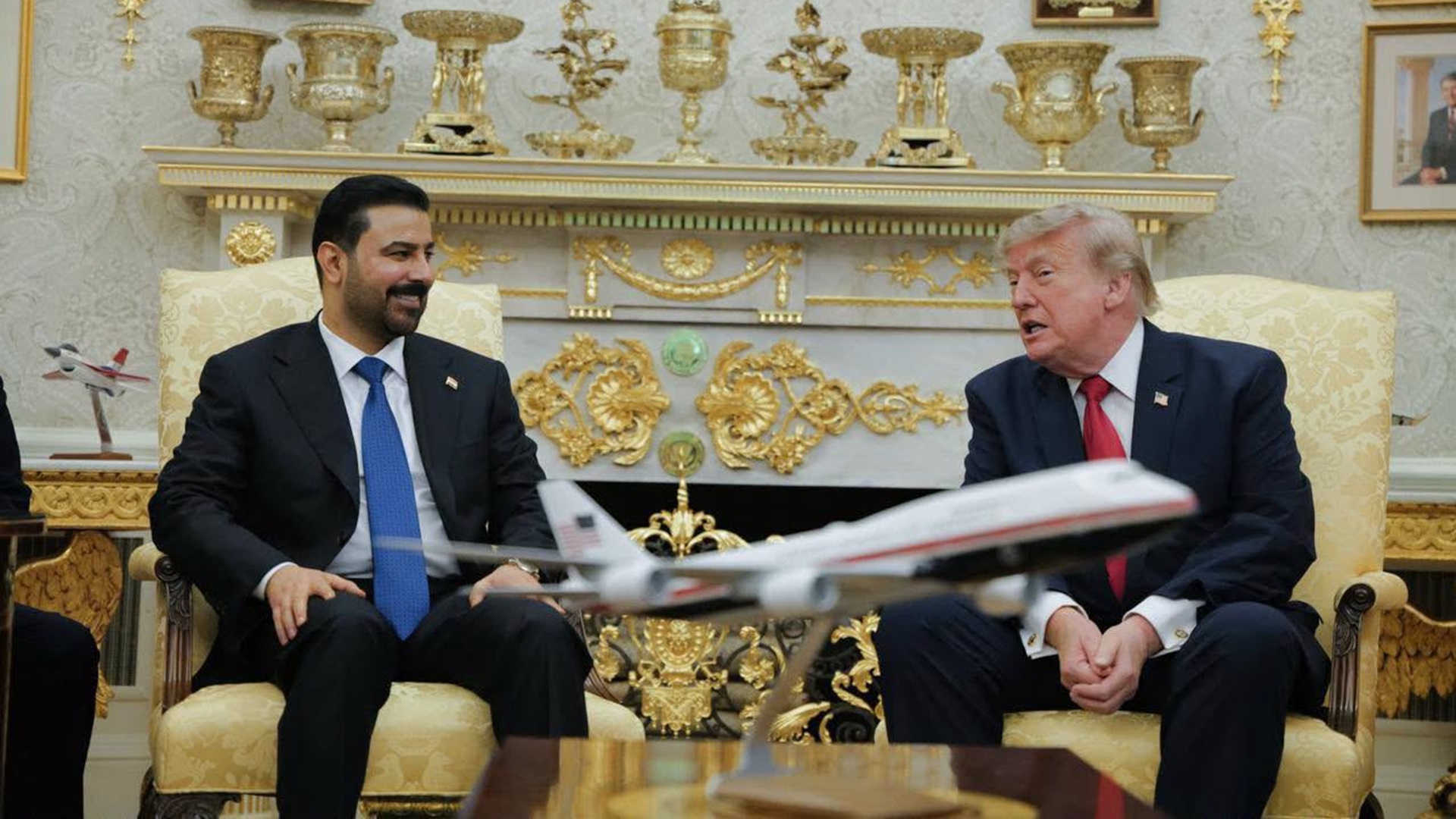
Trump Welcomes Iraqi PM al-Zaidi to White House, Reaffirms Strong US-Iraq Partnership
09:02 PM - 2026-07-14
Sulaymaniyah International Airport Officially Renamed Jalal Talabani International Airport
07:20 PM - 2026-07-14
.jpeg)
Qubad Talabani Reviews Progress on Major Water Project to End Shortages in Chamchamal
02:36 PM - 2026-07-14
Most read
-
Remembering 14 July Revolution That Ended Iraq's Monarchy
Iraq 11:11 AM - 2026-07-14 -
Iraqi PM Discussed Bilateral Cooperation and Regional Stability with U.S. Special Envoy in Washington
Iraq 10:01 AM - 2026-07-14 -
Trump Says U.S. Has Reinstated Blockade on Iranian Shipping in Hormuz
World 09:05 PM - 2026-07-13 -
Houthis Launch Missile Attacks on Saudi Arabia After Years of Calm
World 09:45 AM - 2026-07-14 -
China Does Not Seek a 'Sphere of Influence' in Relations with Pacific Island Nations, Foreign Minister Says
World 12:27 PM - 2026-07-14 -
Trump Welcomes Iraqi PM al-Zaidi to White House, Reaffirms Strong US-Iraq Partnership
Iraq 09:02 PM - 2026-07-14 -
Oil Climbs to One-Month High as U.S. and Iran Intensify Attacks in the Strait of Hormuz
News 09:05 AM - 2026-07-14 -
Ukraine to Manufacture French Missiles and Order Warplanes, Macron Says
World 11:22 PM - 2026-07-13
The News in your pocket
Download
 Application