
South Korea Considers Nationwide Driving Curbs as Oil Prices Soar
World 06:28 PM - 2026-03-30.jpg) Reuters
Reuters
Cars line up at a gas station in Seoul, South Korea.
South Korea is considering extending driving restrictions to the general public if global oil prices continue to rise, senior officials said, as authorities seek to curb energy demand amid supply pressures linked to the US-Israeli war with Iran.
Finance Minister Koo Yun-cheol said on Sunday that the government could broaden curbs on passenger vehicle use beyond public institutions if crude prices increase to around $120–$130 per barrel, up from the current $100–$110 range.
If implemented nationwide, the measure would mark South Korea’s first such restrictions since the 1991 Gulf War, when the government introduced a 10-day vehicle rotation system to conserve energy.
"If the Middle East situation worsens, the crisis alert would have to move up to the 'warning' stage, and around that point we would need to curb consumption," Koo said on a local broadcast, referring to a move up to the third-highest level in the country's four-stage resource security crisis alert system.
He added the government may also consider further fuel tax cuts to ease the burden on households.
South Korea’s finance ministry said in a separate statement on Monday that mandatory driving restrictions for the private sector have not yet been decided, noting that authorities will assess energy supply conditions and broader economic factors before taking further action.
The country imports around 70% of its crude oil from the Middle East, leaving it highly vulnerable to supply disruptions and price volatility resulting from regional tensions. Last week, the government introduced a mandatory five-day vehicle rotation system for the public sector, limiting car use based on licence plate numbers.
Energy Minister Kim Sung-whan said authorities are reviewing stricter demand-management measures should the alert level increase further. These could include expanding driving restrictions, while also encouraging voluntary participation from companies and the financial sector.
The Iran war has disrupted global economic growth prospects, according to the Organisation for Economic Co-operation and Development. Major conglomerates such as Samsung Electronics and SK Group have joined the effort, urging employees to reduce private car use and adopt fuel-saving measures.
Lawmakers and senior officials have also taken to social media to set an example by using public transport and bicycles, calling on the public to participate in energy-saving efforts.
Kim also sought to discourage panic buying of rubbish bags, after reports that some consumers had begun stockpiling plastic bags amid concerns over potential shortages linked to the Middle East energy crisis.
In a Facebook posting, he said that more than half of the local governments have an over six-month inventory of rubbish bags, and Korea would allow the use of regular bags for waste in the "worst-case situation."
South Korean President Lee Jae Myung urged the country to accelerate a shift to renewable energy such as electric vehicles, saying that the energy issue is "so severe that even I can't sleep at night."
Source: Reuters
PUKMEDIA
More news
-
President Amedi: Jalal Talabani’s Legacy Will Continue to Inspire Future Generations
10:17 PM - 2026-07-14 -
China Does Not Seek a 'Sphere of Influence' in Relations with Pacific Island Nations, Foreign Minister Says
12:27 PM - 2026-07-14 -
Oil Climbs to One-Month High as U.S. and Iran Intensify Attacks in the Strait of Hormuz
09:05 AM - 2026-07-14 -
Ukraine to Manufacture French Missiles and Order Warplanes, Macron Says
11:22 PM - 2026-07-13
see more
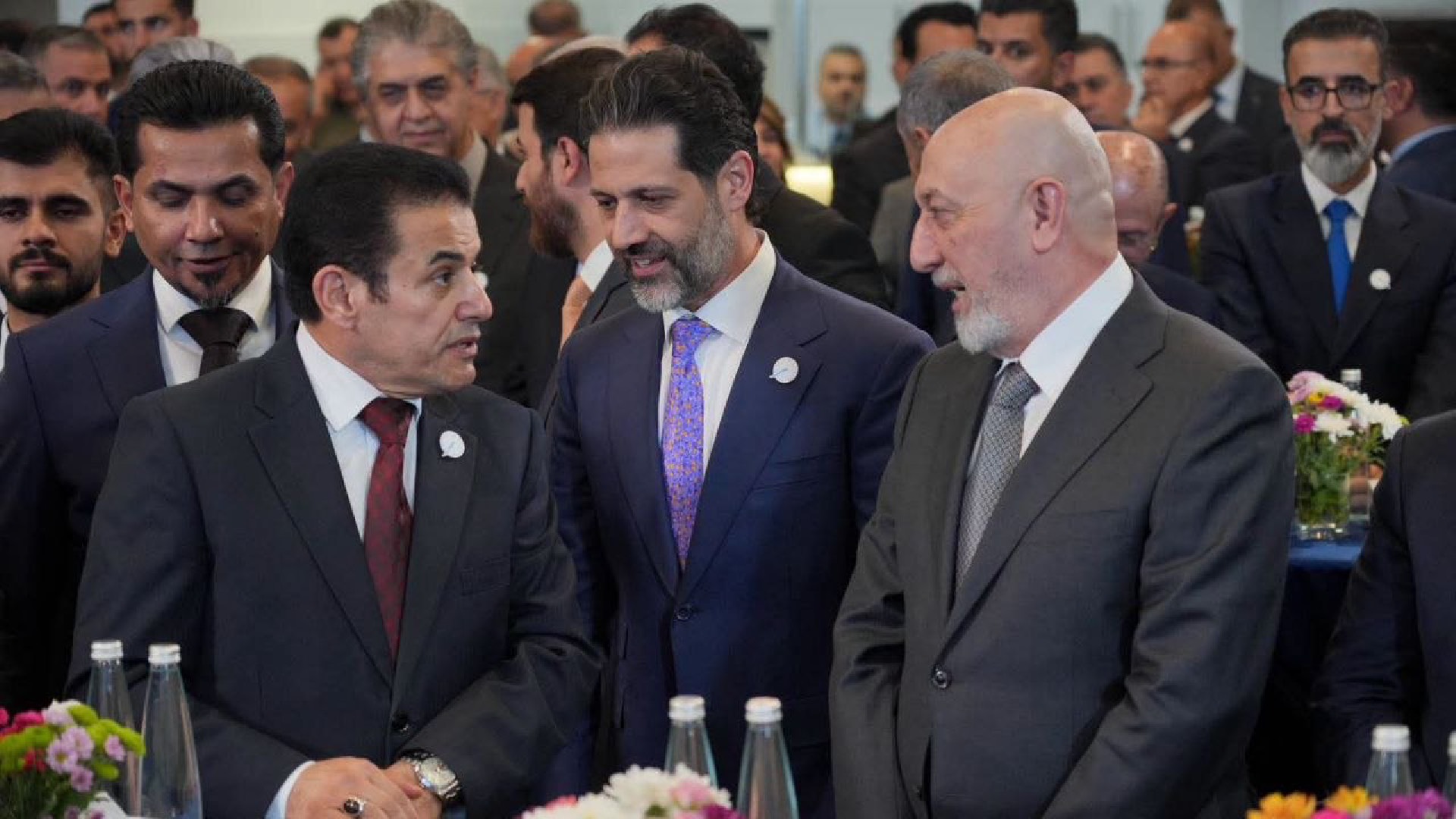
Kurdistan 10:28 PM - 2026-07-14 Qubad Talabani Welcomes Renaming of Sulaymaniyah Airport in Honour of Mam Jalal
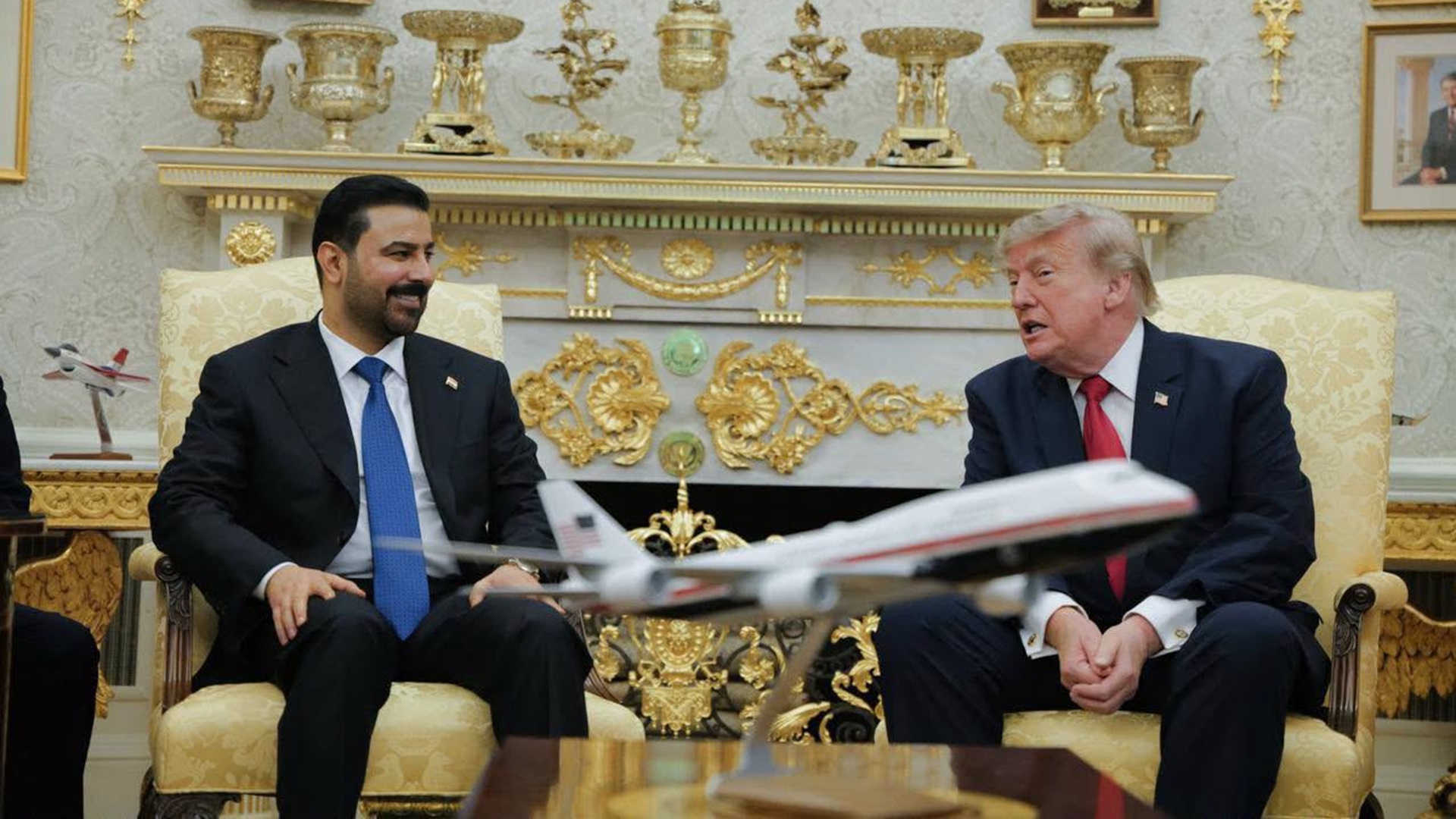
Trump Welcomes Iraqi PM al-Zaidi to White House, Reaffirms Strong US-Iraq Partnership
09:02 PM - 2026-07-14
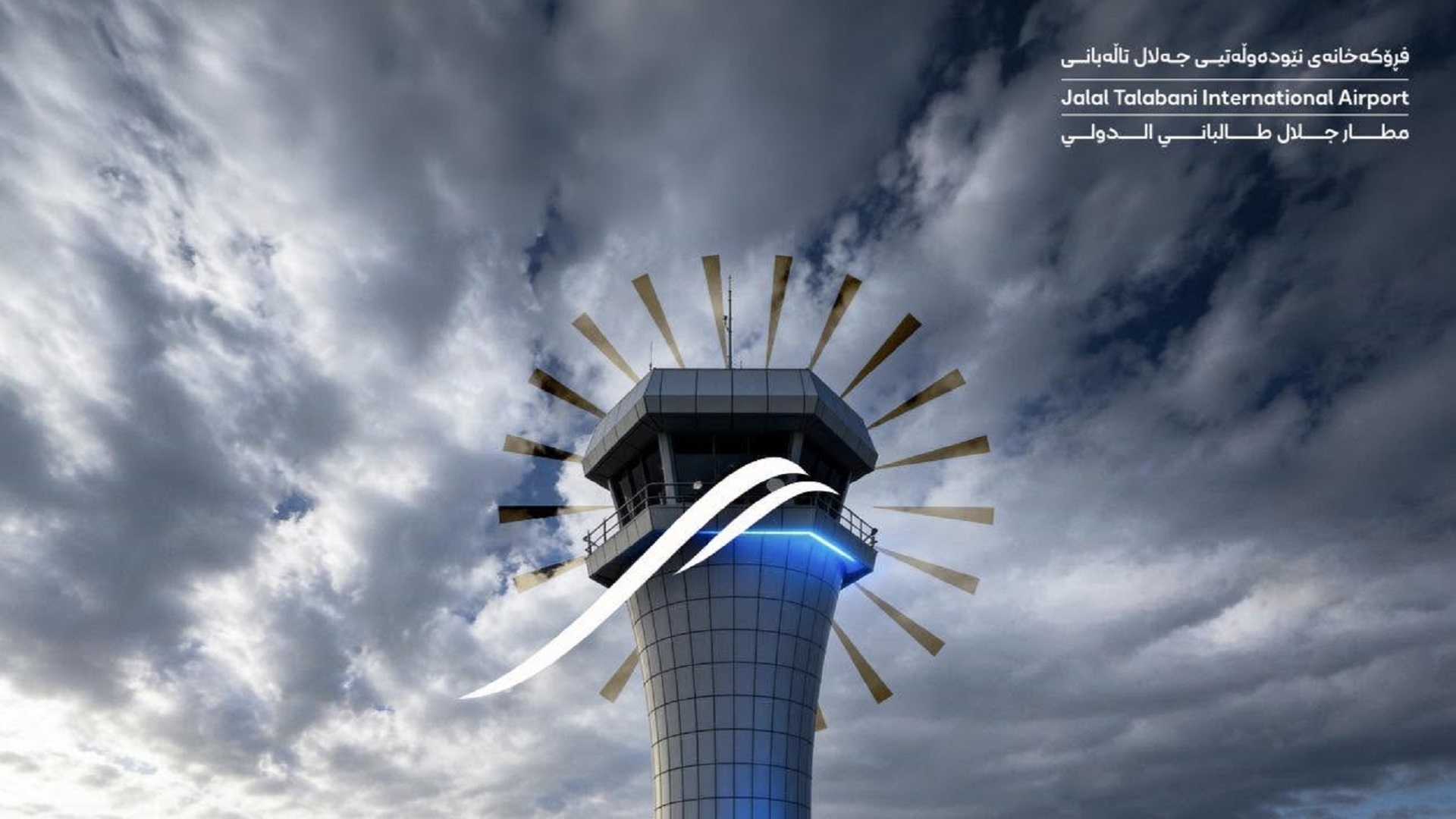
Sulaymaniyah International Airport Officially Renamed Jalal Talabani International Airport
07:20 PM - 2026-07-14
.jpeg)
Qubad Talabani Reviews Progress on Major Water Project to End Shortages in Chamchamal
02:36 PM - 2026-07-14
Most read
-
Remembering 14 July Revolution That Ended Iraq's Monarchy
Iraq 11:11 AM - 2026-07-14 -
Iraqi PM Discussed Bilateral Cooperation and Regional Stability with U.S. Special Envoy in Washington
Iraq 10:01 AM - 2026-07-14 -
Trump Says U.S. Has Reinstated Blockade on Iranian Shipping in Hormuz
World 09:05 PM - 2026-07-13 -
Houthis Launch Missile Attacks on Saudi Arabia After Years of Calm
World 09:45 AM - 2026-07-14 -
China Does Not Seek a 'Sphere of Influence' in Relations with Pacific Island Nations, Foreign Minister Says
World 12:27 PM - 2026-07-14 -
Trump Welcomes Iraqi PM al-Zaidi to White House, Reaffirms Strong US-Iraq Partnership
Iraq 09:02 PM - 2026-07-14 -
Oil Climbs to One-Month High as U.S. and Iran Intensify Attacks in the Strait of Hormuz
News 09:05 AM - 2026-07-14 -
Ukraine to Manufacture French Missiles and Order Warplanes, Macron Says
World 11:22 PM - 2026-07-13
The News in your pocket
Download
 Application