

The Key to the World’s Energy Lifeline: Who Will Claim It?
World 11:29 AM - 2026-03-25 PUKMEDIA
The Strait of Hormuz.
Several oil tankers successfully transited the Strait of Hormuz on Tuesday, amid reports that Iran has permitted vessels from Gulf states to pass onwards to Europe and India. This arrangement is said to come in exchange for a fee of approximately $2 million.
Observers suggest that US President Donald Trump approached Iran primarily as a military adversary, overlooking its strategic leverage over one of the world’s most critical economic arteries: the Strait of Hormuz. As a result, the conflict has evolved beyond aerial warfare into a broader struggle centred on maritime energy routes.
At present, around 400 vessels are waiting near the Strait, while only about 60 are granted passage each day, highlighting the growing bottleneck in global shipping.
According to reports, a large oil tanker carrying roughly two million barrels of crude is required to pay around $2 million—reportedly in Chinese yuan—for safe passage. This equates to approximately $1 per barrel. Once payment is made, Iran’s Revolutionary Guards issue an authorisation code along with navigational instructions. As vessels approach, communication is maintained via radio systems, including VHF, while Automatic Identification Systems (AIS) are actively managed.
Despite the ongoing conflict, Iranian crude exports continue at pre-war levels, estimated between 1.1 and 1.5 million barrels per day. Much of this supply is directed towards China, particularly following the easing of US sanctions on Tehran’s oil sector.
Iran’s influence over global energy markets appears to be intensifying. Notably, the Federal Reserve refrained from cutting interest rates at its most recent meeting, citing inflationary pressures linked to disruptions in the Strait. This has contributed to a reported increase in energy costs for American consumers of at least 50%.
Meanwhile, fourteen countries—including Egypt and South Korea—have raised fuel prices in direct response to the US-Israeli-Iranian conflict. The widening economic impact has prompted Trump to signal interest in a potential joint administration of the Strait of Hormuz with Iran, as concerns grow across Europe and even within the United States.
Now in its fourth week, the conflict’s toll is no longer measured solely in battlefield casualties. Instead, the decisive factor appears to be control over energy corridors. Ultimately, the outcome may hinge on who commands the flow of resources—and, by extension, the direction of global inflation.
PUKMEDIA
More news
-
China Does Not Seek a 'Sphere of Influence' in Relations with Pacific Island Nations, Foreign Minister Says
12:27 PM - 2026-07-14 -
Oil Climbs to One-Month High as U.S. and Iran Intensify Attacks in the Strait of Hormuz
09:05 AM - 2026-07-14 -
Ukraine to Manufacture French Missiles and Order Warplanes, Macron Says
11:22 PM - 2026-07-13 -
Wildfire Erupts Near Paris as Heatwave Sweeps Across Europe
10:13 PM - 2026-07-13
see more
.jpeg)
Kurdistan 02:36 PM - 2026-07-14 Qubad Talabani Reviews Progress on Major Water Project to End Shortages in Chamchamal
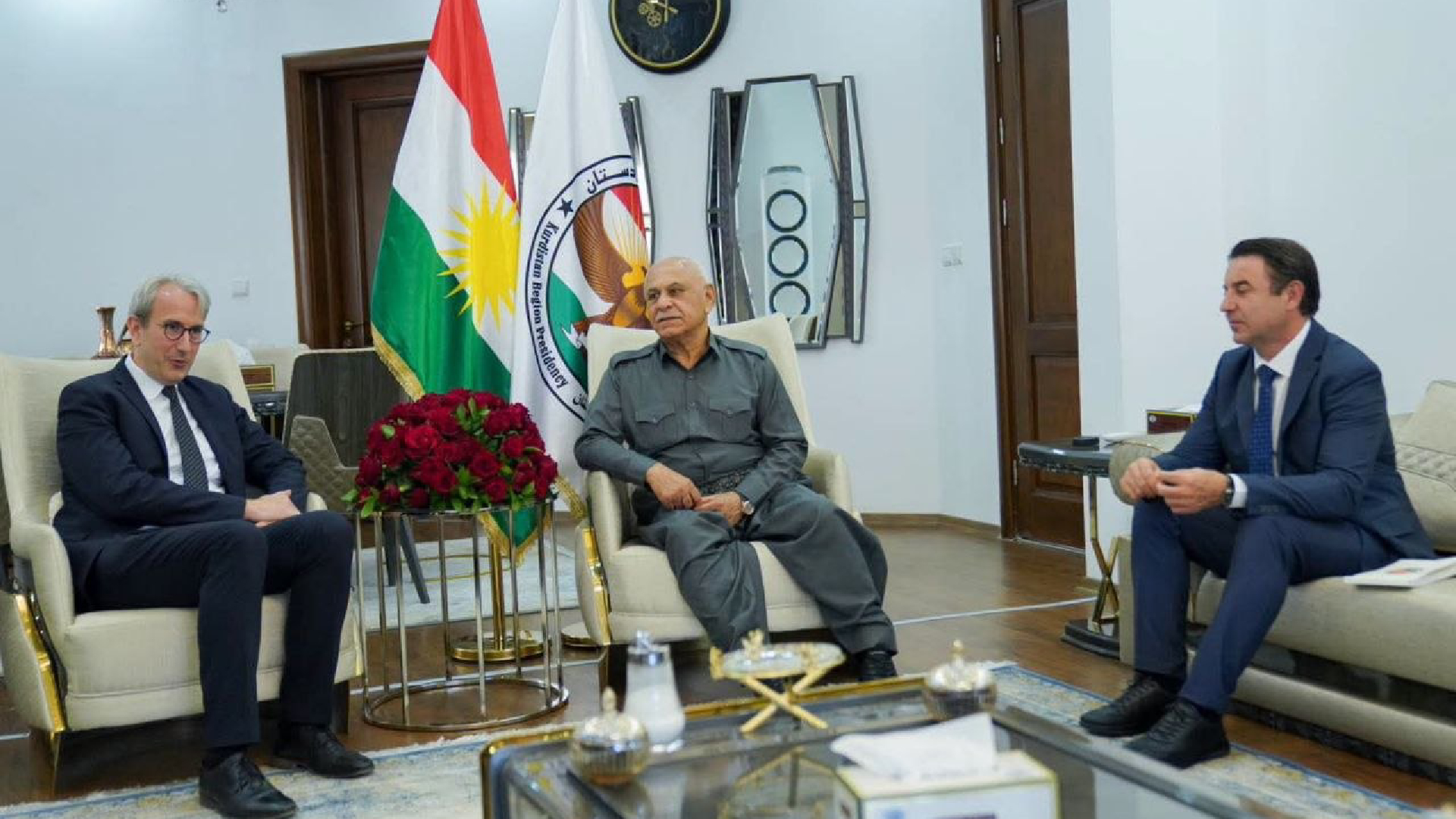
Kurdistan Region VP Commends Germany's Continued Support for Iraq and the Kurdistan Region
01:25 PM - 2026-07-14

Remembering 14 July Revolution That Ended Iraq's Monarchy
11:11 AM - 2026-07-14
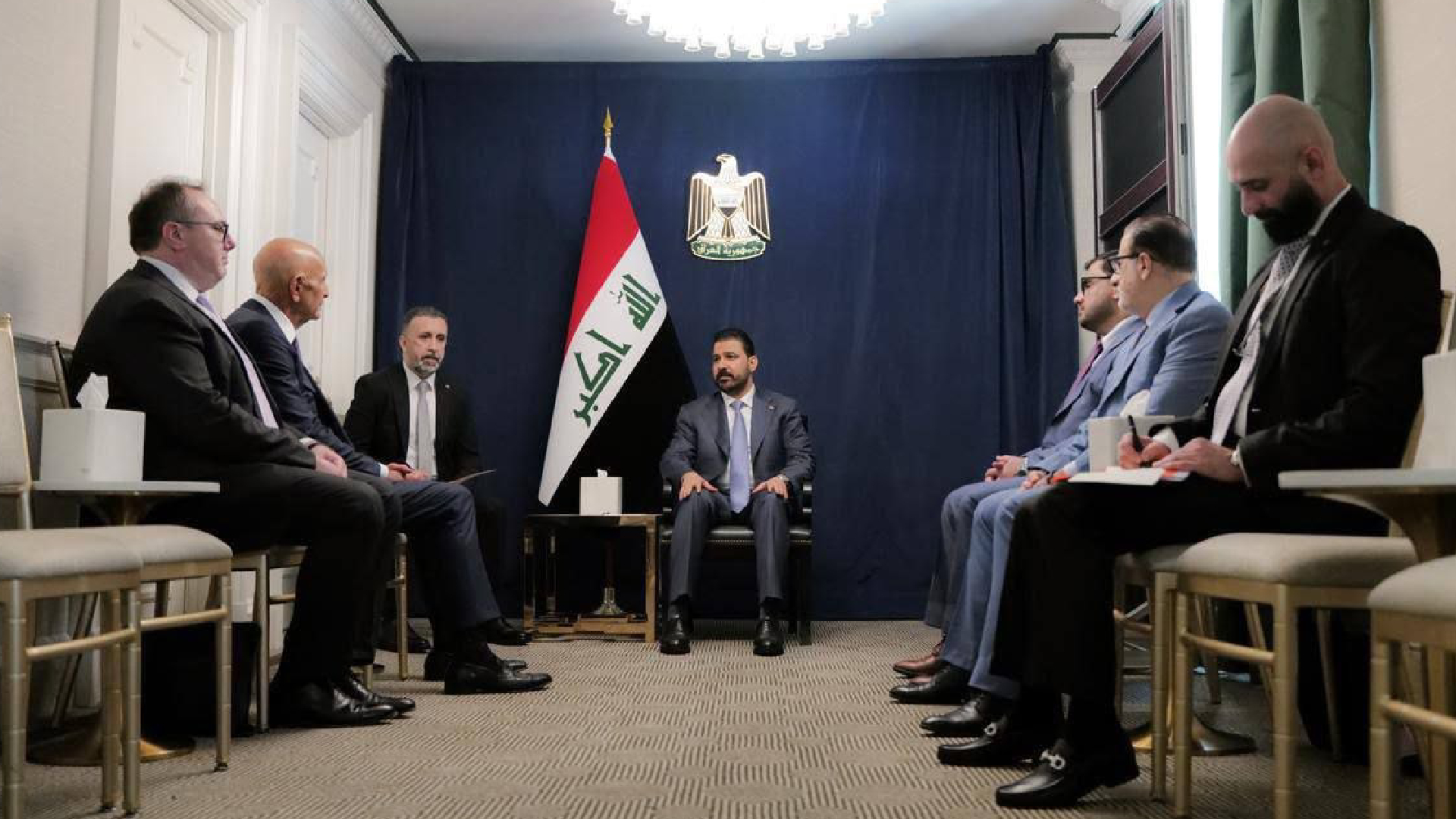
Iraqi PM Discussed Bilateral Cooperation and Regional Stability with U.S. Special Envoy in Washington
10:01 AM - 2026-07-14
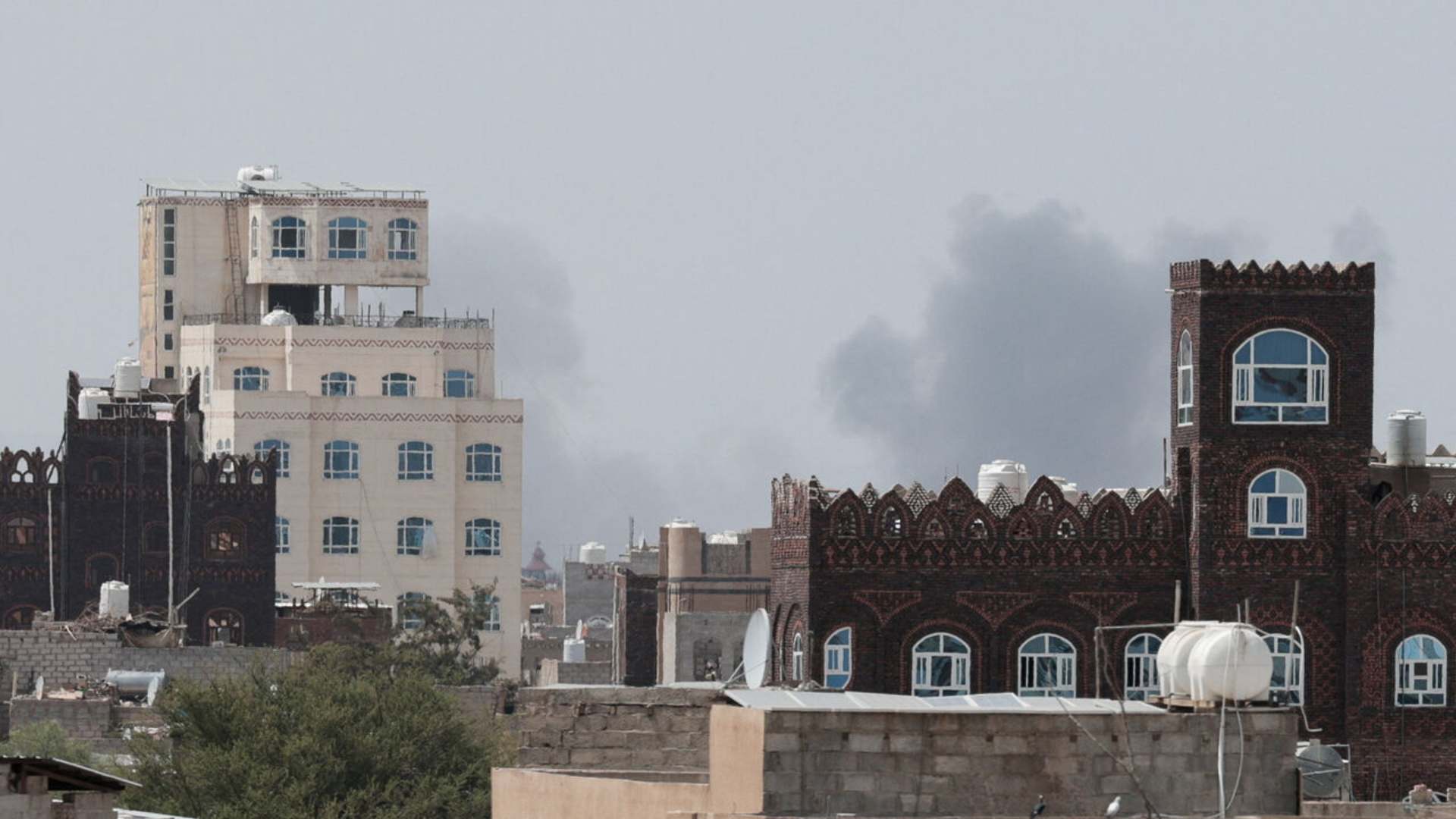
Houthis Launch Missile Attacks on Saudi Arabia After Years of Calm
09:45 AM - 2026-07-14
Most read
-
Qubad Talabani Meets Dutch Ambassador to Iraq on Conclusion of Her Mission
Kurdistan 07:36 PM - 2026-07-13 -
Nineveh Integrity Court Orders Seizure of Commercial Properties and Mills Linked to Corruption Case
Iraq 03:42 PM - 2026-07-13 -
Sheikh Jaafar Sheikh Mustafa Receives Qubad Talabani
Kurdistan 05:36 PM - 2026-07-13 -
Hungary's Parliament Set to Vote on Constitutional Amendment to Oust President
World 02:21 PM - 2026-07-13 -
Trump Says U.S. Has Reinstated Blockade on Iranian Shipping in Hormuz
World 09:05 PM - 2026-07-13 -
Trump Says U.S. Would Probably Control the Strait of Hormuz and Charge for Its Use
World 04:25 PM - 2026-07-13 -
Ukraine to Manufacture French Missiles and Order Warplanes, Macron Says
World 11:22 PM - 2026-07-13 -
Qubad Talabani Applauds Women's Union's Drive to Modernise
Kurdistan 05:05 PM - 2026-07-13
The News in your pocket
Download
 Application