

Iraq’s Oil Ministry Rebukes KRG Position on Ceyhan Exports Amid Escalating Dispute
Iraq 10:20 AM - 2026-03-17 PUKMEDIA
Logos of the KRG Ministry of Natural Resources and Iraqi Ministry of Oil.
Iraq’s Ministry of Oil on Tuesday issued a strongly worded response to the Kurdistan Regional Government’s (KRG) Ministry of Natural Resources over oil exports via Türkiye’s Ceyhan port, intensifying a growing dispute between Baghdad and Erbil.
The oil ministry described the KRG’s recent statement as “purely political” and lacking professional and legal basis, accusing it of being driven by partisan considerations rather than the realities of the oil sector.
Baghdad Outlines Export Plan
In its latest statement, Iraq’s Ministry of Oil said it is working to restart the Kirkuk–Ceyhan pipeline, with operations expected to resume within days to allow direct exports of crude from Kirkuk.
As an interim measure, the ministry has proposed using the pipeline linking the Sarlowa station in Kirkuk to the Fishkhabour crossing, enabling exports of up to 250,000 barrels per day. When combined with production from fields in the Kurdistan Region, exports could reach around 450,000 barrels per day.
The ministry said this would help mitigate the impact of current market disruptions, particularly in light of price pressures linked to the closure of the Strait of Hormuz.
Federal Authority and Legal Warning
Baghdad reiterated that, under the Iraq–Türkiye Pipeline agreement, the pipeline is a federal asset with a capacity exceeding one million barrels per day, and that the federal government has full authority to operate it.
It added that Türkiye has shown willingness to facilitate exports and revealed plans to construct a parallel pipeline as part of a broader strategy that includes the proposed Basra–Haditha project.
The ministry called on the KRG to reverse its stance on blocking exports, warning that legal action could follow if compliance is not achieved.
Rejection of KRG Claims
The Oil Ministry rejected the KRG’s attempt to link oil exports to the issue of public sector salaries, stating that this matter falls under the jurisdiction of the federal Ministry of Finance and that legal frameworks are already in place.
It also dismissed references to the ASYCUDA system, describing it as a key reform tool aimed at combating corruption and ensuring transparent trade.
Constitutional Dispute
Baghdad accused the KRG of violating the Iraqi Constitution, citing provisions that grant the federal government authority over financial policy and affirm that oil and gas resources belong to all Iraqis.
It warned that obstructing exports via the Kirkuk–Ceyhan pipeline under current conditions poses a serious risk to national interests and could damage Iraq’s international reputation.
Call for Parliamentary Intervention
The Ministry of Oil urged Iraq’s Council of Representatives to examine what it described as an “abnormal and unfortunate” situation, calling on lawmakers to prioritise national interests and address the economic pressures facing the country.
The dispute highlights deepening tensions between Baghdad and Erbil over control of oil resources, revenue sharing, and constitutional authority—issues that remain unresolved despite repeated calls for dialogue from both sides.
Background to the Dispute
The latest exchange follows a statement issued on Sunday by the KRG Ministry of Natural Resources, in which it outlined six points in response to earlier remarks by Iraq’s Oil Ministry.
Earlier in the day, the Iraqi Oil Ministry issued a statement calling on the Kurdistan Region to resume oil exports immediately, stressing that discussions on the Region’s conditions would follow only after exports had resumed.
The KRG accused Baghdad of distorting facts and misleading public opinion, stating that oil production in the region had been halted due to attacks by armed groups targeting energy infrastructure—attacks it said the federal government had failed to address.
It also rejected claims that the Kurdistan Region was unprepared to resume exports through the pipeline to Ceyhan, instead arguing that Baghdad had imposed restrictions since January under the pretext of implementing the ASYCUDA customs system. According to the KRG, these measures have disrupted trade and limited access to financial resources.
The Kurdish ministry further clarified that continued attacks on oil and gas facilities had stopped production entirely, leaving no oil available for export. It also accused Baghdad of failing to prevent such attacks and of delaying salary payments to public sector employees in the region.
Despite the tensions, the KRG said it remained ready to engage in dialogue and send technical teams to resolve outstanding issues, while warning that it would not accept what it described as unconstitutional pressure.
PUKMEDIA
More news
-
China Does Not Seek a 'Sphere of Influence' in Relations with Pacific Island Nations, Foreign Minister Says
12:27 PM - 2026-07-14 -
Oil Climbs to One-Month High as U.S. and Iran Intensify Attacks in the Strait of Hormuz
09:05 AM - 2026-07-14 -
Ukraine to Manufacture French Missiles and Order Warplanes, Macron Says
11:22 PM - 2026-07-13 -
Wildfire Erupts Near Paris as Heatwave Sweeps Across Europe
10:13 PM - 2026-07-13
see more
.jpeg)
Kurdistan 02:36 PM - 2026-07-14 Qubad Talabani Reviews Progress on Major Water Project to End Shortages in Chamchamal
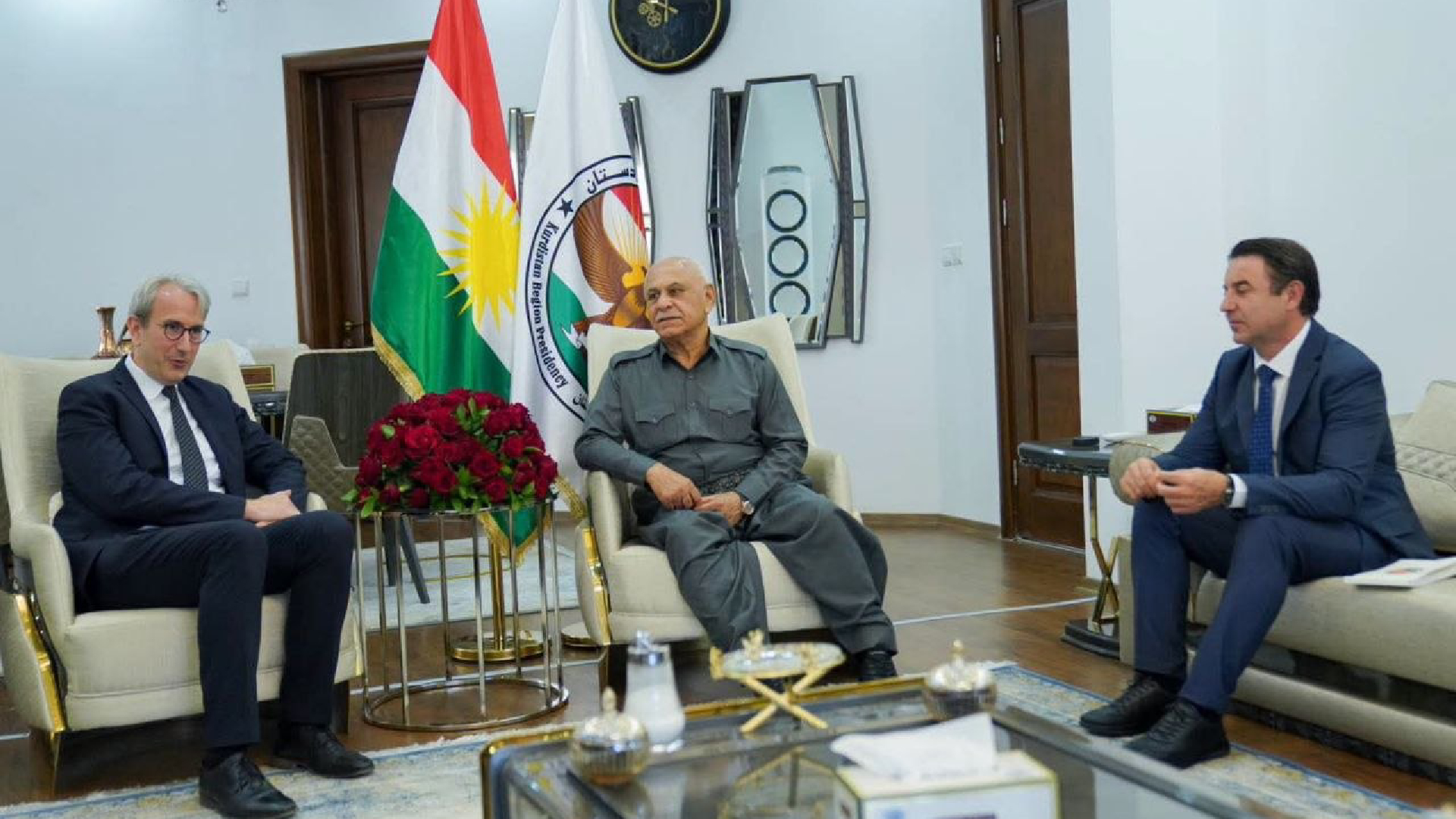
Kurdistan Region VP Commends Germany's Continued Support for Iraq and the Kurdistan Region
01:25 PM - 2026-07-14
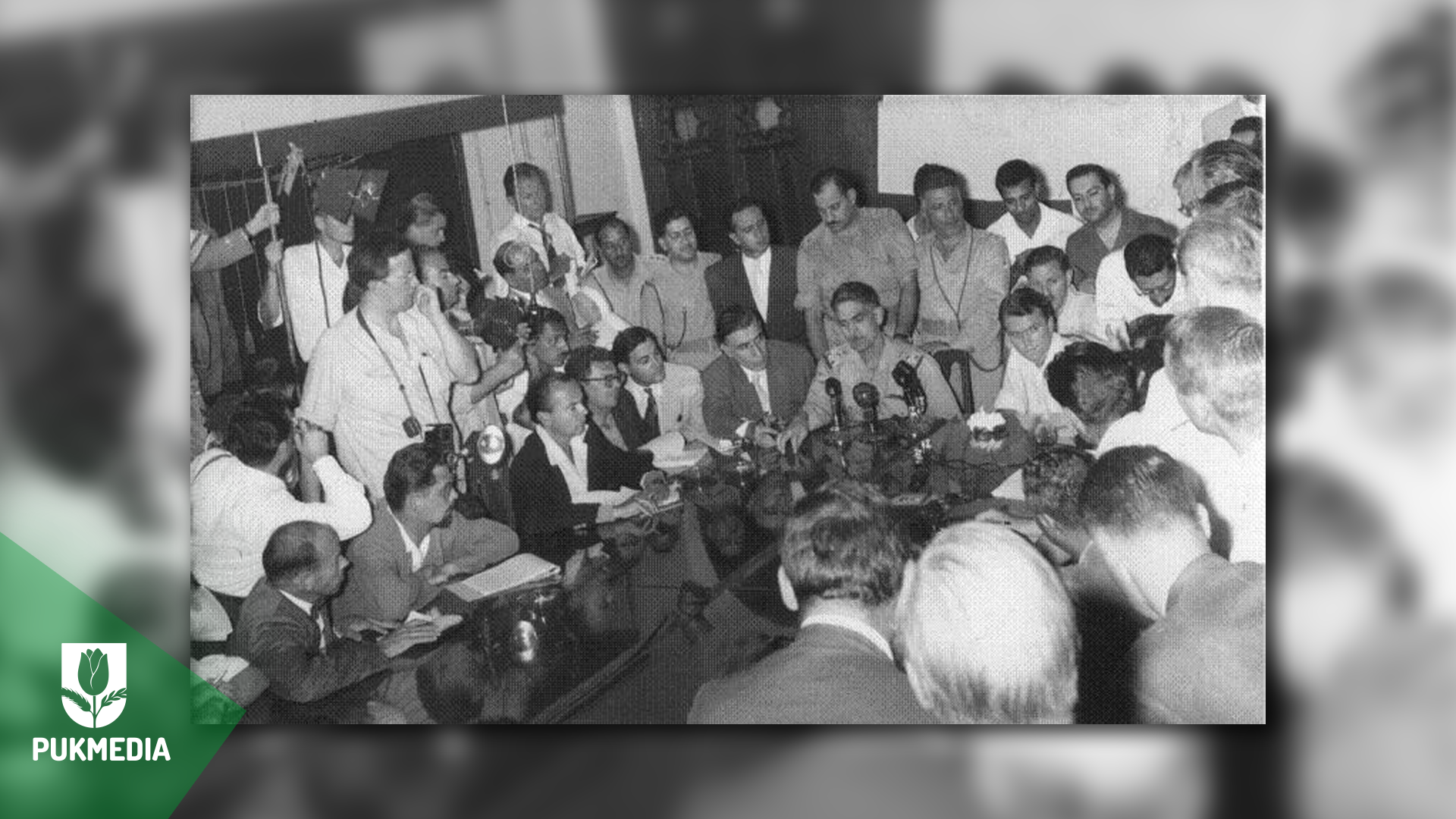
Remembering 14 July Revolution That Ended Iraq's Monarchy
11:11 AM - 2026-07-14
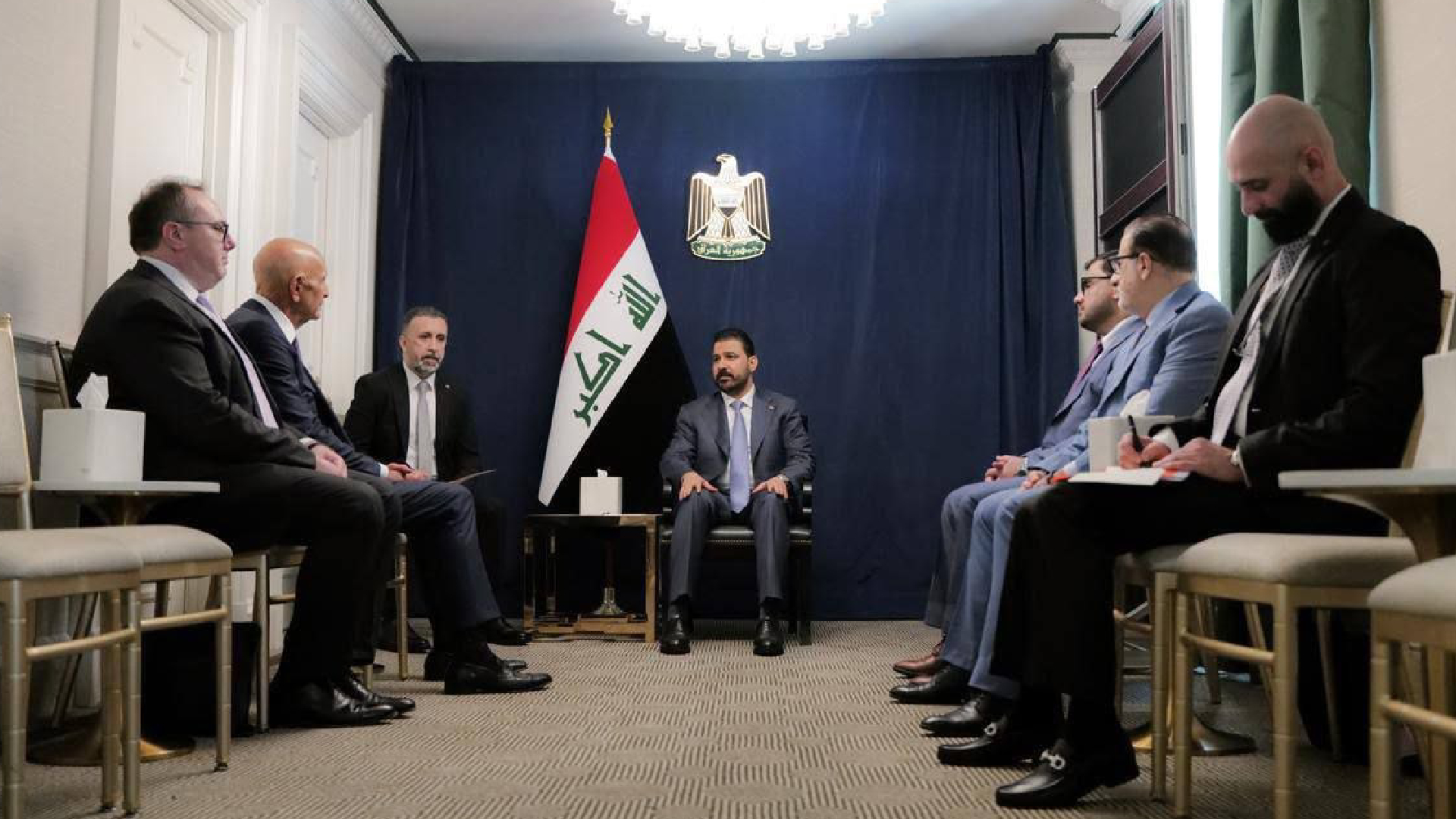
Iraqi PM Discussed Bilateral Cooperation and Regional Stability with U.S. Special Envoy in Washington
10:01 AM - 2026-07-14
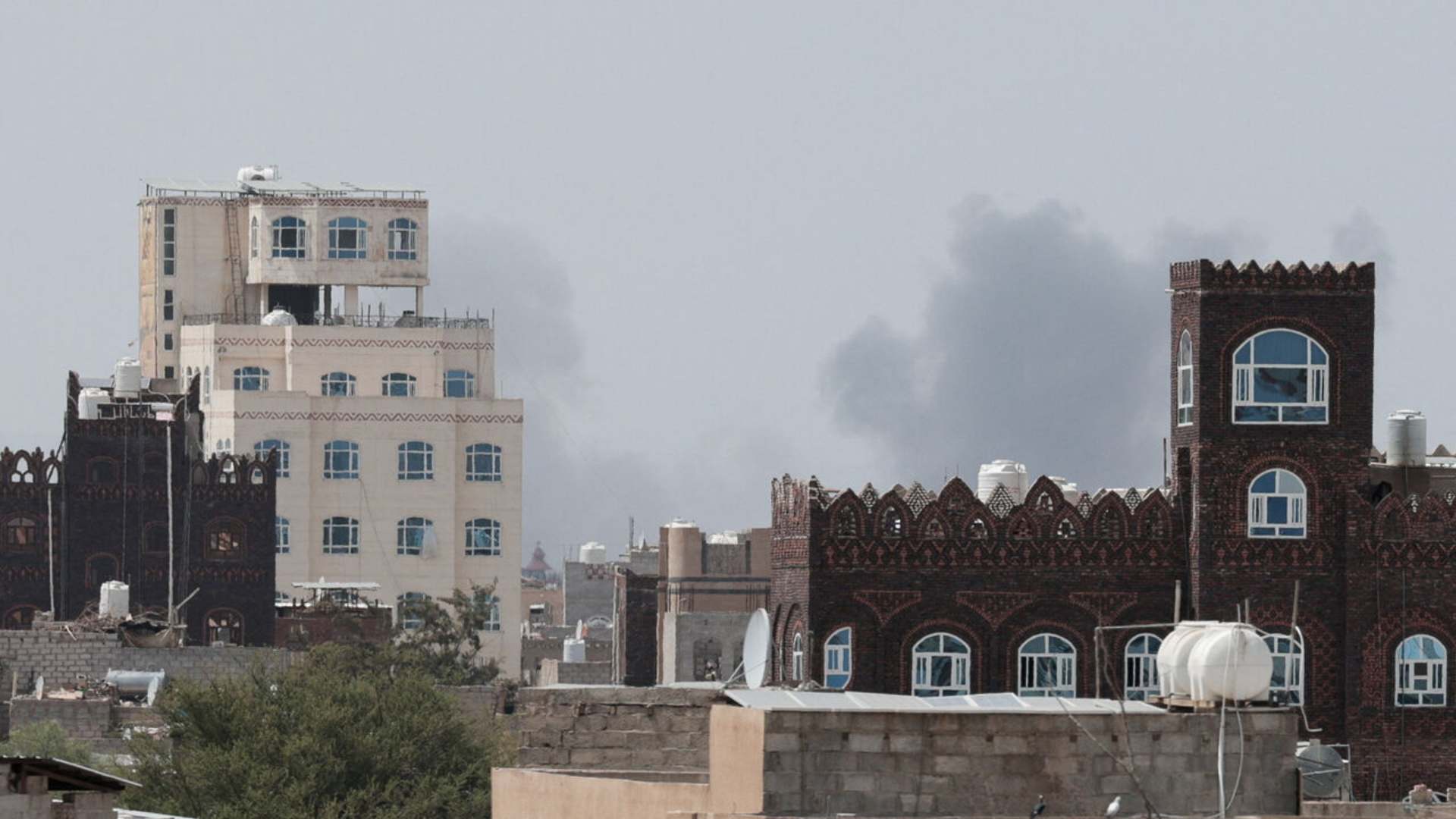
Houthis Launch Missile Attacks on Saudi Arabia After Years of Calm
09:45 AM - 2026-07-14
Most read
-
Qubad Talabani Meets Dutch Ambassador to Iraq on Conclusion of Her Mission
Kurdistan 07:36 PM - 2026-07-13 -
Nineveh Integrity Court Orders Seizure of Commercial Properties and Mills Linked to Corruption Case
Iraq 03:42 PM - 2026-07-13 -
Jurassic Park Star Sam Neill Dies Aged 78
World 12:47 PM - 2026-07-13 -
Sheikh Jaafar Sheikh Mustafa Receives Qubad Talabani
Kurdistan 05:36 PM - 2026-07-13 -
Hungary's Parliament Set to Vote on Constitutional Amendment to Oust President
World 02:21 PM - 2026-07-13 -
Trump Says U.S. Has Reinstated Blockade on Iranian Shipping in Hormuz
World 09:05 PM - 2026-07-13 -
Trump Says U.S. Would Probably Control the Strait of Hormuz and Charge for Its Use
World 04:25 PM - 2026-07-13 -
Ukraine to Manufacture French Missiles and Order Warplanes, Macron Says
World 11:22 PM - 2026-07-13
The News in your pocket
Download
 Application