

Duhok Uprising Anniversary: PUK was the First Force to Enter the City
Kurdistan 10:05 AM - 2026-03-14 PUKMEDIA
Duhok city.
Today, 14 March, marks the 35th anniversary of the uprising in the city of Duhok, which joined the wave of revolts across the Kurdistan Region against the former regime in 1991.
The first spark of the historic Kurdish uprising was ignited in the city of Ranya on 5 March 1991. The movement quickly spread to Sulaymaniyah on 7 March, where the entire city rose up. Residents seized control of security and administrative institutions, while regime forces collapsed under the pressure of the uprising and fled the city. As a result, Sulaymaniyah was liberated on 7 March 1991.
The uprising continued to expand, reaching Erbil on 11 March 1991 and bringing an end to years of repression in the city, as in other parts of the Kurdistan Region.
The revolutionaries then continued their rapid advance towards victory and liberation, a path paved with the sacrifices of the Kurdish people. Several cities were liberated during the uprising, including Duhok, Koya, Shaqlawa, Halabja, Amedi, Makhmur, Zakho, Akre, Darbandikhan, Kalar, Chwarta, Penjwen and Said Sadiq, along with many other districts and sub-districts across Kurdistan.
The uprising ultimately reached Kirkuk, which was liberated on 20 March 1991, marking the final stage of this historic struggle and culminating in a major victory for the Kurdish people.
Veteran Peshmerga Nazim Omar Dabbagh told PUKMEDIA: “In 1991, after the uprising began in the city of Ranya, we divided our forces into two axes. The first advanced towards Erbil, while the second moved towards the Sheikhan district in Duhok Governorate.”
He added: “The forces that moved towards Sheikhan were under my command, and we were able to enter the city of Duhok before any other force. Several hours after we established our positions inside the city, additional forces arrived to support us.”
Dabbagh also noted that the Patriotic Union of Kurdistan (PUK) played a key role in planning and executing the uprising.
“Before the uprising began, all armed forces affiliated with the PUK were mobilised and prepared. They succeeded in attacking the party and military headquarters of the former regime and liberating the cities of Kurdistan,” he said.
The uprising came after a series of genocidal campaigns carried out by the fallen Ba'ath regime. Among the most notorious were the Anfal campaign and the Halabja chemical attack, during which more than 180,000 innocent Kurds—including women, children and the elderly—were killed.
PUKMEDIA
More news
-
Oil Prices Fall for Third Straight Day as Hormuz Shipping Recovers
10:50 AM - 2026-06-24 -
Qubad Talabani Discusses Tourism Development Strategy in Meeting with Tourism Board
06:27 PM - 2026-06-23 -
Iraq Increases Kirkuk Oil Exports to 7 Million Barrels a Month, Says SOMO
03:37 PM - 2026-06-23 -
Vance Says Talks with Iranian Officials Laid ‘Good Foundation’ for Deal to End War
01:06 PM - 2026-06-23
see more
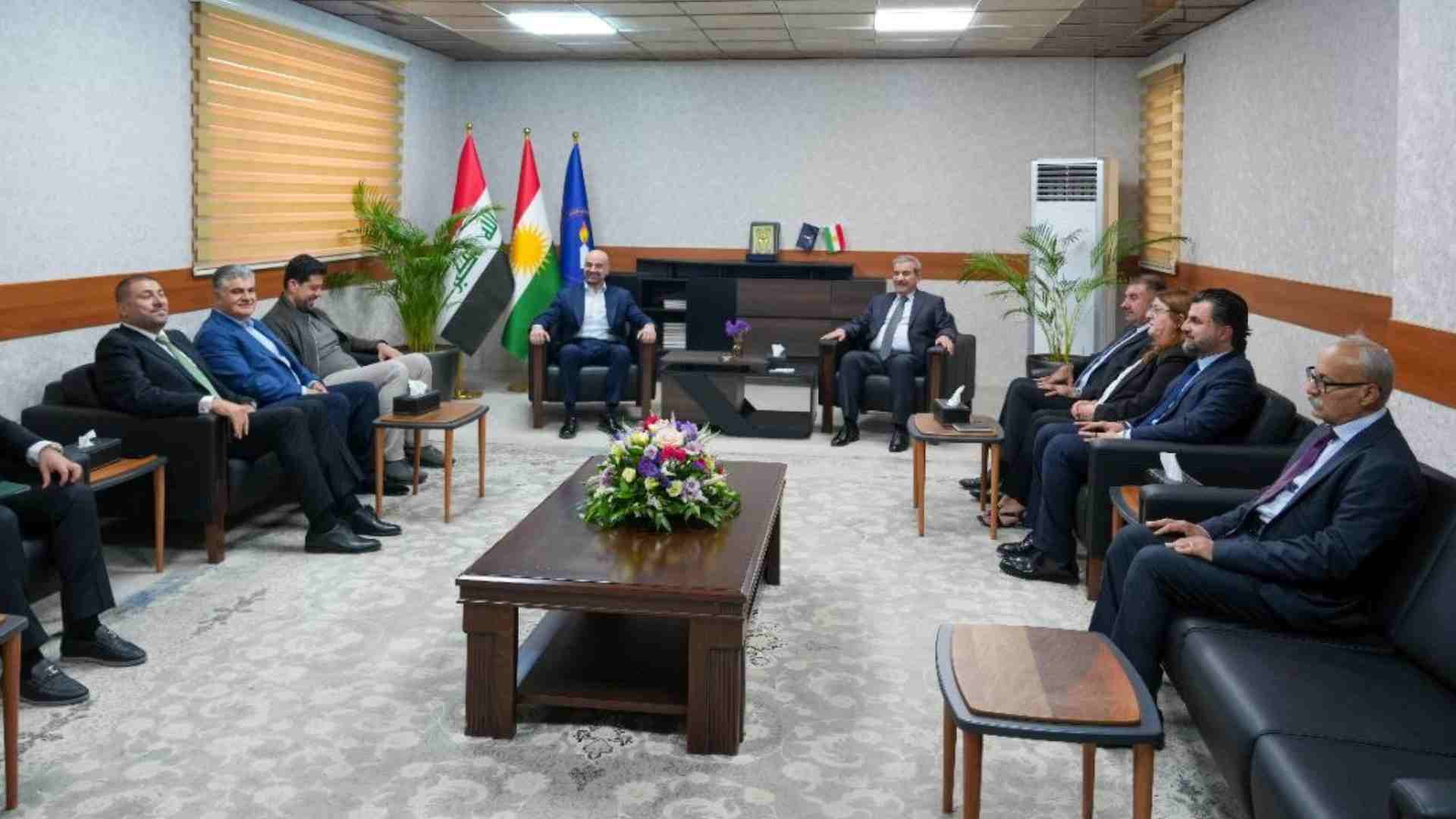
Kurdistan 05:36 PM - 2026-06-24 PUK President Visits Gorran Movement Headquarters to Strengthen Relations
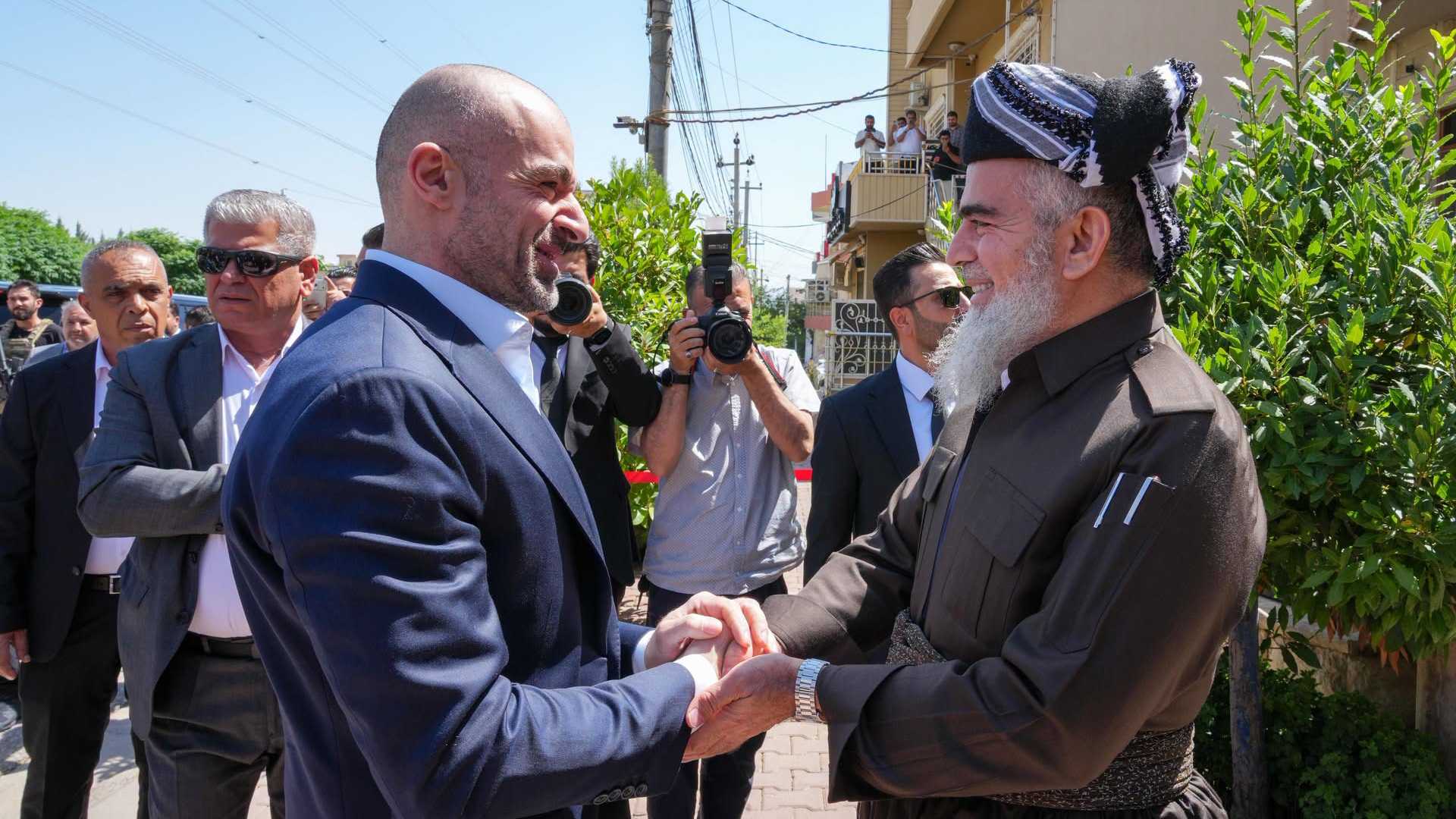
PUK President, KJG Leader Discuss Unified Efforts to Resolve Outstanding Issues
04:00 PM - 2026-06-24
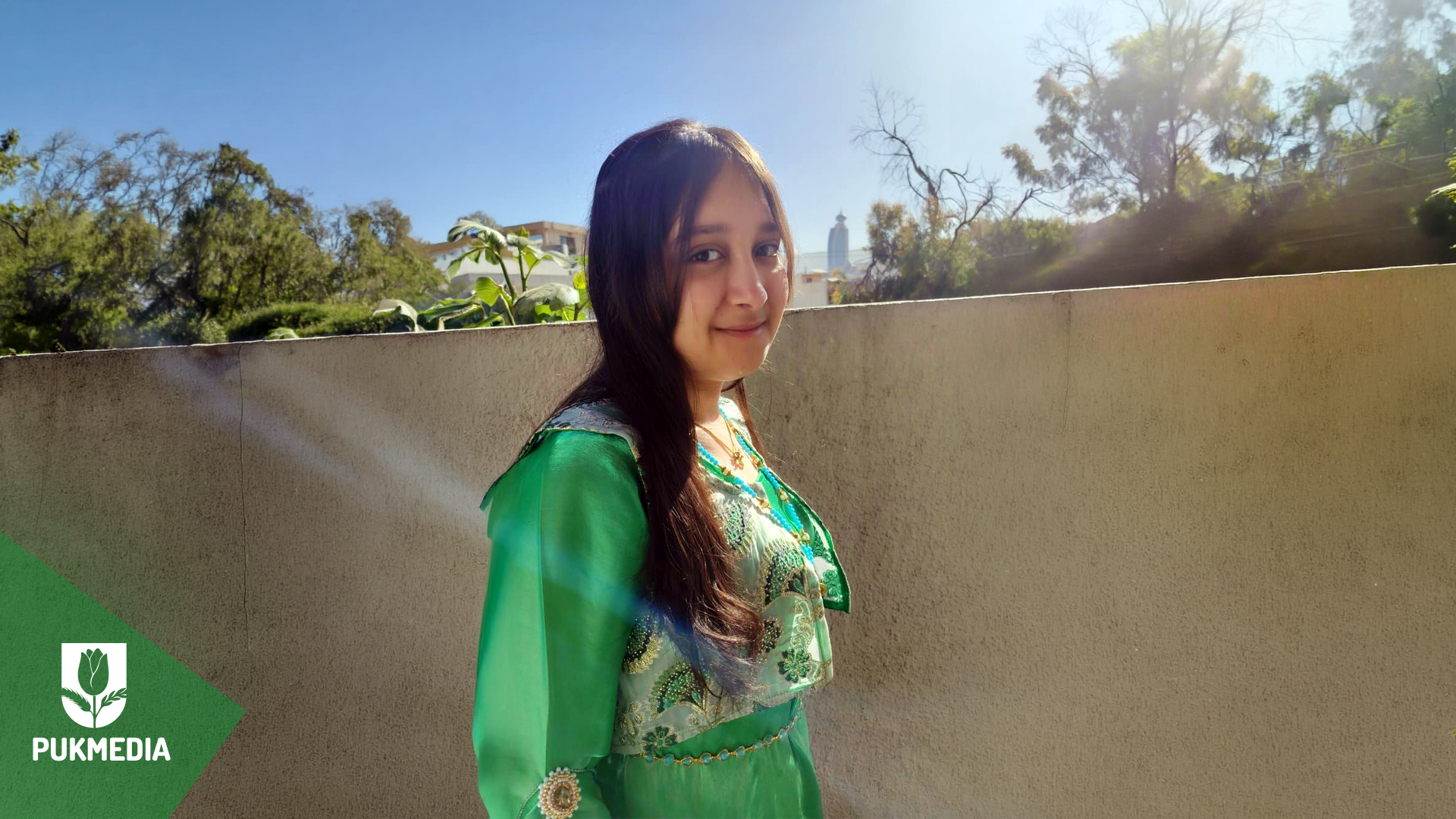
Teen Author and Translator Pursues Multilingual Success
01:24 PM - 2026-06-24
.jpg)
International Day of Women in Diplomacy Celebrated Worldwide
09:27 AM - 2026-06-24
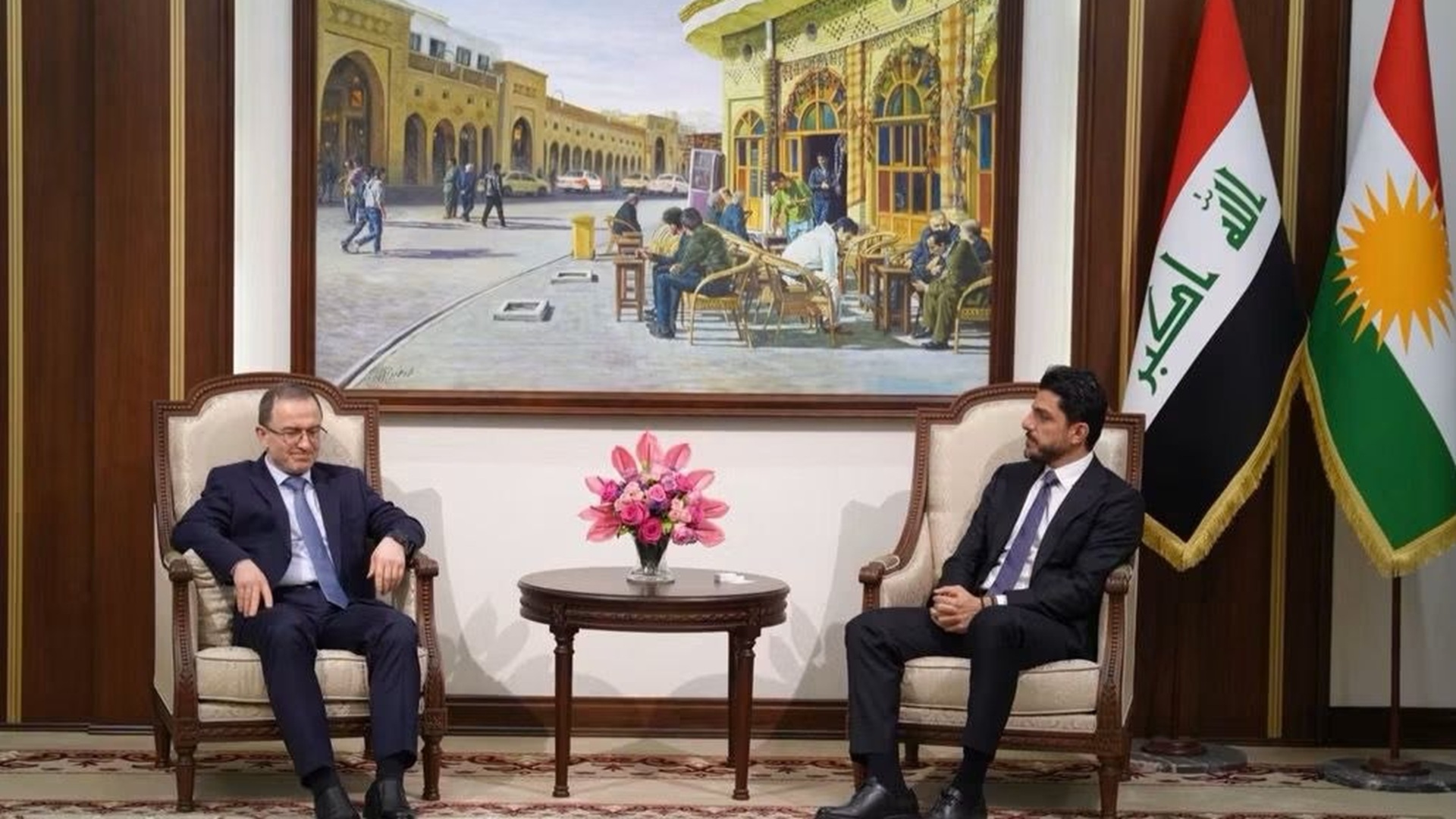
Darbaz Kosrat Rasul Receives Russian Ambassador for Talks on Political Developments
10:36 PM - 2026-06-23
Most read
-
Hero Khan: Fighter, Diplomat, Witness
Opinions 09:51 AM - 2026-06-24 -
Iraq Increases Kirkuk Oil Exports to 7 Million Barrels a Month, Says SOMO
Iraq 03:37 PM - 2026-06-23 -
Qubad Talabani: Baghdad and Erbil Must Work Together to Strengthen Iraq’s Economy
Kurdistan 05:13 PM - 2026-06-23 -
Qubad Talabani Discusses Tourism Development Strategy in Meeting with Tourism Board
Kurdistan 06:27 PM - 2026-06-23 -
Teen Author and Translator Pursues Multilingual Success
Kurdistan 01:24 PM - 2026-06-24 -
Darbaz Kosrat Rasul Receives Russian Ambassador for Talks on Political Developments
P.U.K 10:36 PM - 2026-06-23 -
Trump Claims Iran Agreed to Nuclear Inspections, Tehran Rejects Assertion
World 03:56 PM - 2026-06-23 -
PUK President, KJG Leader Discuss Unified Efforts to Resolve Outstanding Issues
Kurdistan 04:00 PM - 2026-06-24
The News in your pocket
Download
 Application