
Iran and U.S. Nuclear Talks Show Progress but Divisions Remain
World 01:47 PM - 2026-02-27 Iranian Foreign Ministry website
Iranian Foreign Minister Abbas Araghchi arrives for Iran–U.S. talks in Muscat, Oman, Friday, 6 February 2026.
Negotiations between Iran and the United States over Tehran’s nuclear programme have entered a crucial phase, with both sides reporting advance in dialogue even as key differences persist. The talks, part of efforts to prevent a potential military confrontation, continued in Geneva this week under the mediation of Oman.
Iranian Foreign Minister Abbas Araghchi described the latest round of indirect talks with the U.S. delegation as intensive and productive, saying they had “made very good progress” in discussions on nuclear limits and sanctions relief. Iranian officials said technical teams will resume detailed negotiations next week in Vienna, Austria, focusing on specific elements of a possible agreement.
Oman’s foreign ministry also characterised the discussions as having achieved “significant progress”, noting that both sides plan to continue negotiations after consulting with their capitals.
Despite optimism, Tehran has urged Washington to show seriousness and avoid “excessive demands” if the talks are to succeed. Araghchi told counterparts that progress depends on the U.S. lowering demands that Iran views as unrealistic, particularly regarding Tehran’s nuclear rights under international law.
The negotiations centre mainly on Iran’s nuclear enrichment levels, the size of its enriched uranium stockpile, and the lifting of economic sanctions that have weighed heavily on Iran’s economy. While Iran insists the dialogue focus on nuclear and sanctions issues, the U.S. side has also highlighted broader security concerns — including Iran’s ballistic missile programme and its regional policies — as part of a comprehensive settlement framework.
The current dialogue comes amid broader regional pressure. The U.S. has increased its military presence in the Middle East and has warned Tehran that a failure to reach an agreement could lead to further action. At the same time, oil markets responded with price movements this week after reports of progress at the talks, reflecting global expectations that a deal could ease sanctions and boost supply.
Sources: Euro News, Reuters, and Khaleej Times
PUKMEDIA
More news
-
Oil Prices Fall for Third Straight Day as Hormuz Shipping Recovers
10:50 AM - 2026-06-24 -
Qubad Talabani Discusses Tourism Development Strategy in Meeting with Tourism Board
06:27 PM - 2026-06-23 -
Iraq Increases Kirkuk Oil Exports to 7 Million Barrels a Month, Says SOMO
03:37 PM - 2026-06-23 -
Vance Says Talks with Iranian Officials Laid ‘Good Foundation’ for Deal to End War
01:06 PM - 2026-06-23
see more
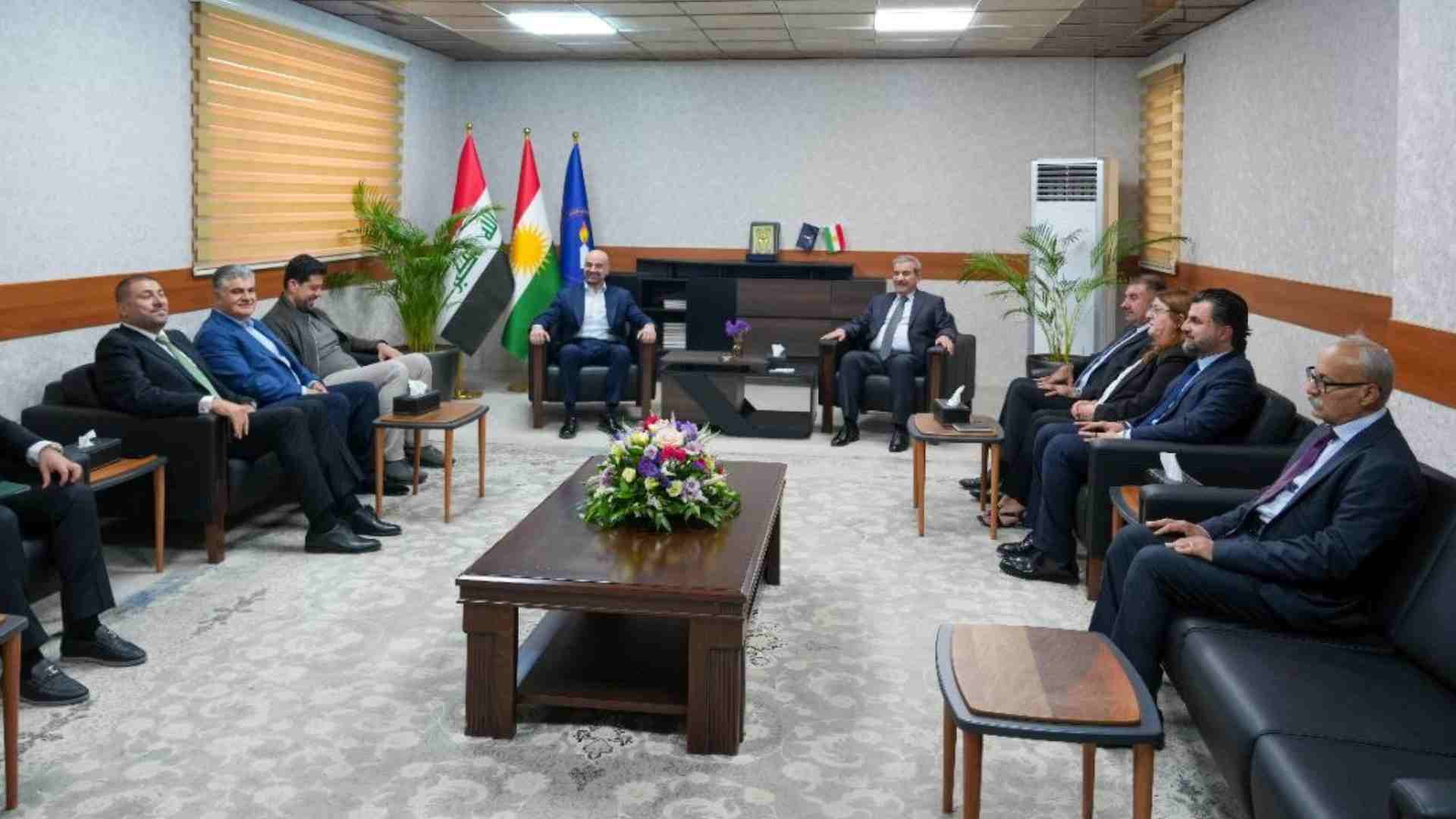
Kurdistan 05:36 PM - 2026-06-24 PUK President Visits Gorran Movement Headquarters to Strengthen Relations
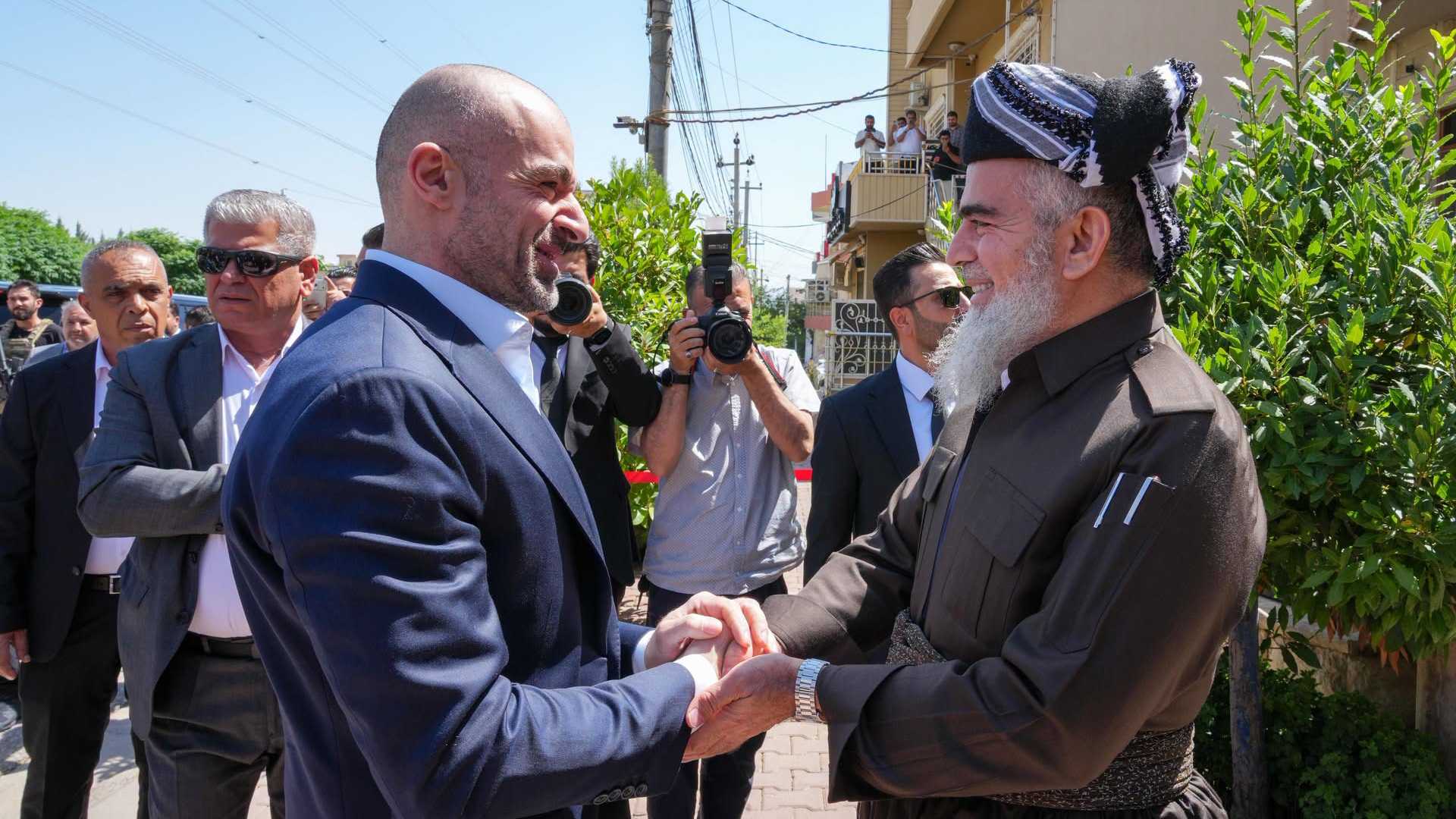
PUK President, KJG Leader Discuss Unified Efforts to Resolve Outstanding Issues
04:00 PM - 2026-06-24
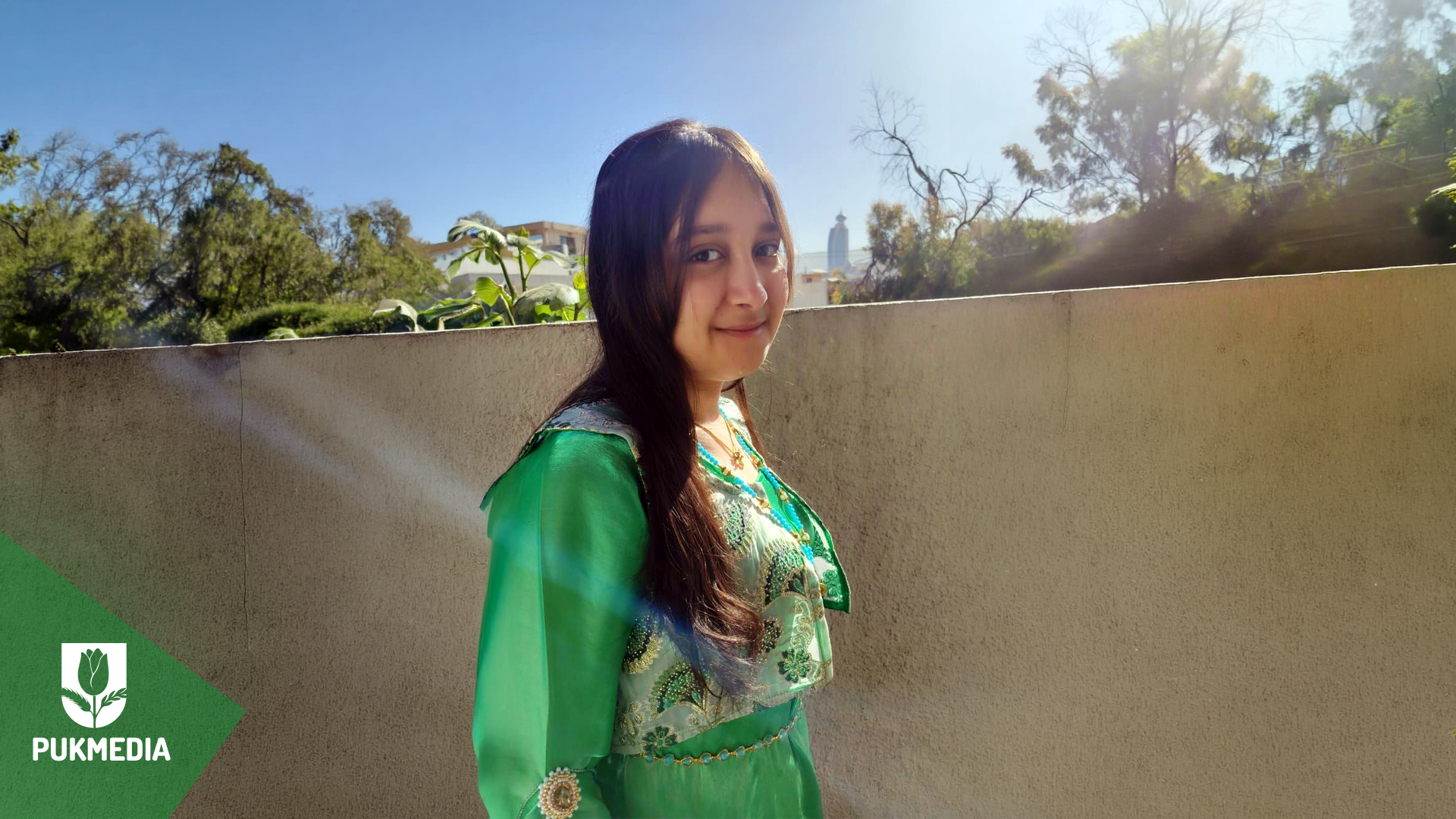
Teen Author and Translator Pursues Multilingual Success
01:24 PM - 2026-06-24
.jpg)
International Day of Women in Diplomacy Celebrated Worldwide
09:27 AM - 2026-06-24
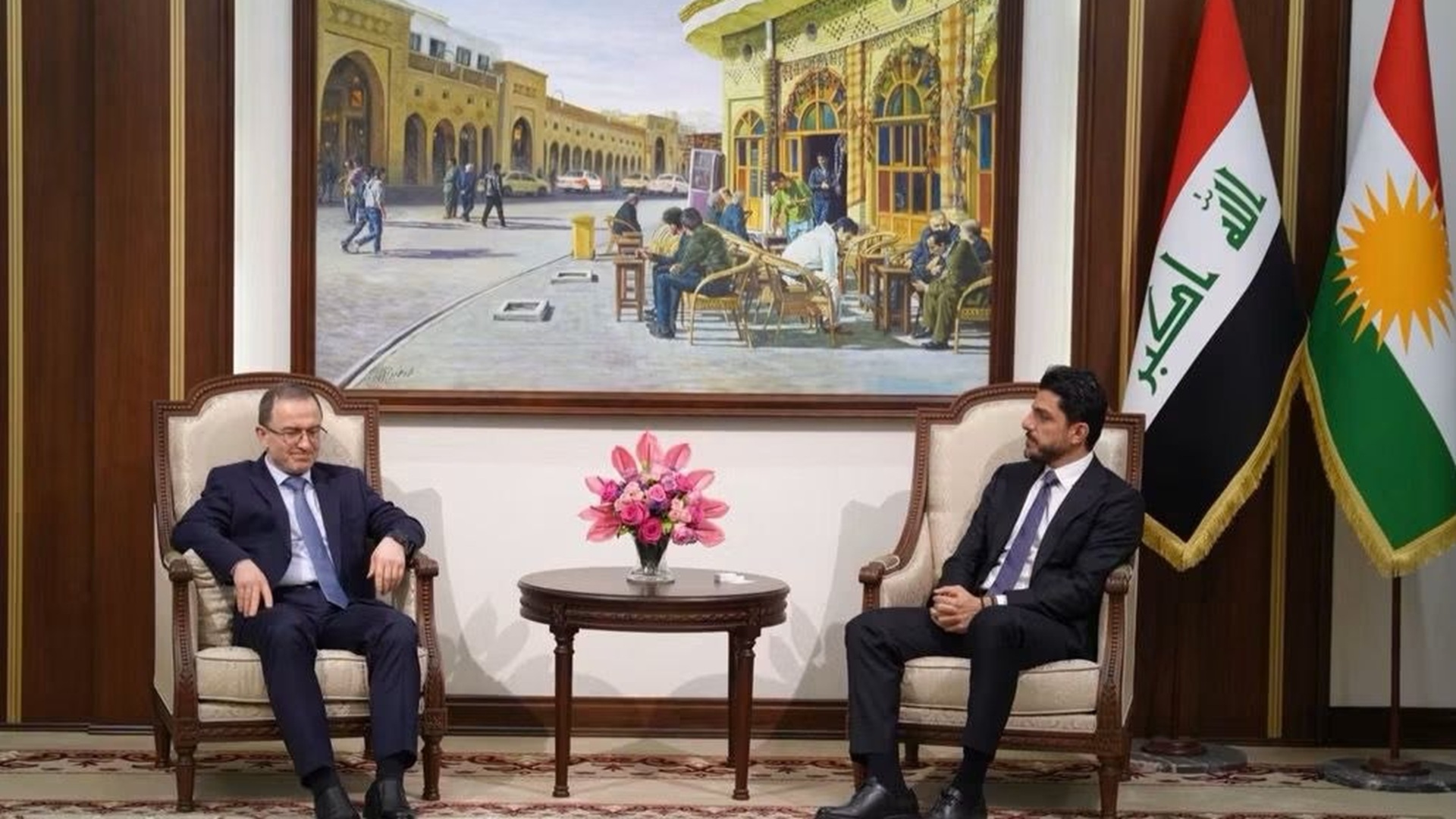
Darbaz Kosrat Rasul Receives Russian Ambassador for Talks on Political Developments
10:36 PM - 2026-06-23
Most read
-
Iraq Increases Kirkuk Oil Exports to 7 Million Barrels a Month, Says SOMO
Iraq 03:37 PM - 2026-06-23 -
Hero Khan: Fighter, Diplomat, Witness
Opinions 09:51 AM - 2026-06-24 -
Qubad Talabani: Baghdad and Erbil Must Work Together to Strengthen Iraq’s Economy
Kurdistan 05:13 PM - 2026-06-23 -
Qubad Talabani Discusses Tourism Development Strategy in Meeting with Tourism Board
Kurdistan 06:27 PM - 2026-06-23 -
Teen Author and Translator Pursues Multilingual Success
Kurdistan 01:24 PM - 2026-06-24 -
Darbaz Kosrat Rasul Receives Russian Ambassador for Talks on Political Developments
P.U.K 10:36 PM - 2026-06-23 -
Trump Claims Iran Agreed to Nuclear Inspections, Tehran Rejects Assertion
World 03:56 PM - 2026-06-23 -
PUK President, KJG Leader Discuss Unified Efforts to Resolve Outstanding Issues
Kurdistan 04:00 PM - 2026-06-24
The News in your pocket
Download
 Application