

Oman Confirms New Round of U.S.-Iran Nuclear Talks Set for Thursday in Geneva
World 01:31 PM - 2026-02-23 AP
AP
Steve Witkoff, White House special envoy, center, shakes hands with Oman’s Foreign Minister Sayyid Badr Albusaidi, accompanied by Jared Kushner, left, during a meeting prior to Iran and U.S. negotiations in Muscat, 6 February 2026.
Iran and the U.S. will hold a third round of nuclear talks on Thursday in Geneva, Oman's Foreign Minister Badr Al Busaidi said on Sunday, amid growing concerns about the risk of military conflict between the longtime adversaries.
The U.S. has built up its military presence in the Middle East, with US President Donald Trump warning on Thursday that “really bad things will happen” if no deal is reached to solve a long-standing dispute over Tehran's nuclear programme. Tehran has threatened to retaliate to any strike by targeting regional American bases.
“Pleased to confirm U.S.-Iran negotiations are now set for Geneva this Thursday, with a positive push to go the extra mile towards finalising the deal,” said Al Busaidi, who acts as a mediator in indirect talks between Washington and Tehran.
The Trump administration expects to receive a detailed Iranian proposal for a nuclear deal by Tuesday, before the talks, a senior US official told Axios.
Iran's President Masoud Pezeshkian voiced cautious optimism on Sunday in a post on X saying recent negotiations had “yielded encouraging signals”, while pointing at Tehran's readiness for “any potential scenario”.
Shortly before Oman's announcement, Iran's Foreign Minister Abbas Araghchi told CBS in an interview that he expected to meet U.S. envoy Steve Witkoff in Geneva on Thursday, and said a “good chance” remained for a diplomatic solution on the nuclear issue.
Araghchi said Iran was still working on a draft proposal for an agreement that would avert military action.
The nuclear issue, he added, is the only matter being discussed — even though both the United States and Israel also want to address Iran's missile programme and its support for armed proxies in the Middle East.
U.S. President Donald Trump warned on Friday that limited strikes against Iran are possible, and both Iran and the U.S. have signalled they are prepared for war if the talks on Tehran’s nuclear programme fail.
The U.S. has said Iran cannot have nuclear weapons or the capacity to build them and that it cannot enrich uranium. Araghchi, however, told CBS that Iran has the right to enrich uranium.
On Friday, he said his U.S. counterparts had not asked for zero enrichment as part of the latest round of talks, which is not what U.S. officials have said publicly. He also said talks focused on how to ensure that Iran's nuclear programme, including enrichment, "will remain peaceful forever." He said that in return, Iran will implement confidence-building measures in exchange for relief on economic sanctions.
Although Iran insists its nuclear programme is peaceful, the U.S. and others suspect it is aimed at eventually developing weapons. Iran says it hasn’t been enriching uranium since U.S. and Israeli strikes on Iranian nuclear sites in June.
Meanwhile, Araghchi asserted to CBS that “we have a very good capability of missiles, and now we are even in a better situation" than before the strikes in June.
Nuclear talks had been deadlocked for years after President Trump’s decision in 2018 to unilaterally withdraw the U.S. from Iran’s 2015 nuclear deal with world powers.
Sources: AP, AFP, Euronews
PUKMEDIA
More news
-
Oil Prices Fall for Third Straight Day as Hormuz Shipping Recovers
10:50 AM - 2026-06-24 -
Qubad Talabani Discusses Tourism Development Strategy in Meeting with Tourism Board
06:27 PM - 2026-06-23 -
Iraq Increases Kirkuk Oil Exports to 7 Million Barrels a Month, Says SOMO
03:37 PM - 2026-06-23 -
Vance Says Talks with Iranian Officials Laid ‘Good Foundation’ for Deal to End War
01:06 PM - 2026-06-23
see more
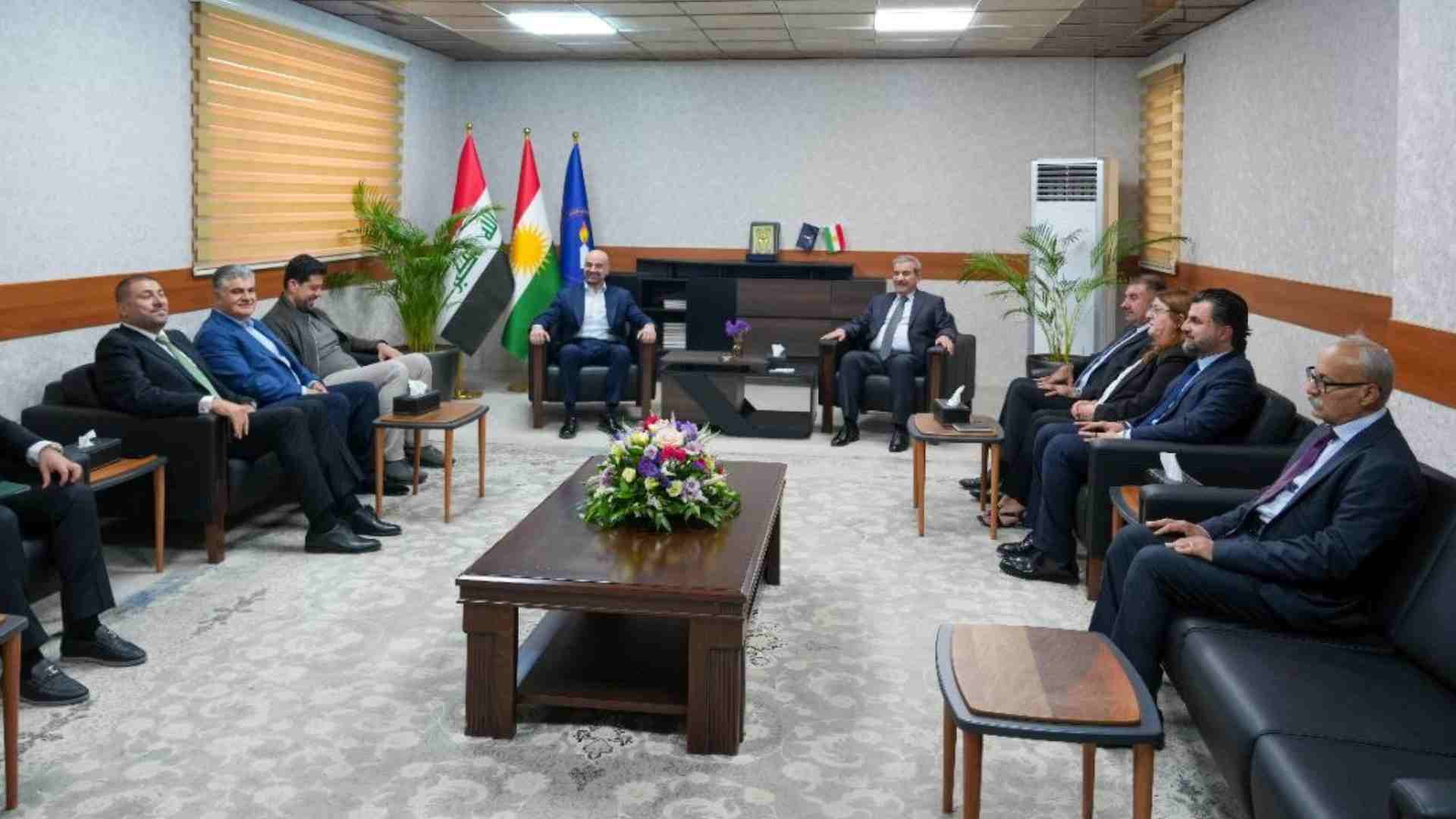
Kurdistan 05:36 PM - 2026-06-24 PUK President Visits Gorran Movement Headquarters to Strengthen Relations
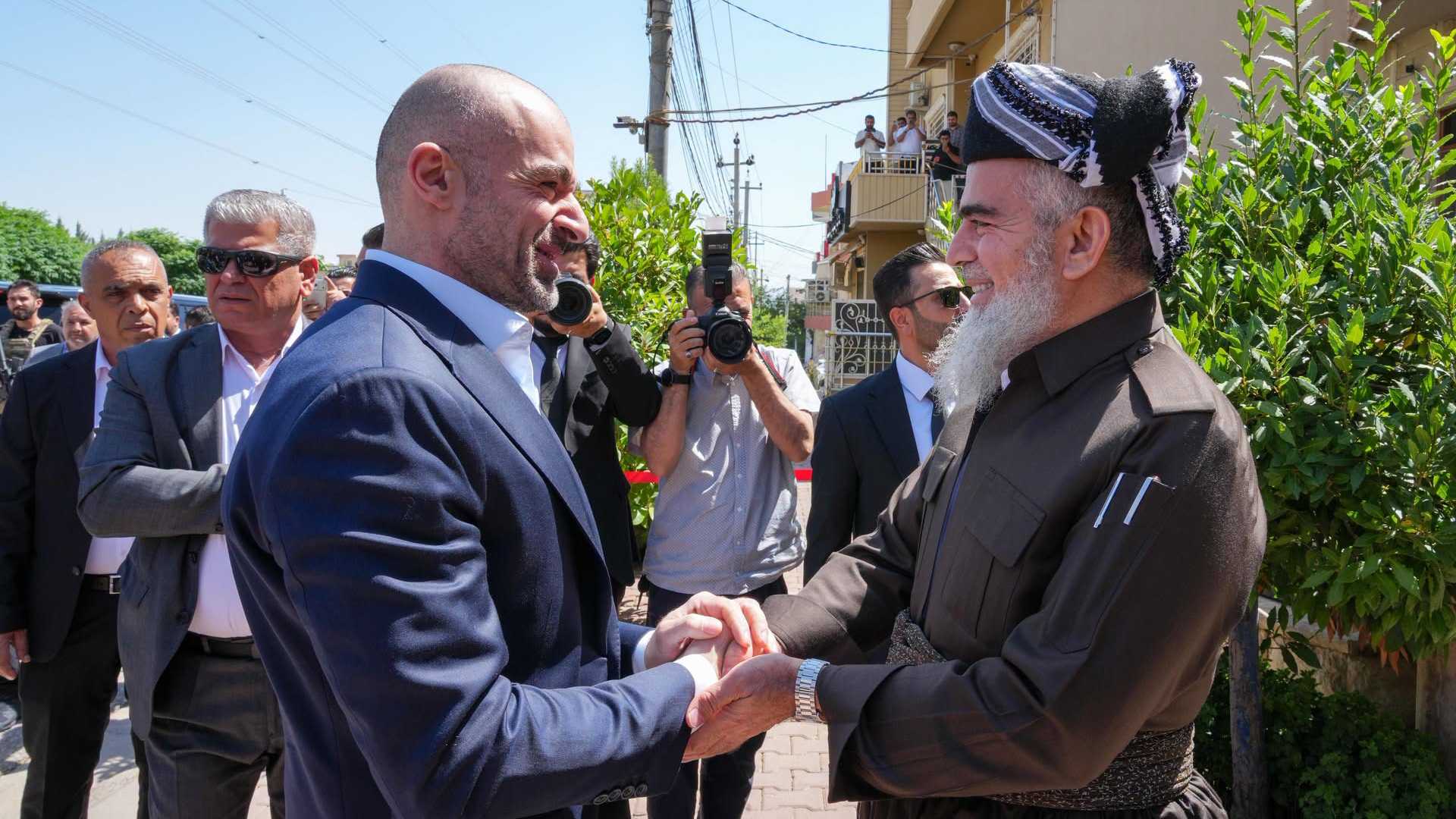
PUK President, KJG Leader Discuss Unified Efforts to Resolve Outstanding Issues
04:00 PM - 2026-06-24
Teen Author and Translator Pursues Multilingual Success
01:24 PM - 2026-06-24
.jpg)
International Day of Women in Diplomacy Celebrated Worldwide
09:27 AM - 2026-06-24
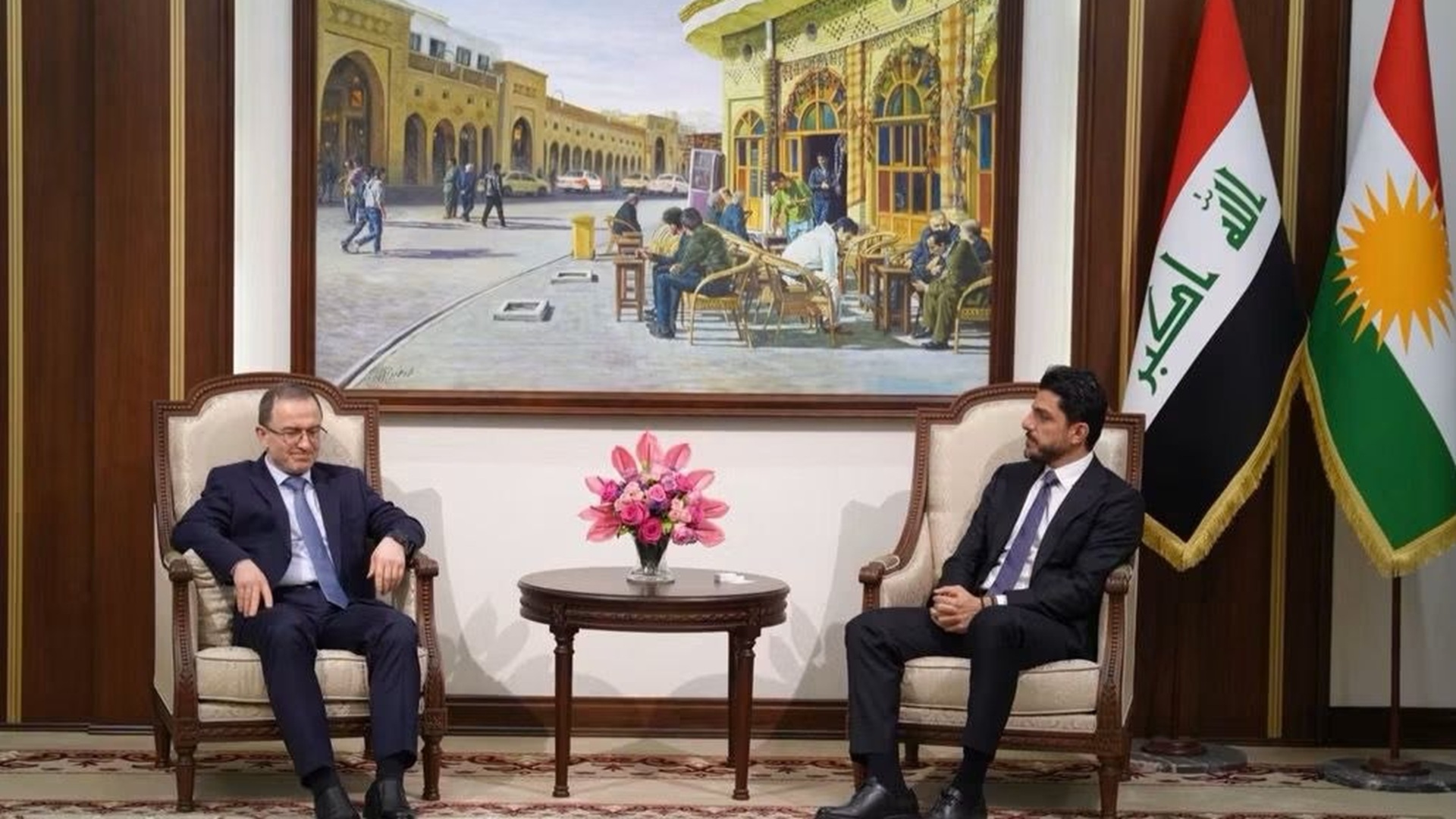
Darbaz Kosrat Rasul Receives Russian Ambassador for Talks on Political Developments
10:36 PM - 2026-06-23
Most read
-
Iraq Increases Kirkuk Oil Exports to 7 Million Barrels a Month, Says SOMO
Iraq 03:37 PM - 2026-06-23 -
Hero Khan: Fighter, Diplomat, Witness
Opinions 09:51 AM - 2026-06-24 -
Qubad Talabani: Baghdad and Erbil Must Work Together to Strengthen Iraq’s Economy
Kurdistan 05:13 PM - 2026-06-23 -
Qubad Talabani Discusses Tourism Development Strategy in Meeting with Tourism Board
Kurdistan 06:27 PM - 2026-06-23 -
Teen Author and Translator Pursues Multilingual Success
Kurdistan 01:24 PM - 2026-06-24 -
Darbaz Kosrat Rasul Receives Russian Ambassador for Talks on Political Developments
P.U.K 10:36 PM - 2026-06-23 -
Trump Claims Iran Agreed to Nuclear Inspections, Tehran Rejects Assertion
World 03:56 PM - 2026-06-23 -
PUK President, KJG Leader Discuss Unified Efforts to Resolve Outstanding Issues
Kurdistan 04:00 PM - 2026-06-24
The News in your pocket
Download
 Application