

Kobani Siege Enters Second Month as Humanitarian Crisis Deepens
Kurdistan 09:36 AM - 2026-02-19 SOHR
SOHR
Kobani under seige.
Since 18 January, the city of Kobani has remained under continuous siege, placing immense strain on both its residents and infrastructure and leaving thousands of civilians facing daily fear, hardship and illness. Once a refuge for those displaced by fighting in surrounding areas, the city is now itself overwhelmed by mounting crises that intensify with each passing day.
Thirty-one days of blockade have severely eroded the basic necessities of life. Medicines are in short supply, fuel is scarce and beyond the reach of many families, bakeries are crowded from the early hours, and disease is spreading in increasingly congested and impoverished neighbourhoods. With only limited aid reaching the city, the gap between growing needs and available resources continues to widen.
Health Sector on the Brink
Local health authorities warn that the prolonged siege is pushing the medical system towards collapse. Since the blockade began, no regular shipments of medical supplies have entered the city, aside from small quantities deemed insufficient. Stocks of medicines for leishmaniasis and hepatitis have been exhausted, as have treatments for chronic conditions such as diabetes, hypertension and heart disease.
Patients with thalassaemia — most of them children — face particular danger due to shortages of blood units and iron chelation therapy. As they require regular transfusions that cannot be delayed, the risks are acute.
With residents increasingly forced to rely on untreated well water, more than 2,000 cases of gastrointestinal illness, accompanied by vomiting and diarrhoea, have been recorded. Hospitals are struggling with a lack of intravenous treatments, and many patients are not responding to oral medication.
The city recently lost 12-year-old Dildar Rezan Hassou after his condition worsened due to an autoimmune disease. Restrictions linked to the siege prevented his transfer to hospitals in Aleppo. His death underscores a broader crisis affecting dozens of patients awaiting permission to leave for treatment — an opportunity that may never materialise.
Fuel and Food Shortages
Beyond the health emergency, fuel scarcity is paralysing daily life. Small quantities reportedly enter through informal channels and are sold at inflated prices. Residents queue for long hours at the few functioning stations in the hope of securing enough fuel to heat their homes or operate small generators.
Markets are also experiencing shortages of vegetables and essential goods, with prices rising sharply. The situation is compounded by the presence of thousands of displaced people from neighbouring villages, further stretching limited resources.
Aid Falls Short
Although dozens of aid lorries entered parts of northern and eastern Syria during February — including some deliveries to Kobani — alongside a medical delegation from the Kurdistan Region, sources cited by the Syrian Observatory for Human Rights indicate that the assistance provided falls well short of meeting even the minimum needs accumulated over a month of siege, particularly in the health sector.
As the first month of blockade comes to an end, calls are intensifying for the establishment of permanent and unconditional humanitarian corridors to ensure the regular delivery of medicines, medical supplies and food, and to allow critically ill patients to leave for treatment.
Amid medicine shortages, queues for heating fuel and reliance on insufficient aid convoys, Kobani continues to endure harsh days under siege. Residents fear that time itself may become an additional adversary, compounding the human toll and further testing the city’s resilience.
PUKMEDIA
More news
-
Oil Prices Fall for Third Straight Day as Hormuz Shipping Recovers
10:50 AM - 2026-06-24 -
Qubad Talabani Discusses Tourism Development Strategy in Meeting with Tourism Board
06:27 PM - 2026-06-23 -
Iraq Increases Kirkuk Oil Exports to 7 Million Barrels a Month, Says SOMO
03:37 PM - 2026-06-23 -
Vance Says Talks with Iranian Officials Laid ‘Good Foundation’ for Deal to End War
01:06 PM - 2026-06-23
see more
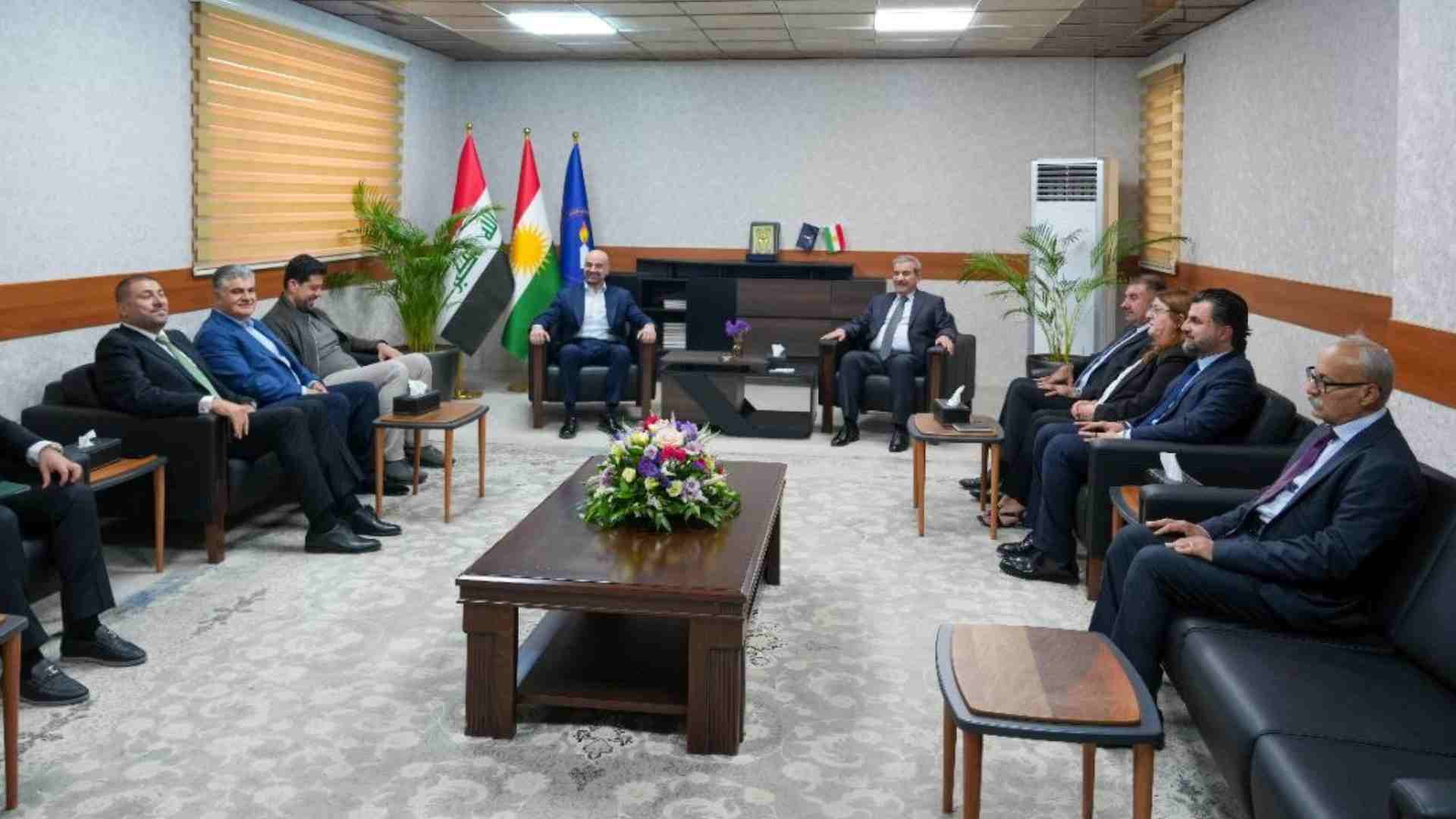
Kurdistan 05:36 PM - 2026-06-24 PUK President Visits Gorran Movement Headquarters to Strengthen Relations
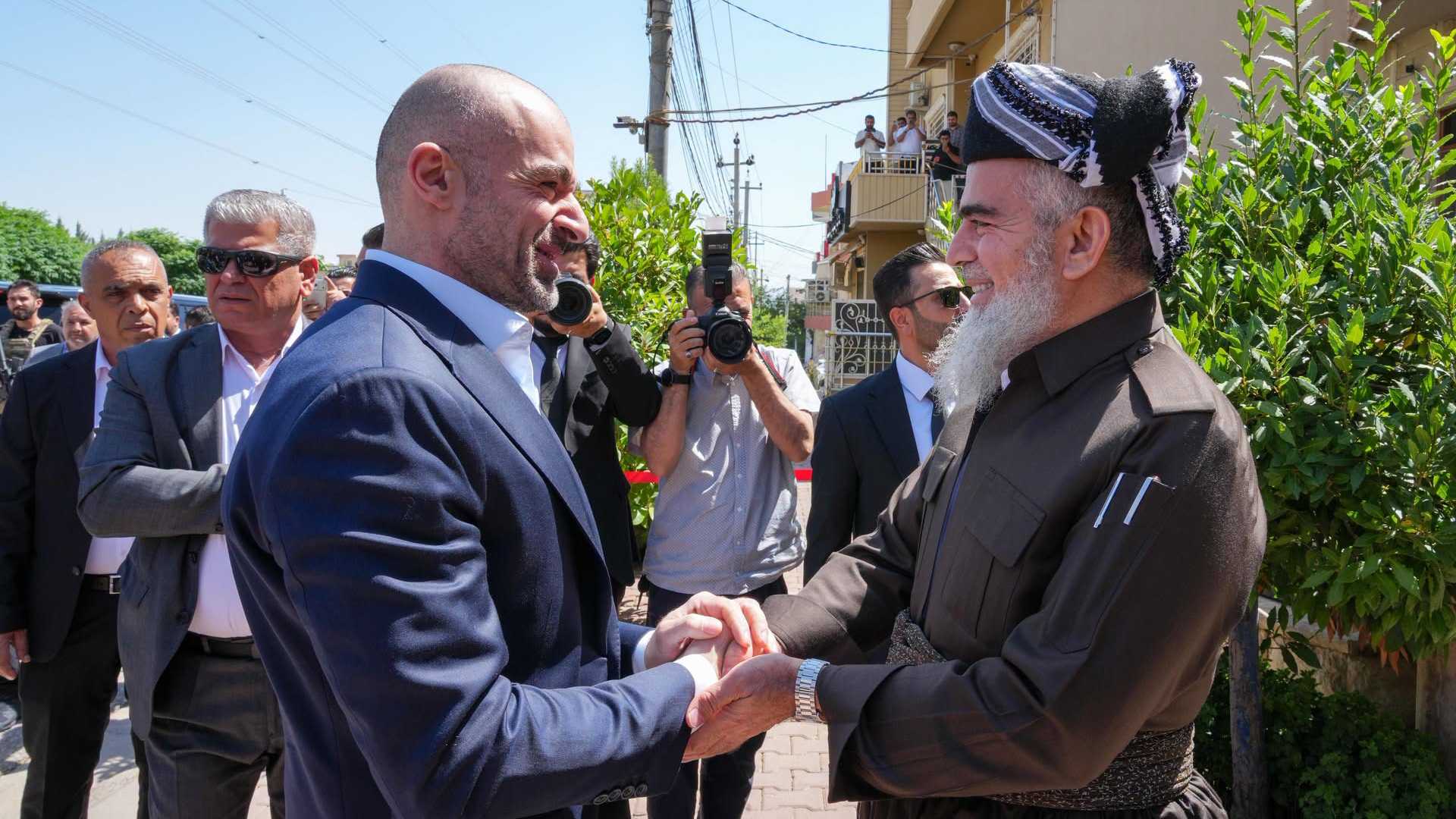
PUK President, KJG Leader Discuss Unified Efforts to Resolve Outstanding Issues
04:00 PM - 2026-06-24
Teen Author and Translator Pursues Multilingual Success
01:24 PM - 2026-06-24
.jpg)
International Day of Women in Diplomacy Celebrated Worldwide
09:27 AM - 2026-06-24
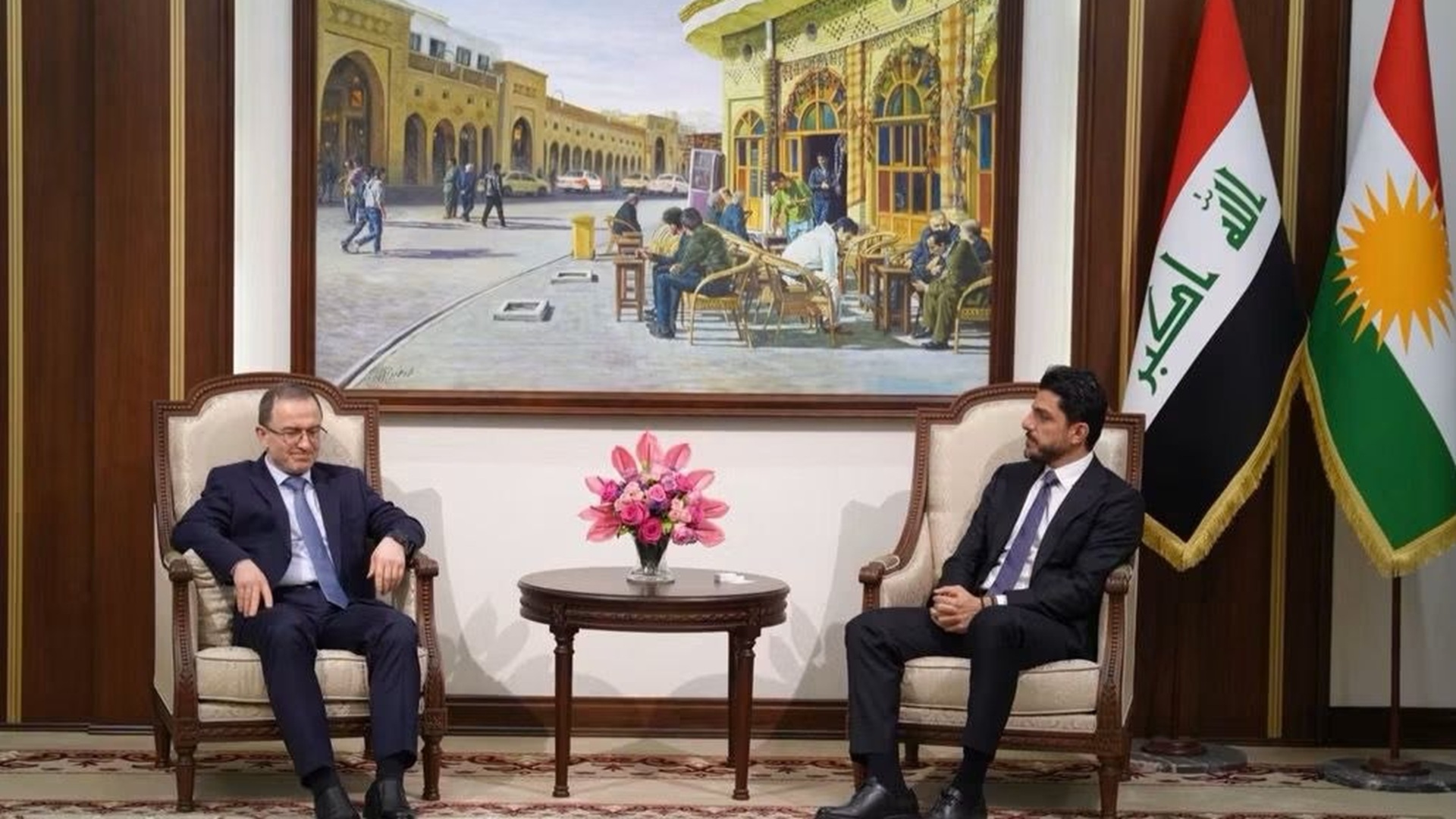
Darbaz Kosrat Rasul Receives Russian Ambassador for Talks on Political Developments
10:36 PM - 2026-06-23
Most read
-
Hero Khan: Fighter, Diplomat, Witness
Opinions 09:51 AM - 2026-06-24 -
Iraq Increases Kirkuk Oil Exports to 7 Million Barrels a Month, Says SOMO
Iraq 03:37 PM - 2026-06-23 -
Qubad Talabani: Baghdad and Erbil Must Work Together to Strengthen Iraq’s Economy
Kurdistan 05:13 PM - 2026-06-23 -
Qubad Talabani Discusses Tourism Development Strategy in Meeting with Tourism Board
Kurdistan 06:27 PM - 2026-06-23 -
Teen Author and Translator Pursues Multilingual Success
Kurdistan 01:24 PM - 2026-06-24 -
Darbaz Kosrat Rasul Receives Russian Ambassador for Talks on Political Developments
P.U.K 10:36 PM - 2026-06-23 -
Trump Claims Iran Agreed to Nuclear Inspections, Tehran Rejects Assertion
World 03:56 PM - 2026-06-23 -
PUK President, KJG Leader Discuss Unified Efforts to Resolve Outstanding Issues
Kurdistan 04:00 PM - 2026-06-24
The News in your pocket
Download
 Application