

U.S., Iran to Hold Nuclear Talks on Friday, Regional Countries to Participate, Sources Say
World 10:50 PM - 2026-02-02.jpg) Freepik
Freepik
U.S. and Iranian flags.
Iran and the United States will resume nuclear talks on Friday in Türkiye, Iranian and U.S. officials told Reuters on Monday, while a regional diplomat said representatives from countries such as Saudi Arabia and Egypt would participate.
U.S. Special Envoy Steve Witkoff and Iranian Foreign Minister Abbas Araqchi will meet in Istanbul in an effort to revive diplomacy over a long-running dispute about Iran's nuclear programme and dispel fears of a new regional war.
Türkiye and other regional allies have sought de-escalation.
"Qatar, Saudi Arabia, UAE and Egypt, as well as some other countries, will attend the Istanbul meeting. There will be bilateral, trilateral and other meetings," the diplomat said.
Tensions are running high amid a U.S. naval buildup near Iran, following a violent crackdown against anti-government demonstrations last month, the deadliest domestic unrest in Iran since its 1979 revolution.
U.S. President Donald Trump, who stopped short of carrying out threats to intervene during the crackdown, has since demanded Tehran make nuclear concessions and sent a flotilla to its coast. He said last week Iran was "seriously talking", while Tehran's top security official Ali Larijani said arrangements for negotiations were under way.
Iranian sources told Reuters last week that Trump had demanded three conditions for resumption of talks: Zero enrichment of uranium in Iran, limits on Tehran's ballistic missile programme and ending its support for regional proxies.
Iran has long rejected all three demands as unacceptable infringements of its sovereignty, but two Iranian officials told Reuters its clerical rulers saw the ballistic missile programme, rather than uranium enrichment, as the bigger obstacle.
Iranian Foreign Ministry spokesperson Esmaeil Baghaei said Tehran was considering "the various dimensions and aspects of the talks", adding that "time is of the essence for Iran as it wants the lifting of unjust sanctions sooner".
A Turkish ruling party official told Reuters that Tehran and Washington had agreed to re-focus on diplomacy and possible talks this week, in a potential reprieve for potential U.S. strikes.
Witkoff was expected to visit Israel to meet Prime Minister Benjamin Netanyahu and Israel's military chief, two senior Israeli officials said separately on Monday.
The Iranian official said "diplomacy is ongoing. For talks to resume, Iran says there should not be preconditions and that it is ready to show flexibility on uranium enrichment, including handing over 400 kg of highly enriched uranium, accepting zero enrichment under a consortium arrangement as a solution".
However, he added, for the start of talks, Tehran wanted U.S. military assets moved away from Iran.
"Now the ball is in Trump's court," he said.
Tehran’s regional influence has been significantly weakened by Israeli attacks on its allied groups, including Hamas in Gaza, Hezbollah in Lebanon, the Houthis in Yemen and Iran-backed militias in Iraq, as well as by the ousting of Iran’s close ally, former Syrian President Bashar al-Assad.
In June last year, the United States struck Iranian nuclear facilities, joining the final phase of a 12-day Israeli bombing campaign. Tehran subsequently said its uranium enrichment activities had been halted.
Recent satellite imagery of two of the targeted sites, Isfahan and Natanz, appears to show limited repair work since December, including new roofing on two buildings that had previously been destroyed. No other reconstruction activity was observed, according to images provided by Planet Labs and reviewed by Reuters.
The Washington-based Institute for Science and International Security (ISIS) said satellite images taken in late January showed construction activity near tunnel entrances at the Isfahan facility, which could “indicate preparations for additional military strikes,” similar to activity seen prior to last year’s U.S. attacks. The institute added that the work could also suggest the relocation of assets from other sites.
Negotiations between Tehran and Washington have stalled since May 2023 after five rounds of talks, with several key issues remaining unresolved. These include Iran’s insistence on maintaining uranium enrichment on its own soil and its refusal to ship its entire stockpile of highly enriched uranium abroad.
The United Nations nuclear watchdog has repeatedly called on Iran to clarify the fate of its highly enriched uranium following the June strikes.
Western governments fear that Iran’s uranium enrichment programme could produce material suitable for a nuclear warhead. Iran maintains that its nuclear activities are strictly for electricity generation and other civilian purposes.
Iranian sources said Tehran could agree to export its highly enriched uranium and pause enrichment as part of a broader deal that would also require the lifting of international economic sanctions.
Article was originally published by Reuters.
PUKMEDIA
More news
-
Oil Prices Fall for Third Straight Day as Hormuz Shipping Recovers
10:50 AM - 2026-06-24 -
Qubad Talabani Discusses Tourism Development Strategy in Meeting with Tourism Board
06:27 PM - 2026-06-23 -
Iraq Increases Kirkuk Oil Exports to 7 Million Barrels a Month, Says SOMO
03:37 PM - 2026-06-23 -
Vance Says Talks with Iranian Officials Laid ‘Good Foundation’ for Deal to End War
01:06 PM - 2026-06-23
see more
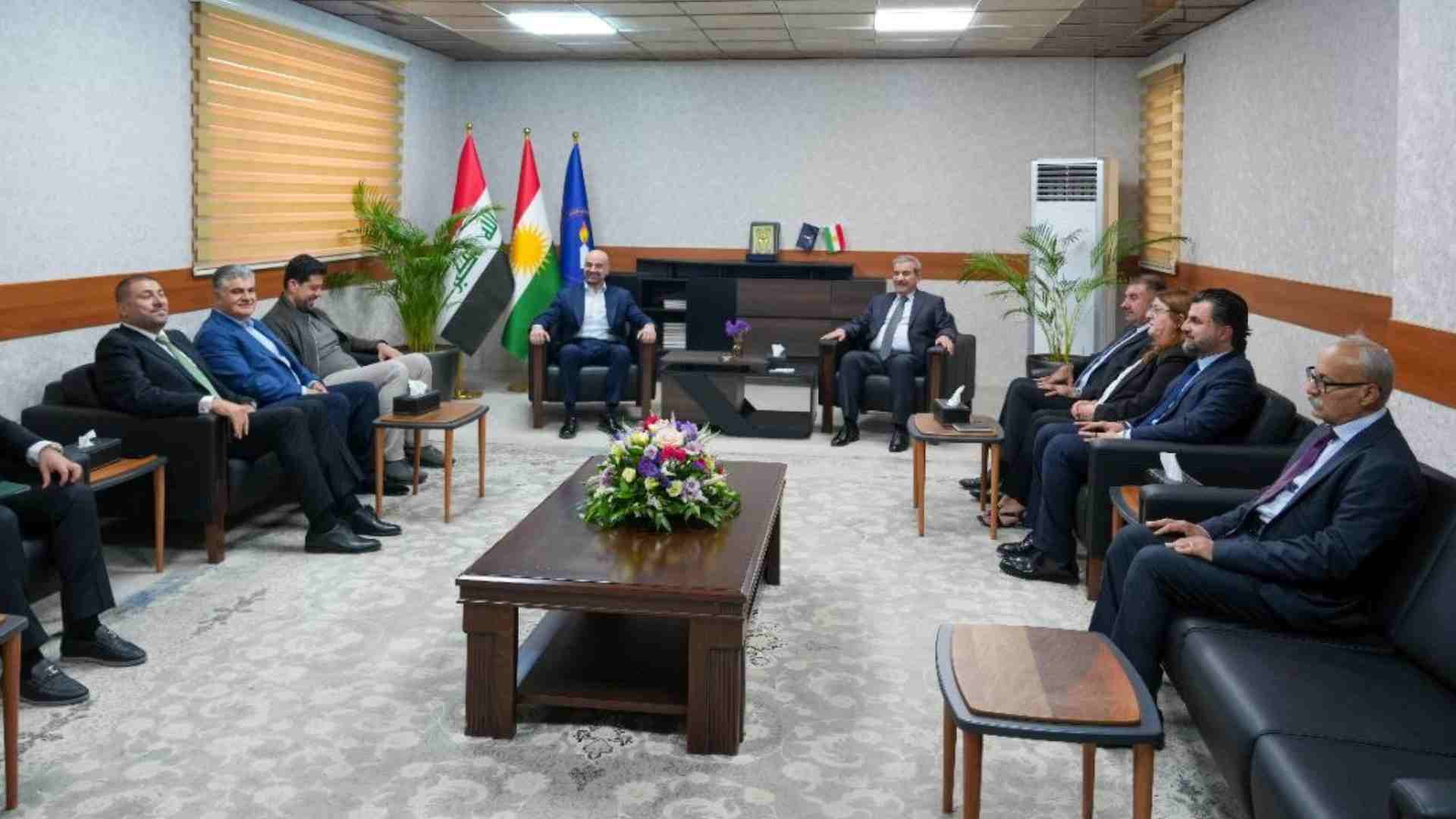
Kurdistan 05:36 PM - 2026-06-24 PUK President Visits Gorran Movement Headquarters to Strengthen Relations
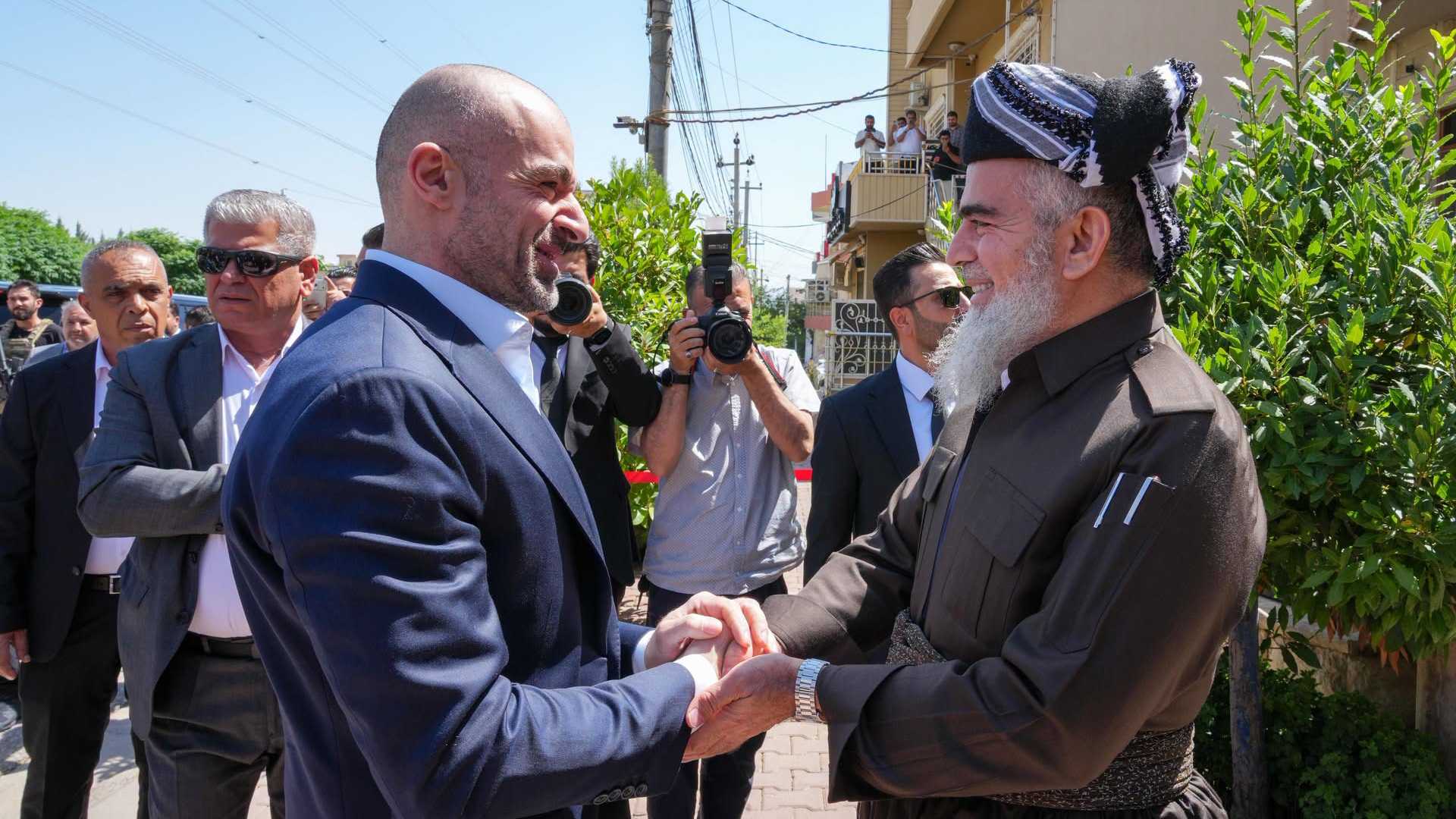
PUK President, KJG Leader Discuss Unified Efforts to Resolve Outstanding Issues
04:00 PM - 2026-06-24
Teen Author and Translator Pursues Multilingual Success
01:24 PM - 2026-06-24
.jpg)
International Day of Women in Diplomacy Celebrated Worldwide
09:27 AM - 2026-06-24
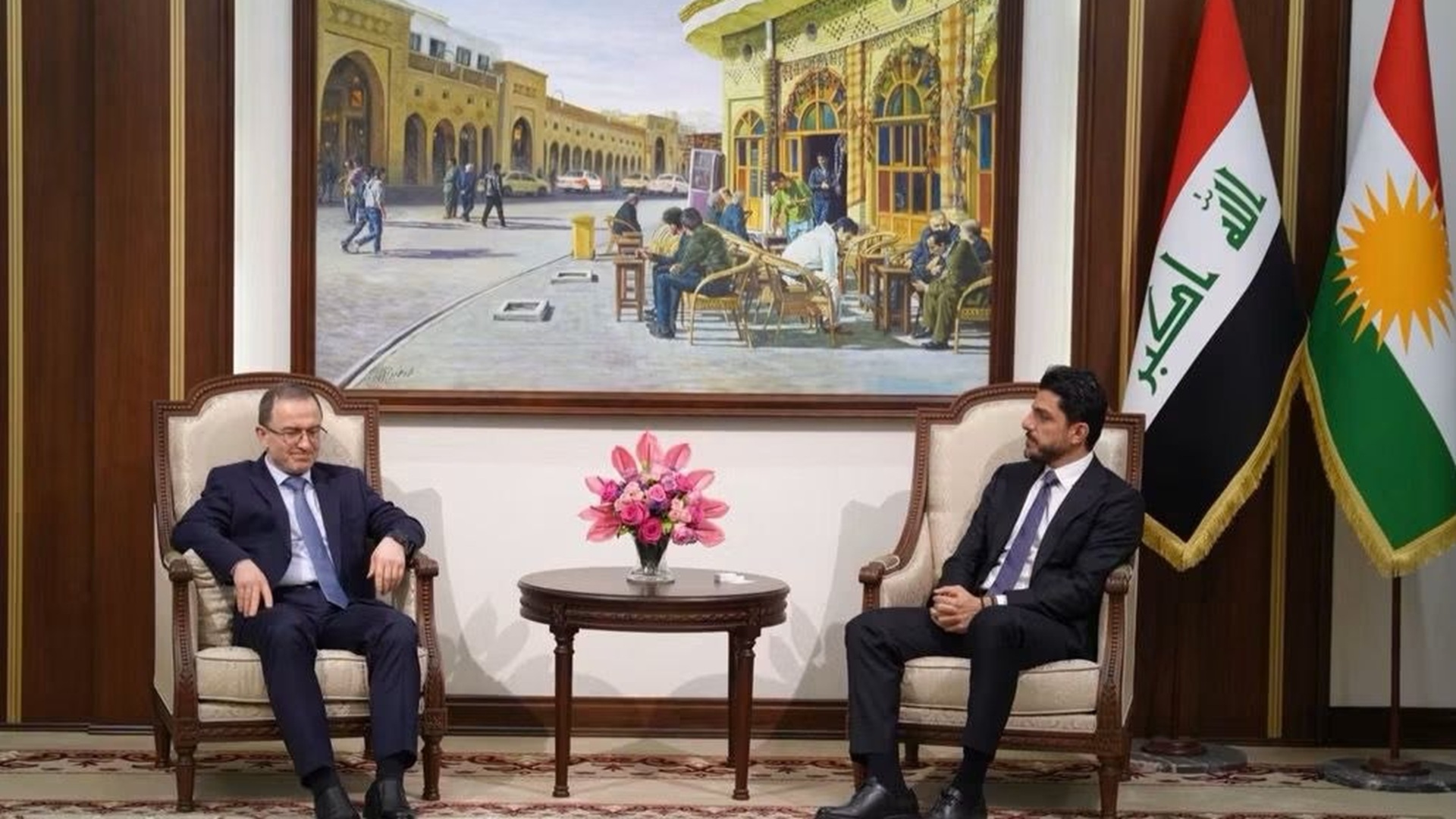
Darbaz Kosrat Rasul Receives Russian Ambassador for Talks on Political Developments
10:36 PM - 2026-06-23
Most read
-
Iraq Increases Kirkuk Oil Exports to 7 Million Barrels a Month, Says SOMO
Iraq 03:37 PM - 2026-06-23 -
Hero Khan: Fighter, Diplomat, Witness
Opinions 09:51 AM - 2026-06-24 -
Qubad Talabani: Baghdad and Erbil Must Work Together to Strengthen Iraq’s Economy
Kurdistan 05:13 PM - 2026-06-23 -
Qubad Talabani Discusses Tourism Development Strategy in Meeting with Tourism Board
Kurdistan 06:27 PM - 2026-06-23 -
Teen Author and Translator Pursues Multilingual Success
Kurdistan 01:24 PM - 2026-06-24 -
Darbaz Kosrat Rasul Receives Russian Ambassador for Talks on Political Developments
P.U.K 10:36 PM - 2026-06-23 -
Trump Claims Iran Agreed to Nuclear Inspections, Tehran Rejects Assertion
World 03:56 PM - 2026-06-23 -
PUK President, KJG Leader Discuss Unified Efforts to Resolve Outstanding Issues
Kurdistan 04:00 PM - 2026-06-24
The News in your pocket
Download
 Application