

SDF Chief Confirms Kurdish Cities to Remain Under Local Security Control
World 12:36 PM - 2026-01-31 PUKMEDIA
Mazloum Abdi, Commander-in-Chief of the Syrian Democratic Forces (SDF).
Mazloum Abdi, Commander-in-Chief of the Syrian Democratic Forces (SDF), has stated that Syrian government forces will not enter Kurdish cities or towns in North and East Syria, explaining that they are trying to include Afrin and Seri Kani in the agreement with the Syrian interim government.
A comprehensive ceasefire has been reached between the SDF and the Syrian Government marking a significant step towards stabilising the country. According to a statement by the SDF Media Center, military forces from both sides will withdraw from contact points, while Interior Ministry security forces will be deployed to city centres in Hasakah and Qamishli under the agreement. The deal also sets out the phased integration of SDF security and military units into the Syrian state, including the creation of a new military division composed of three SDF brigades and a Kobani brigade under the Aleppo Governorate.
The agreement further provides for the integration of the Autonomous Administration of North and East Syria’s institutions into the official Syrian state framework, regularising the status of civil servants and ensuring continuity in governance. It also addresses the civil and educational rights of the Kurdish population and guarantees the return of displaced persons to their homes.
Syrian Government Forces Will Not Enter Kurdish Cities
Speaking in an interview, Abdi said that Damascus-affiliated forces would not play a role inside Kurdish cities as per their agreement with the Syrian interim government. He explained that a limited security presence would temporarily enter the security squares of Hasakah and Qamishli solely to reactivate civilian institutions, after which they would withdraw. He emphasised that their local security forces (Asayish) would continue to maintain stability across the region.
Abdi reaffirmed that only a small number of Damascus-affiliated internal security police would be deployed to Hasakah and Qamishli. Their role, he said, would be limited to coordination and integration before their withdrawal back to their designated points.
Preserving the Distinctiveness of Kurdish Regions
The SDF Commander-in-Chief revealed that a meeting was held on 27 January 2026 with representatives from Damascus, during which an agreement was signed. He described the most important outcome of the agreement as the cessation of fighting and the protection of the unique political and social character of Kurdish areas.
He noted that the arrangements agreed upon for Kurdish regions would also be applied to Afrin and Seri Kani.
Institutions to Remain Unchanged
Abdi confirmed that employees of the Autonomous Administration in Kurdish areas would retain their positions and be integrated into the relevant ministries. He stressed that institutions established by the people during the revolution would remain intact and would not be dismantled or altered.
He added that the implementation of the agreement would begin on 2 February and that the siege imposed on Kobani would be lifted.
Reassurance to the Public
Addressing public concerns about the agreement, Abdi acknowledged that it had not met all expectations and that some dissatisfaction existed. However, he urged the public not to fear the agreement, assuring them that efforts would continue to achieve further gains for the Kurdish people.
He emphasised that only the Asayish forces would remain to protect all Kurdish cities and towns.
Regarding his own future, Abdi stated that he would not accept any government position. Instead, he said he would remain among the people and work towards establishing a unified Kurdish political reference in Syria.
Future of the SDF
On the future structure of the SDF, Abdi said that SDF forces would remain organised as a brigade in the Jazira region and Kobani. He added that significant plots had been aimed at exterminating the peoples of northern and eastern Syria, but these attempts had been thwarted through resistance and unity.
In conclusion, Abdi revealed that the French president had pledged political guarantees for the agreement. He expressed pride in the steadfast position of the Kurdish people.
PUKMEDIA
More news
-
Kurdistan Region VP Attends French National Day Celebration
10:43 PM - 2026-07-14 -
President Amedi: Jalal Talabani’s Legacy Will Continue to Inspire Future Generations
10:17 PM - 2026-07-14 -
China Does Not Seek a 'Sphere of Influence' in Relations with Pacific Island Nations, Foreign Minister Says
12:27 PM - 2026-07-14 -
Oil Climbs to One-Month High as U.S. and Iran Intensify Attacks in the Strait of Hormuz
09:05 AM - 2026-07-14
see more
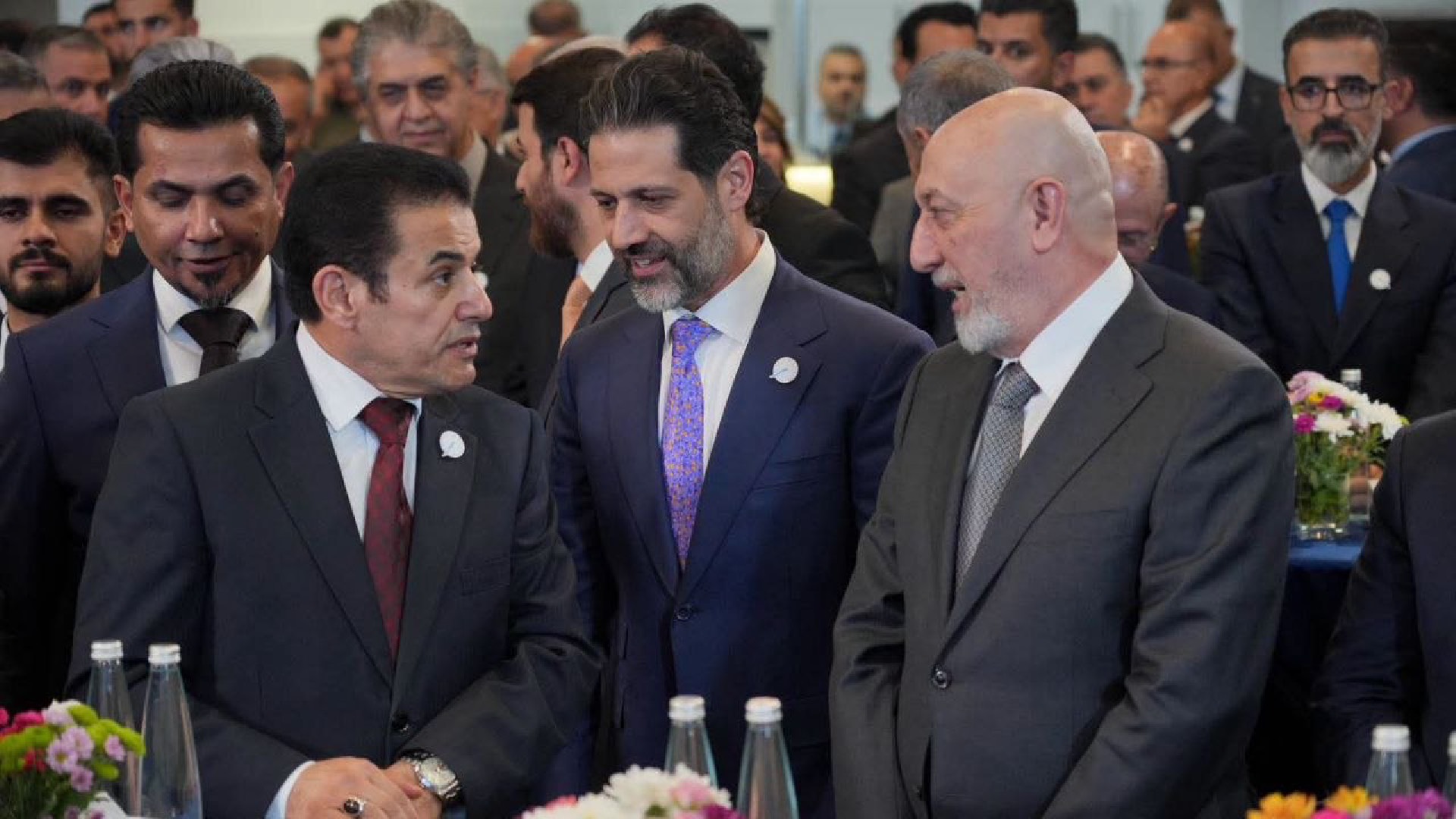
Kurdistan 10:28 PM - 2026-07-14 Qubad Talabani Welcomes Renaming of Sulaymaniyah Airport in Honour of Mam Jalal
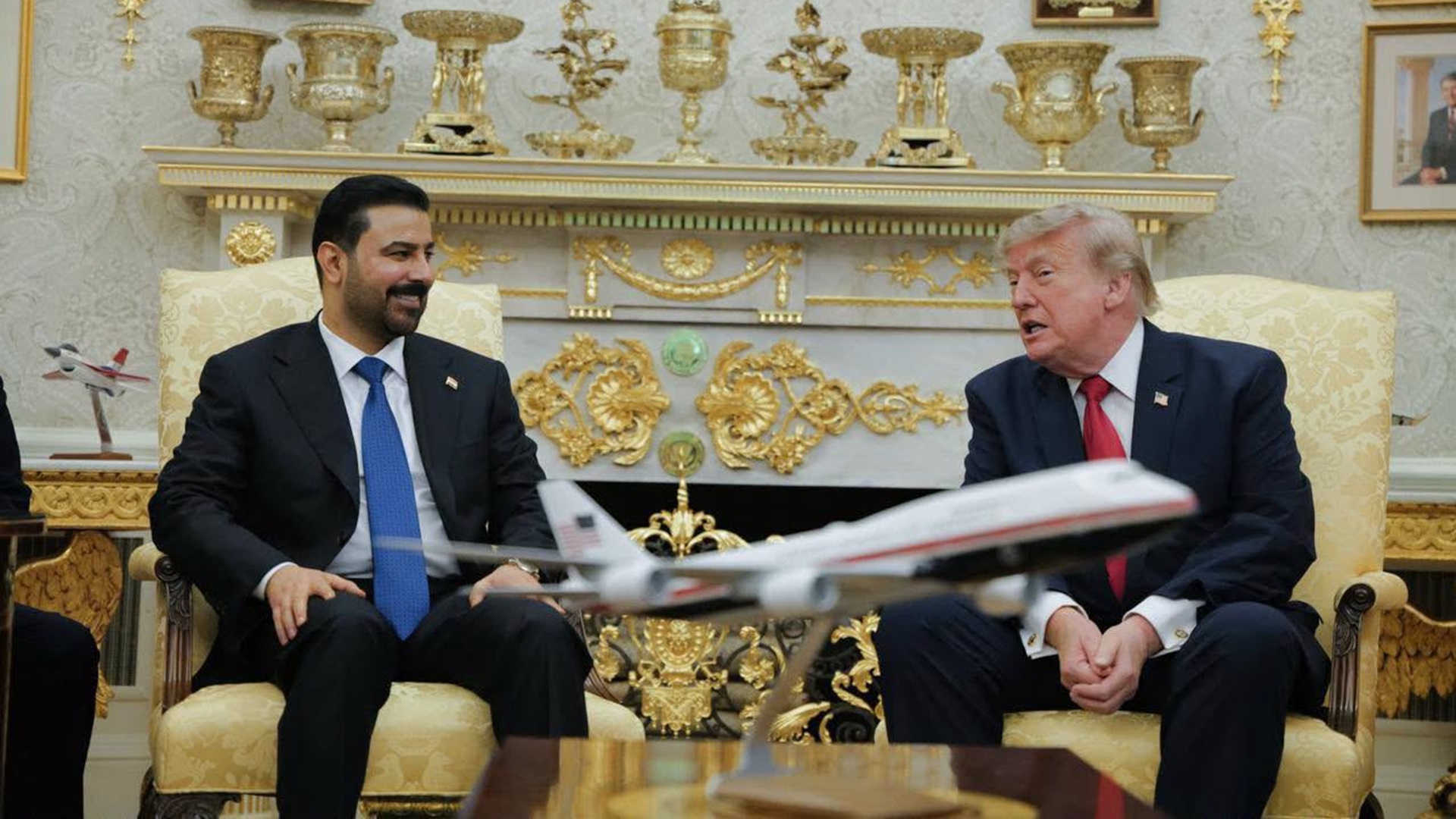
Trump Welcomes Iraqi PM al-Zaidi to White House, Reaffirms Strong US-Iraq Partnership
09:02 PM - 2026-07-14
Sulaymaniyah International Airport Officially Renamed Jalal Talabani International Airport
07:20 PM - 2026-07-14
.jpeg)
Qubad Talabani Reviews Progress on Major Water Project to End Shortages in Chamchamal
02:36 PM - 2026-07-14
Most read
-
Remembering 14 July Revolution That Ended Iraq's Monarchy
Iraq 11:11 AM - 2026-07-14 -
Iraqi PM Discussed Bilateral Cooperation and Regional Stability with U.S. Special Envoy in Washington
Iraq 10:01 AM - 2026-07-14 -
Trump Says U.S. Has Reinstated Blockade on Iranian Shipping in Hormuz
World 09:05 PM - 2026-07-13 -
Houthis Launch Missile Attacks on Saudi Arabia After Years of Calm
World 09:45 AM - 2026-07-14 -
Trump Welcomes Iraqi PM al-Zaidi to White House, Reaffirms Strong US-Iraq Partnership
Iraq 09:02 PM - 2026-07-14 -
China Does Not Seek a 'Sphere of Influence' in Relations with Pacific Island Nations, Foreign Minister Says
World 12:27 PM - 2026-07-14 -
Oil Climbs to One-Month High as U.S. and Iran Intensify Attacks in the Strait of Hormuz
News 09:05 AM - 2026-07-14 -
Ukraine to Manufacture French Missiles and Order Warplanes, Macron Says
World 11:22 PM - 2026-07-13
The News in your pocket
Download
 Application