

Two Hospital Workers Killed as Pro-Government Forces Attack Ashrafiyah in Aleppo
World 05:51 PM - 2026-01-09 Osman Hospital's Facebook Page
Osman Hospital in Aleppo, Syria.
Syrian government militants continue to attack the Ashrafiyah neighbourhood of Aleppo, while the Syrian Observatory for Human Rights (SOHR) reported on Friday that the pro-government militants killed a pharmacist and a technical employee at Osman Hospital.
According to SOHR, the pharmacist, born in 1989, was working at the hospital when the attack occurred. The second victim, a technician in the hospital’s technical department born in 1968, was identified as the pharmacist’s uncle.
The SOHR also reported that the hospital was initially targeted with a rocket-propelled grenade (RPG) before fighters affiliated with the Ministry of Defence launched an assault. After entering the facility, relatives of the doctor and the employee were told that the two men, along with a third person who had been with them at the hospital, had been arrested before they were killed.
SOHR later confirmed that the two men were shot dead inside the hospital. The families of the victims stated that both were civilians and had no links to any military or political groups.
Furthermore, the SOHR strongly condemned the killings, describing them as a war crime and a violation of domestic and international laws, treaties and conventions. The organisation called for an independent investigation into the incident.
Tensions between Syrian government forces and the internal security forces (Asayish) in Aleppo have been ongoing since Tuesday, with pro-government factions intensively shelling the Sheikh Maqsoud and Ashrafieh Kurdish neighbourhoods, causing dozens civilian deaths and injuries.
After a brief ceasefire announced Syria's ministry of defence and vowed that it will continue on condition if local forces withdraw from the area, Kurdish groups in Aleppo vowed to defend their neighbourhoods on Friday from government forces.
Reuters reported that the violence in Aleppo has exposed one of the main faultlines in Syria as the country tries to rebuild after a devastating war, with Kurdish forces resisting efforts by President Ahmed al-Sharaa's Islamist-led government to bring their fighters under centralised authority.
At least nine civilians have been killed and more than 140,000 have fled their homes, where Kurdish forces are trying to cling on to several neighbourhoods they have controlled since the early days of the war, which began in 2011.
Neither the government nor the Kurdish forces have announced a toll of casualties among their fighters.
The ceasefire announced by the defence ministry overnight demanded the withdrawal of Kurdish forces to the Kurdish-held northeast. That would effectively end Kurdish control over the pockets of Aleppo that Kurdish forces have held.
But in a statement, Kurdish councils that run the Sheikh Maqsoud and Ashrafiyah districts of Aleppo said calls to leave were "a call to surrender" and that Kurdish forces would instead "defend their neighbourhoods", accusing government forces of intensive shelling.
The ceasefire said Kurdish forces should withdraw by 9 a.m. (0600 GMT) on Friday, but no one withdrew overnight, according to Syrian security sources.
Tom Barrack, the U.S. envoy for Syria, had earlier welcomed what he called a "temporary ceasefire" and said Washington was working intensively to extend it beyond the 9 a.m. deadline. "We are hopeful this weekend will bring a more enduring calm and deeper dialogue," he wrote on X.
Washington has been closely involved in efforts to promote integration between the Kurdish-led Syrian Democratic Forces (SDF) - which has enjoyed U.S. military support for more than a decade - and the Damascus government, with which the United States has developed close ties under President Donald Trump.
However, little has been achieved since the sides signed a framework agreement in March 2025, which had called for the process to be completed by the end of last year.
Though Sharaa, a former al Qaeda commander who belongs to the Sunni Muslim majority, has repeatedly vowed to protect minorities, bouts of violence in which government-aligned fighters have killed hundreds of Alawites and Druze have spread alarm in minority communities over the last year.
The statement issued by the Kurdish councils in Aleppo said the Damascus government could not be trusted "with our security and our neighbourhoods", and that attacks on the areas aimed to bring about forced displacement.
Syrian Information Minister Hamza al-Mustafa said security measures taken in Aleppo "were a response to a deadlock that some forces sought to prolong outside the framework of the state" - an apparent reference to Kurdish fighters.
The aim was to "restore order and protect public stability", he wrote on X, adding that "the Kurds are our people and our partners in the future".
The Kurdish-led authorities aim to maintain regional autonomy within the new Syria, and have criticised the new government for what they have described as its attempts to centralise power once again in Damascus.
PUKMEDIA
More news
-
Oil Prices Fall for Third Straight Day as Hormuz Shipping Recovers
10:50 AM - 2026-06-24 -
Qubad Talabani Discusses Tourism Development Strategy in Meeting with Tourism Board
06:27 PM - 2026-06-23 -
Iraq Increases Kirkuk Oil Exports to 7 Million Barrels a Month, Says SOMO
03:37 PM - 2026-06-23 -
Vance Says Talks with Iranian Officials Laid ‘Good Foundation’ for Deal to End War
01:06 PM - 2026-06-23
see more
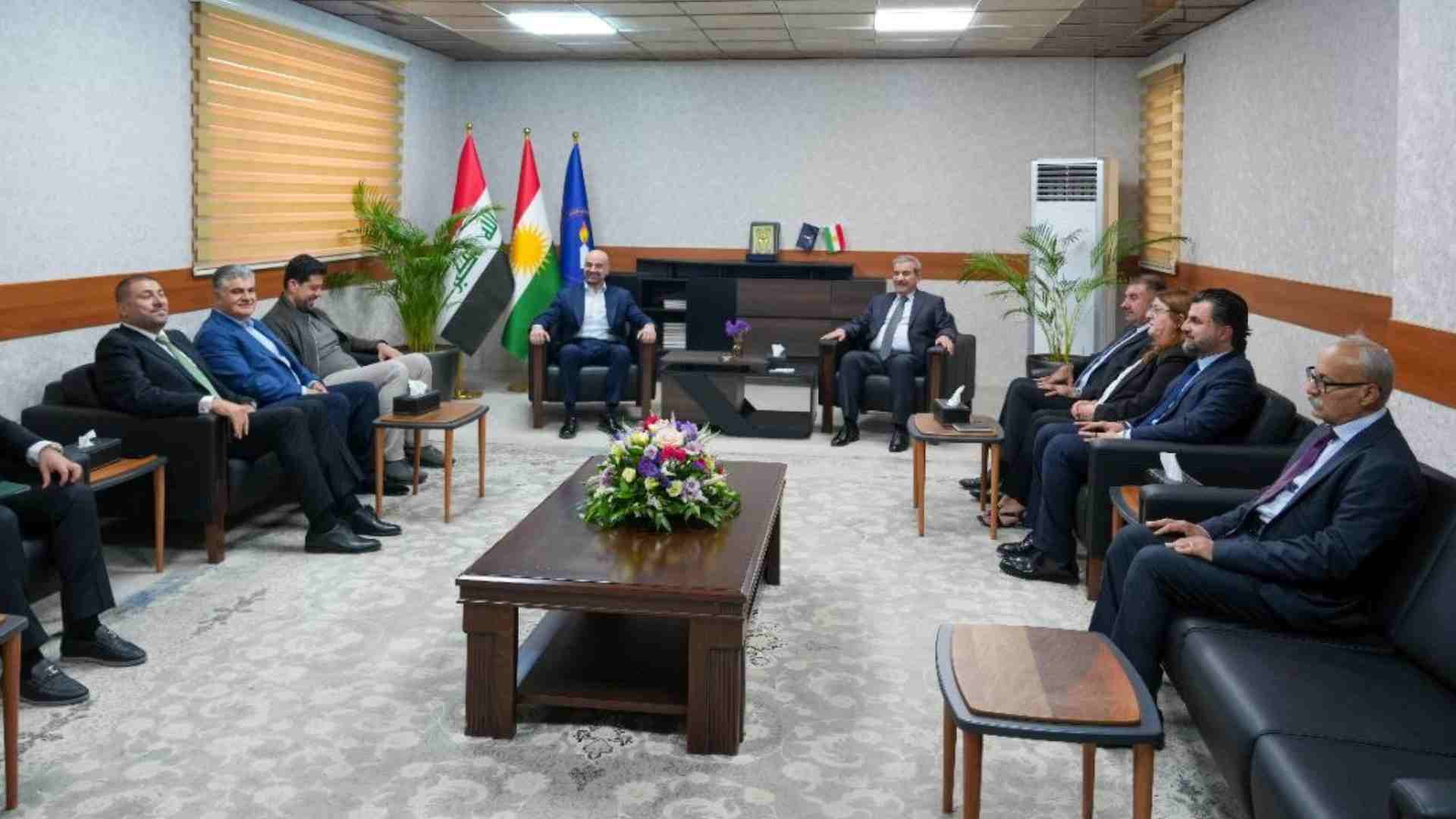
Kurdistan 05:36 PM - 2026-06-24 PUK President Visits Gorran Movement Headquarters to Strengthen Relations
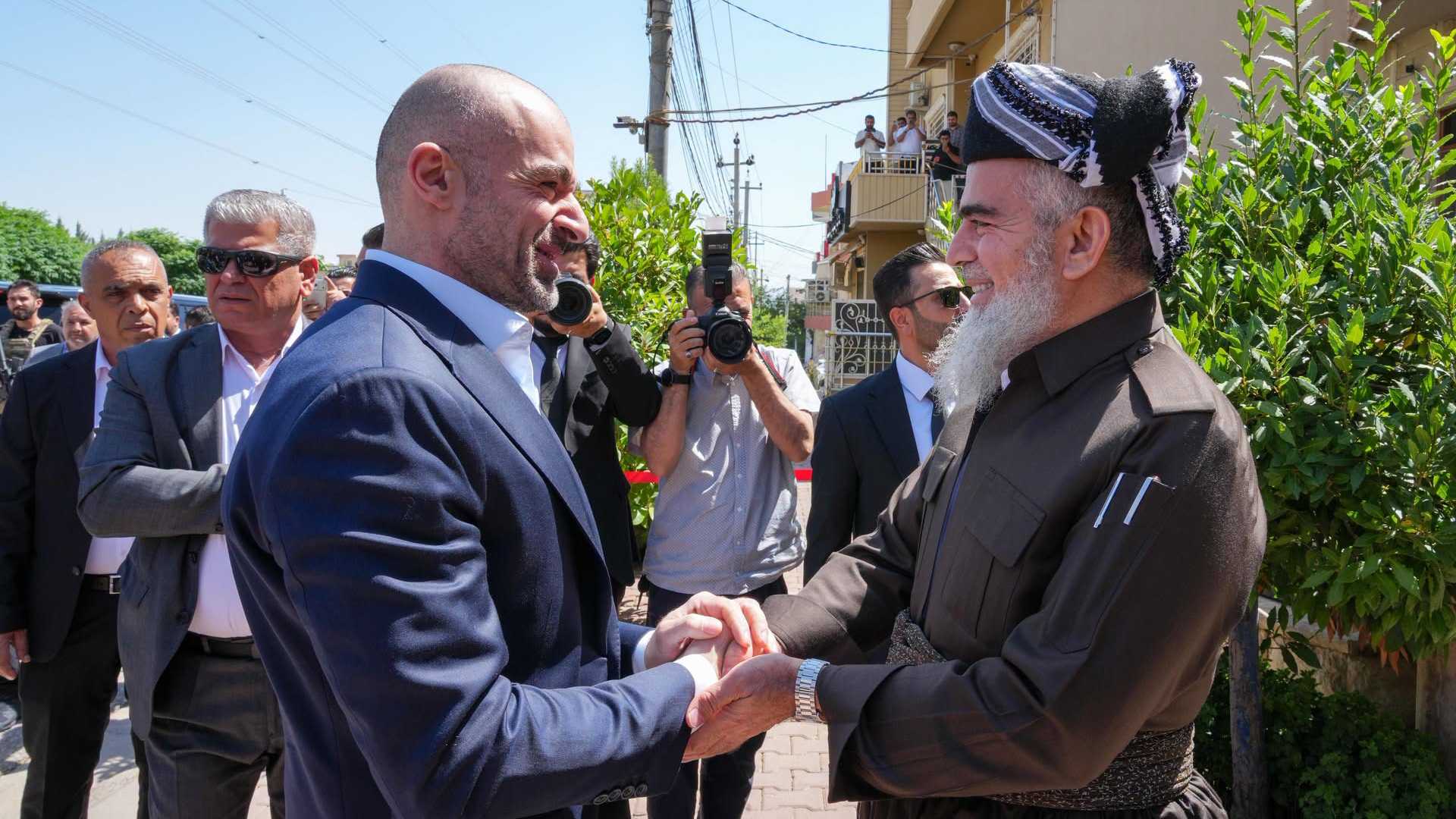
PUK President, KJG Leader Discuss Unified Efforts to Resolve Outstanding Issues
04:00 PM - 2026-06-24
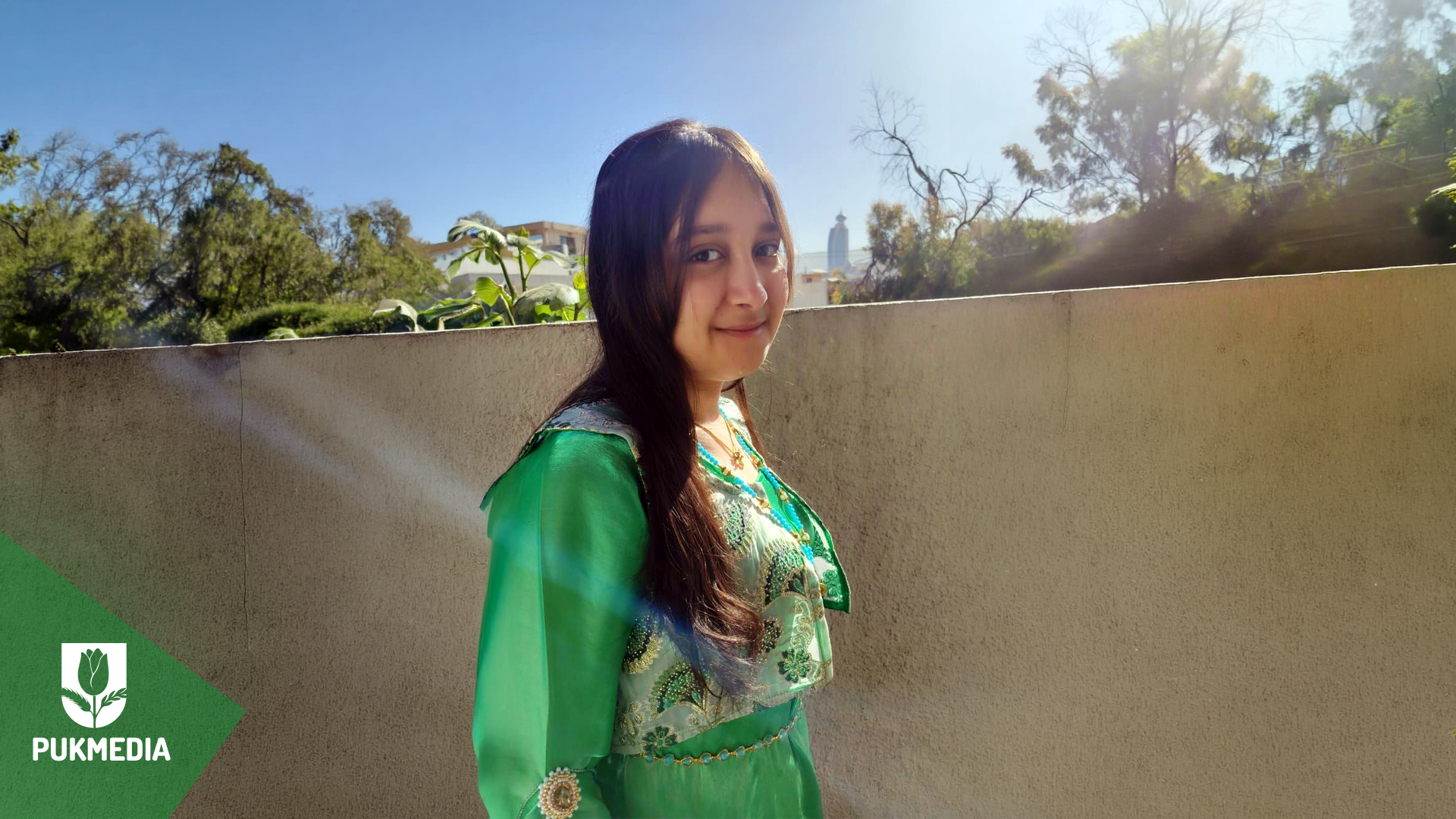
Teen Author and Translator Pursues Multilingual Success
01:24 PM - 2026-06-24
.jpg)
International Day of Women in Diplomacy Celebrated Worldwide
09:27 AM - 2026-06-24
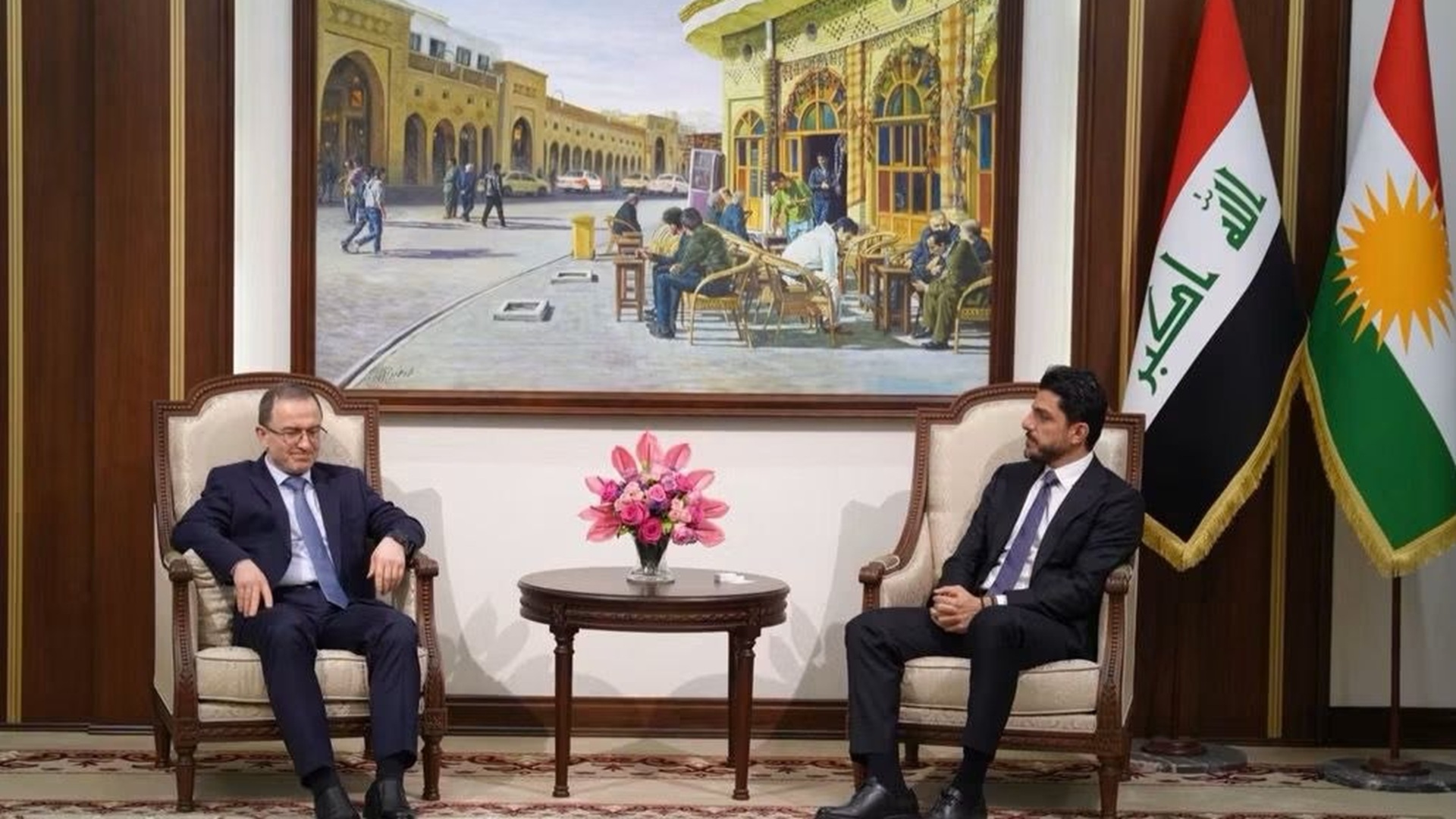
Darbaz Kosrat Rasul Receives Russian Ambassador for Talks on Political Developments
10:36 PM - 2026-06-23
Most read
-
Iraq Increases Kirkuk Oil Exports to 7 Million Barrels a Month, Says SOMO
Iraq 03:37 PM - 2026-06-23 -
Hero Khan: Fighter, Diplomat, Witness
Opinions 09:51 AM - 2026-06-24 -
Qubad Talabani: Baghdad and Erbil Must Work Together to Strengthen Iraq’s Economy
Kurdistan 05:13 PM - 2026-06-23 -
Qubad Talabani Discusses Tourism Development Strategy in Meeting with Tourism Board
Kurdistan 06:27 PM - 2026-06-23 -
Teen Author and Translator Pursues Multilingual Success
Kurdistan 01:24 PM - 2026-06-24 -
Darbaz Kosrat Rasul Receives Russian Ambassador for Talks on Political Developments
P.U.K 10:36 PM - 2026-06-23 -
Trump Claims Iran Agreed to Nuclear Inspections, Tehran Rejects Assertion
World 03:56 PM - 2026-06-23 -
PUK President, KJG Leader Discuss Unified Efforts to Resolve Outstanding Issues
Kurdistan 04:00 PM - 2026-06-24
The News in your pocket
Download
 Application