

One Year After Assad: What Has Changed in Syria?
Reports 10:59 AM - 2025-12-08.jpg) Reuters
Reuters
Syrians gather to celebrate the first anniversary of the fall of Assad's regime.
The regime of Bashar al-Assad came to an end on 8 December 2024, concluding fifty years of rule by the Assad family and the Ba'ath Party. While this brought significant changes to Syria, it has not ushered in peace; the country remains plagued by conflict, and intolerance has become a prominent feature of society.
The Ba'athist regime collapsed, and Assad fled the country. On 8 December 2024, the Syrian Liberation Committee and other anti-Assad forces entered Damascus and declared the fall of the government. Simultaneously, the gates of Sednayah prison were broken open, freeing hundreds of inmates, and statues of the Assad family were destroyed across Damascus and other cities, signalling the definitive end of the regime.
The collapse of Assad’s government occurred in just twelve days, a development that took the world by surprise. The offensive by Syrian armed groups began with a missile strike by the Syrian army on the city of Ariha in Idlib on 26 November 2024, which left 16 people dead or injured. The following day, opposition forces launched a counter-offensive, seizing control of 20 villages and towns in Aleppo and Idlib. By 28 May, they had captured Aleppo entirely and continued their advance, reaching Hama on 30 May and capturing Syrian military equipment. On 5 December 2024, they took Homs, paving the way for the entry into Damascus.
Between 5 and 12 December 2025, the Syrian Democratic Forces (SDF) continued attacking government positions near Raqqa, forcing retreats.
On 6 December, government forces withdrew from Suwayda for unclear reasons.
On 7 July, Syrian government forces were rapidly defeated in Qunaitra, near the Golan Heights, allowing the fighters to advance on Damascus, culminating in Assad’s deposition on 8 December 2024.
A New Phase Begins
In early 2025, the new Syrian administration elected Ahmed Sharaa as interim president, granting him full presidential powers, and formed a transitional government. However, the government failed to represent Syria’s diverse communities. On 13 March, it approved a new constitution, which sparked widespread dissatisfaction. Human Rights Watch criticised the constitution for concentrating excessive powers in the presidency, despite claims of strengthening judicial independence.
Sanctions Lifted
The United States lifted parts of the “Caesar” sanctions for 180 days, while retaining conditions for the full lifting; these sanctions had been in place since 2008. Britain lifted its sanctions in April, and the European Union followed suit in May. The US and Britain also requested that the UN Security Council remove sanctions and lift restrictions on Ahmed Sharaa, for whom Washington had previously offered a $10 billion reward for information leading to his capture or death.
Following these developments, Sharaa shed his military uniform in favour of formal attire, met US President Donald Trump in Saudi Arabia, and began expanding his diplomatic engagements across the Arab world and internationally.
Syria Remains Unstable
Despite military and diplomatic efforts, Syria has not stabilised. Israel has conducted strikes on Syrian airbases, neutralising much of its air capability, while extending its control over parts of the Golan Heights.
Internally, sectarian clashes have erupted. In March 2025, violence broke out in western Syria, predominantly the Alawite coastal region, leaving over 100 dead. Similar clashes occurred in Suwayda, largely involving the Druze community. According to the Syrian Observatory for Human Rights, 388 crimes were recorded during this period, resulting in 449 deaths, with a further 665 fatalities attributable to the war’s aftermath, and the number of missing persons continues to rise.
Limited Government Action
The new government has taken little substantive action regarding Kurdish rights. The interim government and new constitution made no provisions for Kurdish representation. Elections for the Syrian Legislative Council, parliament, and western regions have yet to take place. Apart from signing the 10 March Agreement with Mazloum Abdi—which established a ceasefire that has not been fully implemented—the government has made no significant moves towards decentralisation or recognising minority rights.
PUKMEDIA
More news
-
President Amedi: Jalal Talabani’s Legacy Will Continue to Inspire Future Generations
10:17 PM - 2026-07-14 -
China Does Not Seek a 'Sphere of Influence' in Relations with Pacific Island Nations, Foreign Minister Says
12:27 PM - 2026-07-14 -
Oil Climbs to One-Month High as U.S. and Iran Intensify Attacks in the Strait of Hormuz
09:05 AM - 2026-07-14 -
Ukraine to Manufacture French Missiles and Order Warplanes, Macron Says
11:22 PM - 2026-07-13
see more
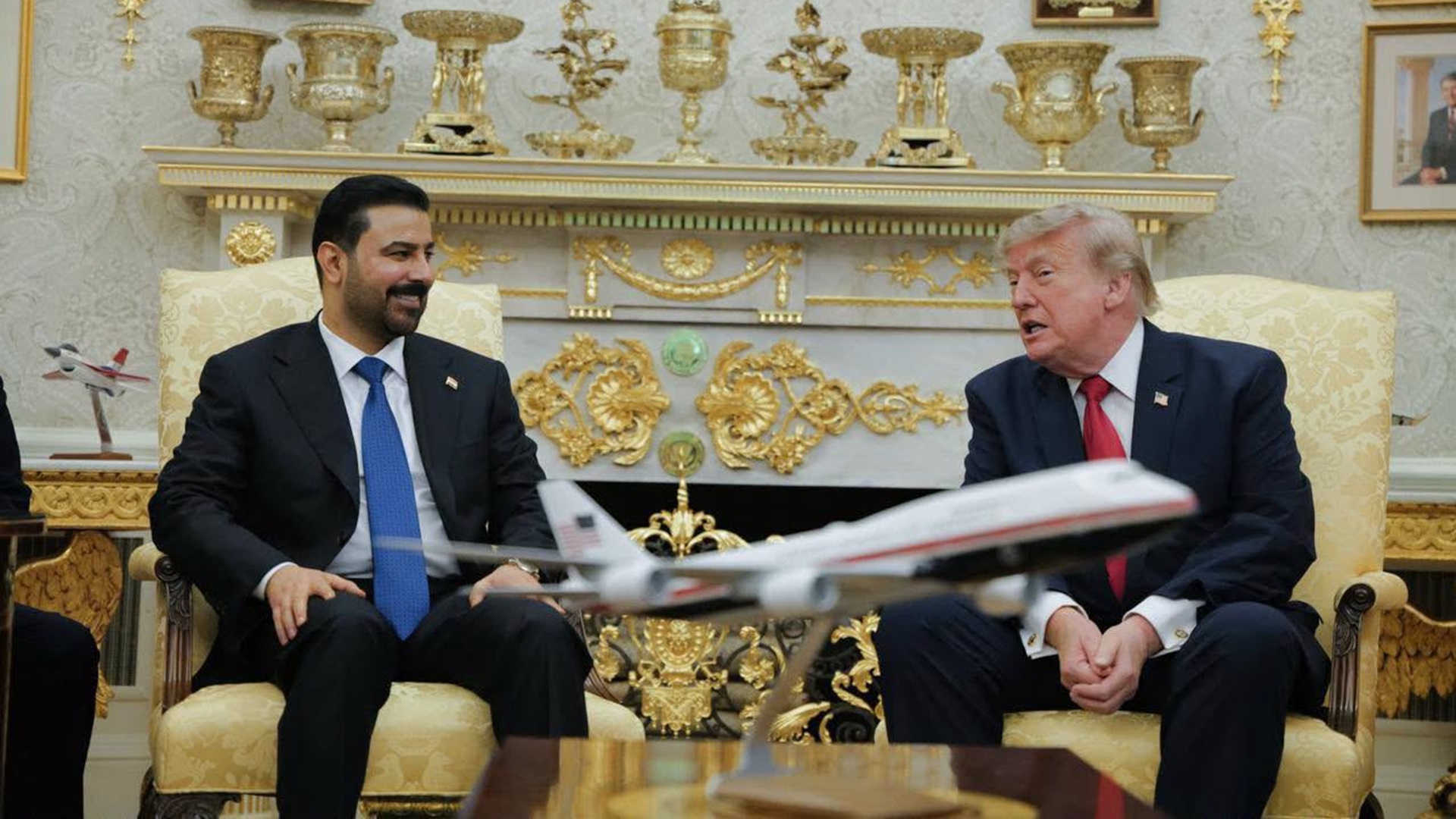
Iraq 09:02 PM - 2026-07-14 Trump Welcomes Iraqi PM al-Zaidi to White House, Reaffirms Strong US-Iraq Partnership
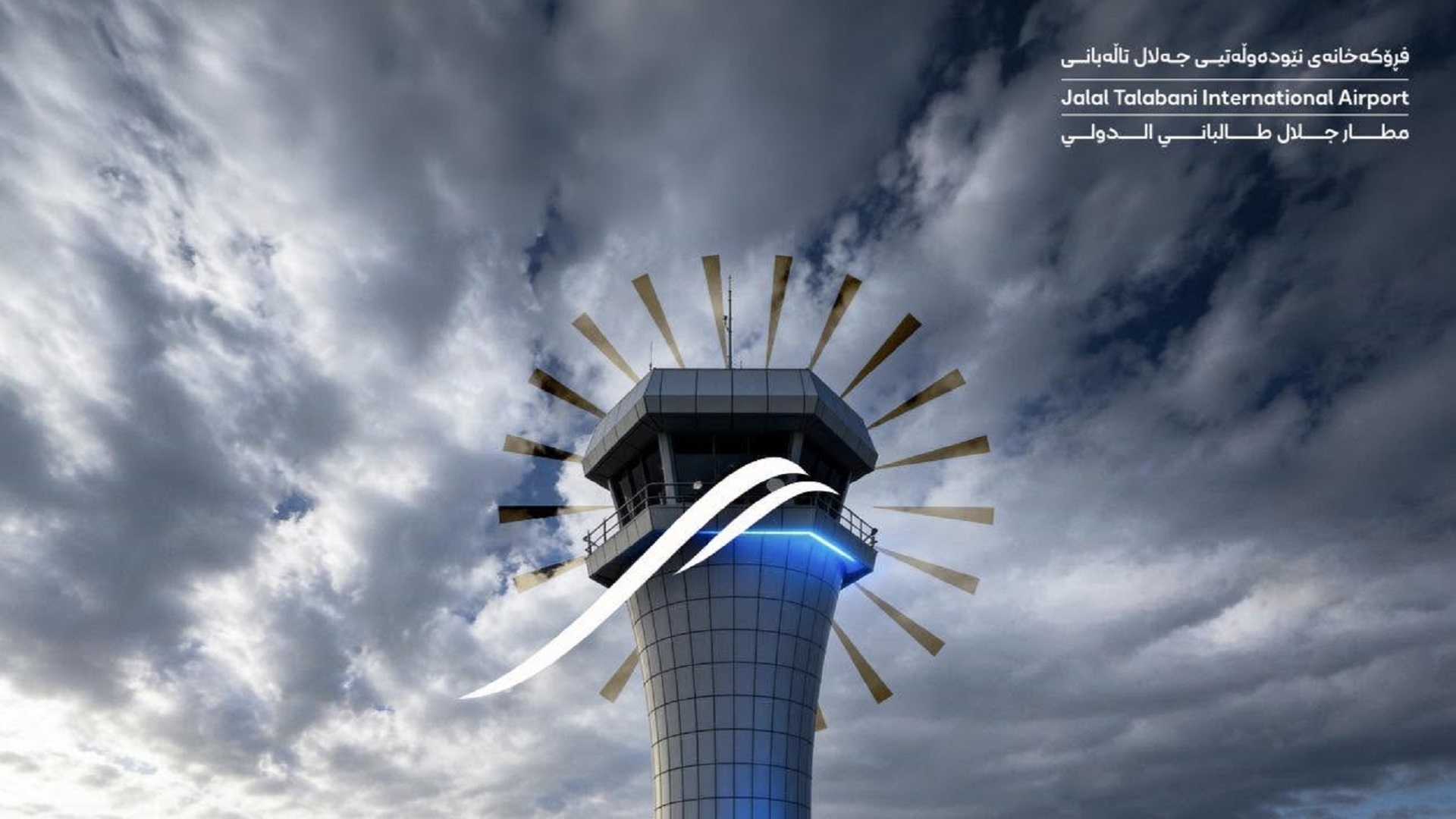
Sulaymaniyah International Airport Officially Renamed Jalal Talabani International Airport
07:20 PM - 2026-07-14
.jpeg)
Qubad Talabani Reviews Progress on Major Water Project to End Shortages in Chamchamal
02:36 PM - 2026-07-14
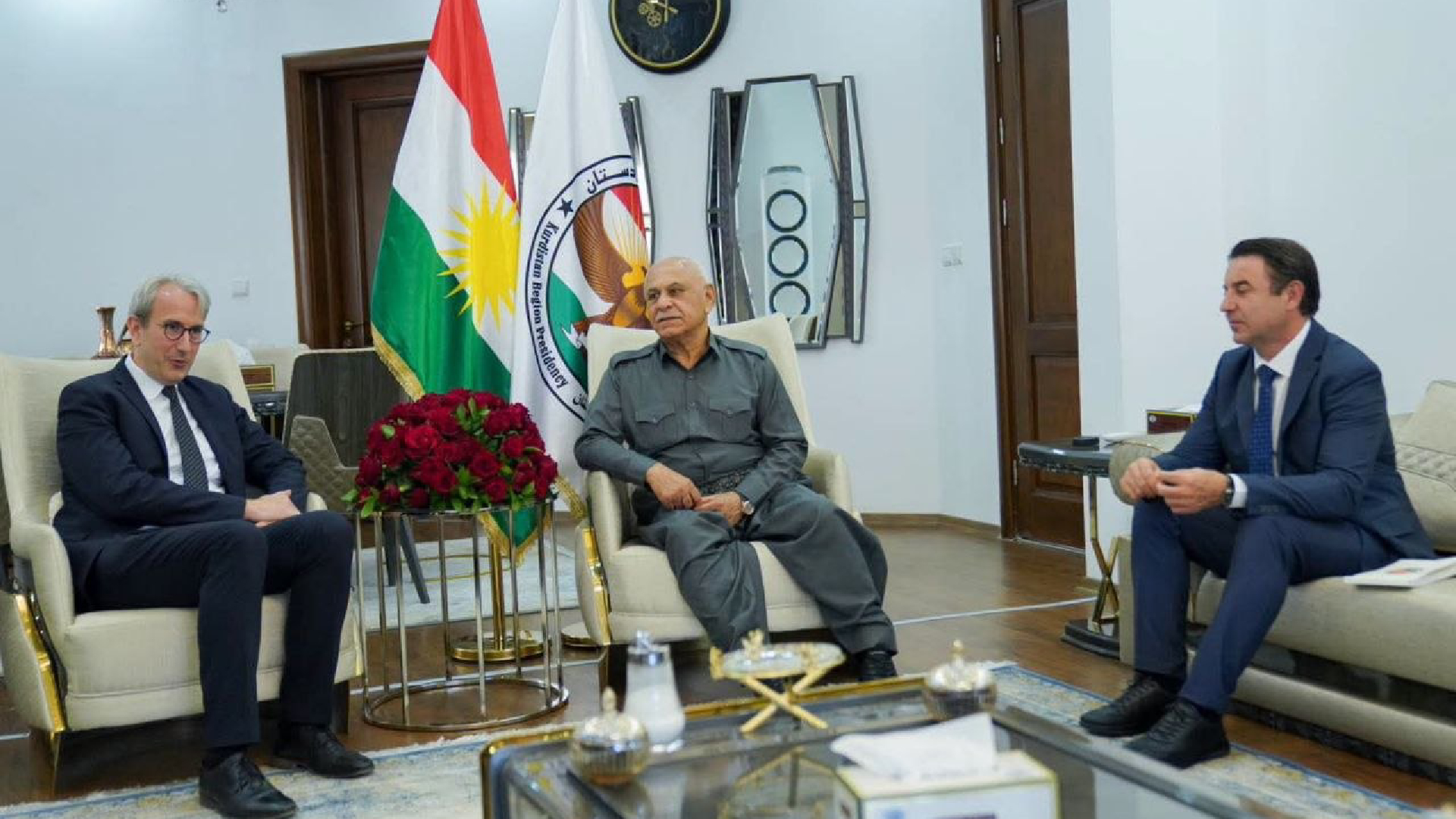
Kurdistan Region VP Commends Germany's Continued Support for Iraq and the Kurdistan Region
01:25 PM - 2026-07-14
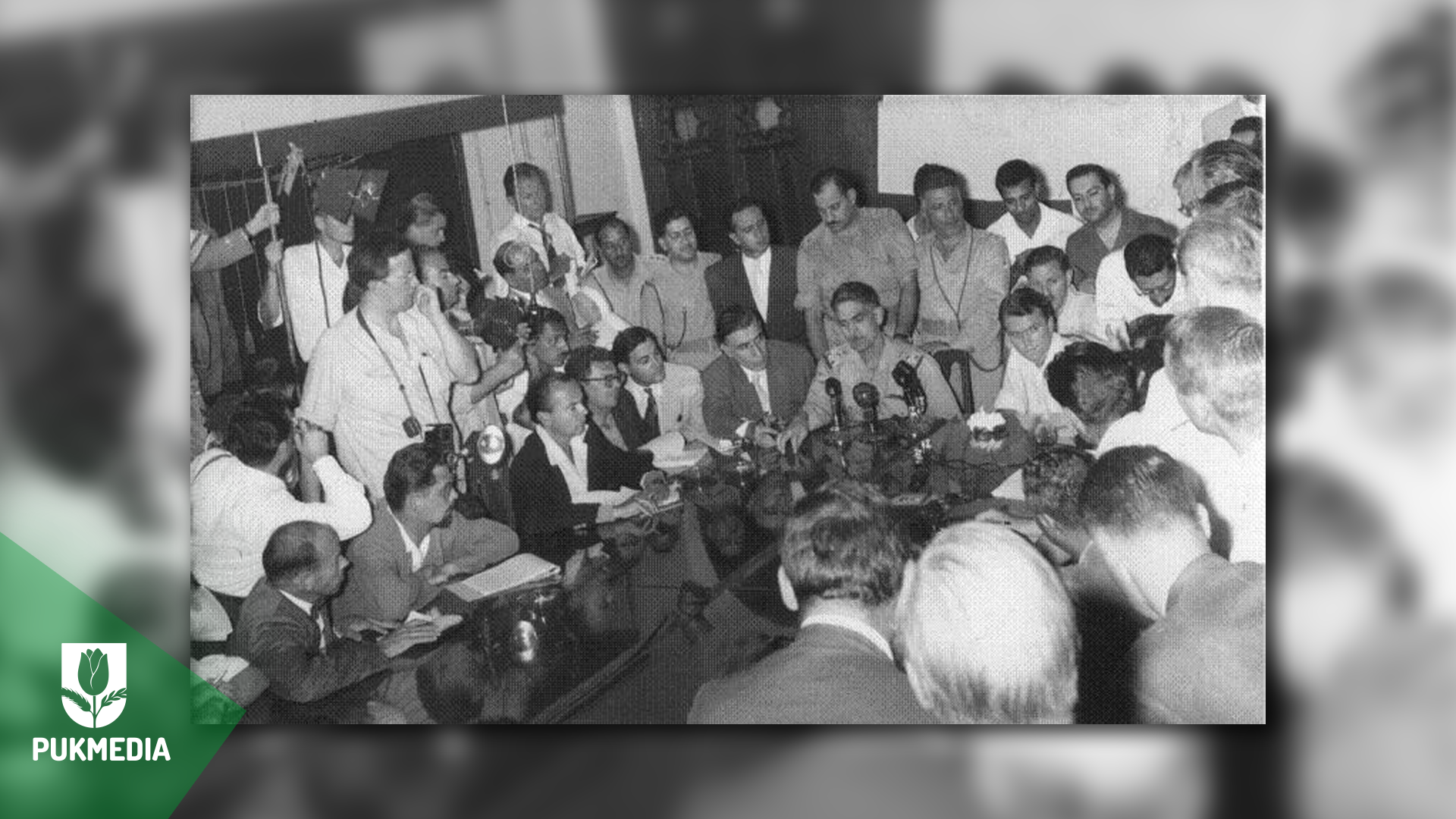
Remembering 14 July Revolution That Ended Iraq's Monarchy
11:11 AM - 2026-07-14
Most read
-
Remembering 14 July Revolution That Ended Iraq's Monarchy
Iraq 11:11 AM - 2026-07-14 -
Qubad Talabani Meets Dutch Ambassador to Iraq on Conclusion of Her Mission
Kurdistan 07:36 PM - 2026-07-13 -
Iraqi PM Discussed Bilateral Cooperation and Regional Stability with U.S. Special Envoy in Washington
Iraq 10:01 AM - 2026-07-14 -
Trump Says U.S. Has Reinstated Blockade on Iranian Shipping in Hormuz
World 09:05 PM - 2026-07-13 -
Houthis Launch Missile Attacks on Saudi Arabia After Years of Calm
World 09:45 AM - 2026-07-14 -
China Does Not Seek a 'Sphere of Influence' in Relations with Pacific Island Nations, Foreign Minister Says
World 12:27 PM - 2026-07-14 -
Oil Climbs to One-Month High as U.S. and Iran Intensify Attacks in the Strait of Hormuz
News 09:05 AM - 2026-07-14 -
Ukraine to Manufacture French Missiles and Order Warplanes, Macron Says
World 11:22 PM - 2026-07-13
The News in your pocket
Download
 Application