

Iraq and Kurdistan Prepare for Post-Global Coalition Security Era
Kurdistan 01:16 PM - 2026-07-27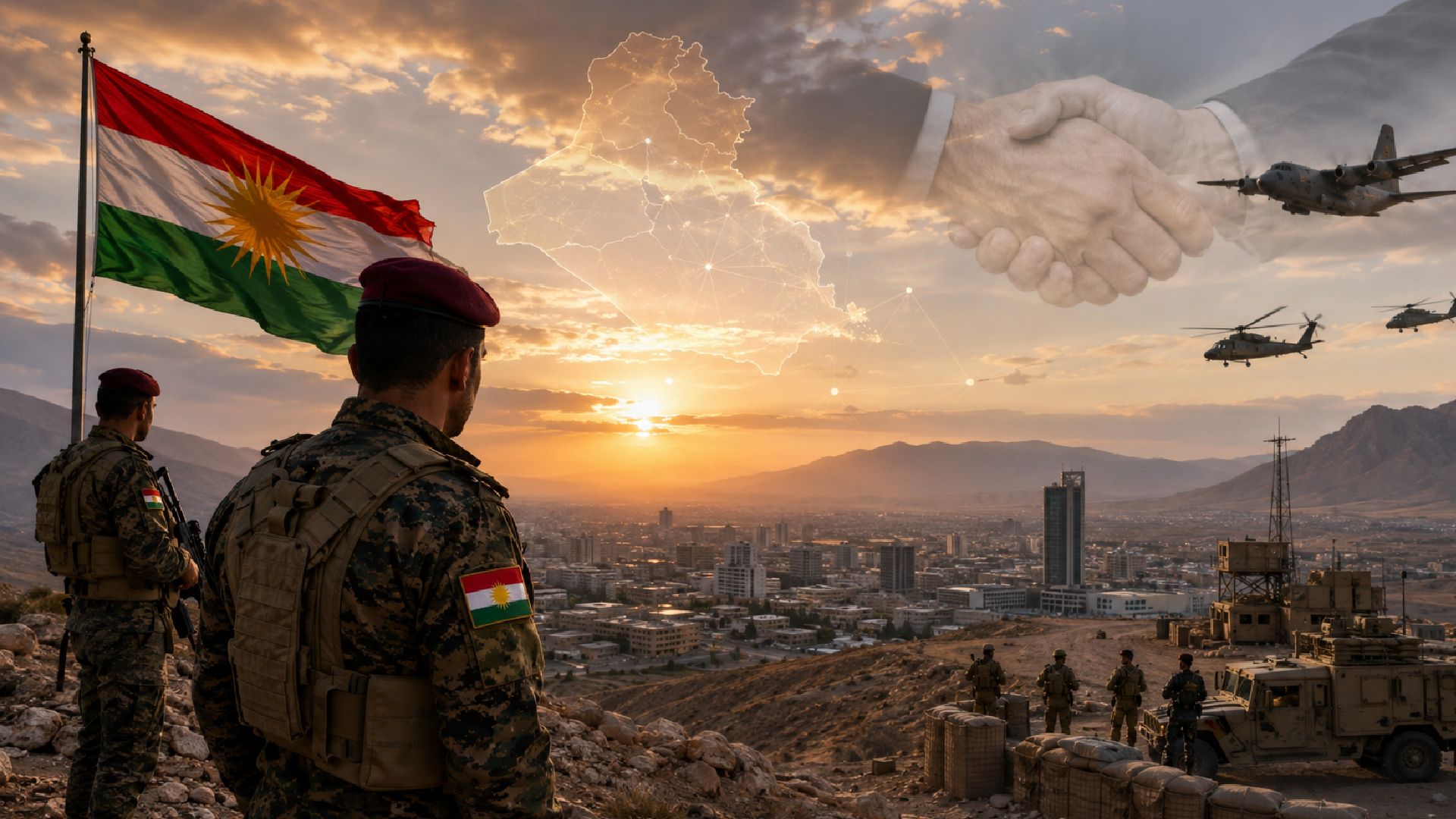 PUKMEDIA AI
Peshmerga forces.
The planned end of the Global Coalition's mission in Iraq and the Kurdistan Region marks a significant turning point for the country's defence and security architecture, with experts warning it will reshape military cooperation, political relations, and regional stability.
For more than a decade, Iraq and the Kurdistan Region have served as key partners in the US-led Global Coalition's campaign against the Islamic State (ISIS), which deployed to Iraq in 2014 at the request of Baghdad to help defeat the extremist group.
While the coalition has played a central role in supporting Iraqi and Peshmerga forces through combat operations, training, and intelligence sharing, its mission is now approaching its final phase under an agreement reached between Iraq, the United States, and Global Coalition members.
Coalition Mission Nearing its Conclusion
Retired First General Jabbar Yawar, a military and security affairs expert, said the withdrawal follows an agreement negotiated over several years, beginning during the government of former Prime Minister Mustafa Al-Kadhimi.
According to Yawar, the coalition's combat mission in central and southern Iraq officially ended in September 2025. Forces stationed in the Kurdistan Region remained under arrangements with Baghdad for an additional year to continue supporting operations linked to north-eastern Syria (Rojava).
That extension is due to expire at the end of September 2026, after which coalition bases and personnel are expected to leave both Iraq and the Kurdistan Region.
The US-led Global Coalition, established in August 2014, includes around 70 member countries.
Iraqi and Peshmerga Forces Deem More Capable
Yawar said a joint committee comprising senior Iraqi officers, coalition representatives, and officials from the Kurdistan Regional Government's Ministry of Peshmerga had assessed Iraq's security capabilities and the remaining threat posed by ISIS.
The committee concluded that although ISIS continues to exist, it has been significantly weakened since the collapse of its self-declared caliphate in Iraq and Syria in 2017. It no longer possesses the operational strength required to conduct large-scale attacks, while Iraqi and Peshmerga forces have substantially improved their ability to defend their territories independently.
These findings paved the way for the phased withdrawal of coalition forces, with operations ending first in the rest of Iraq before concluding in the Kurdistan Region.
Peshmerga Reforms to Continue
Staff Lieutenant General Bakhtiyar Muhammad, Secretary-General of the Ministry of Peshmerga, said years of cooperation with coalition partners had greatly strengthened the Peshmerga's counter-terrorism capabilities.
He said the Ministry remains committed to completing its reform programme, restructuring the force, and unifying all Peshmerga units into a professional military institution.
Muhammad stressed that security coordination between Erbil and Baghdad would continue after the coalition's departure, particularly in disputed territories where intelligence sharing and joint operations remain essential to preventing ISIS from exploiting security gaps.
He added that although the Global Coalition's mission is ending, international support is expected to continue under a different framework. Military advisers are likely to remain in Iraq and the Kurdistan Region through new bilateral arrangements rather than under the existing Global Coalition structure.
Concerns Over Security and Political Consequences
Political analyst Nawdar Ziyad warned that the Global Coalition's withdrawal could have significant consequences for both security and governance in the Kurdistan Region.
He argued that the end of coalition support could slow the Peshmerga reform process by reducing financial assistance, logistical support, and military training at a time when the Kurdistan Region continues to face economic pressures and budget disputes with Baghdad.
Ziyad also cautioned that ISIS could seek to exploit security vacuums in disputed territories, increasing the risk of renewed militant activity.
He further suggested that the departure of coalition forces would remove an important international balancing influence in relations between Erbil and Baghdad, potentially leading to greater political tensions over constitutional issues, security arrangements, and the distribution of resources.
The withdrawal could also leave diplomatic missions operating with fewer security guarantees while creating opportunities for neighbouring states to expand their influence in the Region.
Future Relations with Baghdad
Looking ahead, Ziyad believes the Kurdistan Region may increasingly rely on diplomacy and economic partnerships to strengthen its position, while maintaining investment ties with Gulf countries and preserving energy exports through Türkiye.
However, he warned that military challenges are likely to persist. Without coalition backing, progress on Peshmerga reform—including the integration of separate military units under the Ministry of Peshmerga—could become more difficult, while longstanding disagreements over defence responsibilities and control of disputed territories may become more pronounced.
Kurdish Unity Seen as Essential
Ziyad said greater political unity among Kurdish parties would be crucial after the coalition's departure.
He argued that presenting a unified position in negotiations with Baghdad would strengthen the Kurdistan Region's ability to defend its constitutional rights, including issues relating to the Peshmerga, Article 140, Kirkuk, and Shingal (Sinjar), budget allocations, and oil revenues.
According to Ziyad, political cohesion would also reinforce the ongoing unification of the Peshmerga, strengthen democratic governance, and help preserve regional security.
He concluded that a united Kurdish political stance would be vital to maintaining the Kurdistan Region's international standing and preventing external actors from taking advantage of any security or political vacuum following the Global Coalition's withdrawal.
PUKMEDIA / Kurdistani Nwe
More news
-
Malaysia PM Orders Action Against Rohingya Gathered Outside UN Refugee Agency
03:34 PM - 2026-07-27 -
Iraq and Kurdistan Prepare for Post-Global Coalition Security Era
01:16 PM - 2026-07-27 -
Global Oil Prices Drop on Hopes of Diplomatic Breakthrough Between US and Iran
10:32 AM - 2026-07-27 -
Suspect in Berlin Pride Attack Shot Dead by Police
10:37 PM - 2026-07-26
see more
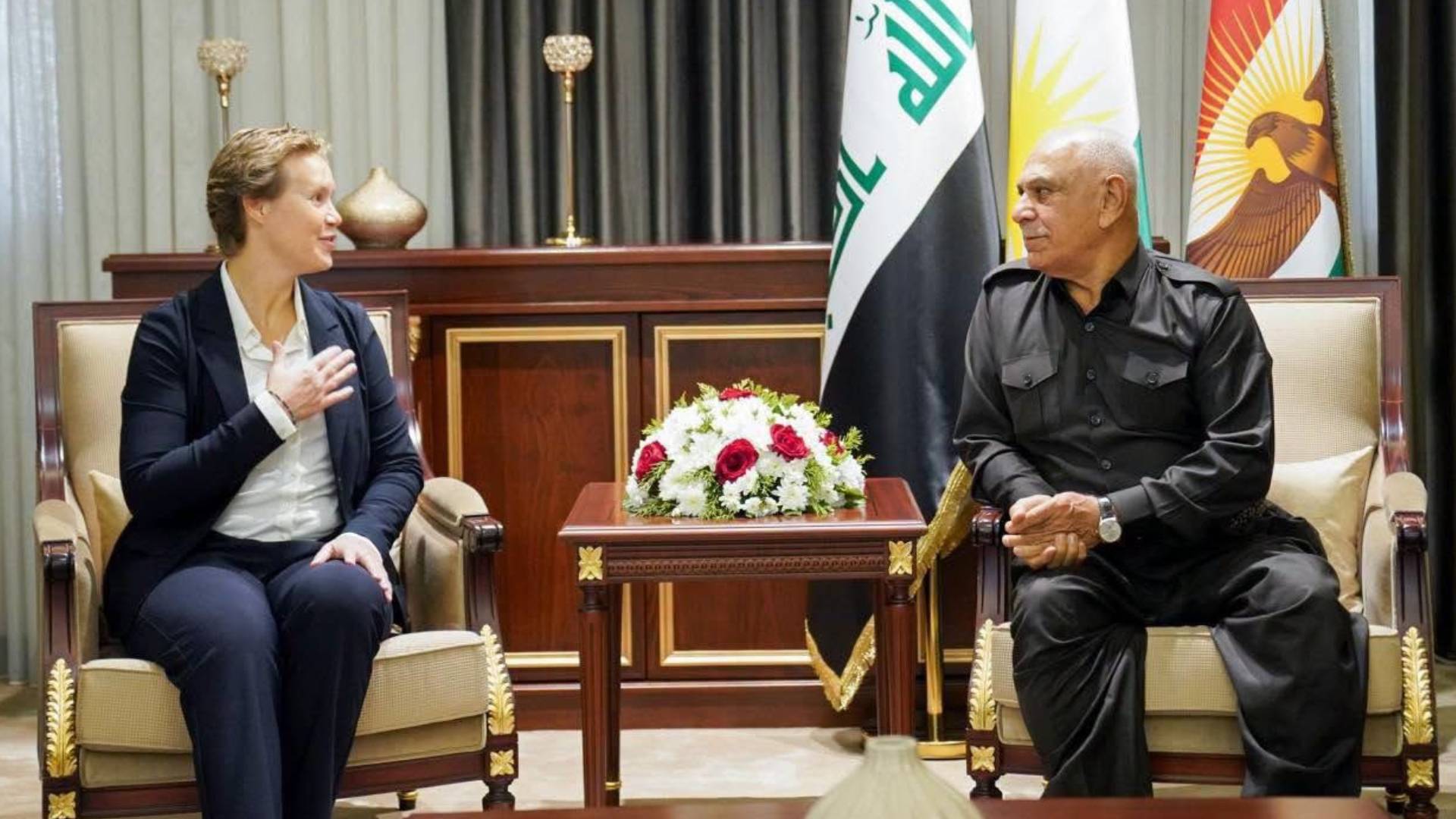
Kurdistan 02:33 PM - 2026-07-27 Kurdistan VP, Dutch Military Adviser Discuss Security and Regional Developments
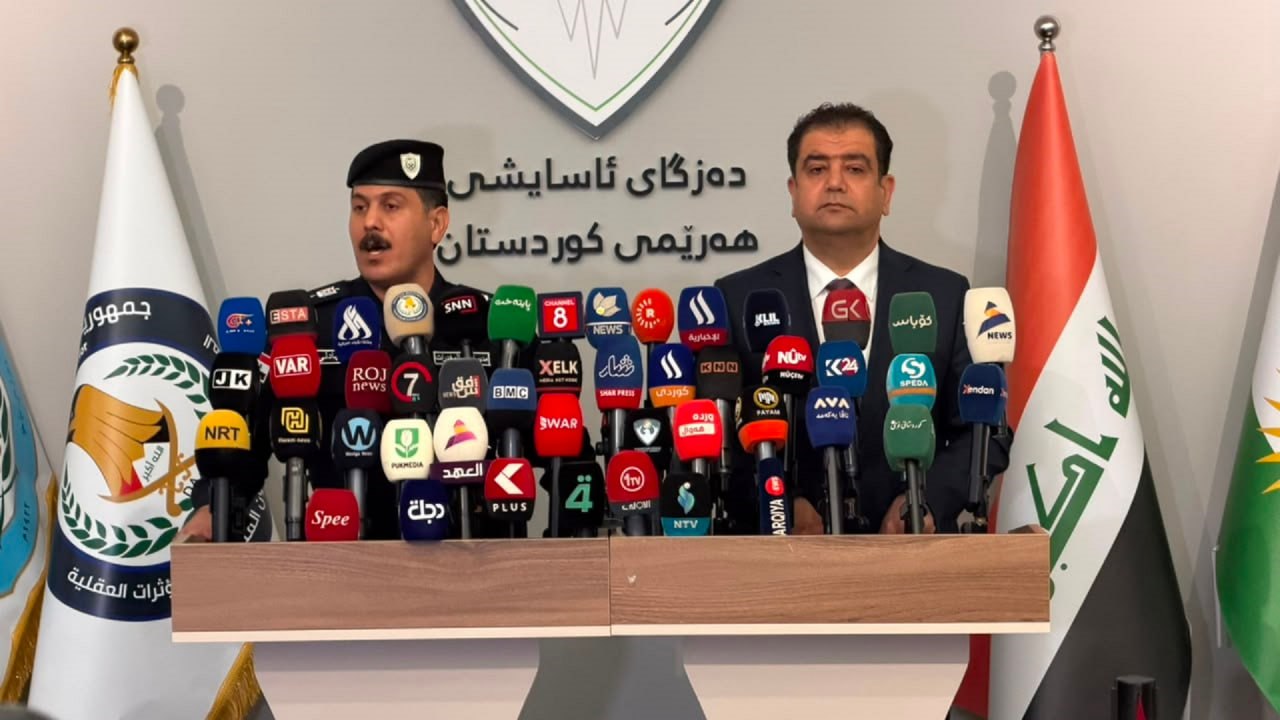
Iraq and Kurdistan Region Strengthen Anti-Drugs Cooperation as 8,000 Users Complete Treatment
11:59 AM - 2026-07-27
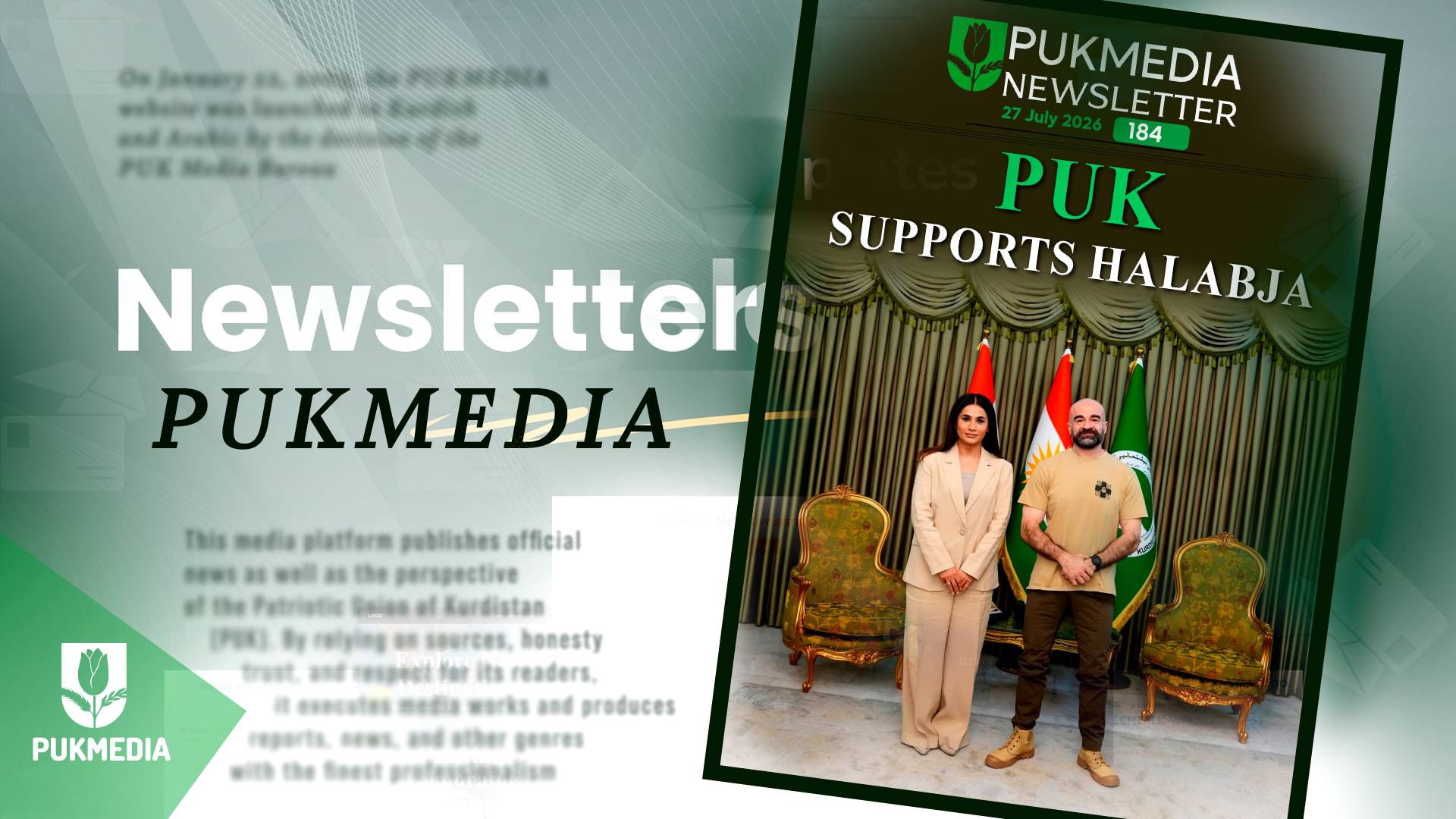
PUKMEDIA Releases Weekly Digital Newsletter- Issue 184
09:18 AM - 2026-07-27
Iraq and Lebanon Seek to Expand Cooperation
10:26 PM - 2026-07-26
PUK President Reaffirms Support for Halabja Development in Meeting with Governor
06:07 PM - 2026-07-26
Most read
-
Iran Says Progress Made in Oman Talks on Strait of Hormuz
World 01:31 PM - 2026-07-26 -
U.S., Japan Join Philippines in South China Sea Drills
World 03:04 PM - 2026-07-26 -
PUK President Reaffirms Support for Halabja Development in Meeting with Governor
P.U.K 06:07 PM - 2026-07-26 -
PUK Official, Russian CG Discuss Regional Tensions and KRG Formation
P.U.K 08:14 PM - 2026-07-26 -
Iraqi President Salutes Austrian Ambassador's Diplomatic Service in Iraq
Iraq 06:13 PM - 2026-07-26 -
Typhoon Noul Triggers Mass Evacuations and Travel Disruption in Southern China
World 01:16 PM - 2026-07-26 -
Iraq and Lebanon Seek to Expand Cooperation
Iraq 10:26 PM - 2026-07-26 -
Role of Youth in Education, Politics, and Diplomacy: Building the Future Together
Opinions 06:20 PM - 2026-07-26
The News in your pocket
Download
 Application