

SpaceX's Starship Flight Hits Most Targets in Pre-IPO Test
World 11:09 AM - 2026-05-23.jpg) SpaceX on X
SpaceX on X
SpaceX's Starship.
SpaceX completed a largely successful test flight of its next-generation Starship rocket on Friday, deploying a number of mock satellites and carrying out a controlled splashdown in the Indian Ocean during the high-profile debut of the upgraded spacecraft, as Elon Musk’s company prepares for a public listing.
The latest uncrewed launch of Starship — designed to support more frequent Starlink satellite deployments and future NASA lunar missions — marked a significant milestone after months of testing delays. The outcome is also expected to strengthen investor confidence ahead of SpaceX’s planned initial public offering next month, which analysts believe could become the largest IPO in history.
SpaceX has spent more than $15 billion developing Starship as a fully reusable spacecraft. The programme is central to Musk’s ambitions to reduce launch costs, expand the Starlink business and advance projects ranging from deep-space exploration to orbital data centres — all contributing to a targeted IPO valuation of $1.75 trillion.
Friday’s mission was the 12th test flight in the Starship programme since 2023 and the first involving the upgraded V3 version of the spacecraft. The launch also marked the debut of a newly designed launch pad built specifically for the rocket system.
The towering launch vehicle, comprising the upper-stage Starship spacecraft mounted atop a Super Heavy booster, lifted off at approximately 5:30pm local time (2230 GMT) from SpaceX’s Starbase facility in Texas near Brownsville on the Gulf of Mexico.
Minutes later, the two stages separated successfully, allowing the Starship spacecraft to continue its cruise phase despite the loss of one of its six engines. The vehicle subsequently released its simulated satellite payload before surviving atmospheric re-entry and completing a controlled splashdown in the Indian Ocean. The overall flight lasted just over an hour.
The lower-stage Super Heavy booster descended separately into the Gulf of Mexico roughly six minutes after launch, as planned. However, the booster failed to complete its intended boost-back engine burn following separation.
Musk welcomed the outcome in a message posted on X, congratulating the “SpaceX team on an epic first Starship V3 launch & landing”.
A live webcast showed the rocket, standing more than 40 storeys tall, ascending from the launch tower as the booster’s 33 Raptor engines ignited in flames and clouds of exhaust.
The test concluded around 65 minutes later when the Starship vehicle re-entered Earth’s atmosphere and landed nose-first in the Indian Ocean as planned, before toppling into the sea and exploding in a fireball. The event was met with cheers from SpaceX employees watching the live broadcast.
Prior to launch, SpaceX stated it would not attempt to recover either the booster or the upper-stage spacecraft, even in the event of a fully successful mission.
During the suborbital cruise phase, Starship successfully deployed 20 mock Starlink satellites, alongside two modified operational satellites that gathered heat-shield data and transmitted information back to ground controllers during descent.
Following the early loss of one engine, mission controllers decided against attempting a planned in-space engine restart before atmospheric re-entry.
Nevertheless, the spacecraft completed a return-landing burn at the end of its flight and carried out a series of manoeuvres designed to place the vehicle under maximum stress. Starship completed the sequence intact before its final descent.
The mission was closely monitored by investors ahead of SpaceX’s anticipated stock market debut in three weeks’ time. The offering could become the first US market listing to exceed a valuation of $1 trillion, instantly placing SpaceX among the world’s most valuable publicly traded companies.
The future of SpaceX’s most profitable operations — particularly its Starlink network and proposed orbital data-centre projects — depends heavily on the successful development of Starship.
Although Musk has publicly downplayed previous test-flight failures, analysts say it remains uncertain how investors will balance the billionaire entrepreneur’s appetite for risk against his long-term ambitions for lunar and interplanetary missions.
SpaceX’s engineering culture, widely regarded as more risk-tolerant than many traditional aerospace firms, is based on frequent flight testing, pushing spacecraft to failure points before refining the design through repeated experimentation.
Musk, who founded SpaceX in 2002 in California, said a year ago that he expected Starship to conduct its first uncrewed mission to Mars by the end of 2026 — a timeline now considered unrealistic.
The V3 version incorporates numerous upgrades aimed at improving the spacecraft’s capabilities for missions beyond low-Earth orbit, expanding on the company’s current Falcon 9 and Falcon Heavy launch systems paired with the Dragon capsule.
Among the most significant changes to the Super Heavy booster are redesigned Raptor engines capable of generating greater thrust while reducing overall weight.
The propulsion system of the upper-stage Starship has also been upgraded for long-duration missions, including systems intended to support spacecraft docking, orbital refuelling and enhanced manoeuvrability.
SpaceX’s strategy for future lunar missions relies on multiple Starship tanker spacecraft conducting orbital refuelling operations — a complex and largely untested procedure required for the company’s planned moon landing mission in 2028.
These capabilities form part of the more than $3 billion contract awarded to SpaceX in 2021 under Artemis program, the US initiative aimed at returning astronauts to the Moon later this decade for the first time since 1972. The programme has also placed Starship at the centre of a renewed space race with China, which is aiming to conduct its own crewed lunar landing by 2030.
Source: Reuters
PUKMEDIA
More news
-
Egypt Uncovers Lost Byzantine-Era City in Western Desert
10:02 PM - 2026-07-04 -
Iraq Recovers Over $25 Million in Misappropriated Funds, Pursues Assets in Five Countries
05:25 PM - 2026-07-04 -
Energy Advisor: Kurdistan Central to Emerging Trade Corridors
03:34 PM - 2026-07-04 -
Thousands Protest in Germany Against the Far-Right AfD
01:40 PM - 2026-07-04
see more

.jpg)
PUK President Emphasises Importance of Joint Diplomatic Efforts to Reduce Tensions
12:30 PM - 2026-07-04
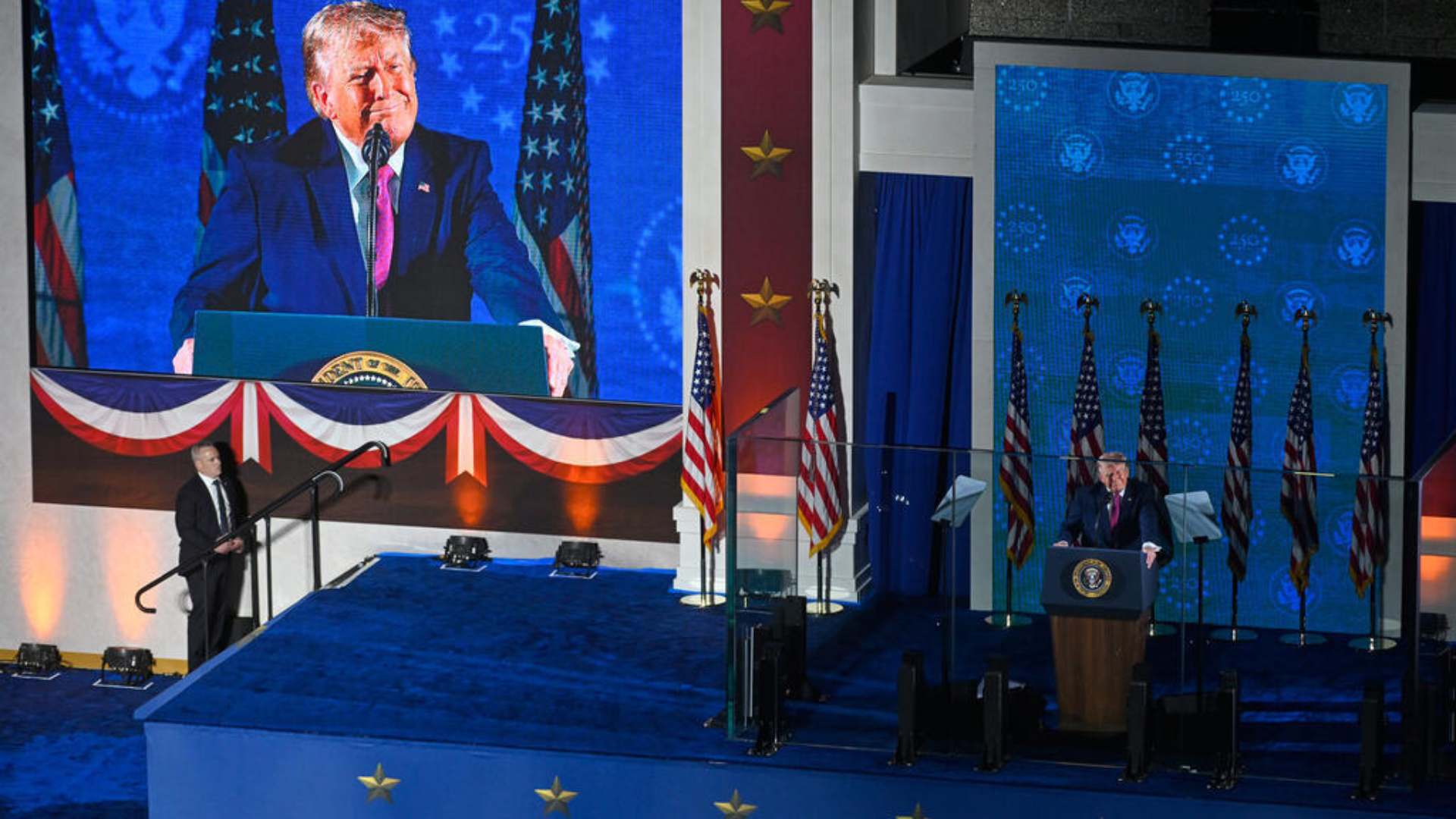
U.S. President Hails America at U.S. 250th Anniversary Celebrations
11:48 AM - 2026-07-04
.jpg)
Iranians Gather for Week-Long Funeral Ceremonies for Khamenei
10:31 AM - 2026-07-04
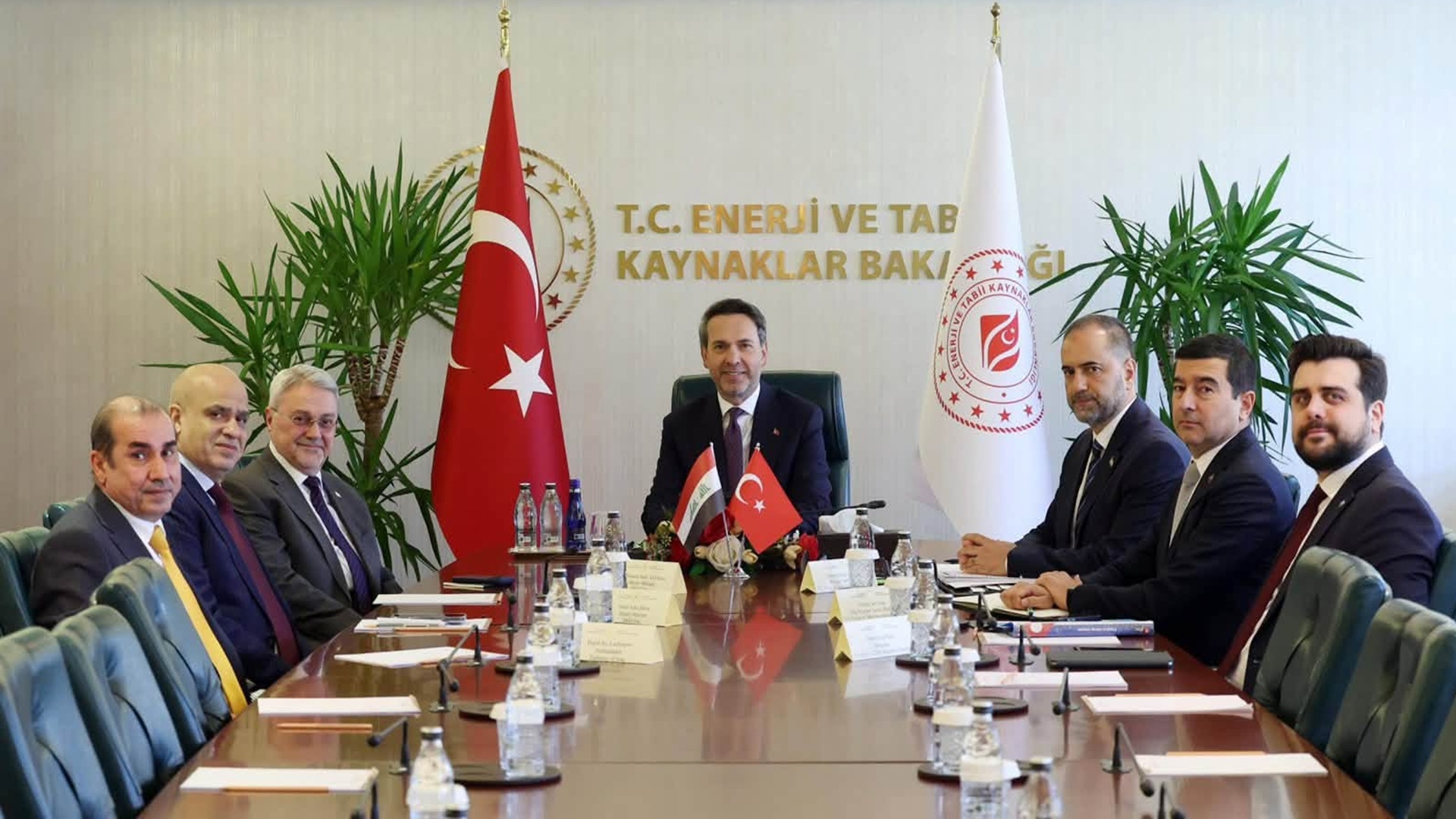
Iraqi Delegation Holds Energy Talks with Türkiye in Ankara
11:34 PM - 2026-07-03
Most read
-
Russian Defence Ministry Says They Captured Kostiantynivka in Eastern Ukraine
World 09:21 AM - 2026-07-04 -
PUK President Emphasises Importance of Joint Diplomatic Efforts to Reduce Tensions
P.U.K 12:30 PM - 2026-07-04 -
Iraq Recovers Over $25 Million in Misappropriated Funds, Pursues Assets in Five Countries
Economy 05:25 PM - 2026-07-04 -
Thousands Protest in Germany Against the Far-Right AfD
World 01:40 PM - 2026-07-04 -
Panel Discussion Held on Overcoming Kurdistan's Political Deadlock and Preparing for Elections
P.U.K 12:20 PM - 2026-07-04 -
Energy Advisor: Kurdistan Central to Emerging Trade Corridors
Reports 03:34 PM - 2026-07-04 -
Iranians Gather for Week-Long Funeral Ceremonies for Khamenei
World 10:31 AM - 2026-07-04 -
U.S. President Hails America at U.S. 250th Anniversary Celebrations
World 11:48 AM - 2026-07-04
The News in your pocket
Download
 Application