
572 Days After Kurdistan Elections, Formation of New KRG Cabinet Still Unclear
Reports 05:01 PM - 2026-05-15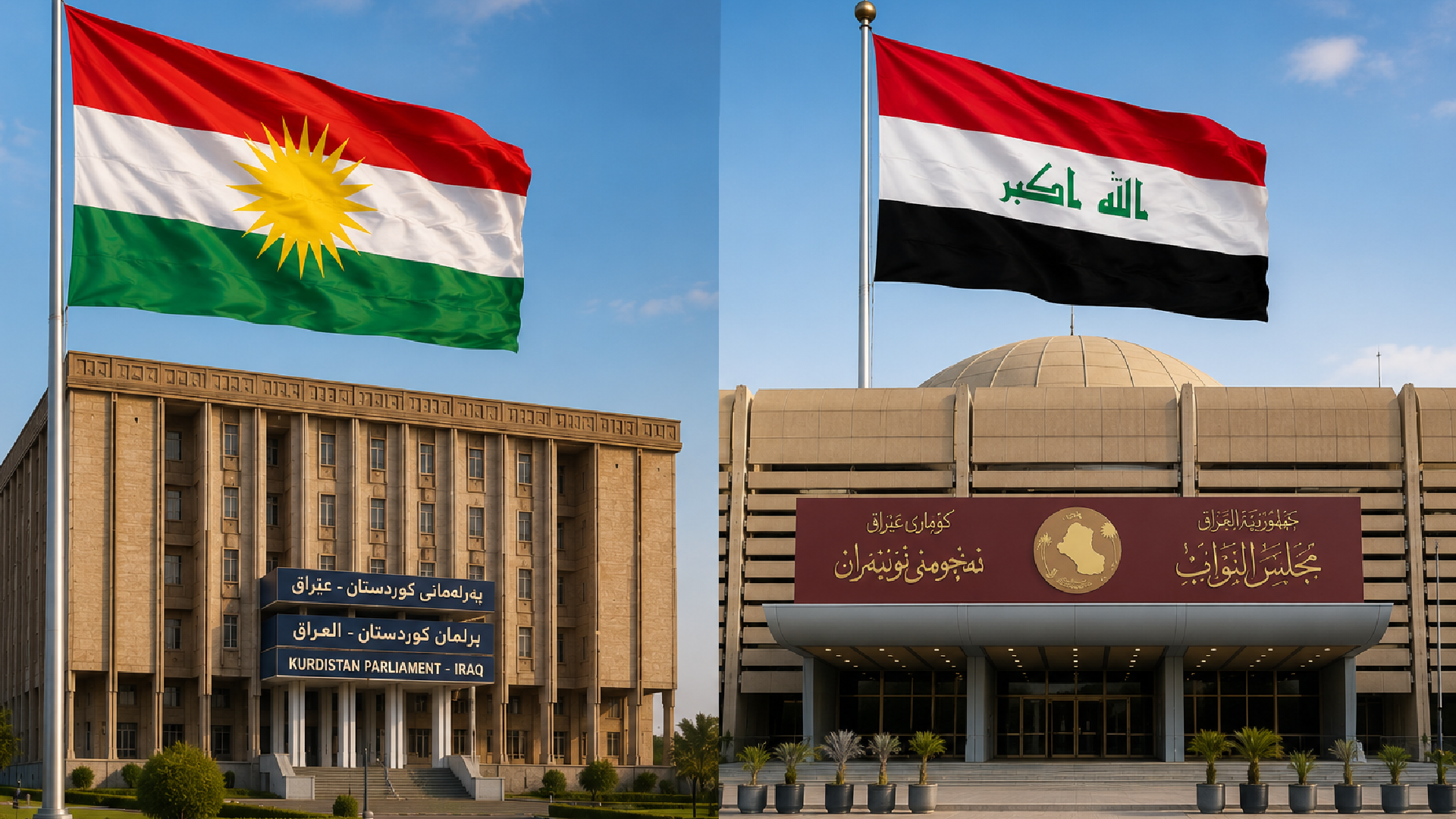 PUKMEDIA
Kurdistan and Iraq flags with Kurdistan Region and Iraq's parliaments.
More than one and a half year after the sixth parliamentary elections in the Kurdistan Region, the formation of the tenth cabinet of the Kurdistan Regional Government (KRG) remains uncertain, despite the federal government in Baghdad having already completed its formation process and activated parliament within months of the elections.
The sixth parliamentary elections in the Kurdistan Region were held on 20 October 2024. Since then, 572 days have passed without the formation of a new regional government.
Monopolising Key Powers is Causing the Delay in Forming a Government
Although the first session of the Kurdistan Parliament was held on 2 December 2024, during which members of the sixth parliamentary term were sworn in, the session has remained open ever since, leaving the Region effectively without a functioning parliament.
Political disagreements and the absence of a clear mechanism for distributing sovereign and executive positions are viewed as the main reasons behind the continued delay, as some parties are attempting to monopolise key institutions and ministries, including those related to the economy, internal affairs, foreign affairs, the Peshmerga forces, security institutions, intelligence agencies, and the judiciary, limiting the possibility of genuine power-sharing.
Delay in Forming New KRG Cabinets is Not New
Because of these flawed policies in the Kurdistan Region, the formation of governments has repeatedly faced long delays. The first government formed after the 19 May 1992 elections took only 46 days, while the second took 462 days, the third 95 days, the fourth 270 days, and the fifth 282 days. The sixth cabinet, however, remains unformed after 572 days.
The Federal Government Relies on the Constitution and Political Custom
Compared to the Kurdistan Region, the formation of the federal government in Iraq is relatively easier because it is largely based on political custom. Under this arrangement, the position of Prime Minister is typically held by a member of the Shia community, while the largest parliamentary coalition is granted the right to nominate the candidate tasked with forming the government.
The presidency is traditionally held by a Kurd, while the position of Speaker of Parliament is allocated to a Sunni Arab. Ministries are also distributed according to political balance and representation, with sovereign, service, and security portfolios shared among the various parties and components.
Under this system, the Ministry of Foreign Affairs is usually assigned to a Kurdish party, the Ministry of the Interior to a Shia party, and the Ministry of Defence to a Sunni party.
This arrangement has helped successive Iraqi governments meet constitutional deadlines despite political disputes.
The Region Needs a Law
This comparison between the formation of governments in the Kurdistan Region and the federal government highlights the urgent need for a clear legal framework and mechanism that obliges political parties to respect constitutional deadlines for government formation, thereby preventing further delays.
While the Patriotic Union of Kurdistan (PUK) has repeatedly called for accelerating the formation of the new government, some political forces continue to pursue policies based on dominance and monopoly, hindering progress toward a genuine partnership government.
Furthermore, the Kurdistan Region requires a new approach to governance that prevents any single party from monopolising all sovereign positions, thereby ensuring genuine partnership among the various political forces.
PUKMEDIA
More news
-
China Does Not Seek a 'Sphere of Influence' in Relations with Pacific Island Nations, Foreign Minister Says
12:27 PM - 2026-07-14 -
Oil Climbs to One-Month High as U.S. and Iran Intensify Attacks in the Strait of Hormuz
09:05 AM - 2026-07-14 -
Ukraine to Manufacture French Missiles and Order Warplanes, Macron Says
11:22 PM - 2026-07-13 -
Wildfire Erupts Near Paris as Heatwave Sweeps Across Europe
10:13 PM - 2026-07-13
see more
.jpeg)
Kurdistan 02:36 PM - 2026-07-14 Qubad Talabani Reviews Progress on Major Water Project to End Shortages in Chamchamal
Kurdistan Region VP Commends Germany's Continued Support for Iraq and the Kurdistan Region
01:25 PM - 2026-07-14
Remembering 14 July Revolution That Ended Iraq's Monarchy
11:11 AM - 2026-07-14
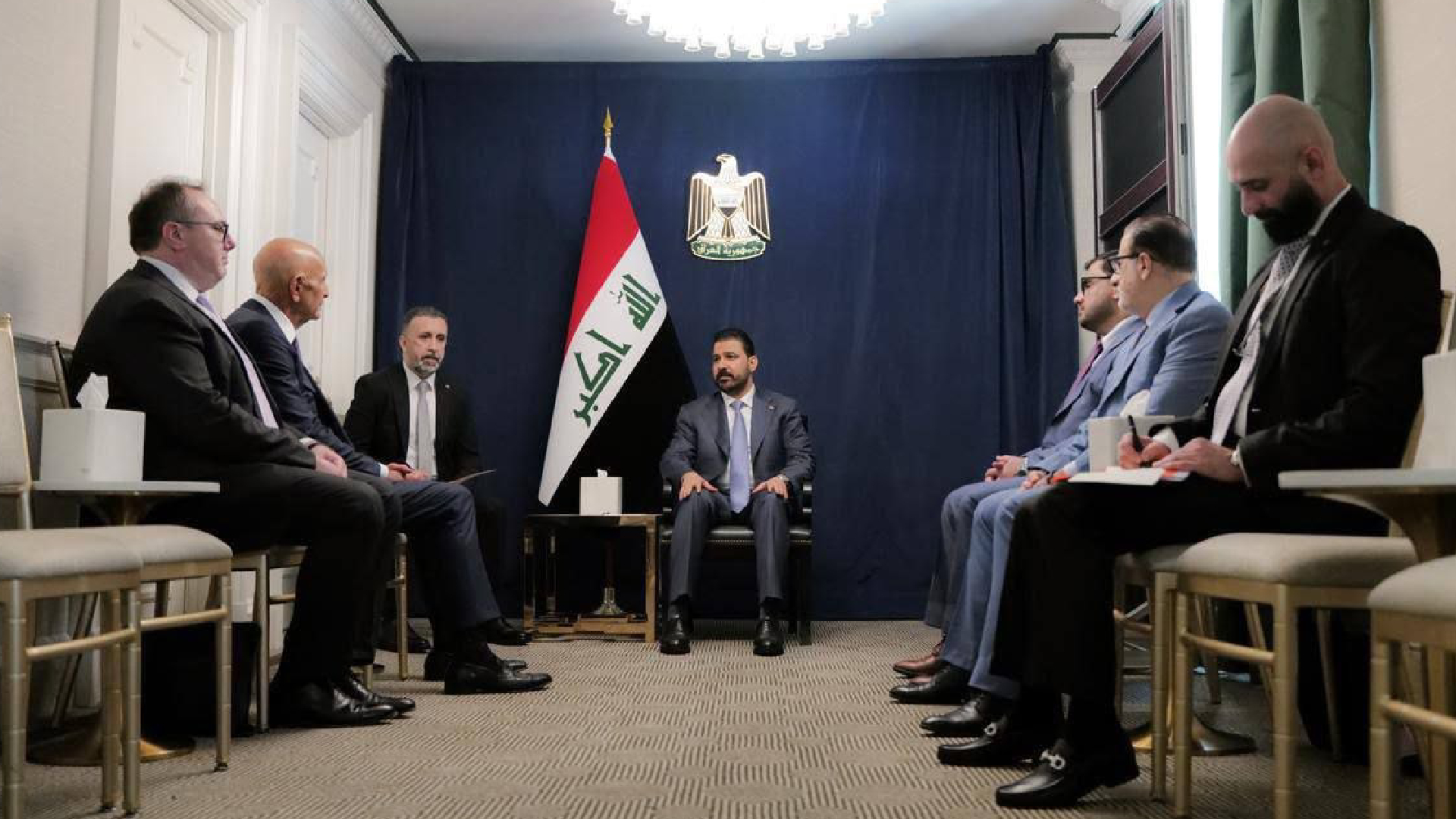
Iraqi PM Discussed Bilateral Cooperation and Regional Stability with U.S. Special Envoy in Washington
10:01 AM - 2026-07-14
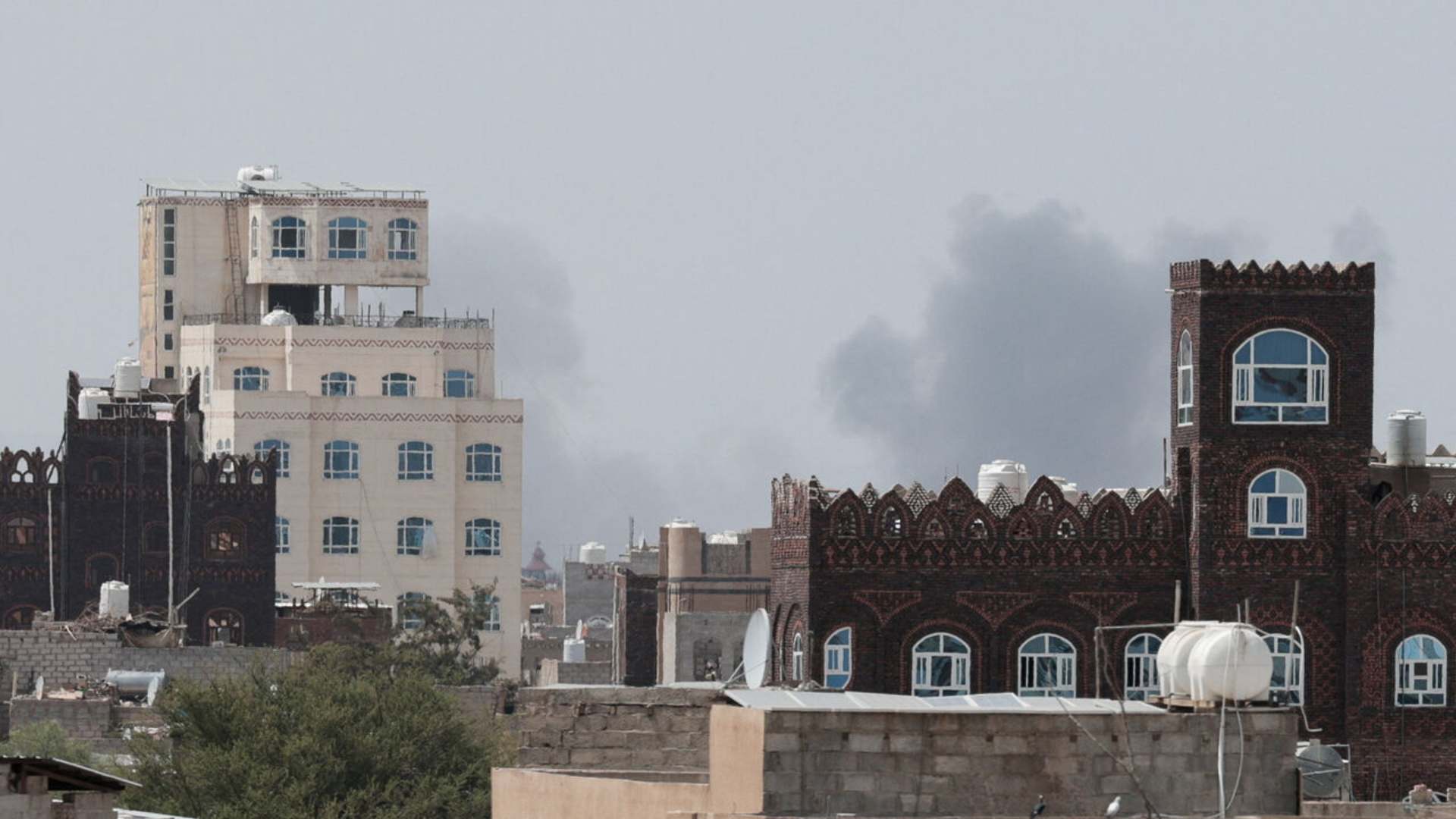
Houthis Launch Missile Attacks on Saudi Arabia After Years of Calm
09:45 AM - 2026-07-14
Most read
-
Qubad Talabani Meets Dutch Ambassador to Iraq on Conclusion of Her Mission
Kurdistan 07:36 PM - 2026-07-13 -
Nineveh Integrity Court Orders Seizure of Commercial Properties and Mills Linked to Corruption Case
Iraq 03:42 PM - 2026-07-13 -
Jurassic Park Star Sam Neill Dies Aged 78
World 12:47 PM - 2026-07-13 -
Sheikh Jaafar Sheikh Mustafa Receives Qubad Talabani
Kurdistan 05:36 PM - 2026-07-13 -
Hungary's Parliament Set to Vote on Constitutional Amendment to Oust President
World 02:21 PM - 2026-07-13 -
Trump Says U.S. Has Reinstated Blockade on Iranian Shipping in Hormuz
World 09:05 PM - 2026-07-13 -
Trump Says U.S. Would Probably Control the Strait of Hormuz and Charge for Its Use
World 04:25 PM - 2026-07-13 -
Ukraine to Manufacture French Missiles and Order Warplanes, Macron Says
World 11:22 PM - 2026-07-13
The News in your pocket
Download
 Application