

OPEC+ Agrees Third Oil Output Quota Increase Since Strait of Hormuz Closure
Economy 04:49 PM - 2026-05-03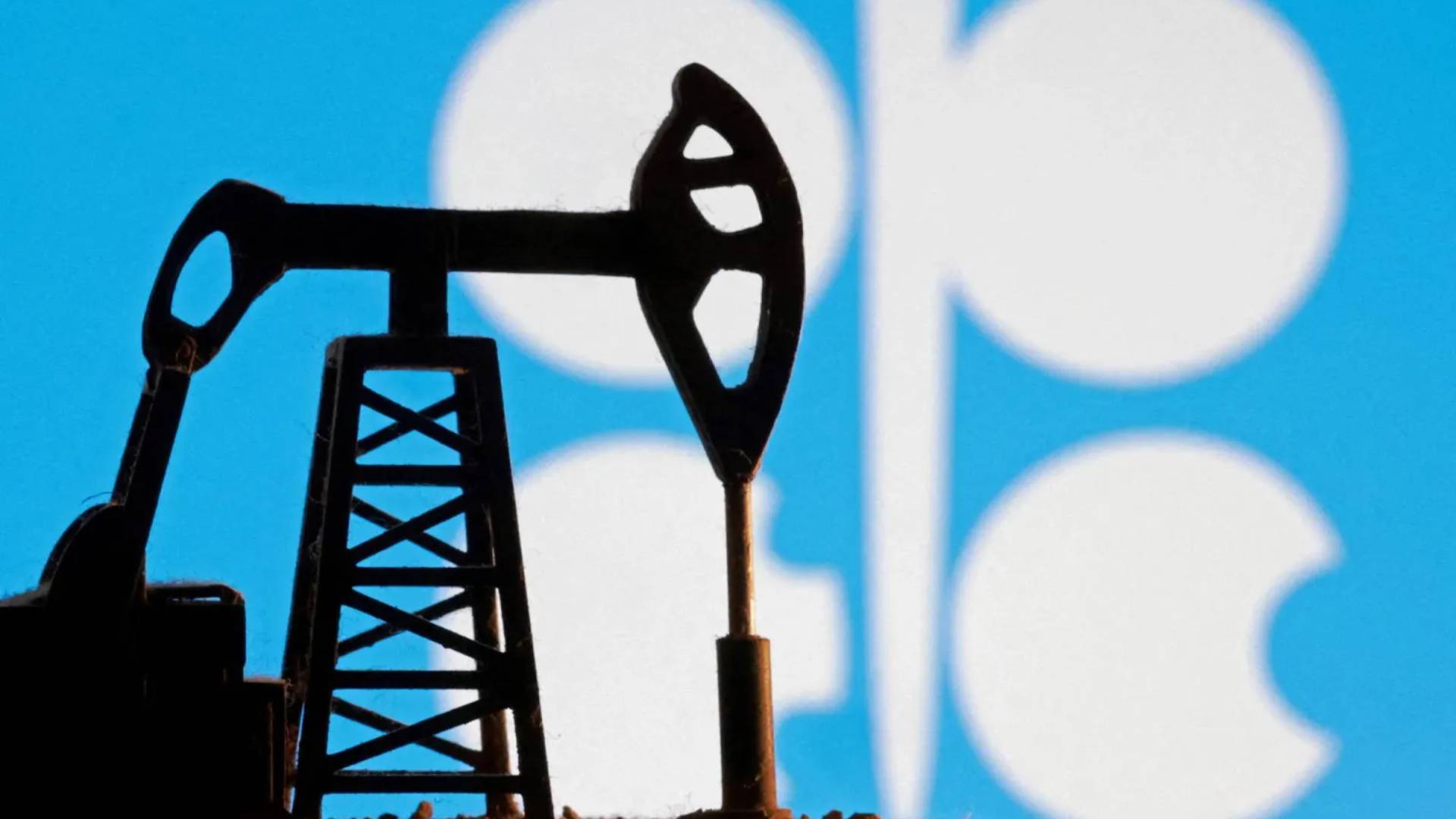 Reuters
A model of an oil pump is seen in front of the OPEC logo in this illustration.
OPEC+ agreed on Sunday to a modest increase in oil output for June, although the rise is expected to remain largely nominal while the ongoing conflict involving Iran continues to disrupt Gulf oil supplies through the Strait of Hormuz.
In a statement issued following an online meeting, OPEC+ said that seven member countries would raise production targets by 188,000 barrels per day in June, marking the third consecutive monthly increase. The adjustment mirrors the level agreed for May, excluding the share previously attributed to the UAE, which exited the arrangement on 1 May.
The move is designed to show the group is ready to raise supplies once the war stops and signals that OPEC+ is pressing on with a business-as-usual approach despite the departure of the UAE from OPEC+, Reuters cited OPEC+ sources and analysts.
“OPEC+ is sending a two-layer message to the market: continuity despite the UAE’s exit, and control despite limited physical impact," Reuters quoted Jorge Leon, an analyst at Rystad and former OPEC official, as saying.
“While output is increasing on paper, the real impact on physical supply remains very limited given the Strait of Hormuz constraints. This is less about adding barrels and more about signaling that OPEC+ still calls the shots.”
Output quotas for leading OPEC+ members are set to rise under the latest agreement, with Saudi Arabia’s allocation increasing to 10.291 million barrels per day (bpd) in June—well above its reported actual production of 7.76 million bpd in March.
The seven countries participating in Sunday’s meeting were Saudi Arabia, Iraq, Kuwait, Algeria, Kazakhstan, Russia and Oman. Following the departure of the United Arab Emirates from the core decision-making group, OPEC+ now comprises 21 members, including Iran, although in recent years only these seven countries—alongside the UAE—have taken part in monthly production decisions.
The conflict involving Iran, which began on 28 February, and the subsequent closure of the Strait of Hormuz have significantly curtailed exports from key OPEC+ producers, including Saudi Arabia, Iraq and Kuwait, as well as from the UAE. Prior to the conflict, these countries were among the few within the group with the capacity to increase output.
Industry executives in the Gulf and global oil traders have indicated that even after shipping through the Strait of Hormuz resumes, it could take several weeks or even months for oil flows to return to normal levels.
The supply disruption has propelled oil prices to a four-year high above $125 per barrel as analysts begin to predict widespread jet fuel shortages in one to two months and a spike in global inflation.
Crude oil output from all OPEC+ members averaged 35.06 million bpd in March, down 7.70 million bpd from February, OPEC said in a report last month, with Iraq and Saudi Arabia making the biggest cuts due to constrained exports.
The seven OPEC+ members will meet again on June 7, the statement said.
Source: Reuters
PUKMEDIA
More news
-
President Amedi: Jalal Talabani’s Legacy Will Continue to Inspire Future Generations
10:17 PM - 2026-07-14 -
China Does Not Seek a 'Sphere of Influence' in Relations with Pacific Island Nations, Foreign Minister Says
12:27 PM - 2026-07-14 -
Oil Climbs to One-Month High as U.S. and Iran Intensify Attacks in the Strait of Hormuz
09:05 AM - 2026-07-14 -
Ukraine to Manufacture French Missiles and Order Warplanes, Macron Says
11:22 PM - 2026-07-13
see more
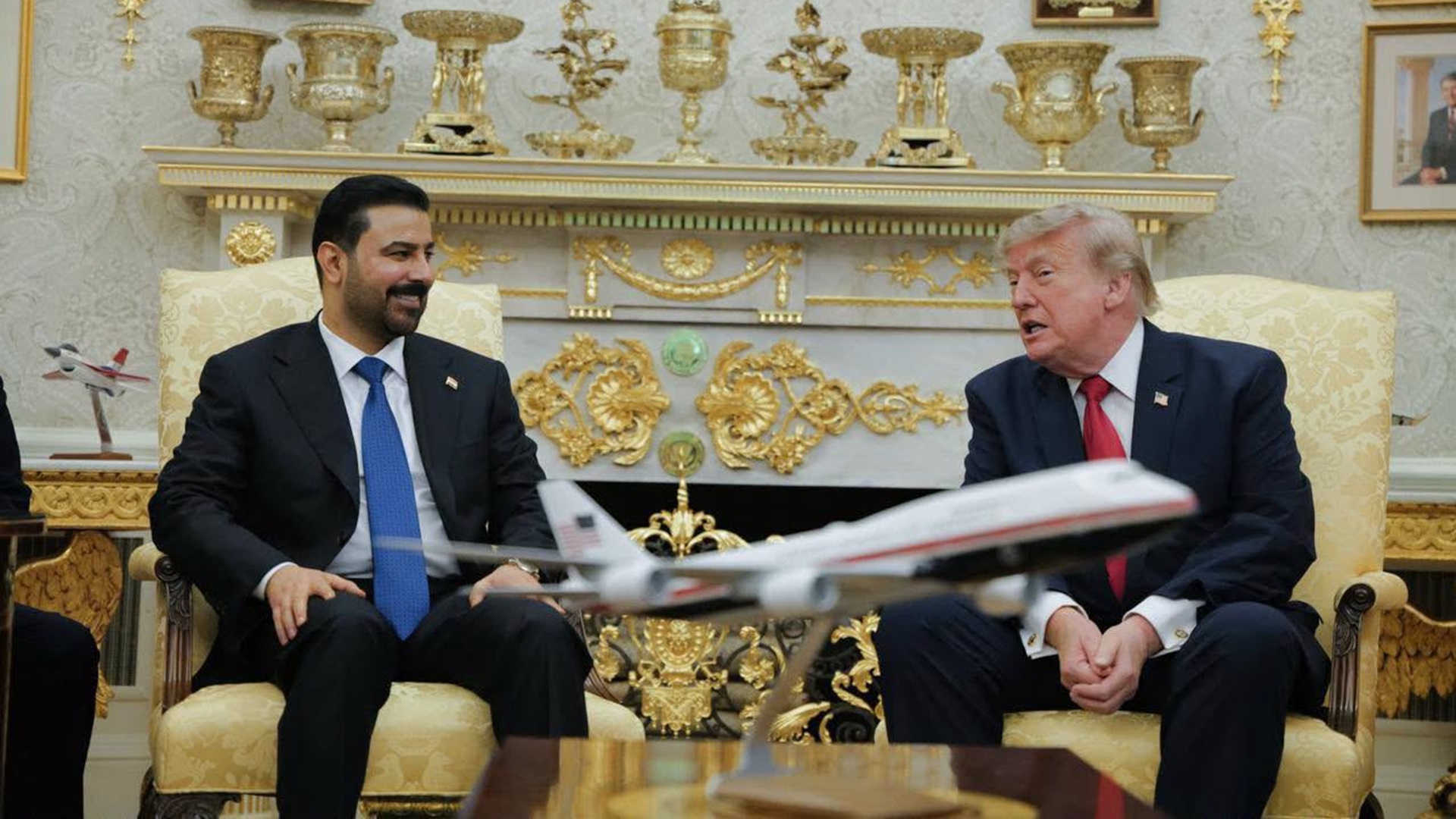
Iraq 09:02 PM - 2026-07-14 Trump Welcomes Iraqi PM al-Zaidi to White House, Reaffirms Strong US-Iraq Partnership
Sulaymaniyah International Airport Officially Renamed Jalal Talabani International Airport
07:20 PM - 2026-07-14
.jpeg)
Qubad Talabani Reviews Progress on Major Water Project to End Shortages in Chamchamal
02:36 PM - 2026-07-14
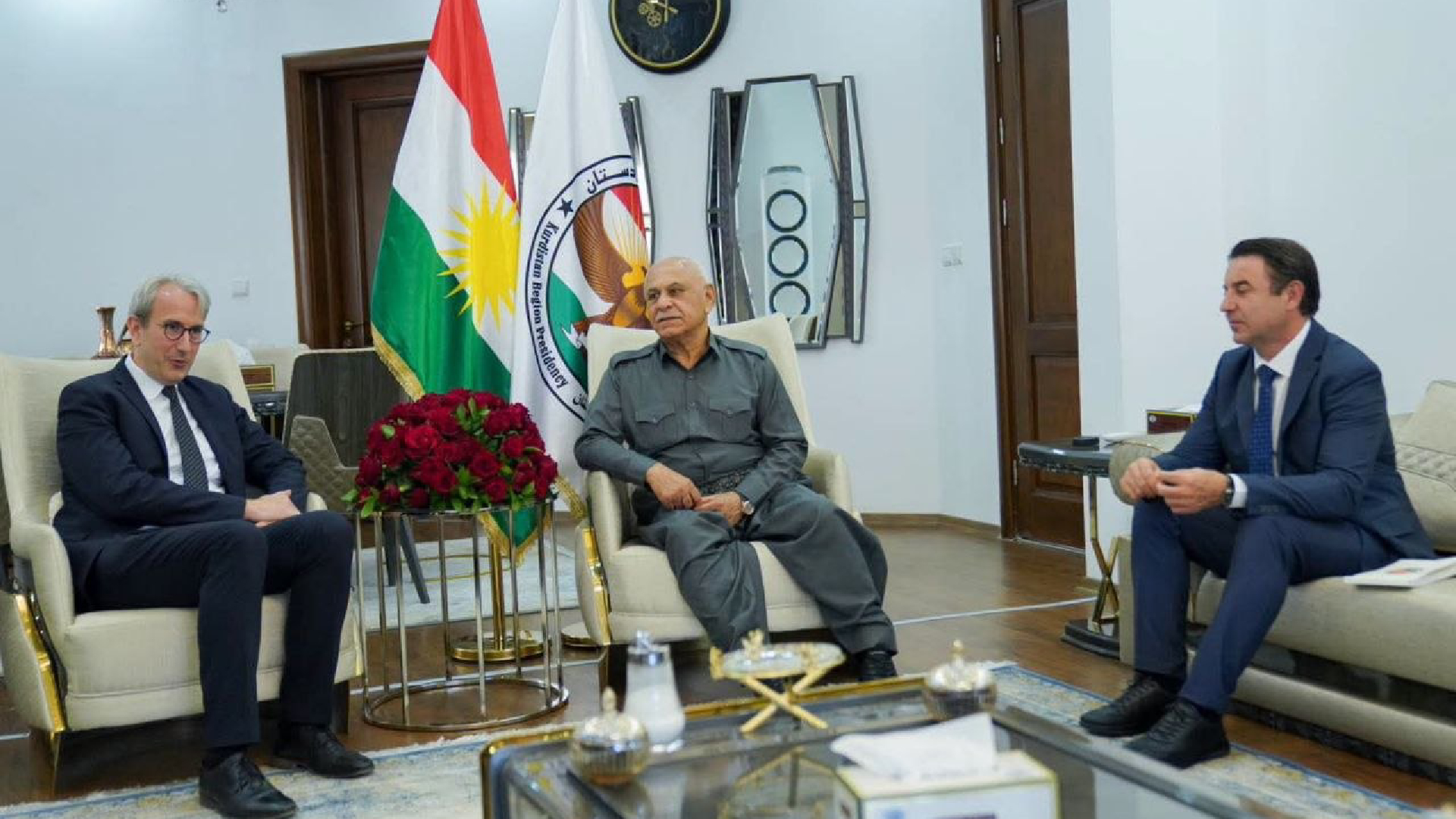
Kurdistan Region VP Commends Germany's Continued Support for Iraq and the Kurdistan Region
01:25 PM - 2026-07-14
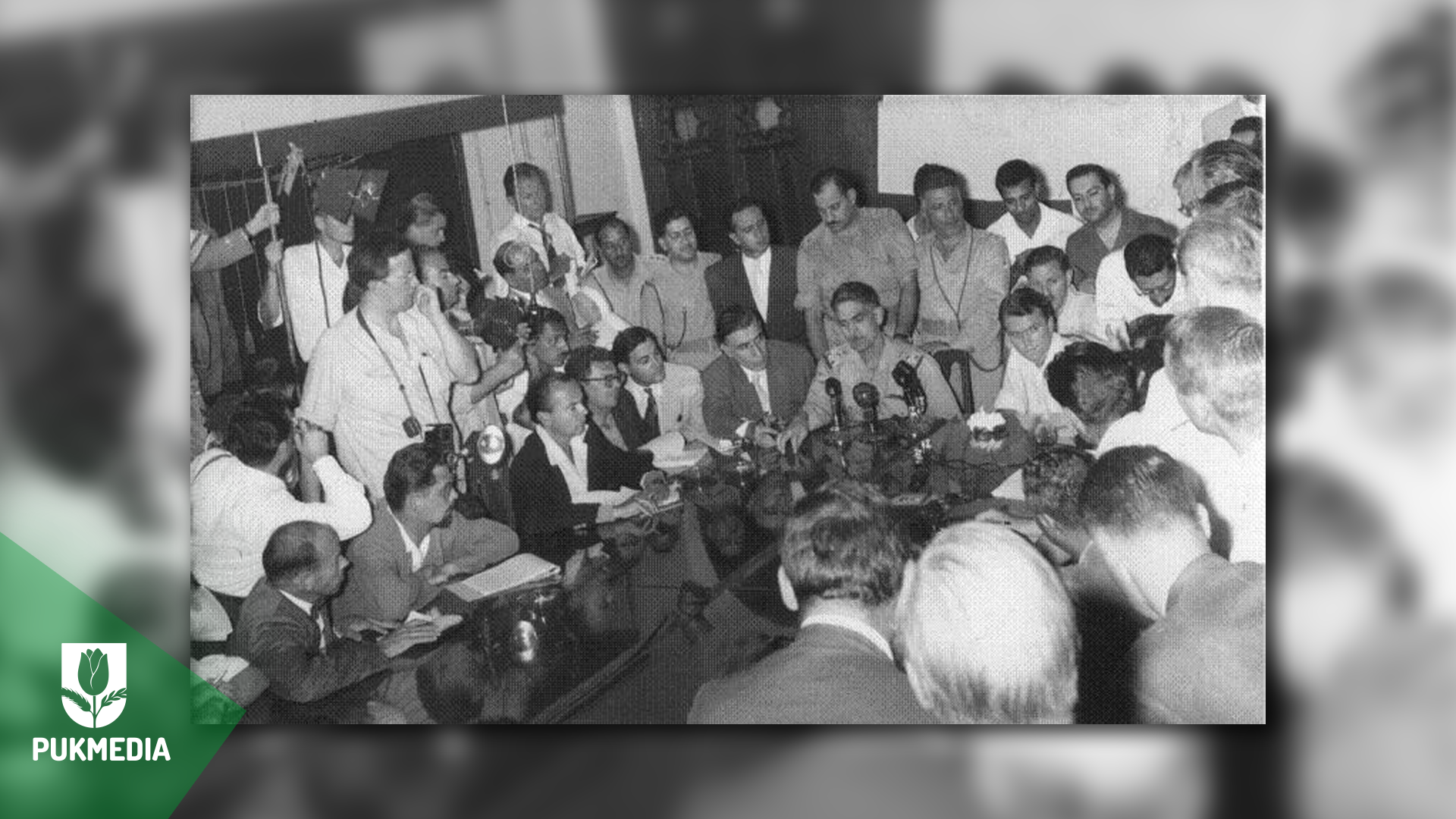
Remembering 14 July Revolution That Ended Iraq's Monarchy
11:11 AM - 2026-07-14
Most read
-
Remembering 14 July Revolution That Ended Iraq's Monarchy
Iraq 11:11 AM - 2026-07-14 -
Qubad Talabani Meets Dutch Ambassador to Iraq on Conclusion of Her Mission
Kurdistan 07:36 PM - 2026-07-13 -
Iraqi PM Discussed Bilateral Cooperation and Regional Stability with U.S. Special Envoy in Washington
Iraq 10:01 AM - 2026-07-14 -
Trump Says U.S. Has Reinstated Blockade on Iranian Shipping in Hormuz
World 09:05 PM - 2026-07-13 -
Houthis Launch Missile Attacks on Saudi Arabia After Years of Calm
World 09:45 AM - 2026-07-14 -
China Does Not Seek a 'Sphere of Influence' in Relations with Pacific Island Nations, Foreign Minister Says
World 12:27 PM - 2026-07-14 -
Oil Climbs to One-Month High as U.S. and Iran Intensify Attacks in the Strait of Hormuz
News 09:05 AM - 2026-07-14 -
Ukraine to Manufacture French Missiles and Order Warplanes, Macron Says
World 11:22 PM - 2026-07-13
The News in your pocket
Download
 Application