
UN Warns of Devastating Impact of Middle East Escalation on Women and Girls
World 04:02 PM - 2026-05-01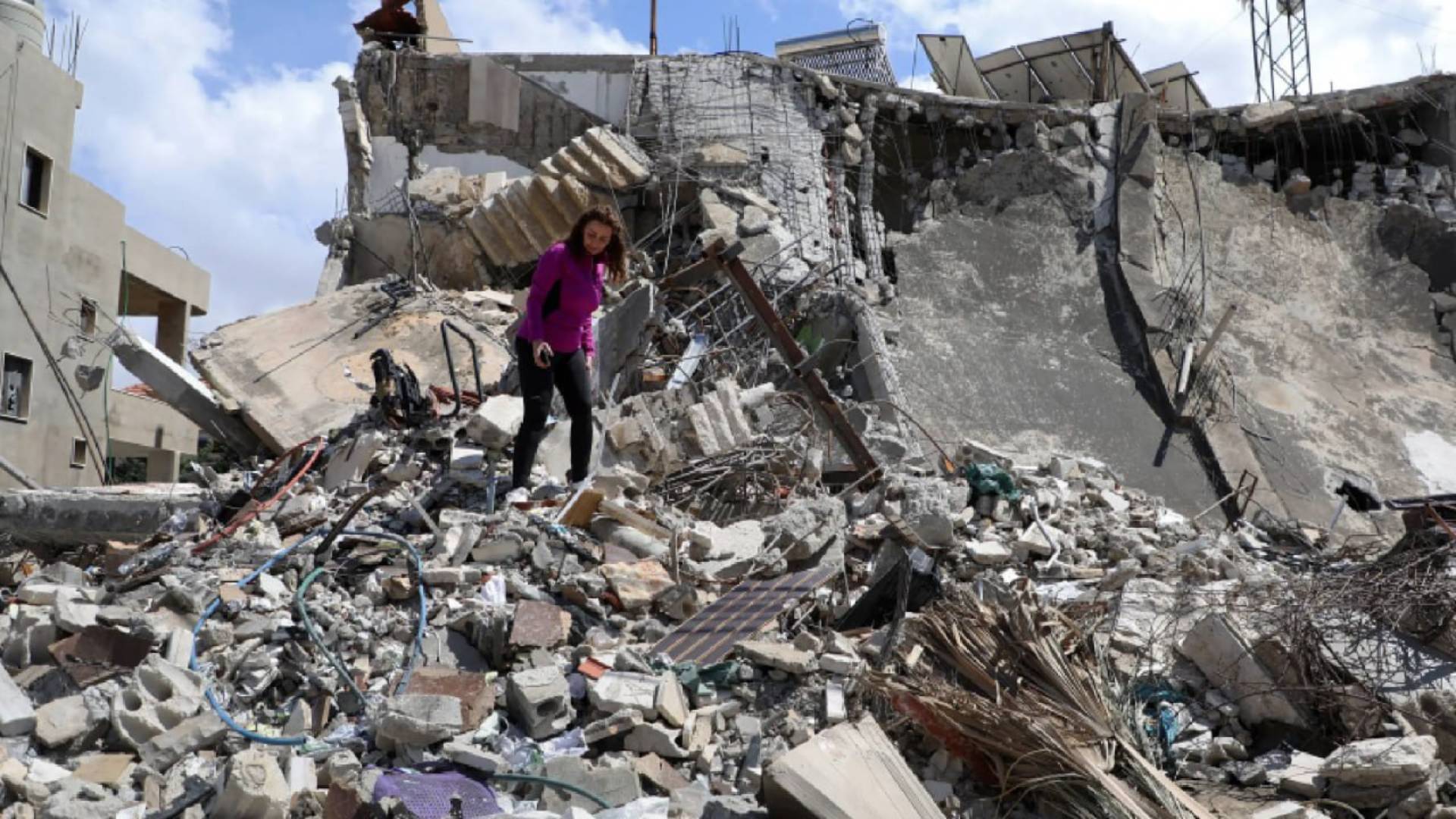 UN Women
In April 2026, displaced residents of Bednayel, Lebanon return to look through what is left of their destroyed homes.
The UN Women has warned that the ongoing military escalation in the Middle East is having a severe and disproportionate impact on women and girls, as conflict, displacement and economic instability intensify across the region.
UN Women’s ongoing research shows how women and girls are uniquely and disproportionately impacted by conflict and displacement. Right now, the systems that support the health, safety and livelihoods of women and girls in the Middle East are straining – or collapsing entirely – under the pressure of the escalating violence.
The UN Women said in report that while much of the military operations are concentrated in Iran and Lebanon, strikes, displacement and infrastructure damage across the Middle East are disrupting humanitarian access in already fragile areas like Gaza and Yemen, adding that the conflict – which is disrupting global supply-chains in the Strait of Hormuz – is raising energy prices and food insecurity across the world.
"For women and girls, these crises are interconnected," the report said.
The report noted that since the escalation erupted on 28 February 2026, thousands of women have reportedly been killed or injured by military operations and violence in countries across the region.
The UN Women report also showed figures of the number of women killed in the recent escalation:
Women in Iran: As of 21 April, 496 women had been reportedly killed and 4,000 injured, according to the Iranian Ministry of Health and Medical Education.
Women in Lebanon: As of 26 April, at least 277 women had been reportedly killed and 1,250 injured. The deadliest day in Lebanon so far was 8 April, when 99 women were killed in intensified Israeli airstrikes.
"As of 10 April, women and girls have reportedly been killed in Bahrain, Iraq, Israel, Kuwait, Palestine, and the United Arab Emirates," the UN Women said.
The UN Women also said that within the first month of the escalation, an estimated 1.2 million people were displaced in Lebanon, including 620,000 women and girls – representing 1 in 4 Lebanese women and girls, while in Iran, up to an estimated 3.2 million people have been displaced – including 1.6 million women and girls.
The report underlined that women and girls experience displacement differently to men and boys. Displacement:
- Increases their exposure and risk of gender-based violence, exploitation, abuse, and other protection risks
- Forces women and girls to shelter in overcrowded spaces with little to no privacy
- Severely disrupts access to healthcare, income, education, and support networks
Women and girls often carry additional caregiving responsibilities – like caring for children, sick family members, and the elderly. "These responsibilities increase during displacement as support systems break down, making it even hard to sustain and protect families," the UN Women report said.
"In Iran, restrictions on internet and mobile connectivity are also reducing access to information, livelihoods and services – and increasing risks for women who document abuses or seek help," it added. "The immense scale of displacement and damage to infrastructure have left women and girls struggling to access even basic healthcare."
"In Lebanon, more than 150 attacks on healthcare have been recorded between 2 March and 29 April 2026, including the killing of personnel and the destruction of hospitals," the report said. "In Gaza, border-crossing closures and constraints on humanitarian access – worsened by the escalation in the Middle East – have further reduced access to life-saving support for women and girls."
The military escalation in the Middle East is disrupting global supply chains for food and fuel. Instability in the Strait of Hormuz has contributed to rising costs on these essentials, which in turn drive up food prices – felt hardest by low-income countries already facing food insecurity.
"For women and girls, who are often the last to eat and have fewer economic resources, these global disruptions translate directly into increased hunger, poverty and vulnerability," the report said. "Women, especially, often miss meals or go days without food to prioritize the needs of others."
"We are already seeing the impact. UN Women estimates that more than 24 million women and girls across Iraq, Lebanon, Palestine, Syria, and Yemen are facing deepening food insecurity," the UN Women said.
"In countries including Afghanistan, Bangladesh, Myanmar, Somalia, and Sudan, millions more women and girls are facing risks of acute hunger or emergency-level food insecurity," it added. "This increases the risks of malnutrition and poor health outcomes, especially for pregnant women, adolescent girls and households headed by women."
The UN Women also warned that conflict not only undermines the safety and well-being of women and girls, it increases their immediate humanitarian risks, and deepens longer-term socioeconomic vulnerabilities. In other words, conflict pushes women and girls into – or deeper into – poverty.
"During displacement and conflict, gender-based violence increases," the UN Women report said. "It also further limits access to and destabilises essential services, including healthcare, legal services and mental health support."
"Gender inequality is intertwined with the economic impacts of conflict and displacement. Many women in the region already work in insecure, informal, low-paid jobs, which makes them more vulnerable when economies are hit," it added. "Families are also receiving less financial support from relatives abroad, increasing pressure on women who are the main providers."
In some countries already facing crises, including Afghanistan, pre-existing inequalities are expected to deepen further – including rising risks of child marriage, adolescent pregnancy, and maternal mortality, the UN Women warned.
The UN Women report also called for urgent action to protect women and girls affected by the escalation in the Middle East.
The report said: "This includes upholding the ceasefire agreements, full compliance with international humanitarian law, and representation of women in peace processes in line with the Women, Peace and Security agenda. Women human rights defenders and women-led organizations must also be protected – and civic space safeguarded."
It added: "We call for guaranteed humanitarian assistance with safe delivery of aid that reaches and meets the needs of women and girls, as well as increased support for services – including protection from violence, reproductive health, food and shelter. We also call for stronger support for women’s livelihoods and social protection, so that this new economic hardship does not deepen inequality."
The UN Women also called for the prevention of further militarisation and investing more in long-term prevention, recovery and resilience – including stable funding for critical women-led responses.
PUKMEDIA
More news
-
China Does Not Seek a 'Sphere of Influence' in Relations with Pacific Island Nations, Foreign Minister Says
12:27 PM - 2026-07-14 -
Oil Climbs to One-Month High as U.S. and Iran Intensify Attacks in the Strait of Hormuz
09:05 AM - 2026-07-14 -
Ukraine to Manufacture French Missiles and Order Warplanes, Macron Says
11:22 PM - 2026-07-13 -
Wildfire Erupts Near Paris as Heatwave Sweeps Across Europe
10:13 PM - 2026-07-13
see more
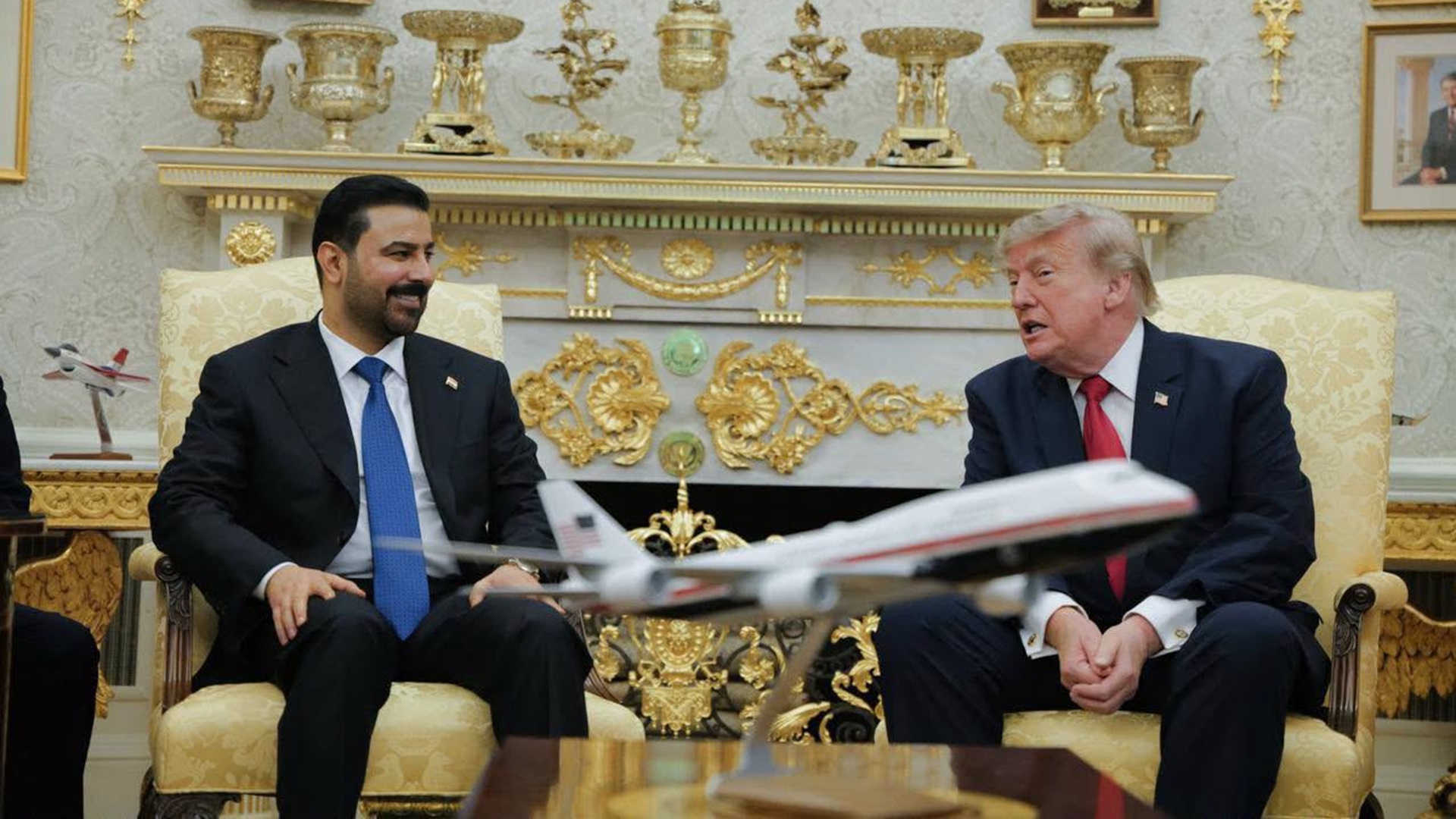
Iraq 09:02 PM - 2026-07-14 Trump Welcomes Iraqi PM al-Zaidi to White House, Reaffirms Strong US-Iraq Partnership
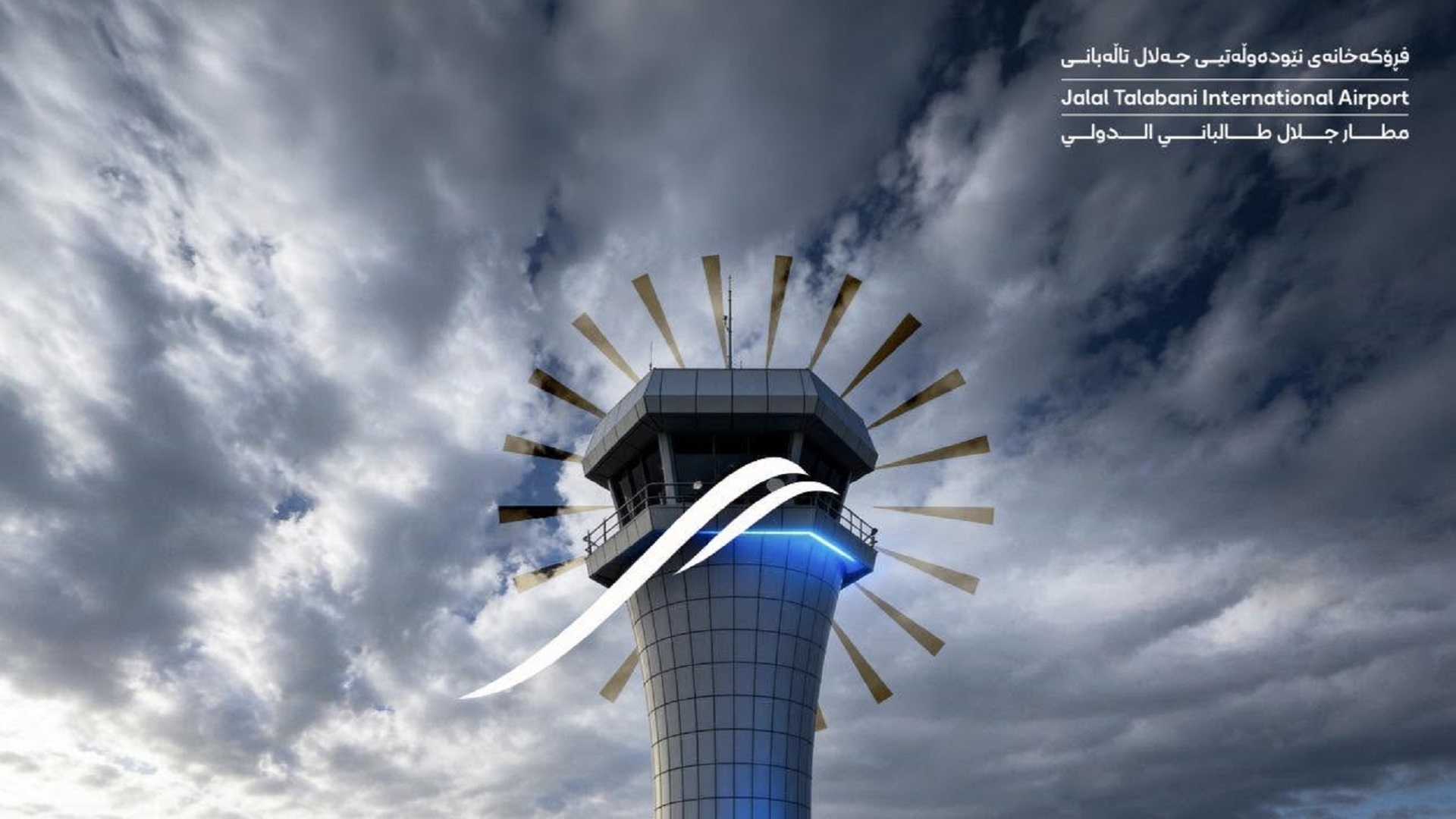
Sulaymaniyah International Airport Officially Renamed Jalal Talabani International Airport
07:20 PM - 2026-07-14
.jpeg)
Qubad Talabani Reviews Progress on Major Water Project to End Shortages in Chamchamal
02:36 PM - 2026-07-14
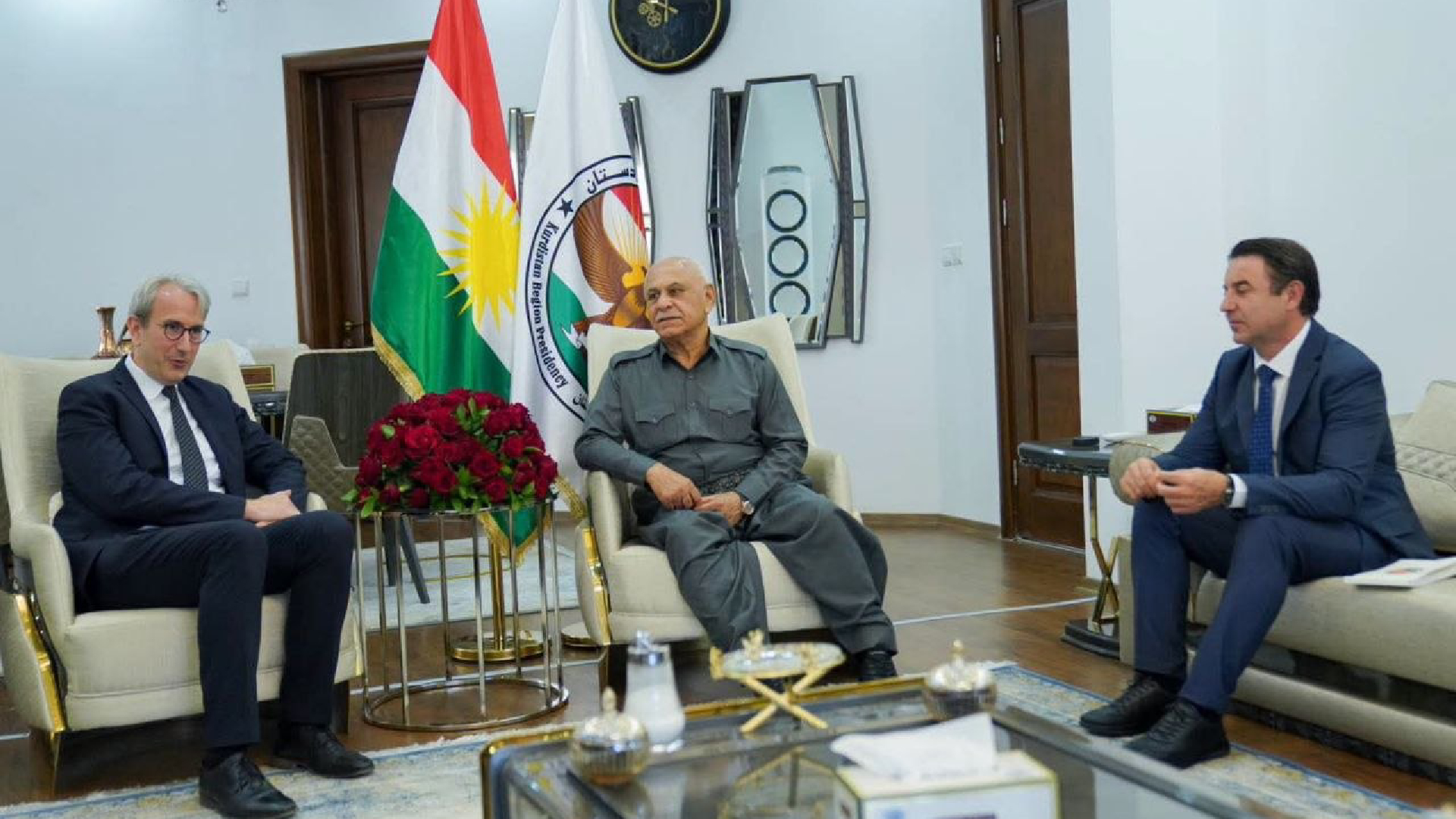
Kurdistan Region VP Commends Germany's Continued Support for Iraq and the Kurdistan Region
01:25 PM - 2026-07-14
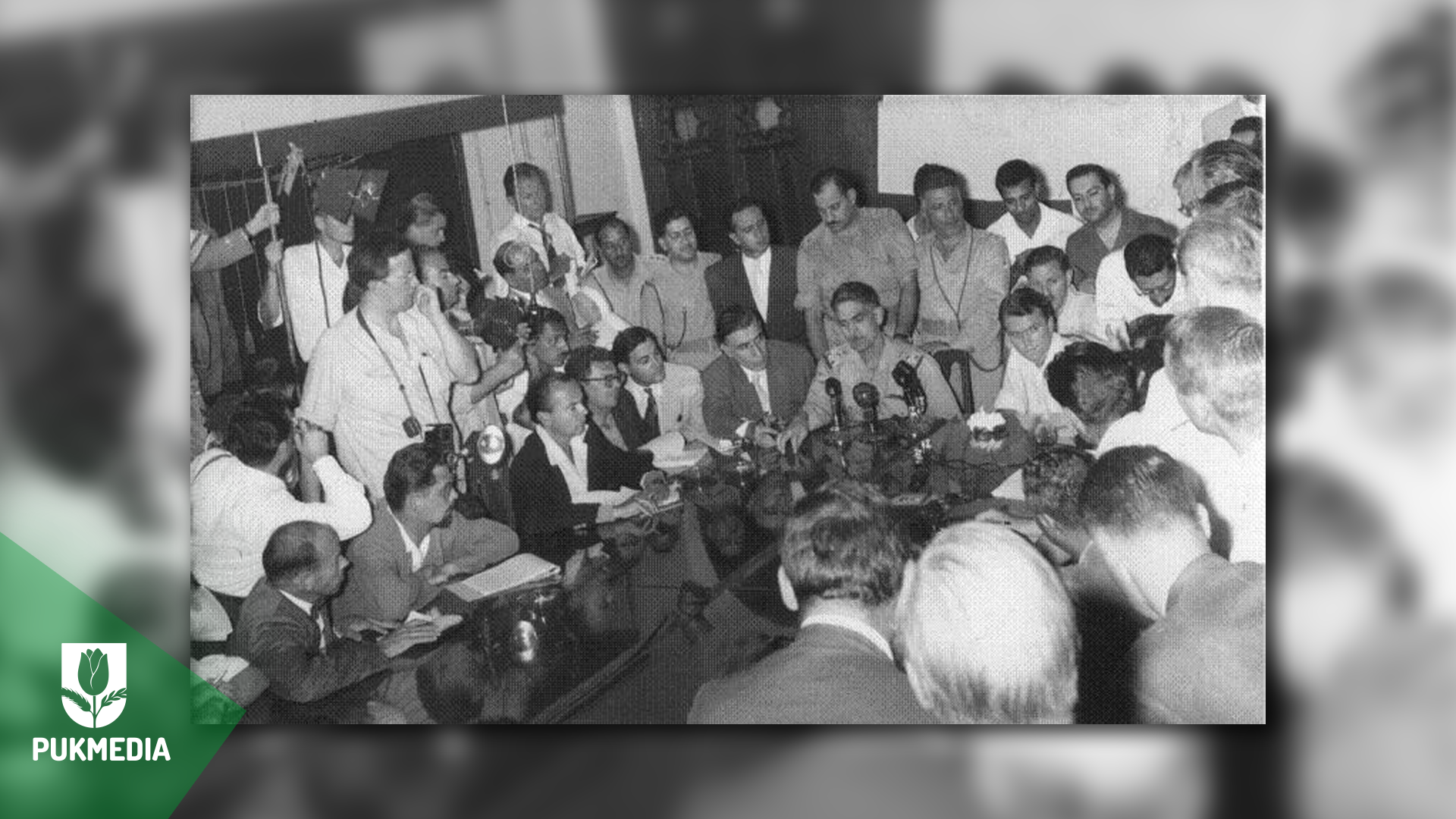
Remembering 14 July Revolution That Ended Iraq's Monarchy
11:11 AM - 2026-07-14
Most read
-
Remembering 14 July Revolution That Ended Iraq's Monarchy
Iraq 11:11 AM - 2026-07-14 -
Qubad Talabani Meets Dutch Ambassador to Iraq on Conclusion of Her Mission
Kurdistan 07:36 PM - 2026-07-13 -
Iraqi PM Discussed Bilateral Cooperation and Regional Stability with U.S. Special Envoy in Washington
Iraq 10:01 AM - 2026-07-14 -
Trump Says U.S. Has Reinstated Blockade on Iranian Shipping in Hormuz
World 09:05 PM - 2026-07-13 -
Houthis Launch Missile Attacks on Saudi Arabia After Years of Calm
World 09:45 AM - 2026-07-14 -
China Does Not Seek a 'Sphere of Influence' in Relations with Pacific Island Nations, Foreign Minister Says
World 12:27 PM - 2026-07-14 -
Oil Climbs to One-Month High as U.S. and Iran Intensify Attacks in the Strait of Hormuz
News 09:05 AM - 2026-07-14 -
Ukraine to Manufacture French Missiles and Order Warplanes, Macron Says
World 11:22 PM - 2026-07-13
The News in your pocket
Download
 Application