

4 Candidates Vie to Be the Next UN Chief
World 09:38 PM - 2026-04-26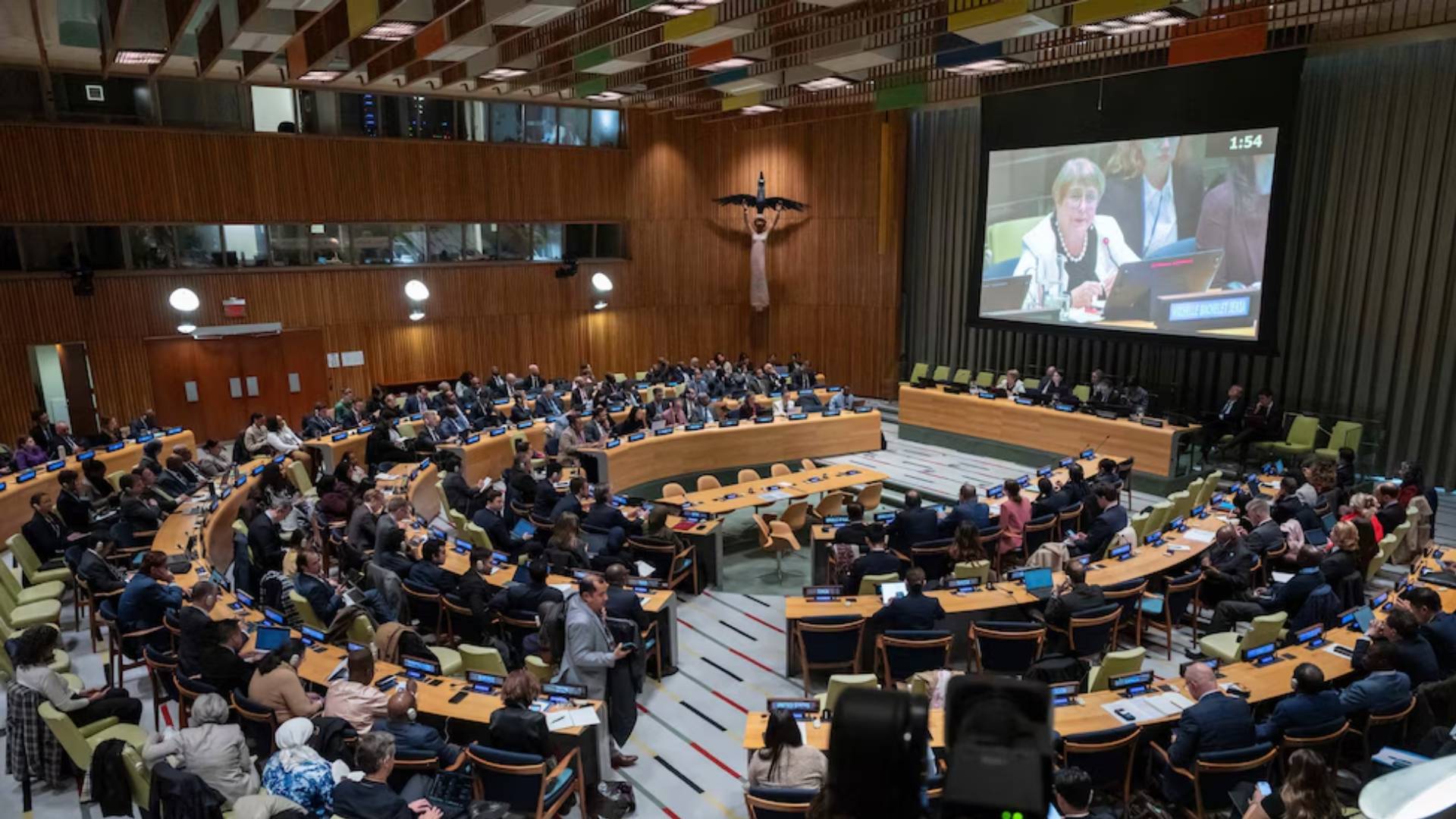 ABC News
United The Nations General Assembly.
Four candidates seeking to lead the United Nations have faced hours of questioning on issues ranging from restoring global peace to tackling rising poverty, in what the President of the United Nations General Assembly described as one of the toughest job interviews in the world.
No clear frontrunner emerged after Michelle Bachelet of Chile, Rafael Grossi of Argentina, Rebeca Grynspan of Costa Rica and Macky Sall of Senegal answered questions from UN ambassadors this past week.
Additional candidates could still enter the race after the initial hearings to succeed António Guterres as Secretary-General on 1 January.
“This role matters,” said General Assembly President Annalena Baerbock, who presided over the question-and-answer sessions. “The secretary-general is not only the head of the UN and the world’s top diplomat — she or he also represents all 8 billion of us, defending the UN Charter and leading on peace, development, human rights.”
All four candidates said they would focus on the three core pillars of the United Nations, particularly its founding post-World War II role of maintaining international peace and security and preventing conflict. They acknowledged that the organisation has struggled to fulfil that mandate in Iran, Gaza, Ukraine, Sudan and other global flashpoints because of deep divisions. All also pledged to advance reforms to the more than 80-year-old institution.
Michelle Bachelet, 74, a two-time president of Chile and former UN human rights chief, told ambassadors that the United Nations must work to prevent crises and said she possesses the leadership skills required for the role.
“I stand before you to reclaim the urgent need for dialogue,” she said, stressing that the UN must anticipate, prevent and unite. The next secretary-general also needs to be “physically present in the field” to help tackle problems, she said.
Rafael Grossi, 65, a former Argentine diplomat who has served as Director General of the International Atomic Energy Agency since 2019, said that with the world so polarised, “there are enormous, huge doubts about our institution” and its ability to resolve global problems.
Unless the UN has effective leadership and support from all countries, it won’t regain a key place at the table, he said, “so we have to concentrate on that.” He also said the next UN chief must visit global hot spots.
Rebeca Grynspan, 65, a former Costa Rican vice president who has been secretary-general of the UN trade and development agency since 2021, said she knows how to stand up for principles while under pressure. As secretary-general, she said she would “continue to be the moral voice and the impartial voice that the secretary-general has to be.”
The UN has become “a risk-conservative organization,” she warned. “We need to take more risks — and I am ready to fail and try again.”
Macky Sall, 64, who was president of Senegal for 12 years, said the UN needs to “regain its place at the global table.”
If chosen, he said he would be “a bridge-builder” and that his first priority would be “to contribute to restoring trust, to calm tensions, reduce fragmentation and breathe renewed hope into our collective action.”
Michelle Bachelet, a medical doctor, responded to a letter from 28 Republican U.S. lawmakers describing her as a “pro-abortion zealot” and urging Marco Rubio, the U.S. Secretary of State, to veto her candidacy. She said the issue remains controversial and that she respects every country’s right to decide its own policies.
Bachelet said she strongly believes in women’s right to make decisions about their own lives and how many children to have. As Secretary-General, she said she would do whatever is necessary to advance agreements reached by United Nations member states, including those promoting gender equality.
By tradition, the post of Secretary-General rotates by region, and this year it is considered Latin America’s turn. Macky Sall, the only candidate from outside the region, said the United Nations Charter does not bar any candidate.
He added that after a leader from the global north — António Guterres is Portuguese — the next UN chief should come from the global south. Sall was also the only candidate to prompt demonstrations outside UN headquarters, both in support of and against his candidacy. He has faced corruption allegations, which he denies.
The four candidates “tried to walk a political tightrope,” said Daniel Forti, the International Crisis Group’s head of UN affairs.
“It is not immediately obvious whether any candidate did enough to propel themselves ahead of the others, or to ward off potential challengers who might emerge later,” he said.
The final selection will rest with the 15-member UN Security Council, particularly its five veto-holding permanent members — United States, Russia, China, United Kingdom and France — which have so far remained tight-lipped. Final approval must then be granted by the 193-member United Nations General Assembly.
Minh-Thu Pham, an adviser to former UN chief Kofi Annan and chief executive of the Starling Institute, said there is broad support for a Secretary-General willing to take risks and play a more active role in promoting peace. She said the United Nations has been absent from discussions on major crises because “it hasn’t had the courage to take risks.”
Susana Malcorra, a former Argentine foreign minister and senior UN official who was a candidate for Secretary-General in 2016, said the United Nations now needs new leadership and fresh energy more than ever.
The global advocacy group she leads, GWL Voices, has been campaigning for the next UN chief to be a woman.
Source: AP
PUKMEDIA
More news
-
China Does Not Seek a 'Sphere of Influence' in Relations with Pacific Island Nations, Foreign Minister Says
12:27 PM - 2026-07-14 -
Oil Climbs to One-Month High as U.S. and Iran Intensify Attacks in the Strait of Hormuz
09:05 AM - 2026-07-14 -
Ukraine to Manufacture French Missiles and Order Warplanes, Macron Says
11:22 PM - 2026-07-13 -
Wildfire Erupts Near Paris as Heatwave Sweeps Across Europe
10:13 PM - 2026-07-13
see more
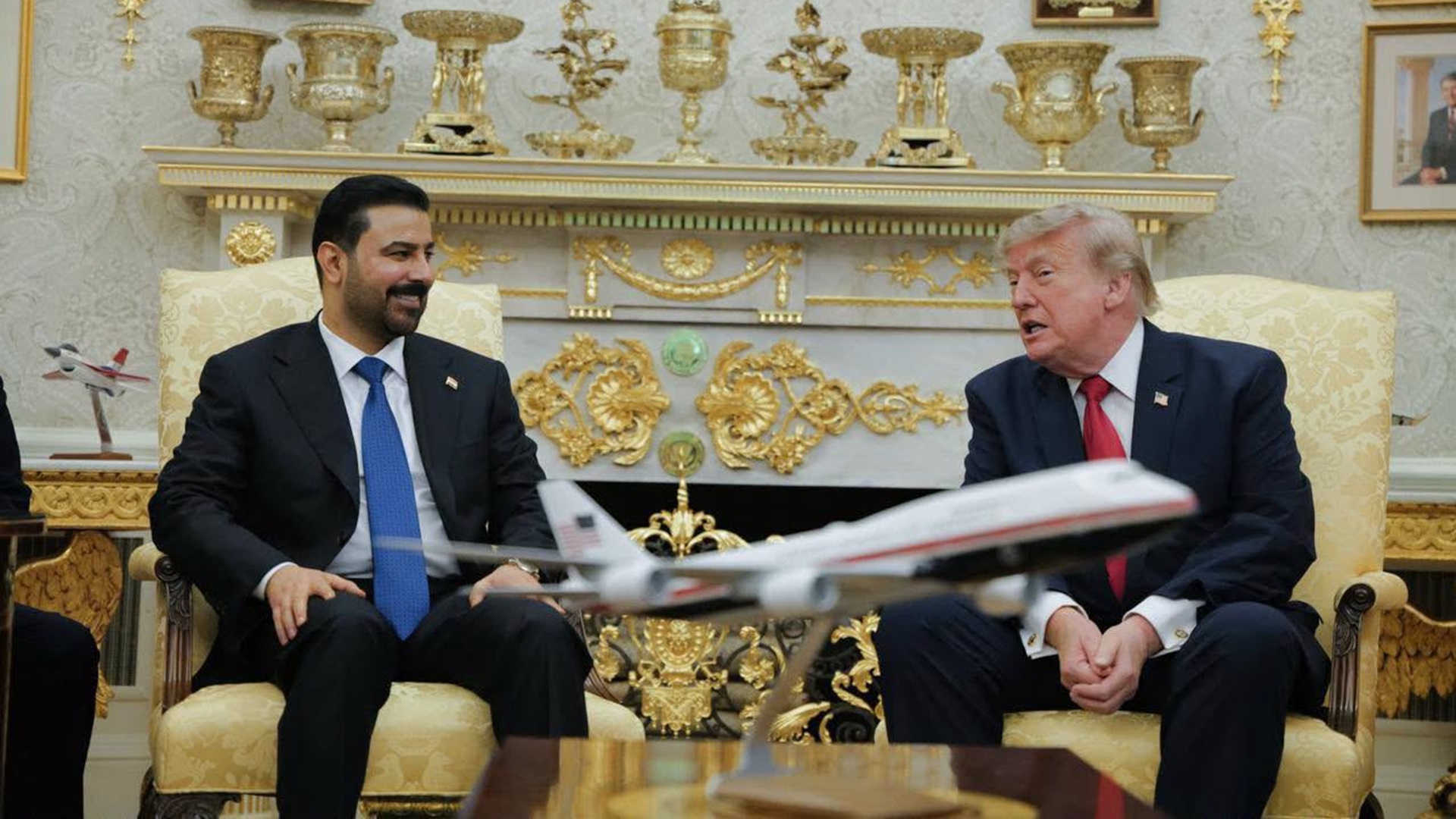
Iraq 09:02 PM - 2026-07-14 Trump Welcomes Iraqi PM al-Zaidi to White House, Reaffirms Strong US-Iraq Partnership
Sulaymaniyah International Airport Officially Renamed Jalal Talabani International Airport
07:20 PM - 2026-07-14
.jpeg)
Qubad Talabani Reviews Progress on Major Water Project to End Shortages in Chamchamal
02:36 PM - 2026-07-14
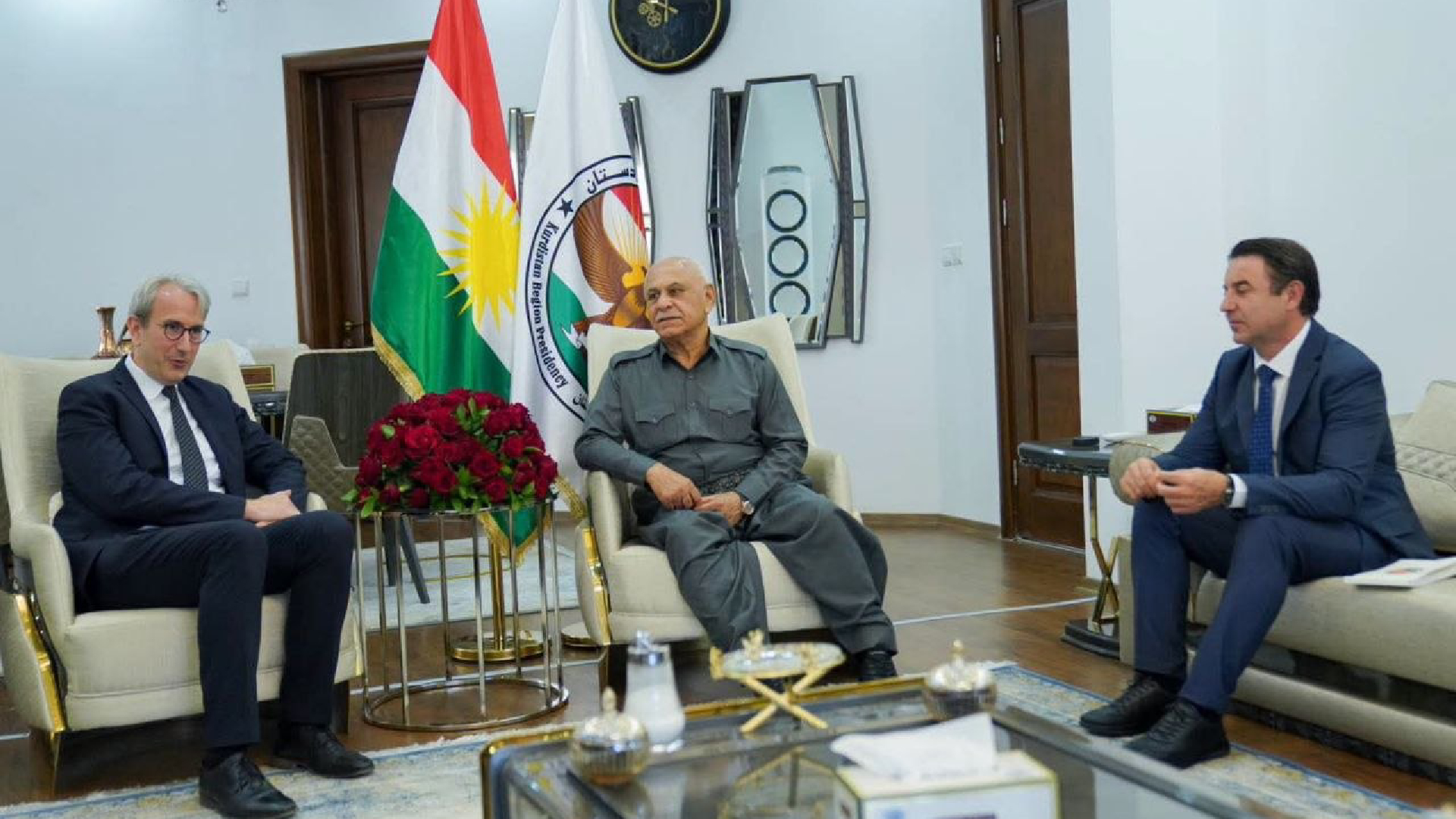
Kurdistan Region VP Commends Germany's Continued Support for Iraq and the Kurdistan Region
01:25 PM - 2026-07-14
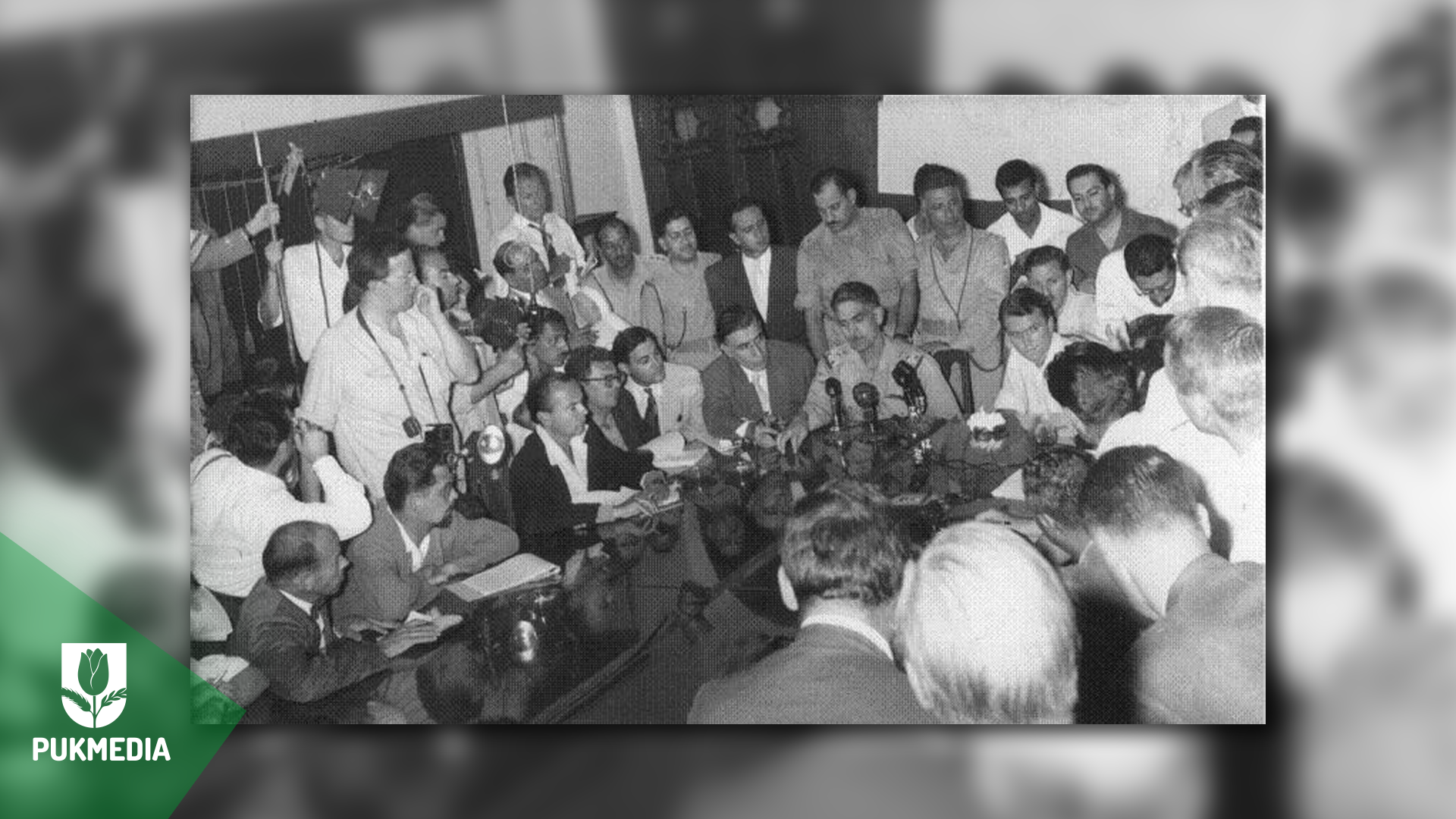
Remembering 14 July Revolution That Ended Iraq's Monarchy
11:11 AM - 2026-07-14
Most read
-
Remembering 14 July Revolution That Ended Iraq's Monarchy
Iraq 11:11 AM - 2026-07-14 -
Qubad Talabani Meets Dutch Ambassador to Iraq on Conclusion of Her Mission
Kurdistan 07:36 PM - 2026-07-13 -
Iraqi PM Discussed Bilateral Cooperation and Regional Stability with U.S. Special Envoy in Washington
Iraq 10:01 AM - 2026-07-14 -
Trump Says U.S. Has Reinstated Blockade on Iranian Shipping in Hormuz
World 09:05 PM - 2026-07-13 -
Houthis Launch Missile Attacks on Saudi Arabia After Years of Calm
World 09:45 AM - 2026-07-14 -
China Does Not Seek a 'Sphere of Influence' in Relations with Pacific Island Nations, Foreign Minister Says
World 12:27 PM - 2026-07-14 -
Oil Climbs to One-Month High as U.S. and Iran Intensify Attacks in the Strait of Hormuz
News 09:05 AM - 2026-07-14 -
Ukraine to Manufacture French Missiles and Order Warplanes, Macron Says
World 11:22 PM - 2026-07-13
The News in your pocket
Download
 Application