

Iran Closes Hormuz and Says No Date Set for Next Round of Negotiations with U.S.
World 04:25 PM - 2026-04-18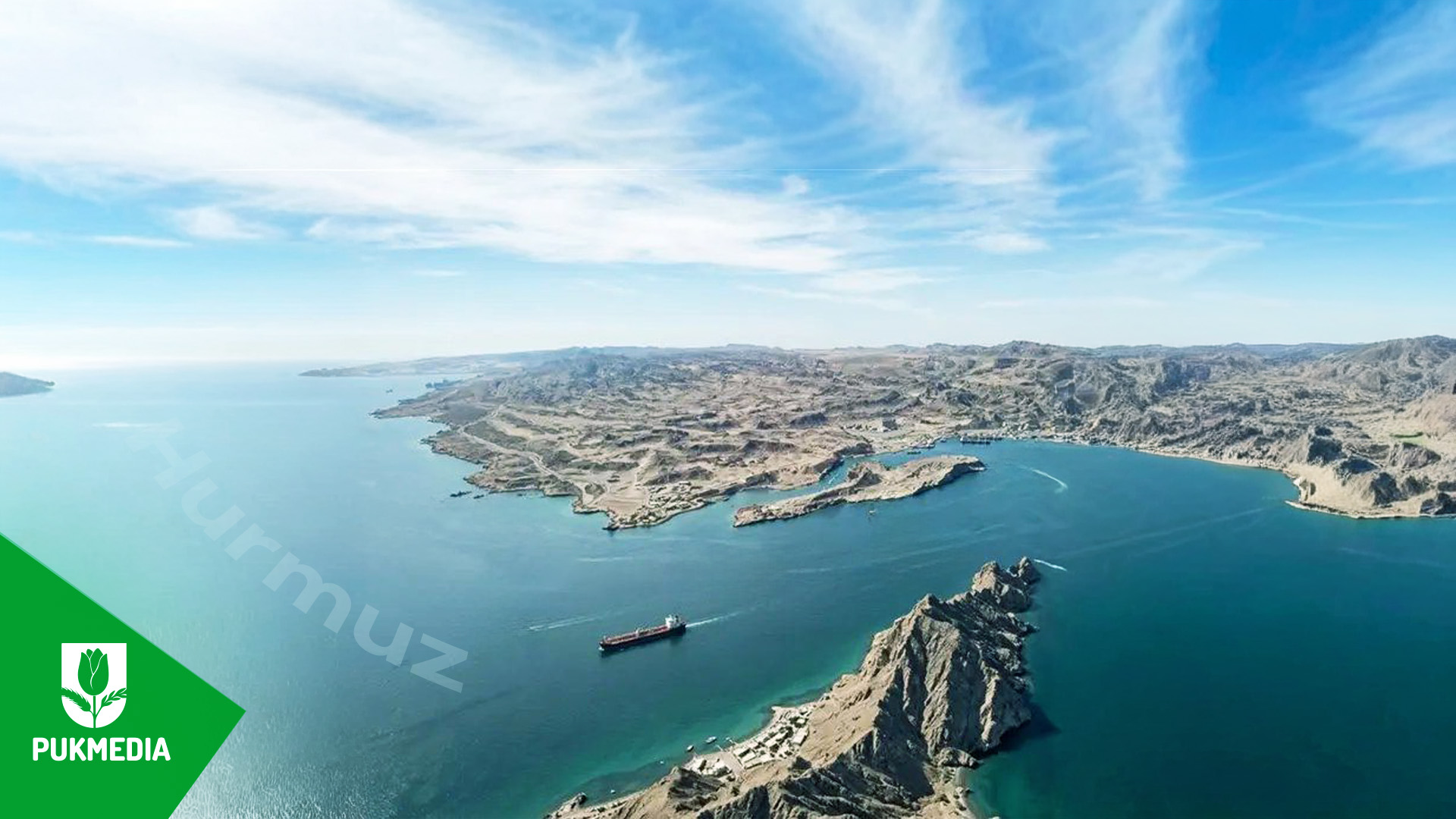 PUKMEDIA
The Strait of Hormuz.
Iran’s Deputy Foreign Minister said on Saturday that no date has been set for the next round of negotiations with the United States, stressing that a framework of understanding must first be agreed, as Tehran simultaneously tightened control over the Strait of Hormuz and warned mariners that the vital energy waterway had been closed again.
Despite the initial movement of ships, Iran's deputy foreign minister, Saeed Khatibzadeh, said no date had been set for the next round of negotiations, adding that a framework of understanding must be agreed first.
Asked about reports Tehran had closed the Strait of Hormuz, he said that the Americans had violated the terms of the ceasefire, and so "there will be repercussions for them".
"We are now focusing on finalising the framework of understanding between two sides. We don't want to enter into any negotiation or meeting which is doomed to fail and which can be a pretext for another round of escalation," Saeed Khatibzadeh told reporters on the sidelines of a diplomacy forum in the southern Turkish province of Antalya.
"Until we agree the framework, we cannot set the date... There was significant progress made actually. But then the maximalist approach by the other side, trying to make Iran an exception from international law prevented us to reach an agreement," he said, referring to U.S. demands over Iran's nuclear programme.
"I have to be very crystal clear that Iran would not accept to be an exception from the international law. Anything that we are going to be committed will be within the international regulations and international law."
Asked about reports that Iran again closed the Strait of Hormuz on Saturday after its temporary reopening following a separate U.S.-brokered 10-day ceasefire between Israel and Lebanon on Thursday, Khatibzadeh said Iran had announced it would allow the safe passage of commercial vessels in line with the terms of the truce.
"The other side, the American side, tried to sabotage that by saying that it is open except for Iranians. So that was the reason we said that 'if you are going to violate the ceasefire terms and conditions, if Americans are not going to honour their words, there will be repercussions for them'," he said.
Tehran’s renewed tough messaging injected fresh uncertainty around the Iran conflict, raising the risk that oil and gas shipments through the Strait could remain disrupted just as Washington weighs whether to extend the fragile ceasefire.
Some merchant vessels received radio messages from Iran’s navy saying no ships were allowed through the waterway, maritime security and shipping sources said, reversing signs earlier in the day that traffic might resume.
At least two vessels reported being hit by gunfire as they attempted to cross the strait, the sources said.
Earlier, maritime trackers had shown a convoy of eight tankers transiting the narrow passage in the first major movement of ships since the U.S.-Israeli war on Iran began seven weeks ago.
Hours earlier, U.S. President Donald Trump had cited "some pretty good news" about Iran, declining to elaborate. But he also said fighting might resume without a peace deal by Wednesday, when the two-week ceasefire expires.
Iran had announced its temporary reopening of the Strait of Hormuz following a separate U.S.-brokered 10-day ceasefire agreement on Thursday between Israel and Lebanon. Israel invaded parts of southern Lebanon after the Iran-allied Hezbollah militant group joined the fighting in early March.
But on Saturday Iran's armed forces command said transit through the strait had reverted to a state of strict Iranian military control, citing what it described as repeated U.S. violations and acts of “piracy” under the guise of a blockade.
U.S. Central Command said in a statement that American forces were enforcing a maritime blockade of Iran, but did not comment on the latest Iranian actions.
The war with Iran, which began on 28 February with a U.S.-Israeli attack on the Islamic Republic, has killed thousands, spread to Israeli attacks in Lebanon and sent oil prices surging because of the de facto closure of the strait.
Oil prices , fell about 10% and global stocks jumped on Friday on the prospect of marine traffic resuming through the strait of Hormuz. Despite that, hundreds of vessels and about 20,000 seafarers remain stranded in the Gulf awaiting passage through the waterway, shipping sources said.
At last weekend's talks, the U.S. proposed a 20-year suspension of all Iranian nuclear activity, while Iran suggested a halt of three to five years, according to people familiar with the proposals.
Two Iranian sources have said, according to Reuters, that there were signs of a compromise that could remove part of the stockpile.
The highest-level U.S.-Iran talks since the 1979 Islamic Revolution ended in Islamabad without agreement last weekend.
Source: Reuters
PUKMEDIA
More news
-
President Amedi: Jalal Talabani’s Legacy Will Continue to Inspire Future Generations
10:17 PM - 2026-07-14 -
China Does Not Seek a 'Sphere of Influence' in Relations with Pacific Island Nations, Foreign Minister Says
12:27 PM - 2026-07-14 -
Oil Climbs to One-Month High as U.S. and Iran Intensify Attacks in the Strait of Hormuz
09:05 AM - 2026-07-14 -
Ukraine to Manufacture French Missiles and Order Warplanes, Macron Says
11:22 PM - 2026-07-13
see more
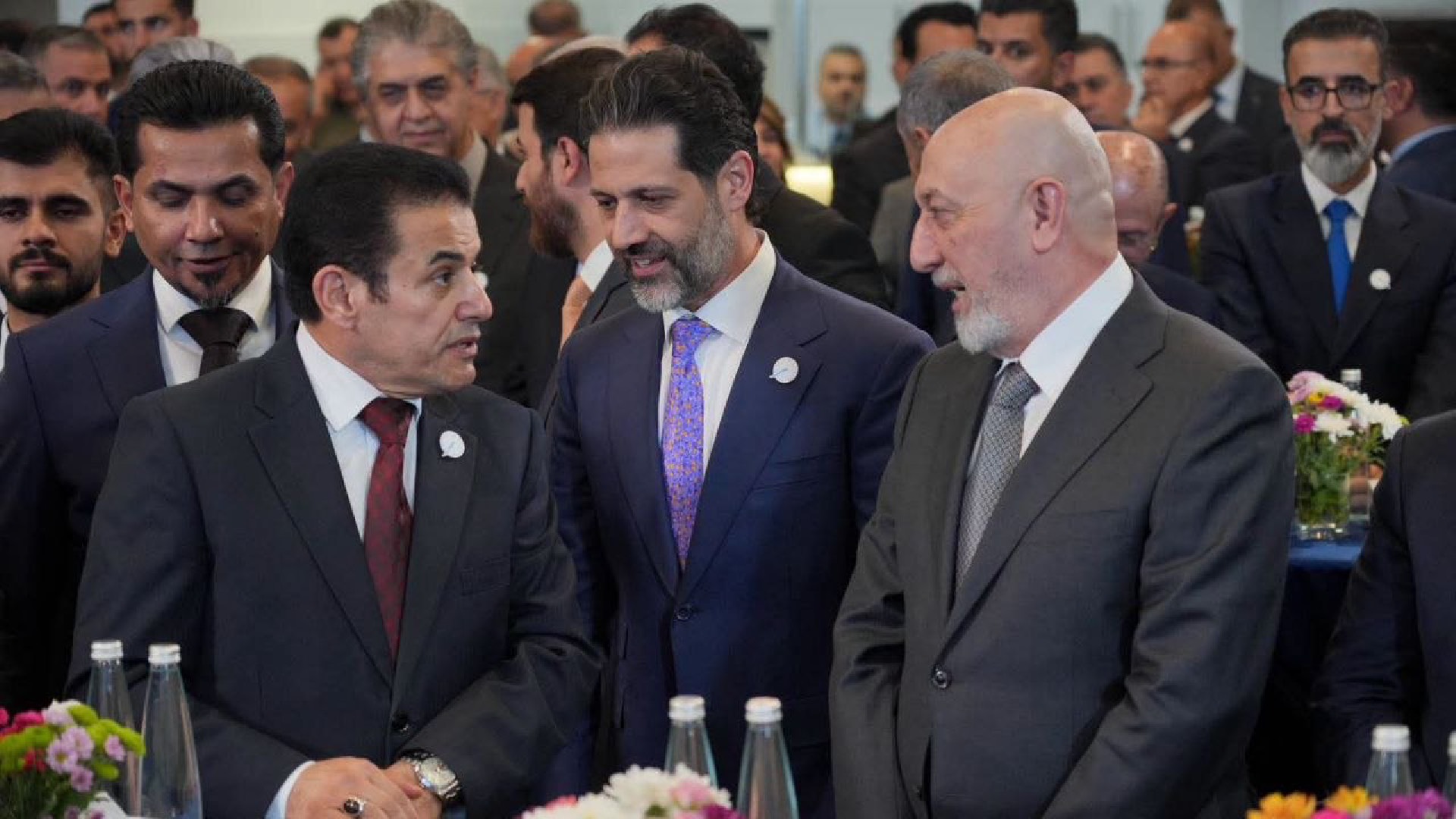
Kurdistan 10:28 PM - 2026-07-14 Qubad Talabani Welcomes Renaming of Sulaymaniyah Airport in Honour of Mam Jalal
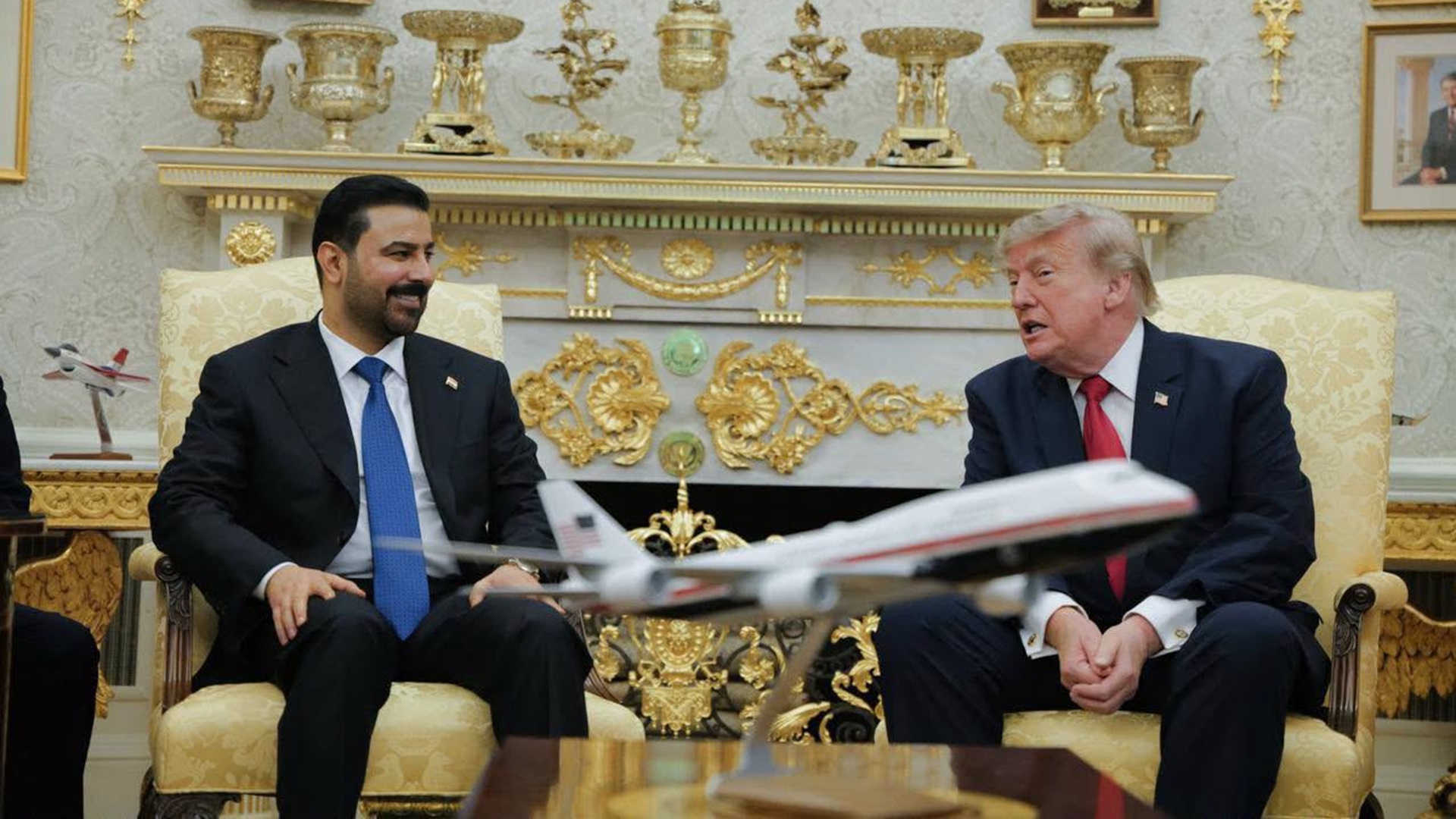
Trump Welcomes Iraqi PM al-Zaidi to White House, Reaffirms Strong US-Iraq Partnership
09:02 PM - 2026-07-14
Sulaymaniyah International Airport Officially Renamed Jalal Talabani International Airport
07:20 PM - 2026-07-14
.jpeg)
Qubad Talabani Reviews Progress on Major Water Project to End Shortages in Chamchamal
02:36 PM - 2026-07-14
Most read
-
Remembering 14 July Revolution That Ended Iraq's Monarchy
Iraq 11:11 AM - 2026-07-14 -
Iraqi PM Discussed Bilateral Cooperation and Regional Stability with U.S. Special Envoy in Washington
Iraq 10:01 AM - 2026-07-14 -
Trump Says U.S. Has Reinstated Blockade on Iranian Shipping in Hormuz
World 09:05 PM - 2026-07-13 -
Houthis Launch Missile Attacks on Saudi Arabia After Years of Calm
World 09:45 AM - 2026-07-14 -
China Does Not Seek a 'Sphere of Influence' in Relations with Pacific Island Nations, Foreign Minister Says
World 12:27 PM - 2026-07-14 -
Trump Welcomes Iraqi PM al-Zaidi to White House, Reaffirms Strong US-Iraq Partnership
Iraq 09:02 PM - 2026-07-14 -
Oil Climbs to One-Month High as U.S. and Iran Intensify Attacks in the Strait of Hormuz
News 09:05 AM - 2026-07-14 -
Ukraine to Manufacture French Missiles and Order Warplanes, Macron Says
World 11:22 PM - 2026-07-13
The News in your pocket
Download
 Application