

Iraqi President: Iraq Committed to Security, Anti-Corruption and Regional Stability
Iraq 10:29 AM - 2026-07-05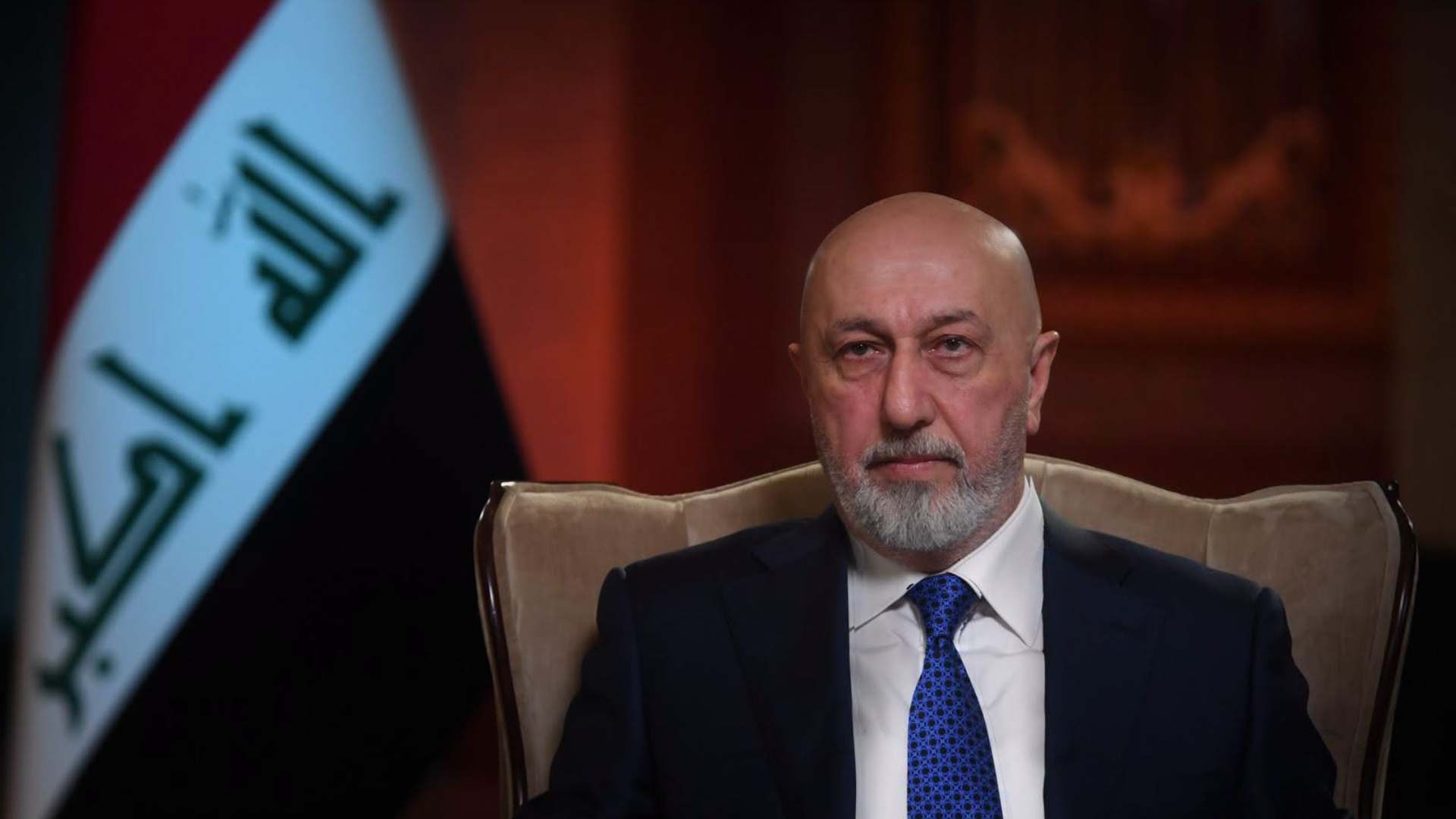 Iraqi Presidency
Iraqi President Nizar Amedi.
Iraqi President Nizar Amedi has said that the recent meeting of Iraq's four presidencies focused on strategic economic and security issues, resulting in an agreement to coordinate efforts among the country's leadership, political parties, parliament and wider society to prevent Iraq from being drawn into regional conflicts and their economic and security consequences.
In an interview with Al-Hadath TV, President Amedi said the leadership had adopted the principle of "Iraq First", stressing that safeguarding the country's stability remains the government's foremost priority.
"We are all in the same boat. If it were to sink, we would all sink," he said.
The President said combating corruption enjoys the full commitment of the government and the backing of the Presidency, the parliament and political forces, describing corruption as a threat to the country comparable to terrorism.
He stressed that the campaign against corruption is irreversible, adding that no individual is above the law and that all cases will be handled through the judiciary without exception.
President Amedi also reaffirmed the government's commitment to ensuring that all weapons remain under the exclusive control of the state, describing the issue as one of its highest priorities. He said recent regional conflicts had exposed Iraq's security vulnerabilities and highlighted the need to strengthen state authority while avoiding violence.
"The first steps towards restricting weapons have already begun, and some factions have responded positively," he said, adding that the government is also addressing the underlying factors that led some groups to take up arms.
He said the end of the recent regional conflict presents an opportunity to establish a broader regional security framework involving neighbouring countries, with Iraq playing a central role in promoting stability and economic recovery.
The President emphasised that the Constitution and the rule of law would govern the issue of weapons, with any violations addressed through legal and judicial procedures. He added that resolving the issue requires caution and dialogue to avoid bloodshed.
President Amedi also reiterated Iraq's rejection of any attacks on neighbouring countries being launched from Iraqi territory, particularly against Gulf states, saying Iraq's security is closely linked to the security of the Gulf region.
On regional security, he said the government is working closely with Türkiye and Iran on a number of outstanding issues, including the Kurdistan Workers' Party (PKK), the situation in Shingal (Sinjar) and the implementation of the security agreement with Iran concerning Iranian opposition groups based in Iraq.
He said the current government has adopted a different approach from previous administrations by addressing long-standing challenges and taking decisive action on issues relating to security, sovereignty and the economy.
President Amrdi said Iraq's relations with Iran are rooted in longstanding historical, cultural, religious, national and economic ties, and will continue to be based on mutual respect, shared interests and respect for national sovereignty.
He stressed that Iraq's relations with the United States, Europe and the Gulf states are matters of sovereign national policy, adding that ties with either Iran or the United States would not come at the expense of the other.
The President also reaffirmed Iraq's commitment to strengthening its relationship with the United States, describing Washington as a strategic partner in supporting the country's future economic development and regional prosperity.
He added that any decision on the continuation or conclusion of international support would be guided by professional assessments and the operational requirements of the Iraqi Armed Forces.
Regarding the future of international security cooperation, he said Iraq will assess its defence requirements following the conclusion of the Global Coalition Against ISIS mission before deciding whether further agreements or defence partnerships with the United States or other countries are necessary.
The President also said progress is being made in implementing the security agreement with Iran to prevent Iraqi territory from being used to threaten neighbouring countries.
On the PKK, he described the issue as complex and long-standing, arguing that it cannot be resolved through military means alone. He welcomed Türkiye's peace initiative with the group and said close coordination continues between Baghdad and Ankara to address both the PKK issue and the situation in Shingal.
He added that Iraq's relations with Syria are also evolving, moving increasingly from security coordination towards broader diplomatic engagement.
President Amedi said Iraq is seeking to build the strongest possible strategic relationship with Saudi Arabia across the economic, political and religious sectors, reflecting the Kingdom's importance as both a neighbouring and Gulf state.
Turning to relations between Baghdad and Erbil, he acknowledged that challenges remain but said the Iraqi Constitution provides the framework for resolving them. He identified the delay in forming a new Kurdistan Regional Government and the continued inactivity of the Kurdistan Parliament as the principal obstacles.
He called on the two main political parties in the Kurdistan Region to reach a genuine partnership agreement, form a fully empowered government and reactivate parliament.
President Amedi added that resolving the financial disputes between Baghdad and Erbil depends on implementing the federal budget law while safeguarding the Kurdistan Region's constitutional rights. He also stressed the need to pass the long-delayed Oil and Gas Law to provide a comprehensive legal framework for managing Iraq's natural resources.
He concluded by noting that more than 50 constitutional provisions still require implementing legislation, while hundreds of outdated laws and decrees—including measures dating back to the dissolved Revolutionary Command Council—remain in force despite no longer reflecting Iraq's current circumstances. He said the Presidency is working with the executive and legislative branches to complete the outstanding legislation during the current parliamentary term.
PUKMEDIA
More news
-
Kazakh President Calls for Freeze of Ukraine War
10:35 PM - 2026-07-25 -
Iraq Seeks Alternative Export Routes as Strait of Hormuz Crisis Continues
07:58 PM - 2026-07-25 -
Indian Education Minister Quits Following Youth-Led Protests
05:46 PM - 2026-07-25 -
At Least 35 Killed After Two Buses Collide in Central Syria
05:00 PM - 2026-07-25
see more
.jpg)
World 10:40 PM - 2026-07-25 Iran Says Ukrainian Strike on Commercial Vessel in Caspian Sea Kills Sailor
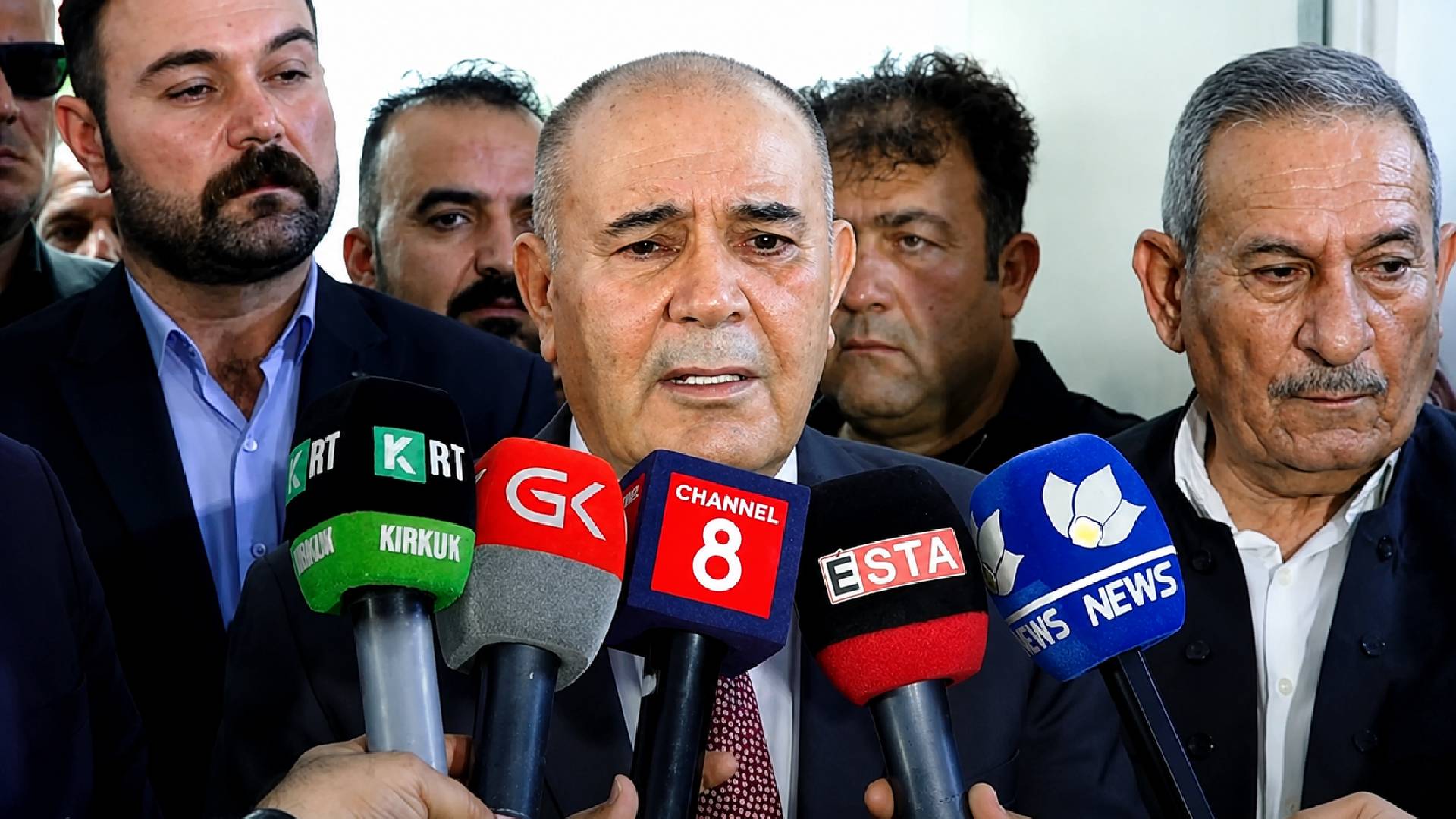
Pire: Inclusive KRG Cannot Be Formed Without the PUK
04:52 PM - 2026-07-25
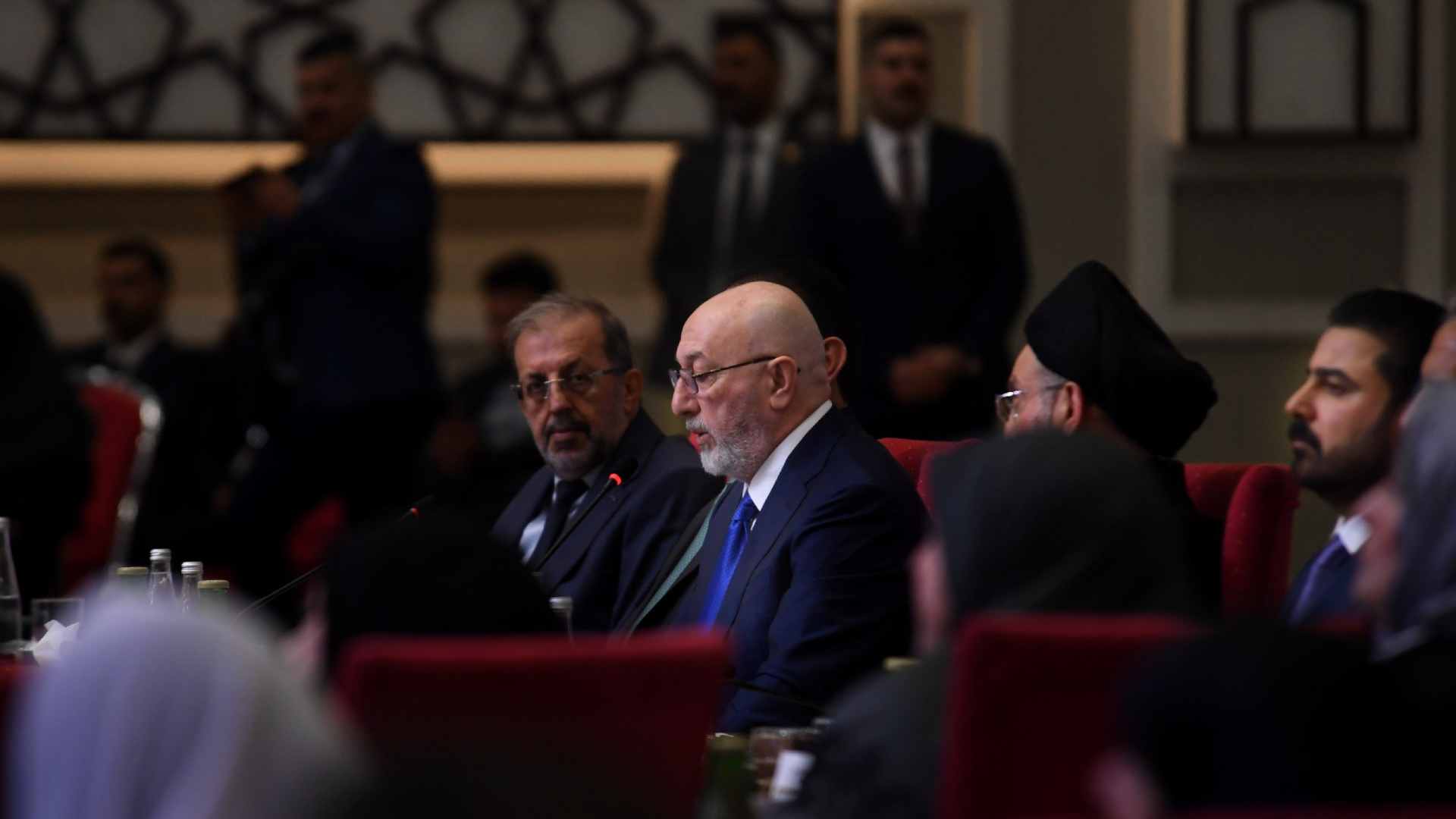
Iraqi President Urges Inclusion of Women in Top Cabinet Roles
12:36 PM - 2026-07-25
.jpg)
UN Secretary-General Arrives in Syria in First Visit Since Before Civil War
09:40 AM - 2026-07-25
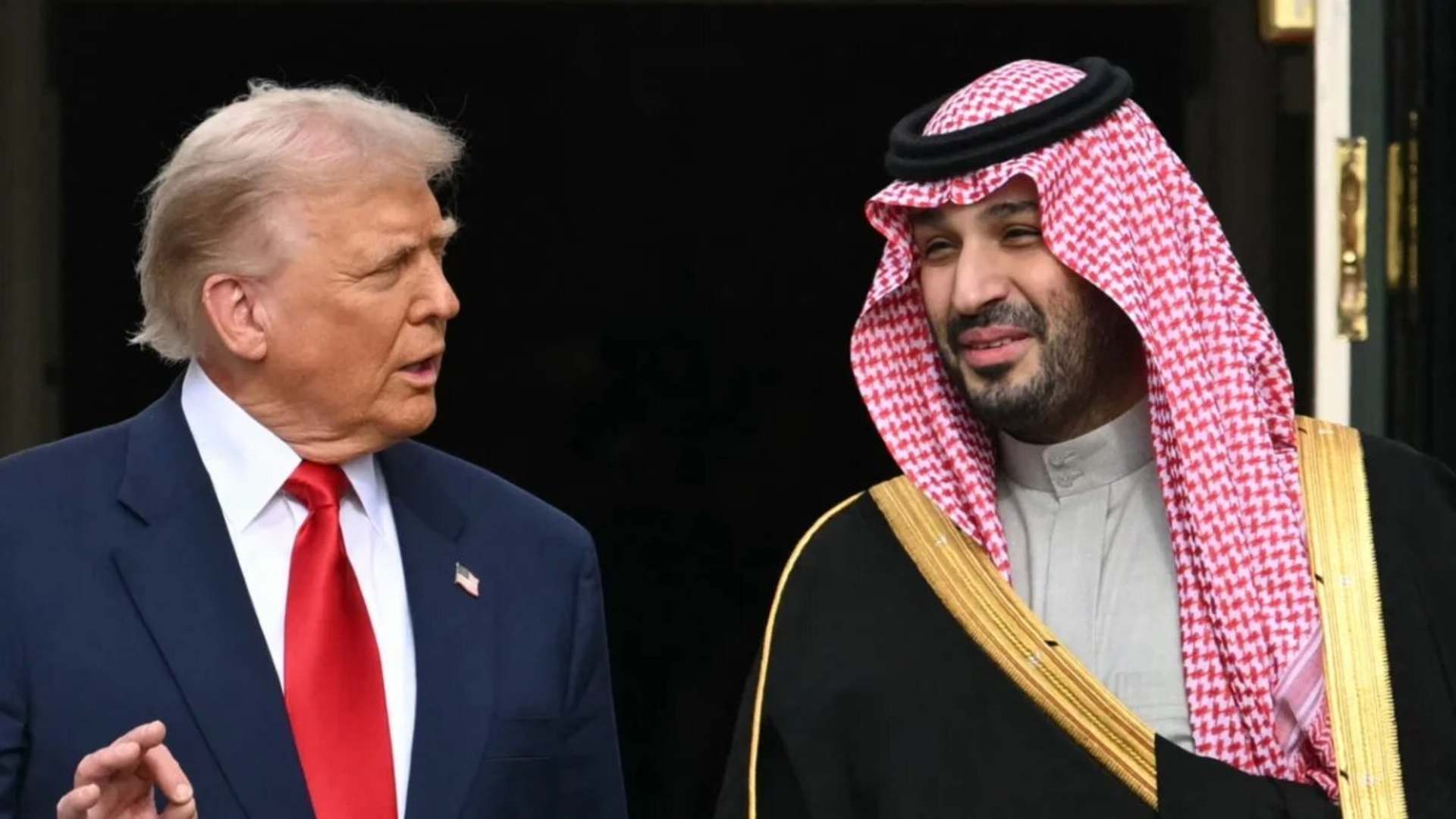
U.S. President Rules Out Saudi Civil Nuclear Deal Without Israel Normalisation
09:20 AM - 2026-07-25
Most read
-
UN Secretary-General Arrives in Syria in First Visit Since Before Civil War
World 09:40 AM - 2026-07-25 -
Romanian F-16s Down Second Drone Near Ukraine Border
World 01:33 PM - 2026-07-25 -
Pire: Inclusive KRG Cannot Be Formed Without the PUK
P.U.K 04:52 PM - 2026-07-25 -
Zelenskiy Says U.S. and Ukraine Advancing Joint Drone Production
World 10:15 AM - 2026-07-25 -
Italy's Defence Minister Offers Adviser Post to Ousted Ukrainian Counterpart
World 10:53 AM - 2026-07-25 -
At Least 35 Killed After Two Buses Collide in Central Syria
World 05:00 PM - 2026-07-25 -
Iraqi President Urges Inclusion of Women in Top Cabinet Roles
Iraq 12:36 PM - 2026-07-25 -
Iraq Seeks Alternative Export Routes as Strait of Hormuz Crisis Continues
Iraq 07:58 PM - 2026-07-25
The News in your pocket
Download
 Application