

U.S. and Iran Negotiators Head to Doha as Talks Remain Uncertain
World 11:27 PM - 2026-06-29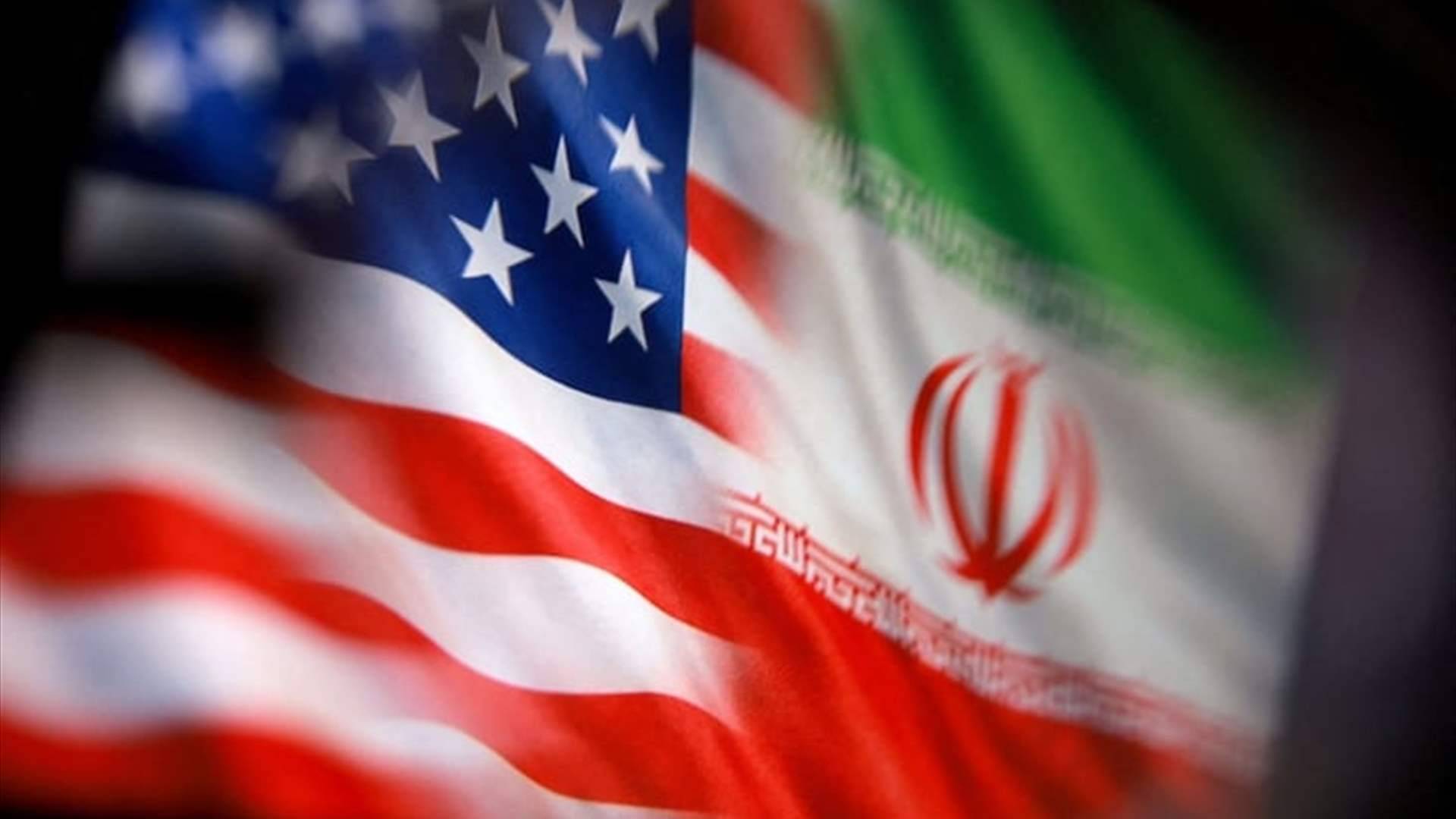 LBCI Lebanon
U.S. & Iranian flags.
Iranian and U.S. negotiating teams were due in Doha this week, but Iran said no meeting had been scheduled as weekend missile fire from both sides tested the interim ceasefire to end the four-month-old war.
U.S. President Donald Trump is sending his son-in-law Jared Kushner and his envoy Steve Witkoff to lead the negotiating team, according to his press secretary Karoline Leavitt. And Iran is sending its technical delegation to Qatar this week, but Foreign Ministry spokesperson Esmaeil Baghaei said this had "no relation" to the Americans' visit and no talks between the two sides were scheduled.
"We will not have any negotiation meetings at any level with the American side in the coming days," Baghaei said.
The disagreement over whether the sides would even meet underscored the fragility of a 17 June accord that paused a conflict that has disrupted global oil flows through the Strait of Hormuz and created a political headache for Trump ahead of November's congressional elections.
The U.S. and Iran gave themselves at least 60 days to implement the 14-point memorandum of understanding to extend an April ceasefire, discuss Iran's nuclear energy and research programs and stockpile of highly enriched uranium that Trump had wanted to remove, and negotiate a permanent truce. But progress has been halting, with each side accusing the other of violating agreed terms.
A senior Iranian official said there would be a meeting in Doha on Tuesday, but unlike previous technical talks between Iran and U.S. teams in Switzerland, the focus would be on managing the Strait of Hormuz and de-escalating tensions.
Another official with knowledge of the plans said technical teams from the U.S. and Iran are expected to meet separately with Qatari and Pakistani mediators on Wednesday.
In the latest ceasefire agreement, Iran agreed to "make arrangements using its best efforts for the safe passage" of tankers and other commercial ships through the strait. After the signing, there was a brief surge in shipping traffic, which proved short-lived after Iran said it would stop vessels not following shipping channels it had approved. Flexing its control of the strait shared with neighboring Oman, Iran has also said it plans to charge fees to ships using the strait after the 60 days have passed, which was not so before the war, angering Trump.
The U.S. has accused Iran of hitting at least two commercial ships in the strait with missiles or drones in recent days and bombed Iranian military facilities over the weekend. Iran in turn launched missiles and drones at U.S. military sites in Kuwait and Bahrain early on Sunday.
Iranian President Masoud Pezeshkian said on Monday that $6 billion out of $12 billion of assets frozen in Qatar would be released following the accord and returned to Iran, Iranian state media reported.
He described the memorandum, which includes U.S. waivers for sanctions on Iran's oil and petrochemical sectors, as "a great victory for the Iranian people."
The senior Iranian official said Qatar and Iran were in the final stages of agreeing on technicalities for the release of the first $6 billion of frozen assets, which he said would be issued in two tranches.
Source: Reuters
PUKMEDIA
More news
-
Kazakh President Calls for Freeze of Ukraine War
10:35 PM - 2026-07-25 -
Iraq Seeks Alternative Export Routes as Strait of Hormuz Crisis Continues
07:58 PM - 2026-07-25 -
Indian Education Minister Quits Following Youth-Led Protests
05:46 PM - 2026-07-25 -
At Least 35 Killed After Two Buses Collide in Central Syria
05:00 PM - 2026-07-25
see more
.jpg)
World 10:40 PM - 2026-07-25 Iran Says Ukrainian Strike on Commercial Vessel in Caspian Sea Kills Sailor
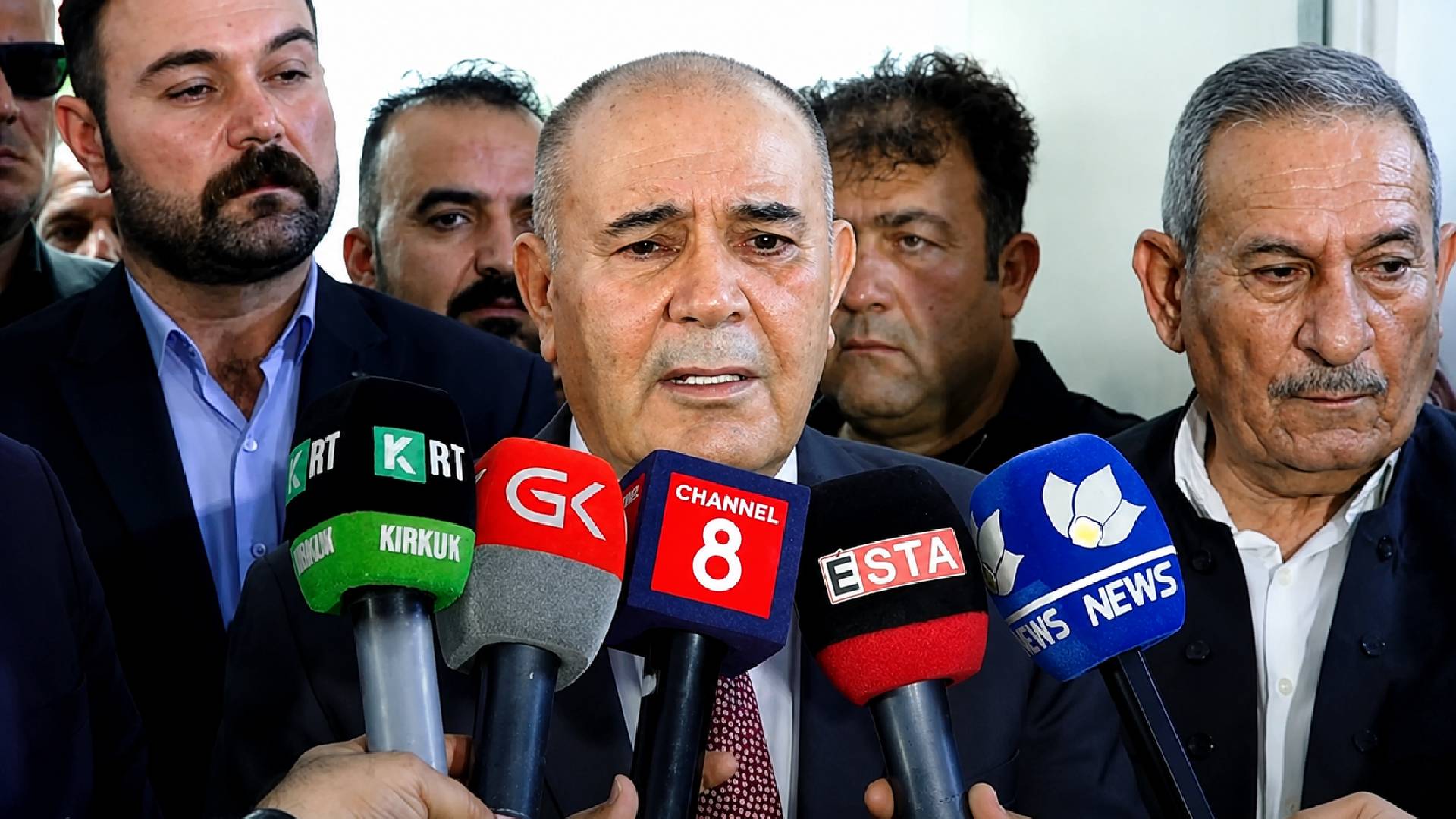
Pire: Inclusive KRG Cannot Be Formed Without the PUK
04:52 PM - 2026-07-25
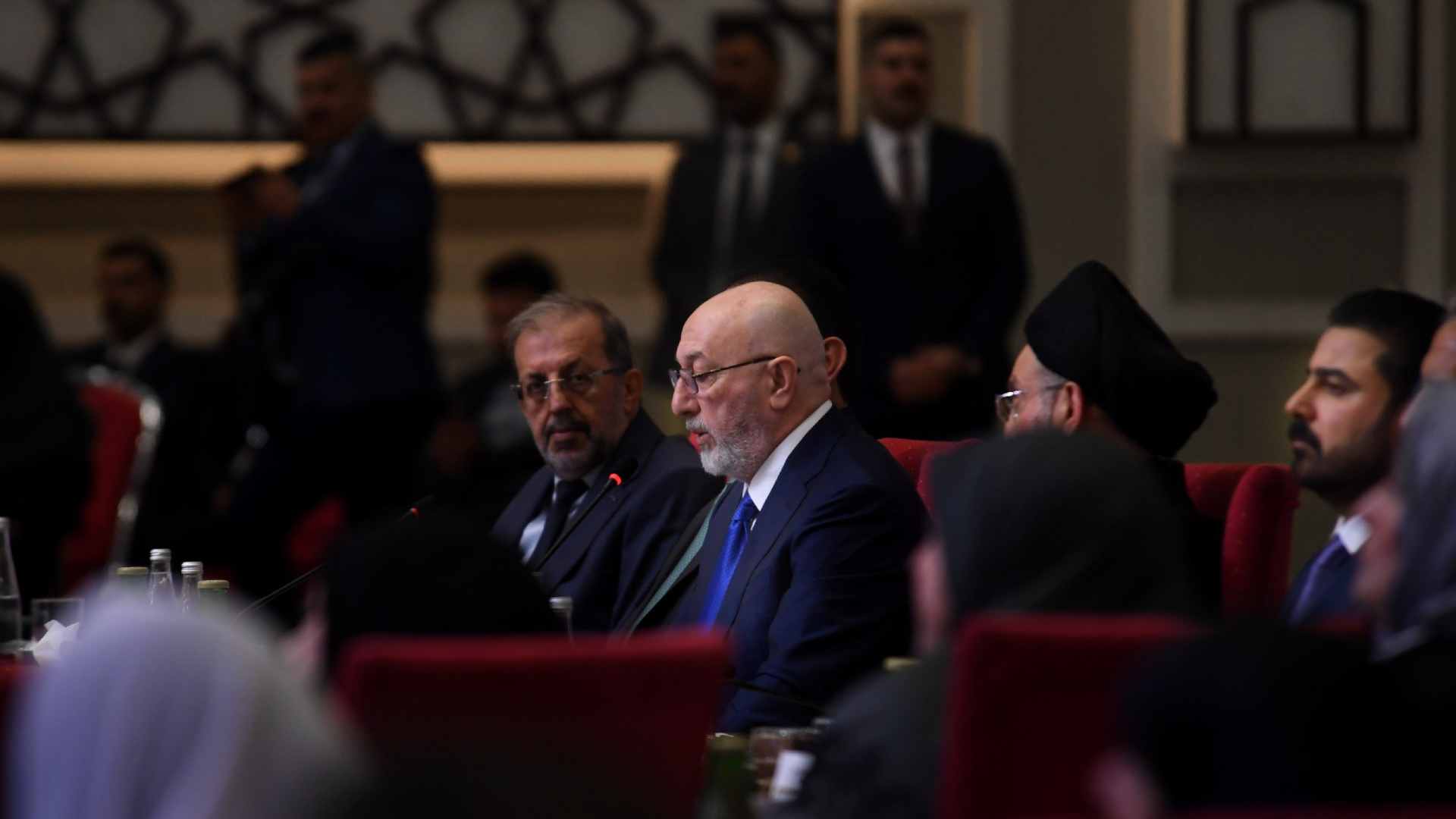
Iraqi President Urges Inclusion of Women in Top Cabinet Roles
12:36 PM - 2026-07-25
.jpg)
UN Secretary-General Arrives in Syria in First Visit Since Before Civil War
09:40 AM - 2026-07-25
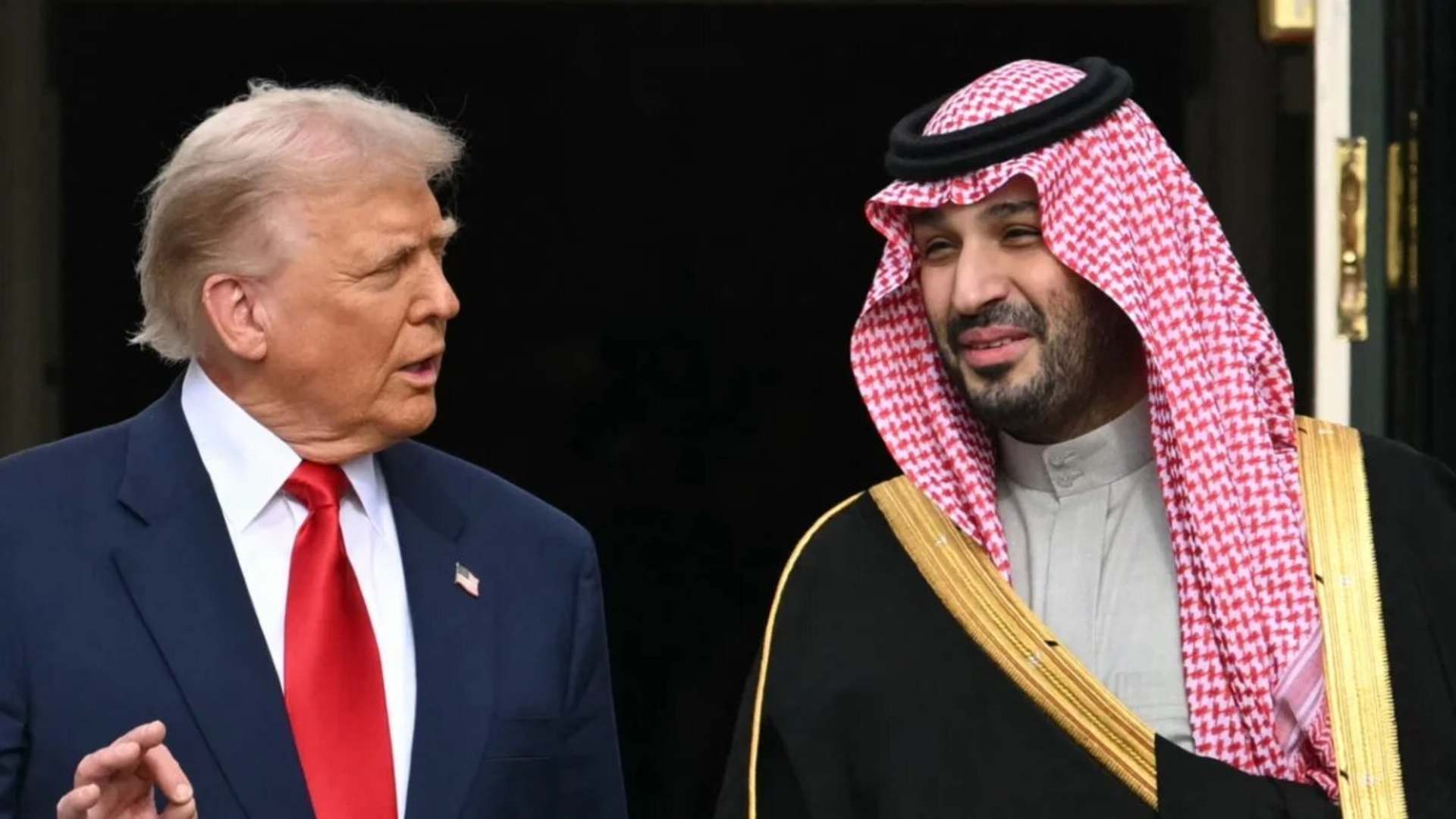
U.S. President Rules Out Saudi Civil Nuclear Deal Without Israel Normalisation
09:20 AM - 2026-07-25
Most read
-
UN Secretary-General Arrives in Syria in First Visit Since Before Civil War
World 09:40 AM - 2026-07-25 -
Romanian F-16s Down Second Drone Near Ukraine Border
World 01:33 PM - 2026-07-25 -
Pire: Inclusive KRG Cannot Be Formed Without the PUK
P.U.K 04:52 PM - 2026-07-25 -
Zelenskiy Says U.S. and Ukraine Advancing Joint Drone Production
World 10:15 AM - 2026-07-25 -
Italy's Defence Minister Offers Adviser Post to Ousted Ukrainian Counterpart
World 10:53 AM - 2026-07-25 -
At Least 35 Killed After Two Buses Collide in Central Syria
World 05:00 PM - 2026-07-25 -
Iraqi President Urges Inclusion of Women in Top Cabinet Roles
Iraq 12:36 PM - 2026-07-25 -
Iraq Seeks Alternative Export Routes as Strait of Hormuz Crisis Continues
Iraq 07:58 PM - 2026-07-25
The News in your pocket
Download
 Application