

Bangladesh Urges China to Reduce Trade Gap
World 12:21 PM - 2026-06-26.jpg) AP
AP
Bangladesh's Prime Minister Tarique Rahman (second right) attends a meeting with Chinese President Xi Jinping.
Bangladeshi Prime Minister Tarique Rahman met with Chinese President Xi Jinping in Beijing on Friday, where he urged a reduction of the trade gap, diversification of exports and China's support in implementing his country's major projects.
Rahman is on a three-day trip to China, which began on Wednesday, his first visit to the country since he became prime minister in February.
Rahman told Xi that in order to reduce Bangladesh's trade deficit, China could help diversify Bangladesh's exports to the country.
"We request China to consider import our fresh mangoes, jackfruit, guava, aquatic products, raw leather, jute products and pharmaceutical products," Rahman said, according to a media pool report.
Bangladesh needs China's support in "implementing our major signature projects and upgrading and modernisation of our existing industrial units," he added.
Bangladesh joined China's Belt and Road Initiative in 2016, Xi's flagship infrastructure and development strategy aimed at connecting Asia, Africa and Europe.
China is willing to work with Bangladesh to import more high quality products from Bangladesh, support Chinese enterprises in investing in the country and expand cooperation in emerging industries such as new energy, the digital economy and artificial intelligence, according to a Chinese government statement.
Rahman met with Premier Li Qiang on Thursday where they signed multiple cooperation agreements to solidify bilateral ties, state media reported.
Bangladesh owes China $6.2 billion, World Bank data shows, with the Beijing-based Asian Infrastructure Investment Bank having lent a further $2.3 billion. Delhi has lent its neighbour just $1.6 billion.
Meanwhile, Chinese firms have invested a further $7.7 billion, around half of which was in Bangladesh's energy sector, data from the American Enterprise Institute think tank shows.
Source: Reuters
PUKMEDIA
More news
-
Kazakh President Calls for Freeze of Ukraine War
10:35 PM - 2026-07-25 -
Iraq Seeks Alternative Export Routes as Strait of Hormuz Crisis Continues
07:58 PM - 2026-07-25 -
Indian Education Minister Quits Following Youth-Led Protests
05:46 PM - 2026-07-25 -
At Least 35 Killed After Two Buses Collide in Central Syria
05:00 PM - 2026-07-25
see more
.jpg)
World 10:40 PM - 2026-07-25 Iran Says Ukrainian Strike on Commercial Vessel in Caspian Sea Kills Sailor
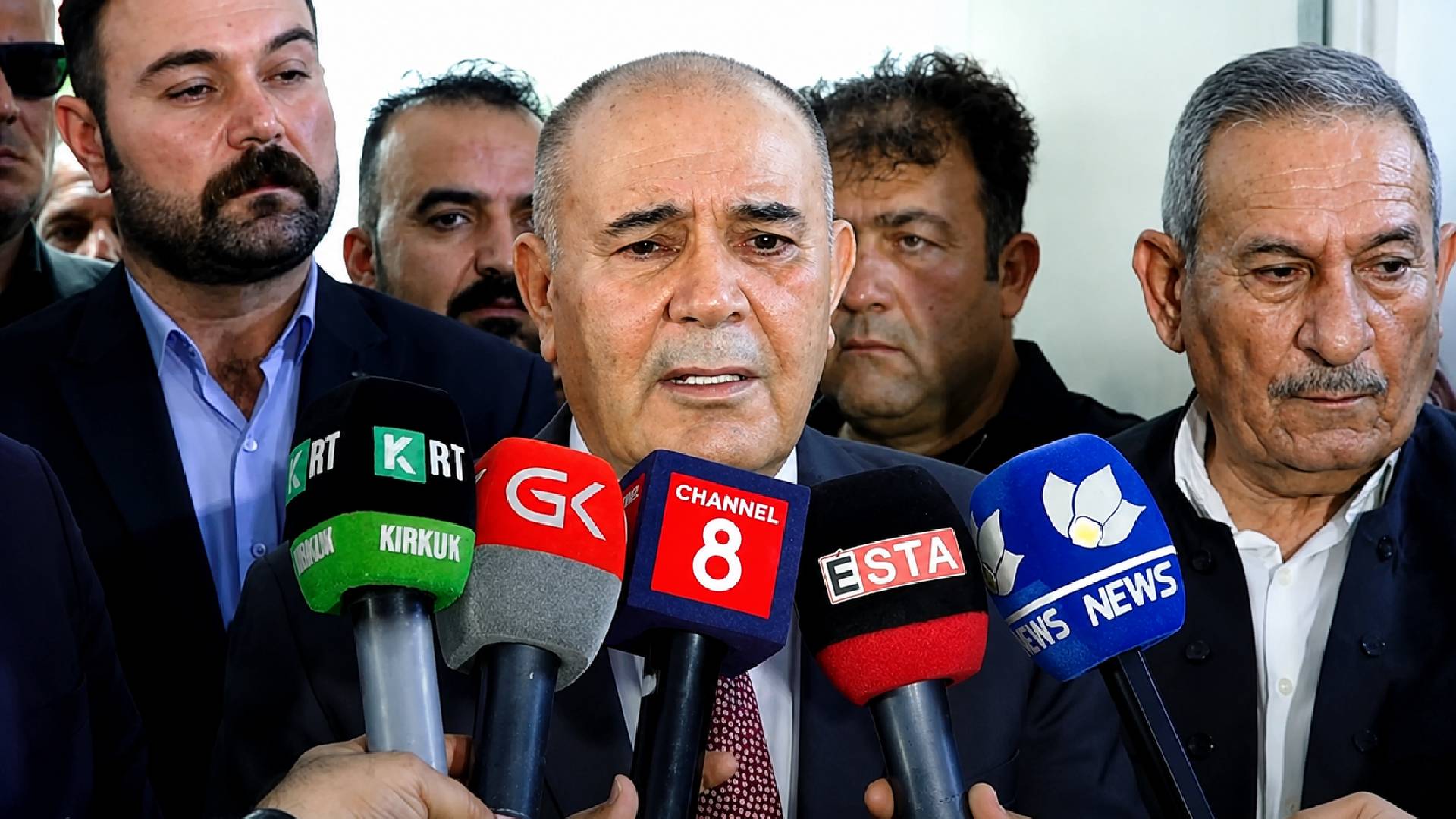
Pire: Inclusive KRG Cannot Be Formed Without the PUK
04:52 PM - 2026-07-25
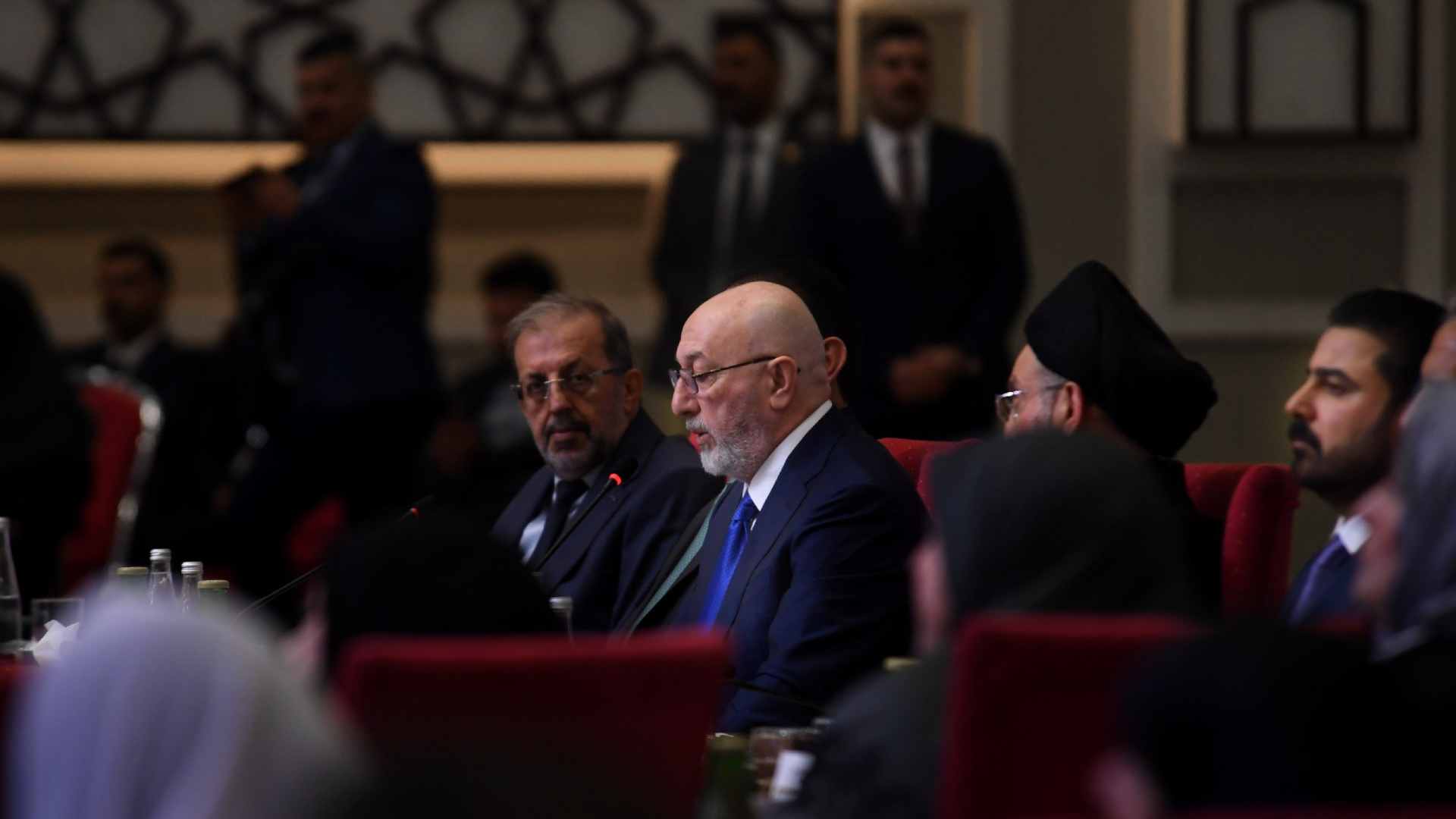
Iraqi President Urges Inclusion of Women in Top Cabinet Roles
12:36 PM - 2026-07-25
.jpg)
UN Secretary-General Arrives in Syria in First Visit Since Before Civil War
09:40 AM - 2026-07-25
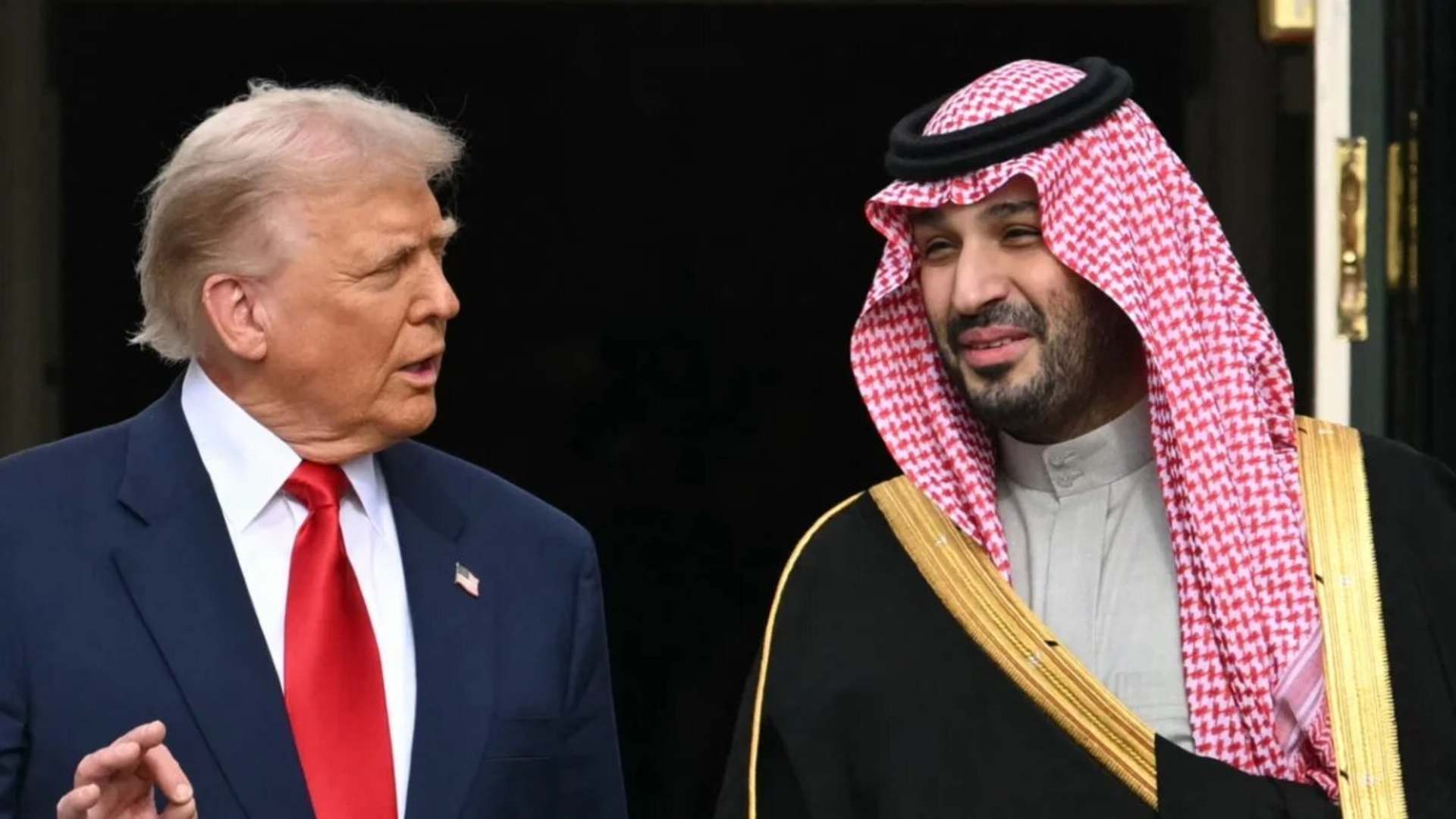
U.S. President Rules Out Saudi Civil Nuclear Deal Without Israel Normalisation
09:20 AM - 2026-07-25
Most read
-
UN Secretary-General Arrives in Syria in First Visit Since Before Civil War
World 09:40 AM - 2026-07-25 -
Romanian F-16s Down Second Drone Near Ukraine Border
World 01:33 PM - 2026-07-25 -
Pire: Inclusive KRG Cannot Be Formed Without the PUK
P.U.K 04:52 PM - 2026-07-25 -
Zelenskiy Says U.S. and Ukraine Advancing Joint Drone Production
World 10:15 AM - 2026-07-25 -
Italy's Defence Minister Offers Adviser Post to Ousted Ukrainian Counterpart
World 10:53 AM - 2026-07-25 -
At Least 35 Killed After Two Buses Collide in Central Syria
World 05:00 PM - 2026-07-25 -
Iraqi President Urges Inclusion of Women in Top Cabinet Roles
Iraq 12:36 PM - 2026-07-25 -
Iraq Seeks Alternative Export Routes as Strait of Hormuz Crisis Continues
Iraq 07:58 PM - 2026-07-25
The News in your pocket
Download
 Application