

Baghaei: The Islamabad Deal Does Not Address the Nuclear Issue
World 06:11 PM - 2026-06-13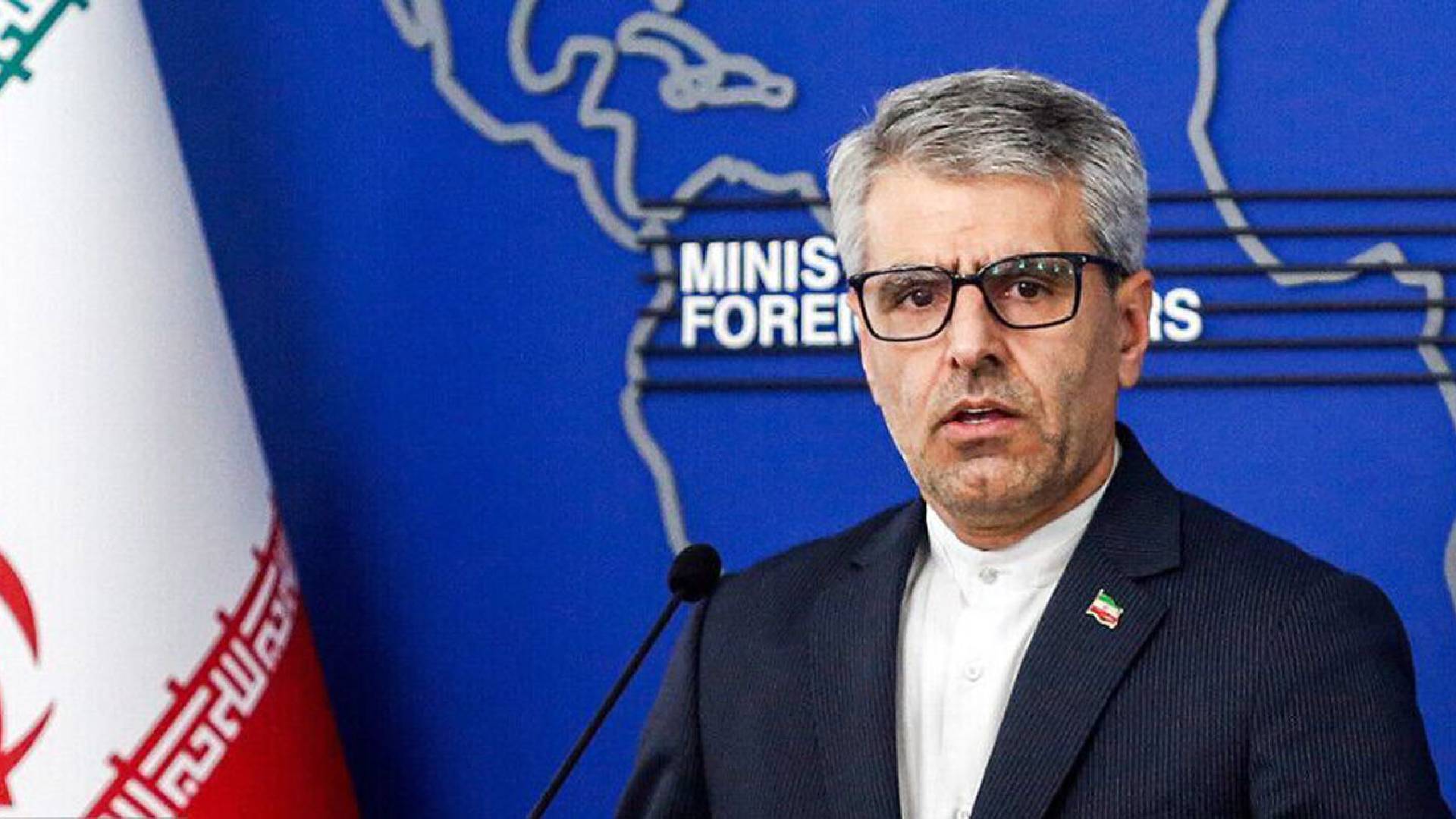 IRNA
IRNA
Iranian Foreign Ministry Spokesperson Esmaeil Baghaei.
Iranian Foreign Ministry Spokesperson Esmaeil Baghaei stated on Saturday that the ongoing Islamabad deal focuses strictly on ending the war and that a deliberate decision was made to omit the nuclear issue from the current phase of talks.
Speaking at a press conference, Baghaei addressed inquiries regarding the current status and trajectory of the Islamabad deal.
Baghaei stated that contradictory stances by U.S. officials and frequent shifts in their positions conveyed through the media have complicated the work of mediators and prolonged the timeline.
The spokesperson emphasised the immense complexity of the issues between Tehran and Washington. He explained that based on past lessons, the immediate priority in this phase is securing a cessation of hostilities across all fronts, including Lebanon. Consequently, both parties agreed not to address the nuclear issue at this juncture.
Baghaei clarified that the document does not constitute a final bilateral treaty between Iran and the United States. Instead, it serves as an understanding that outlines the broad framework of disputed issues and establishes the terms for ending the war.
He added that the nuclear issue is scheduled to be negotiated within a subsequent 60-day window, meaning no detailed discussions on the matter are occurring at this stage.
Among the primary subjects under negotiation in the current phase are the hostile actions targeting Iranian shipping and matters surrounding the Strait of Hormuz.
Addressing the potential timeline for signing the accord, Baghaei remarked that while a definitive date cannot be confirmed and the signing will not occur tomorrow, the possibility of it taking place in the coming days remains open. However, he urged caution due to the volatile nature of the opposing side’s declarations.
Regarding the legal status of the Strait of Hormuz, Baghaei maintained that under international law, the strategic waterway falls within the territorial waters of Iran and Oman as the two littoral states. He stated that Iran’s exercise of sovereignty in this zone directly serves its national security and sovereign rights.
The spokesperson noted that although Iran is not a signatory to the 1982 United Nations Convention on the Law of the Sea (UNCLOS), the legal regime governing vessel transit through the strait is clearly defined under customary international law.
The spokesperson also cautioned domestic media against internalising Western psychological warfare, dismissing foreign press reports claiming that a final deal is imminent or alleging that an aircraft arrived carrying $3 billion as baseless fabrications.
On the subject of Lebanon, Baghaei confirmed that the text of the understanding explicitly stipulates that the cessation of hostilities must encompass all fronts, including Lebanon.
PUKMEDIA
More news
-
Kazakh President Calls for Freeze of Ukraine War
10:35 PM - 2026-07-25 -
Iraq Seeks Alternative Export Routes as Strait of Hormuz Crisis Continues
07:58 PM - 2026-07-25 -
Indian Education Minister Quits Following Youth-Led Protests
05:46 PM - 2026-07-25 -
At Least 35 Killed After Two Buses Collide in Central Syria
05:00 PM - 2026-07-25
see more
.jpg)
World 10:40 PM - 2026-07-25 Iran Says Ukrainian Strike on Commercial Vessel in Caspian Sea Kills Sailor
Pire: Inclusive KRG Cannot Be Formed Without the PUK
04:52 PM - 2026-07-25
Iraqi President Urges Inclusion of Women in Top Cabinet Roles
12:36 PM - 2026-07-25
.jpg)
UN Secretary-General Arrives in Syria in First Visit Since Before Civil War
09:40 AM - 2026-07-25
U.S. President Rules Out Saudi Civil Nuclear Deal Without Israel Normalisation
09:20 AM - 2026-07-25
Most read
-
UN Secretary-General Arrives in Syria in First Visit Since Before Civil War
World 09:40 AM - 2026-07-25 -
Romanian F-16s Down Second Drone Near Ukraine Border
World 01:33 PM - 2026-07-25 -
Pire: Inclusive KRG Cannot Be Formed Without the PUK
P.U.K 04:52 PM - 2026-07-25 -
Zelenskiy Says U.S. and Ukraine Advancing Joint Drone Production
World 10:15 AM - 2026-07-25 -
Italy's Defence Minister Offers Adviser Post to Ousted Ukrainian Counterpart
World 10:53 AM - 2026-07-25 -
At Least 35 Killed After Two Buses Collide in Central Syria
World 05:00 PM - 2026-07-25 -
Iraqi President Urges Inclusion of Women in Top Cabinet Roles
Iraq 12:36 PM - 2026-07-25 -
Iraq Seeks Alternative Export Routes as Strait of Hormuz Crisis Continues
Iraq 07:58 PM - 2026-07-25
The News in your pocket
Download
 Application