

Qasim al-Araji: Regional Stability Requires Respect for State Sovereignty
Iraq 09:21 PM - 2026-05-28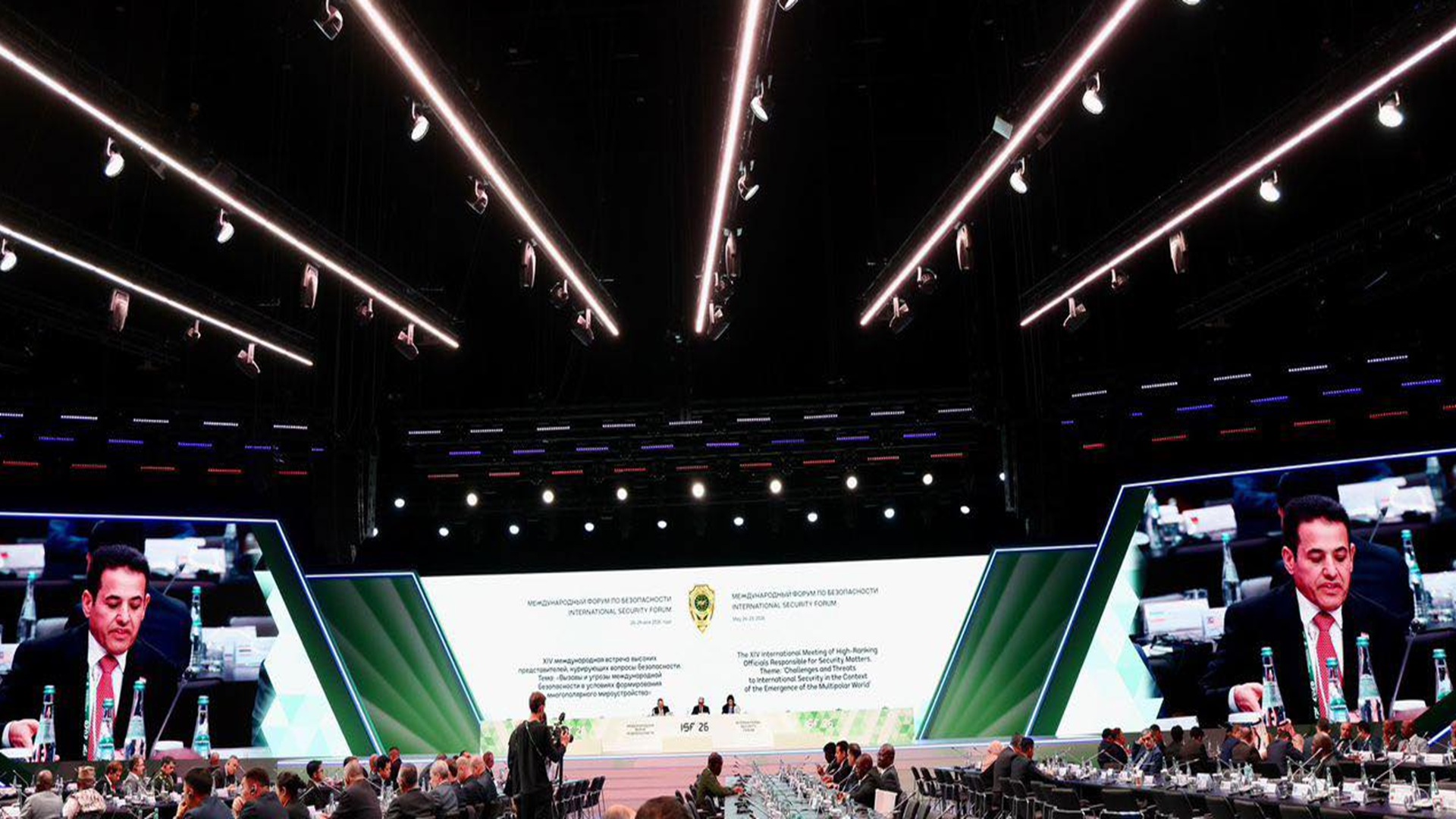 Al-Araji’s media office
National Security Adviser Qasim al-Araji.
National Security Adviser Qasim al-Araji has stressed that regional stability cannot be achieved without respecting the sovereignty of states and rejecting the use of force, emphasising that Iraq believes genuine security is built on strategic balance, responsible deterrence, fair partnerships, and dialogue based on mutual respect and shared interests.
According to a statement from the National Security Adviser’s media office, al-Araji delivered a speech on Thursday at the First International Security Forum – the Fourteenth International Meeting of Senior Officials Responsible for Security Matters, held in Moscow, Russia.
In his address, al-Araji conveyed the greetings of the Iraqi government and people, expressing appreciation for what he described as an important international platform taking place during a highly sensitive global period marked by rapid geopolitical changes, escalating security threats, and overlapping political, economic, and humanitarian crises.
He said the current global challenges place a shared responsibility on the international community to rebuild the foundations of security and stability on the basis of justice, respect for sovereignty, and adherence to international law.
Al-Araji stated that Iraq, drawing on its extensive experience in confronting terrorism, extremism, and prolonged conflict, understands more than ever that lasting security cannot be achieved through military force alone or imposed through domination and faits accomplis. Instead, he said, genuine stability depends on strategic balance, responsible deterrence, equitable partnerships, and constructive dialogue.
He added that international experience has shown wars may contain immediate threats but cannot by themselves establish lasting peace or sustainable stability. According to al-Araji, true stability begins by addressing the root political, economic, social, and ideological causes of crises, warning that ignoring these underlying issues only reproduces conflicts in more dangerous forms.
Al-Araji also condemned what he described as the “unjustified war” against the Islamic Republic of Iran, strongly denouncing the bombing of civilians and schools and the killing of children, which he said constituted immoral acts and clear violations of international humanitarian law.
He stressed that Iraq is not a battleground for regional or international conflicts, but rather a sovereign state, a platform for dialogue, and a source of balance and stability within the region.
The adviser reaffirmed that Iraq’s sovereignty, national security, and territorial integrity are inviolable principles, adding that Iraq would not permit its territory or resources to be used to launch actions threatening the security and stability of other countries.
Al-Araji further stated that Iraq believes successful international relations should be founded on shared interests, mutual respect, and non-interference in domestic affairs, away from policies of polarisation and competing regional axes, which he said have repeatedly prolonged crises.
He emphasised that Iraq prioritises dialogue and diplomacy in managing disputes and resolving conflicts, arguing that sustainable solutions cannot be imposed by force but must instead be achieved through political understandings and common visions.
Al-Araji also warned that modern security threats now extend beyond conventional warfare and include terrorism, organised crime, cyber threats, information warfare, and economic pressures used as strategic tools, highlighting the interconnected nature of domestic, regional, and international security.
He called for a more balanced and effective international approach based on stronger security and intelligence cooperation, greater information-sharing, combating the sources of terrorism and extremism, preventing escalation, and strengthening the role of international institutions free from politicisation and selectivity.
Concluding his remarks, al-Araji reaffirmed that Iraq remains committed to acting as “a voice of reason, a bridge for dialogue, and a partner in building a more secure, balanced, and stable future for all”.
PUKMEDIA
More news
-
Kazakh President Calls for Freeze of Ukraine War
10:35 PM - 2026-07-25 -
Iraq Seeks Alternative Export Routes as Strait of Hormuz Crisis Continues
07:58 PM - 2026-07-25 -
Indian Education Minister Quits Following Youth-Led Protests
05:46 PM - 2026-07-25 -
At Least 35 Killed After Two Buses Collide in Central Syria
05:00 PM - 2026-07-25
see more
.jpg)
World 10:40 PM - 2026-07-25 Iran Says Ukrainian Strike on Commercial Vessel in Caspian Sea Kills Sailor
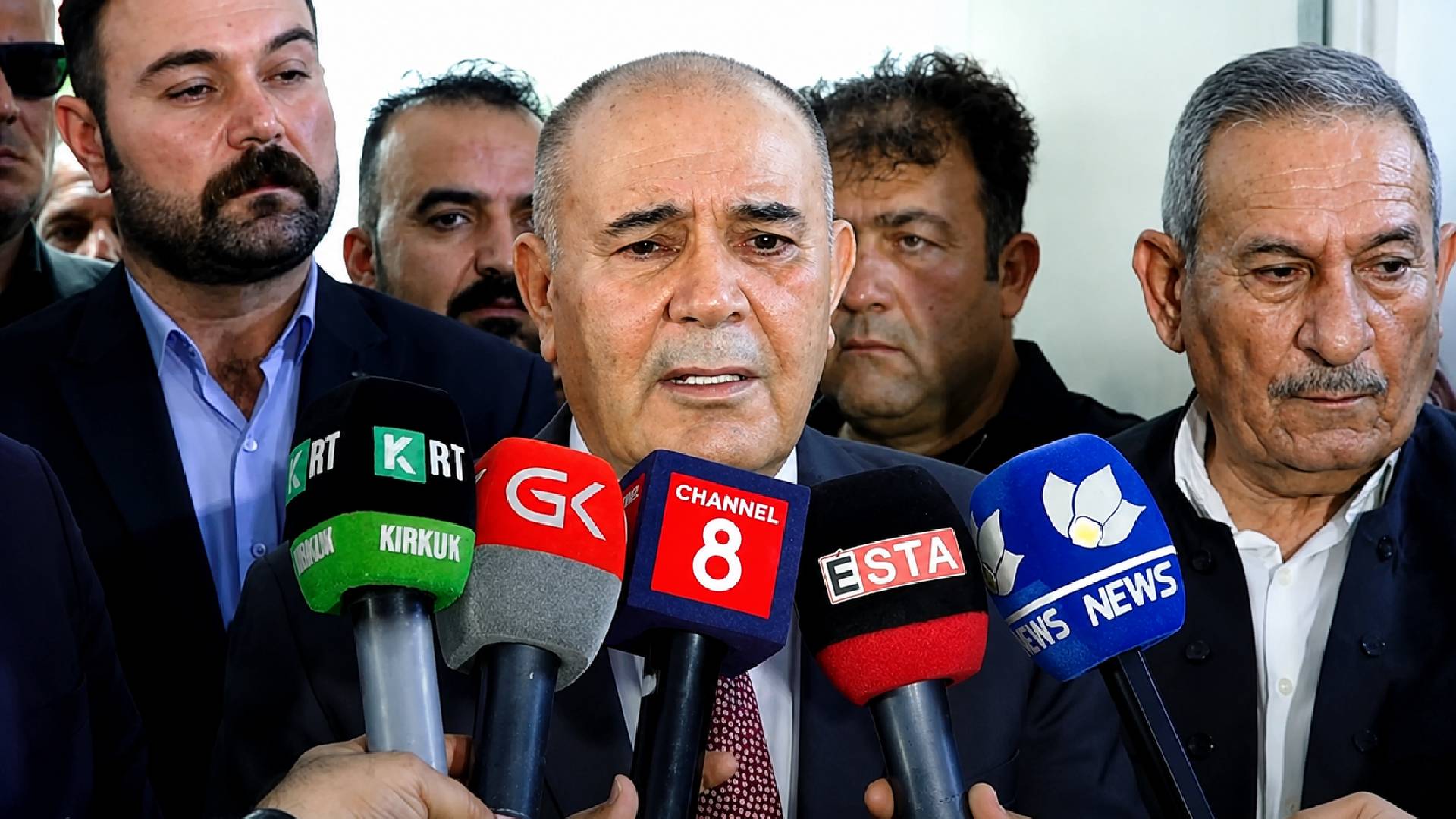
Pire: Inclusive KRG Cannot Be Formed Without the PUK
04:52 PM - 2026-07-25
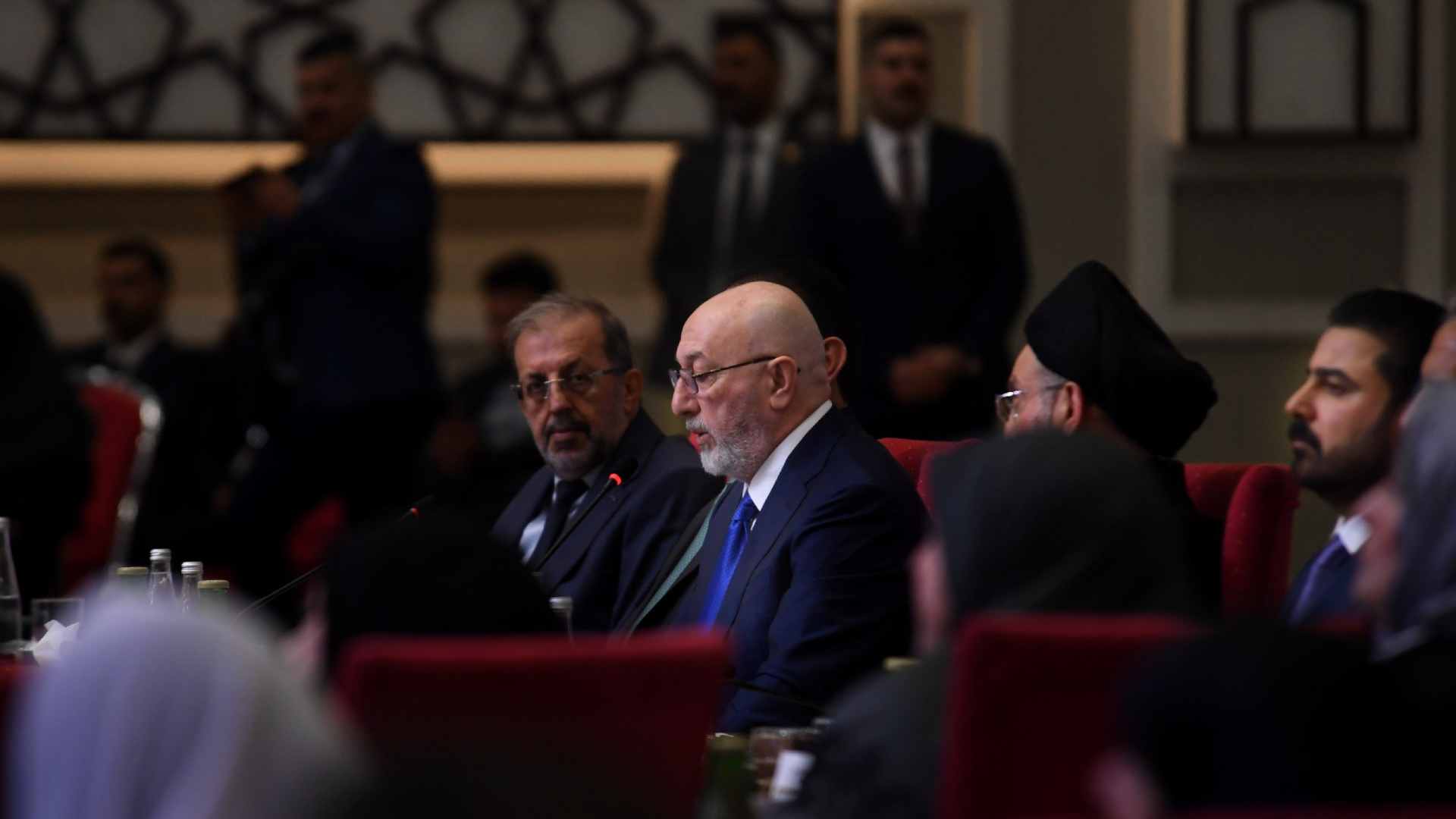
Iraqi President Urges Inclusion of Women in Top Cabinet Roles
12:36 PM - 2026-07-25
.jpg)
UN Secretary-General Arrives in Syria in First Visit Since Before Civil War
09:40 AM - 2026-07-25
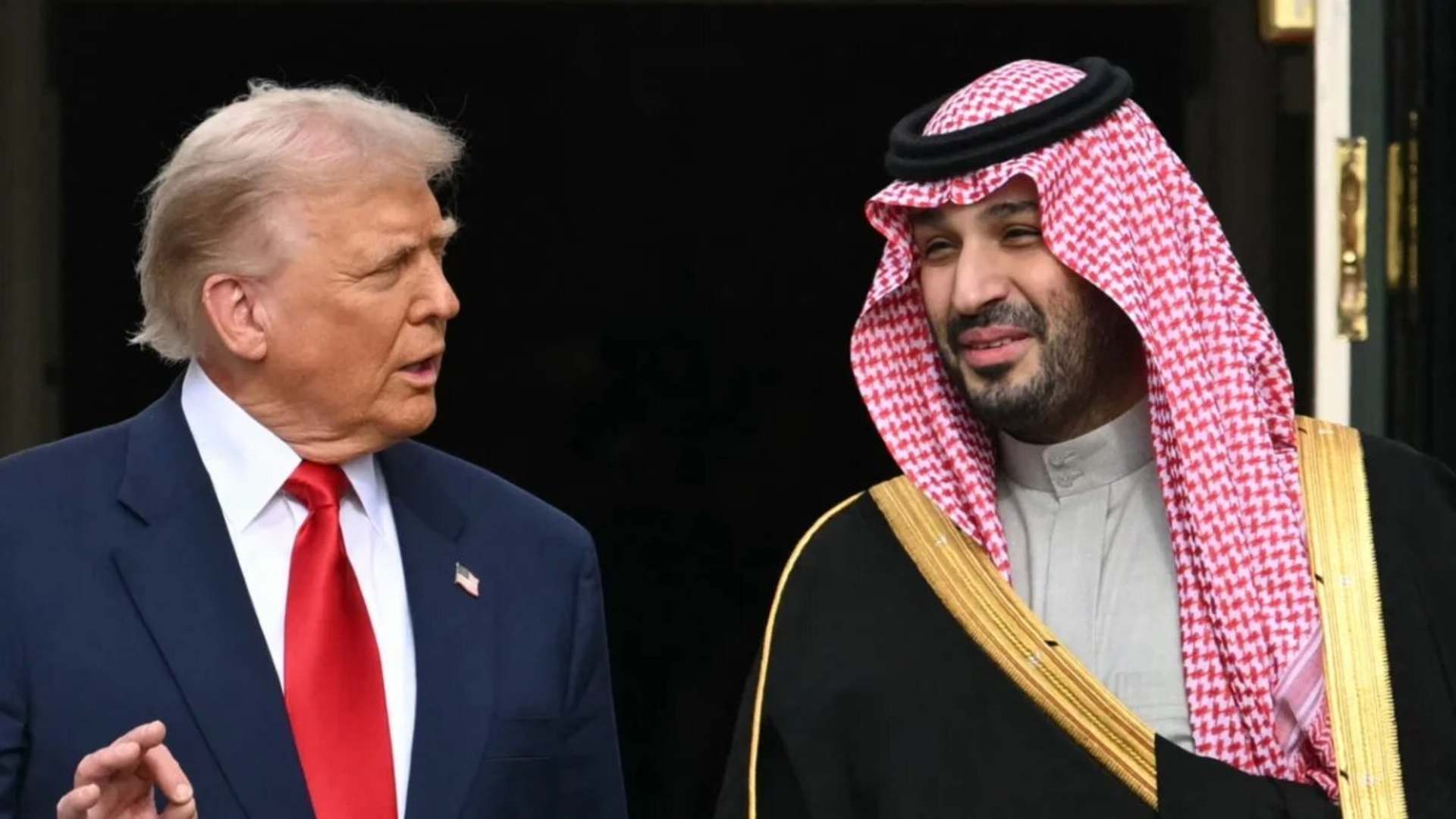
U.S. President Rules Out Saudi Civil Nuclear Deal Without Israel Normalisation
09:20 AM - 2026-07-25
Most read
-
UN Secretary-General Arrives in Syria in First Visit Since Before Civil War
World 09:40 AM - 2026-07-25 -
Romanian F-16s Down Second Drone Near Ukraine Border
World 01:33 PM - 2026-07-25 -
Pire: Inclusive KRG Cannot Be Formed Without the PUK
P.U.K 04:52 PM - 2026-07-25 -
Zelenskiy Says U.S. and Ukraine Advancing Joint Drone Production
World 10:15 AM - 2026-07-25 -
Italy's Defence Minister Offers Adviser Post to Ousted Ukrainian Counterpart
World 10:53 AM - 2026-07-25 -
At Least 35 Killed After Two Buses Collide in Central Syria
World 05:00 PM - 2026-07-25 -
Iraqi President Urges Inclusion of Women in Top Cabinet Roles
Iraq 12:36 PM - 2026-07-25 -
Iraq Seeks Alternative Export Routes as Strait of Hormuz Crisis Continues
Iraq 07:58 PM - 2026-07-25
The News in your pocket
Download
 Application