

Iraqi PM Chairs First Cabinet Meeting, Issues New Directives
Iraq 07:08 PM - 2026-05-16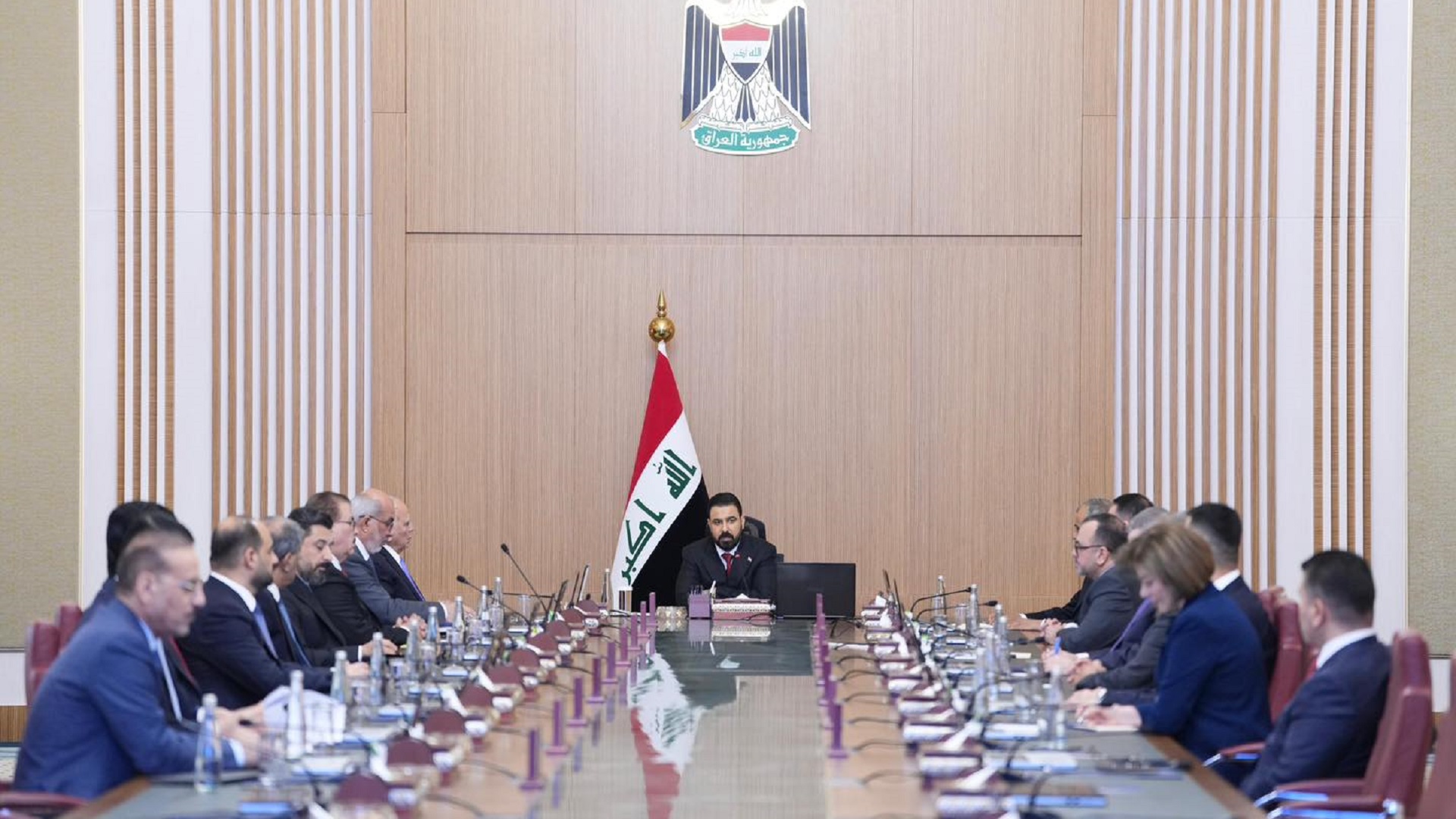 Iraqi PM's Media Office
Iraq's new cabinet meeting.
Iraq's Prime Minister Ali Faleh al-Zaidi chaired the first regular meeting of his cabinet on Saturday, 16 May 2026, during which he issued a number of important decisions.
According to a statement from the Prime Minister’s Office, received by PUKMEDIA, al-Zaidi reviewed reports from ministers on the current situation in their respective ministries and proposed solutions to key challenges, before issuing a set of directives forming a roadmap for implementing the government’s policies and priorities.
The statement said the directives aim to improve public services, strengthen the economy, and enhance institutional performance.
Economic and institutional reforms
The Prime Minister ordered the development of a comprehensive national economic policy and the establishment of a Financial Stability Council. He also instructed that the Ministry of Oil be transformed from a crude-export-focused entity into a value-added sector aimed at increasing production, exports, and overall development of the oil industry.
He further directed the Ministry of Foreign Affairs to prepare urgent reports on reactivating Iraq’s relations with Arab, regional, and international partners.
Energy, health, and infrastructure priorities
On electricity, al-Zaidi requested two reports from the Ministry of Electricity: one for immediate solutions to the summer energy crisis and another for a long-term strategy to develop the national grid.
He also instructed the Ministry of Health to activate the Health Insurance Law and on the communications and transport sectors, al-Zaidi instructed intensified efforts to complete comprehensive digital transformation and strengthen its governance. He also directed the Ministry of Transport to support the national economy and increase state revenue by developing a clear roadmap for growth and accelerating Iraq’s integration into global trade networks.
Cabinet-wide directives
The Prime Minister issued several administrative directives to all ministries, including:
- Financial disclosure must be submitted within one week from the date of this directive.
- No changes in positions or structural modifications to ministries are permitted at this stage.
- Each ministry must identify its priorities within 30 working days for inclusion in the government programme, to be discussed and approved by the Cabinet.
- The Minister’s office director must be appointed exclusively from within the respective ministry. Greater attention should be given to ministry media offices, ensuring professional media coverage of activities.
- Arab and foreign ambassadors must be engaged in accordance with official protocols, in the presence of a representative from the Ministry of Foreign Affairs, while safeguarding Iraq’s interests.
- The Council of Representatives [parliament] must be enabled to carry out its oversight and legislative roles and to communicate effectively with parliamentary committees.
- A clear management vision must be established for each ministry, with procedures for citizen transactions reviewed and simplified.
- Coordination with provincial governors is required to address challenges facing governorates, review ministry budgets, and prioritise stalled and suspended projects.
- Employee performance must be assessed scientifically and professionally, with due consideration of observations made by the Federal Board of Supreme Audit.
- Anti-corruption measures must be prioritised, with cooperation strengthened with the Federal Integrity Commission, its work facilitated, and efforts made to recover smuggled Iraqi funds abroad.
- A one-stop or one-window system must be implemented to streamline investment procedures and reduce routines, while ensuring institutions remain free from sectarian, partisan, and political influences.
- Ministries must operate in accordance with the Constitution, applicable laws, professional standards, and institutional governance rules, while maintaining confidentiality of sensitive state information and documents.
- A participatory and collaborative management approach must be adopted, making use of specialised expertise and consultation.
- Administrative procedures must be simplified and digitised to increase productivity and improve citizen satisfaction.
- Field visits must be conducted to monitor implementation, identify and resolve problems, and ensure continuous follow-up of Cabinet decisions and related directives.
PUKMEDIA
More news
-
Kazakh President Calls for Freeze of Ukraine War
10:35 PM - 2026-07-25 -
Iraq Seeks Alternative Export Routes as Strait of Hormuz Crisis Continues
07:58 PM - 2026-07-25 -
Indian Education Minister Quits Following Youth-Led Protests
05:46 PM - 2026-07-25 -
At Least 35 Killed After Two Buses Collide in Central Syria
05:00 PM - 2026-07-25
see more
.jpg)
World 10:40 PM - 2026-07-25 Iran Says Ukrainian Strike on Commercial Vessel in Caspian Sea Kills Sailor
Pire: Inclusive KRG Cannot Be Formed Without the PUK
04:52 PM - 2026-07-25
Iraqi President Urges Inclusion of Women in Top Cabinet Roles
12:36 PM - 2026-07-25
.jpg)
UN Secretary-General Arrives in Syria in First Visit Since Before Civil War
09:40 AM - 2026-07-25

U.S. President Rules Out Saudi Civil Nuclear Deal Without Israel Normalisation
09:20 AM - 2026-07-25
Most read
-
UN Secretary-General Arrives in Syria in First Visit Since Before Civil War
World 09:40 AM - 2026-07-25 -
Romanian F-16s Down Second Drone Near Ukraine Border
World 01:33 PM - 2026-07-25 -
Pire: Inclusive KRG Cannot Be Formed Without the PUK
P.U.K 04:52 PM - 2026-07-25 -
Zelenskiy Says U.S. and Ukraine Advancing Joint Drone Production
World 10:15 AM - 2026-07-25 -
Italy's Defence Minister Offers Adviser Post to Ousted Ukrainian Counterpart
World 10:53 AM - 2026-07-25 -
At Least 35 Killed After Two Buses Collide in Central Syria
World 05:00 PM - 2026-07-25 -
Iraqi President Urges Inclusion of Women in Top Cabinet Roles
Iraq 12:36 PM - 2026-07-25 -
Iraq Seeks Alternative Export Routes as Strait of Hormuz Crisis Continues
Iraq 07:58 PM - 2026-07-25
The News in your pocket
Download
 Application