
U.S. and India Unveil Interim Trade Framework, Move Closer to Broader Pact
Economy 09:26 AM - 2026-02-07 Reuters
U.S. President Donald Trump and Indian Prime Minister Narendra Modi shake hands as they attend a joint press conference at the White House.
The United States and India moved closer to a comprehensive trade agreement on Friday, unveiling an interim framework that would lower tariffs, reshape energy ties and deepen economic cooperation as both countries seek to realign global supply chains.
In a joint statement, the two governments reaffirmed their commitment to continued negotiations towards a broader bilateral trade agreement, while noting that further talks are required to finalise the pact.
U.S. President Donald Trump announced earlier this week that Washington had reached a deal with New Delhi to reduce U.S. tariffs on Indian goods to 18% from 50%, in exchange for India halting purchases of Russian oil and lowering trade barriers. Half of the original 50% tariff had been imposed as a penalty for India’s imports of Russian oil, which Trump said were supporting Moscow’s war effort in Ukraine.
On Friday, Trump signed an executive order rescinding that 25% penalty after India agreed to shift its oil purchases to the United States and Venezuela.
The joint statement indicated, however, that India resisted U.S. pressure to broadly open its agricultural market. Trade Minister Piyush Goyal said in a post on X that the agreement safeguards farmers’ interests and rural livelihoods by “completely protecting sensitive agricultural and dairy products”, including maize, wheat and rice, as well as soya, poultry, dairy products, ethanol, tobacco and certain vegetables and meats.
India’s opposition Congress party criticised the agreement, arguing that it was concluded largely on U.S. terms and harmed farmers and traders, describing it as a compromise of national interests.
The statement provided further detail beyond the initial outline announced by Trump on Monday. It confirmed that India will purchase $500 billion worth of U.S. goods over five years, including oil, gas, coking coal, aircraft and aircraft parts, precious metals and technology products. The latter includes graphics processing units used in artificial intelligence applications and other data-centre equipment.
India agreed to eliminate or reduce tariffs on all U.S. industrial goods and a wide range of U.S. food and agricultural products, including animal feed, tree nuts, fresh and processed fruit, soybean oil, wine and spirits.
In return, most Indian exports to the United States — including textiles and apparel, leather and footwear, plastics and rubber, organic chemicals, home décor, artisanal products and certain machinery — will be subject to an 18% tariff.
India will also receive the same tariff relief granted to other U.S. allies on certain aircraft and aircraft parts, as well as a quota allowing auto parts imports at a lower tariff rate. Depending on the results of the Trump administration's tariff investigation into pharmaceuticals and their ingredients, "India will receive negotiated outcomes with respect to generic pharmaceuticals and ingredients," the statement said.
India also agreed to address longstanding non-tariff barriers affecting agricultural products, medical devices and communications equipment. Negotiations are due to conclude within six months on an agreement to accept U.S. or international safety and licensing standards for imports.
The United States said it would consider India’s requests for lower tariffs during further negotiations and confirmed that both sides would cooperate on export controls for sensitive technologies and address “non-market policies of third parties”, a reference to China.
The two countries have struggled for years to finalise a full trade deal amid disputes over agriculture, digital trade, medical devices and market access. Officials say growing strategic concerns — including competition with China, supply-chain diversification and energy security — have injected new urgency into the talks.
Source: Reuters
PUKMEDIA
More news
-
China Does Not Seek a 'Sphere of Influence' in Relations with Pacific Island Nations, Foreign Minister Says
12:27 PM - 2026-07-14 -
Oil Climbs to One-Month High as U.S. and Iran Intensify Attacks in the Strait of Hormuz
09:05 AM - 2026-07-14 -
Ukraine to Manufacture French Missiles and Order Warplanes, Macron Says
11:22 PM - 2026-07-13 -
Wildfire Erupts Near Paris as Heatwave Sweeps Across Europe
10:13 PM - 2026-07-13
see more
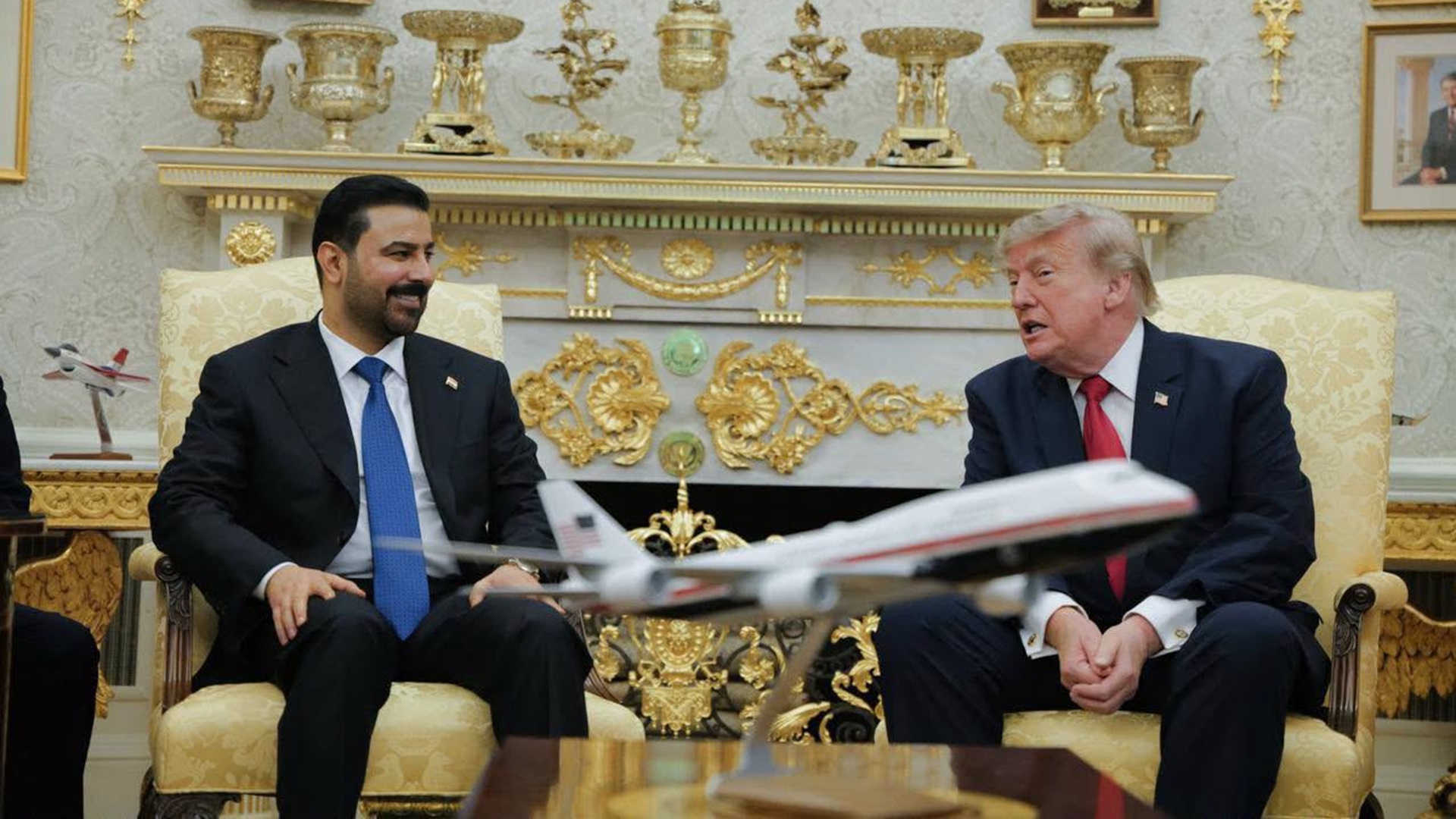
Iraq 09:02 PM - 2026-07-14 Trump Welcomes Iraqi PM al-Zaidi to White House, Reaffirms Strong US-Iraq Partnership

Sulaymaniyah International Airport Officially Renamed Jalal Talabani International Airport
07:20 PM - 2026-07-14
.jpeg)
Qubad Talabani Reviews Progress on Major Water Project to End Shortages in Chamchamal
02:36 PM - 2026-07-14
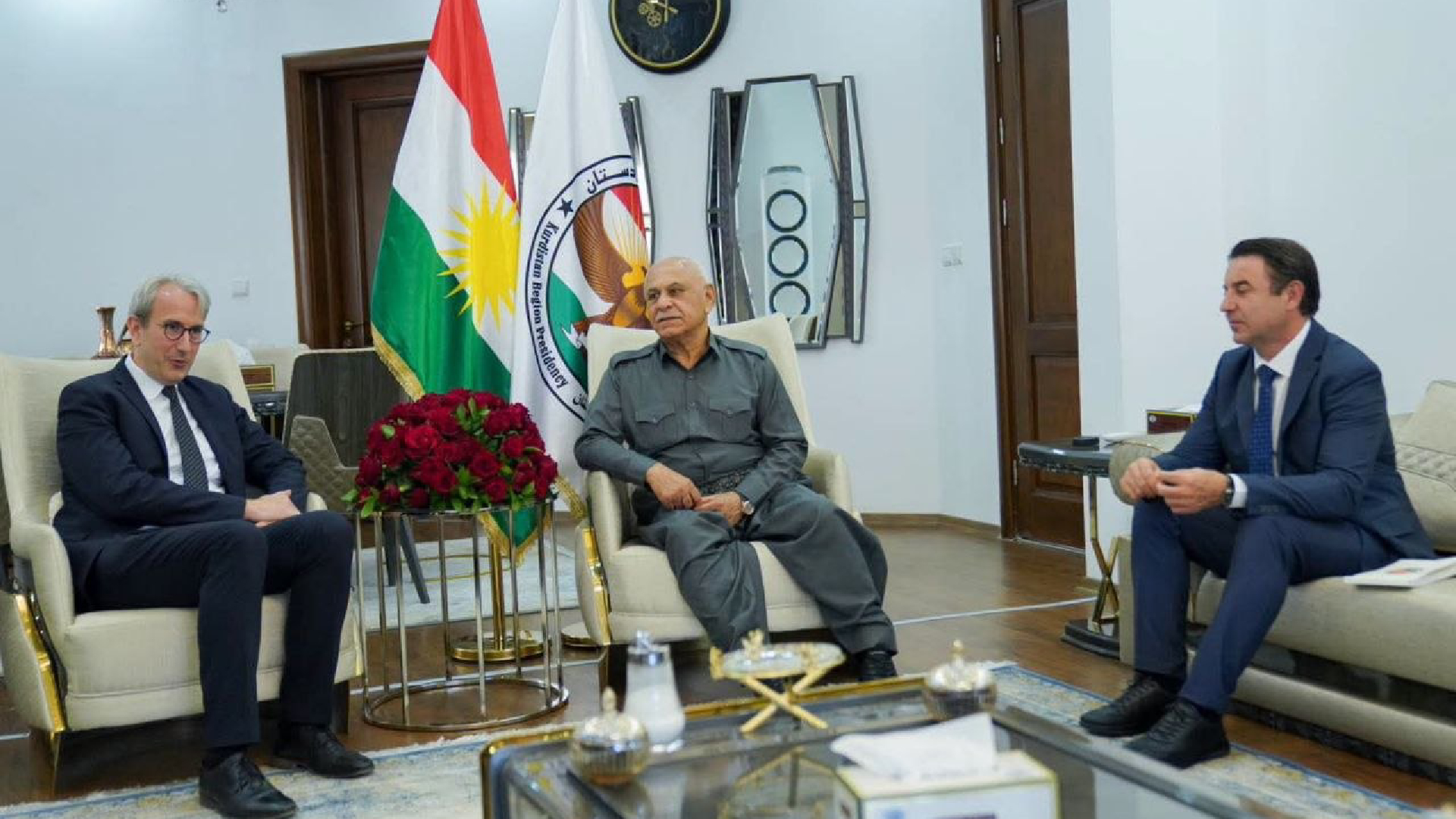
Kurdistan Region VP Commends Germany's Continued Support for Iraq and the Kurdistan Region
01:25 PM - 2026-07-14
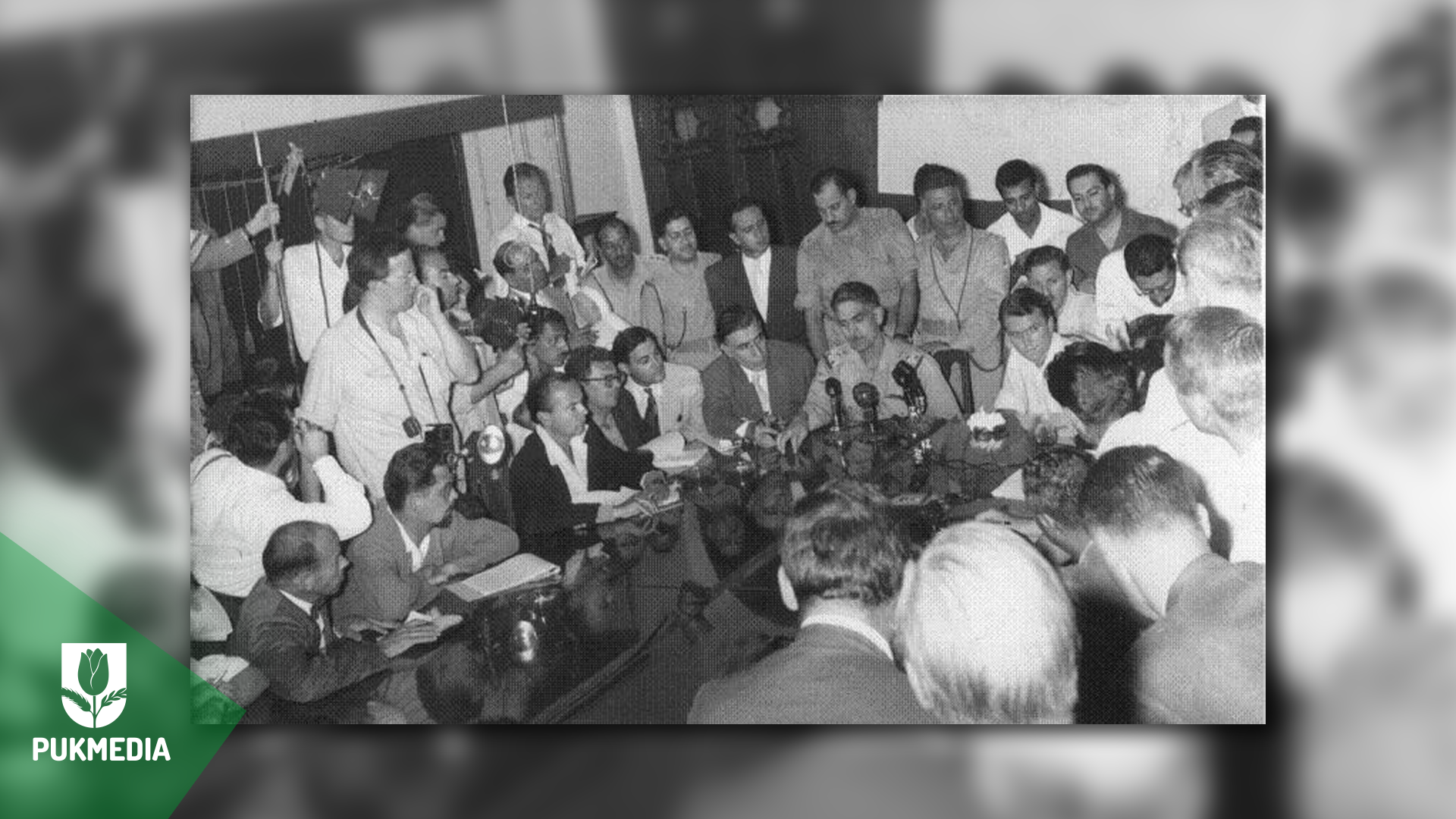
Remembering 14 July Revolution That Ended Iraq's Monarchy
11:11 AM - 2026-07-14
Most read
-
Remembering 14 July Revolution That Ended Iraq's Monarchy
Iraq 11:11 AM - 2026-07-14 -
Qubad Talabani Meets Dutch Ambassador to Iraq on Conclusion of Her Mission
Kurdistan 07:36 PM - 2026-07-13 -
Iraqi PM Discussed Bilateral Cooperation and Regional Stability with U.S. Special Envoy in Washington
Iraq 10:01 AM - 2026-07-14 -
Trump Says U.S. Has Reinstated Blockade on Iranian Shipping in Hormuz
World 09:05 PM - 2026-07-13 -
Houthis Launch Missile Attacks on Saudi Arabia After Years of Calm
World 09:45 AM - 2026-07-14 -
China Does Not Seek a 'Sphere of Influence' in Relations with Pacific Island Nations, Foreign Minister Says
World 12:27 PM - 2026-07-14 -
Oil Climbs to One-Month High as U.S. and Iran Intensify Attacks in the Strait of Hormuz
News 09:05 AM - 2026-07-14 -
Ukraine to Manufacture French Missiles and Order Warplanes, Macron Says
World 11:22 PM - 2026-07-13
The News in your pocket
Download
 Application