

International Media Emphasise Support for Rojava Amid Recent Developments
World 12:21 PM - 2026-01-28 PUKMEDIA
International Media Outlets for Rojava.
The following article summarises reporting trends and analysis from major Western media outlets; it does not quote sources verbatim but reflects the framing and themes present in coverage since early January.
Since early January, international media across Europe and the United States have continued to depict the Autonomous Administration of North and East Syria (Rojava) as a stabilising force, a trusted partner in the fight against ISIS, and a civilian-led political project under sustained pressure. Coverage since 6 January reflects a consistent tone of support, concern, and legitimacy, particularly in relation to renewed tensions, ceasefire violations, and humanitarian risks.
Unlike regional Arabic broadcasters aligned with state narratives, Western media reporting has largely focused on civilian protection, Kurdish political legitimacy, and the responsibilities of the international community.
US Media: A Partner That Cannot Be Abandoned
Recent reporting has emphasised Rojava as Washington’s primary local partner in counterterrorism operations against ISIS, highlighting that Kurdish-led forces remain central to regional security. Coverage has consistently framed developments in Rojava within the broader context of unfinished counterterrorism efforts and the potential destabilisation risks associated with renewed conflict.
The Washington Post has highlighted that Kurdish forces in Rojava remain crucial for maintaining security, noting that any escalation diverts resources from guarding ISIS detainees and protecting civilians. Similarly, CNN reporting on displacement and hostilities has portrayed civilians as bearing the brunt of geopolitical disputes, warning that instability in Rojava could create space for extremist groups to regroup.
European Media: Stability, Legitimacy, and Civilian Governance
In the United Kingdom, The Guardian continues to cover Rojava as a distinctive political and social experiment. Recent articles have framed the Autonomous Administration as a rare model of inclusive governance and local democracy, while cautioning that renewed violence threatens years of institution-building. The Guardian’s reporting has consistently emphasised the moral responsibility of Western states towards Kurdish allies, portraying international engagement as a test of credibility following the defeat of ISIS.
Germany’s Der Spiegel has described Rojava as an area of relative stability under constant pressure, highlighting its administrative institutions and security role amid a volatile regional environment. Coverage positions the Kurdish-led administration as a buffer against chaos rather than a source of instability.
French outlets Le Monde and Le Monde diplomatique have placed Rojava in a broader geopolitical context, portraying it as a political actor striving for survival through dialogue and international engagement, even while facing military threats and humanitarian strain. Meanwhile, Spain’s El País has described Rojava as a fragile but genuine political project, noting that its long-term survival relies not only on military resilience but also on sustained international attention and protection of civilians.
Humanitarian and Analytical Perspectives: Civilian Protection First
Specialist outlets have consistently adopted a people-centred perspective. The New Humanitarian has reported on the impact of violence and sieges on civilians, emphasising the vulnerability of humanitarian access. Foreign Policy has analysed developments through a lens of strategic responsibility, warning that abandoning Kurdish partners could damage Western credibility and undermine long-term security gains against ISIS.
Similarly, openDemocracy has highlighted Rojava’s governance structures, particularly local councils and women’s participation, emphasising that these institutions are structural rather than symbolic, even under military pressure.
A Clear Western Media Pattern
Across recent reporting since 6 January, European and American media present a consistent framing:
-Rojava is a legitimate political and civilian administration.
-It is a key partner in preventing the resurgence of ISIS.
-Its stability is directly linked to broader regional and international security.
Western outlets largely frame support for Rojava as a matter of responsibility, credibility, and humanitarian obligation, rather than partisan politics. Commentaries from The Guardian and Foreign Policy emphasise that the future of Rojava will demonstrate whether allies who bore the cost of defeating ISIS are protected — or left exposed when political priorities shift.
PUKMEDIA Exclusive
More news
-
President Amedi: Jalal Talabani’s Legacy Will Continue to Inspire Future Generations
10:17 PM - 2026-07-14 -
China Does Not Seek a 'Sphere of Influence' in Relations with Pacific Island Nations, Foreign Minister Says
12:27 PM - 2026-07-14 -
Oil Climbs to One-Month High as U.S. and Iran Intensify Attacks in the Strait of Hormuz
09:05 AM - 2026-07-14 -
Ukraine to Manufacture French Missiles and Order Warplanes, Macron Says
11:22 PM - 2026-07-13
see more
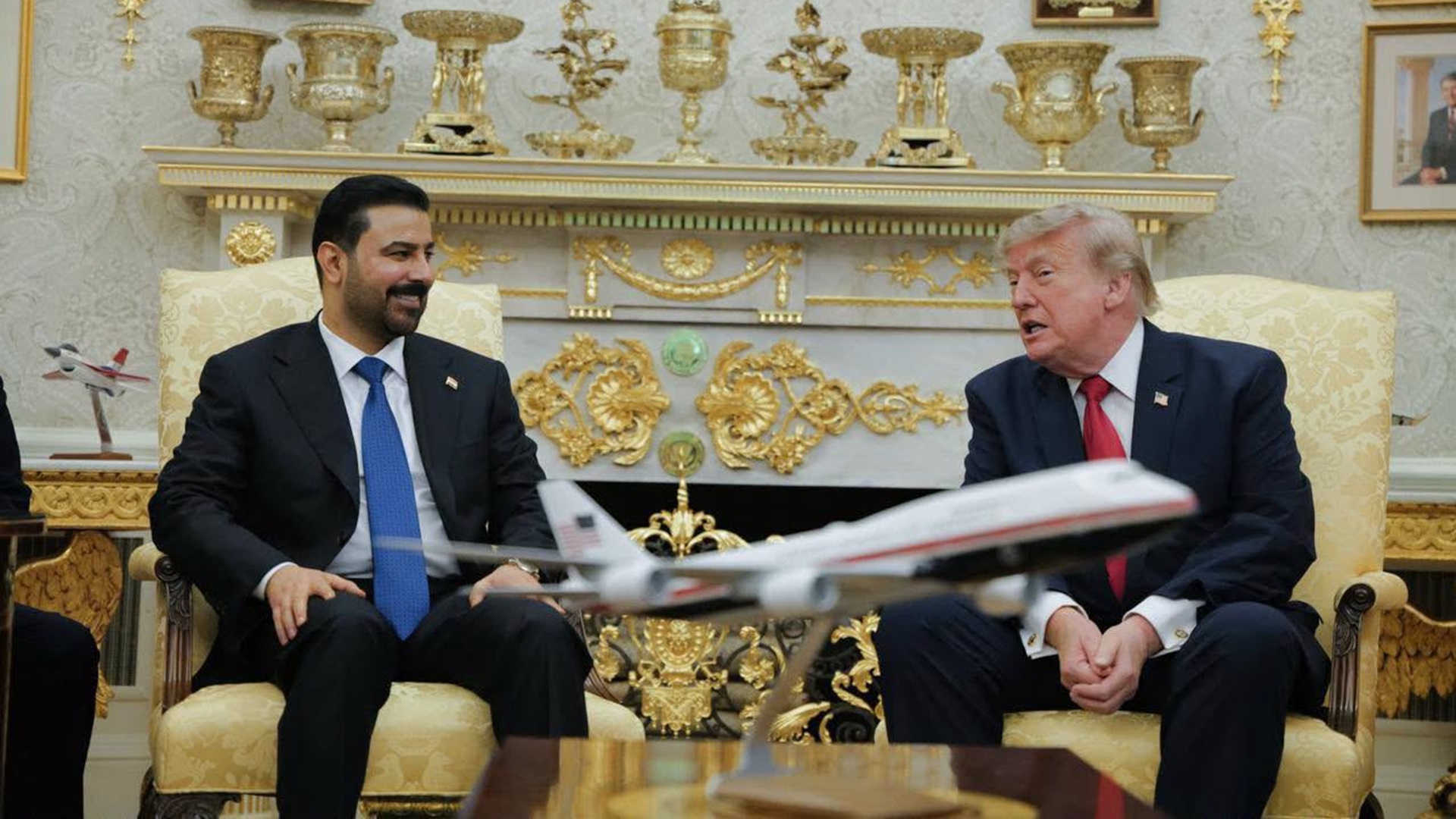
Iraq 09:02 PM - 2026-07-14 Trump Welcomes Iraqi PM al-Zaidi to White House, Reaffirms Strong US-Iraq Partnership
Sulaymaniyah International Airport Officially Renamed Jalal Talabani International Airport
07:20 PM - 2026-07-14
.jpeg)
Qubad Talabani Reviews Progress on Major Water Project to End Shortages in Chamchamal
02:36 PM - 2026-07-14
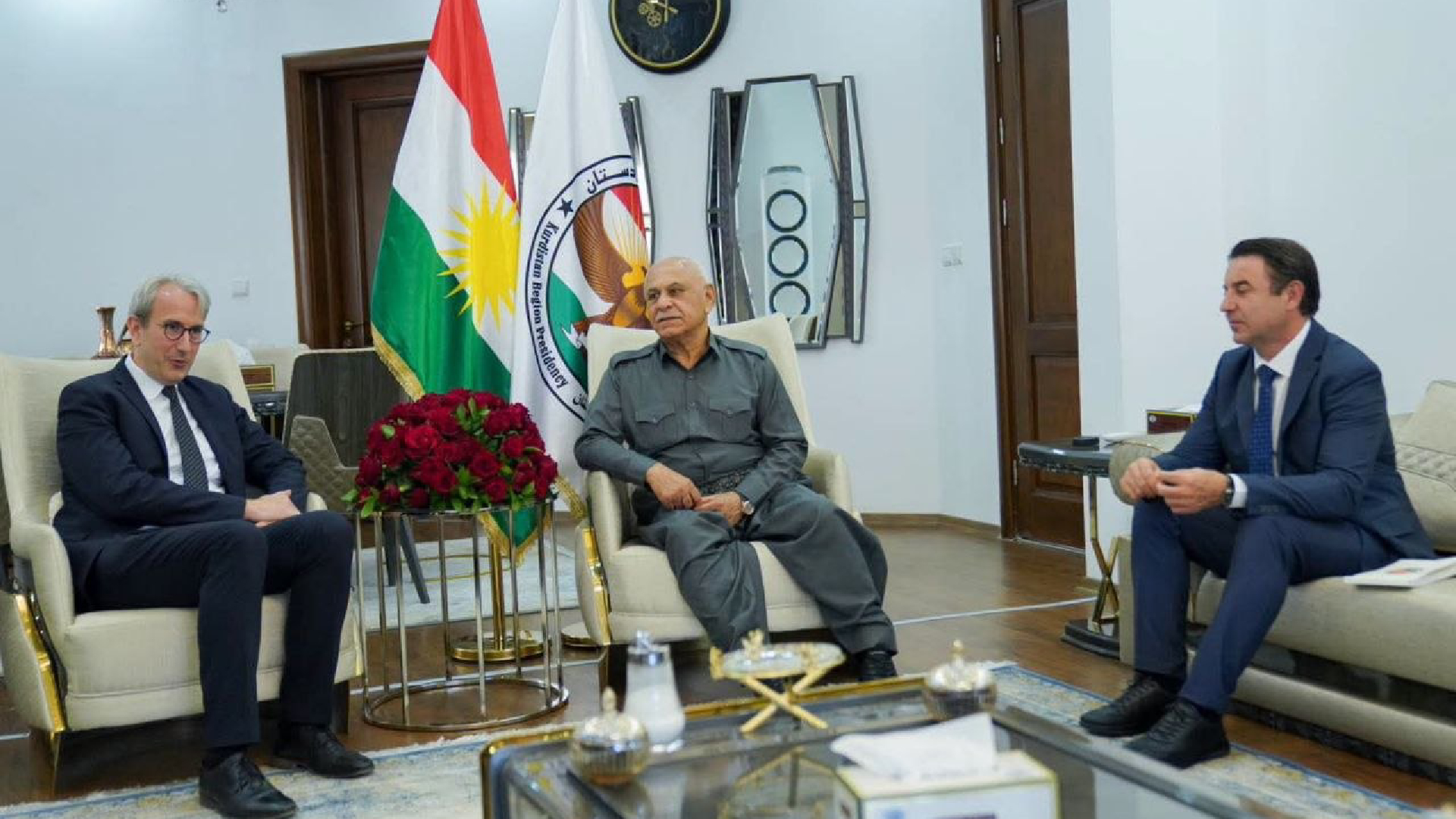
Kurdistan Region VP Commends Germany's Continued Support for Iraq and the Kurdistan Region
01:25 PM - 2026-07-14
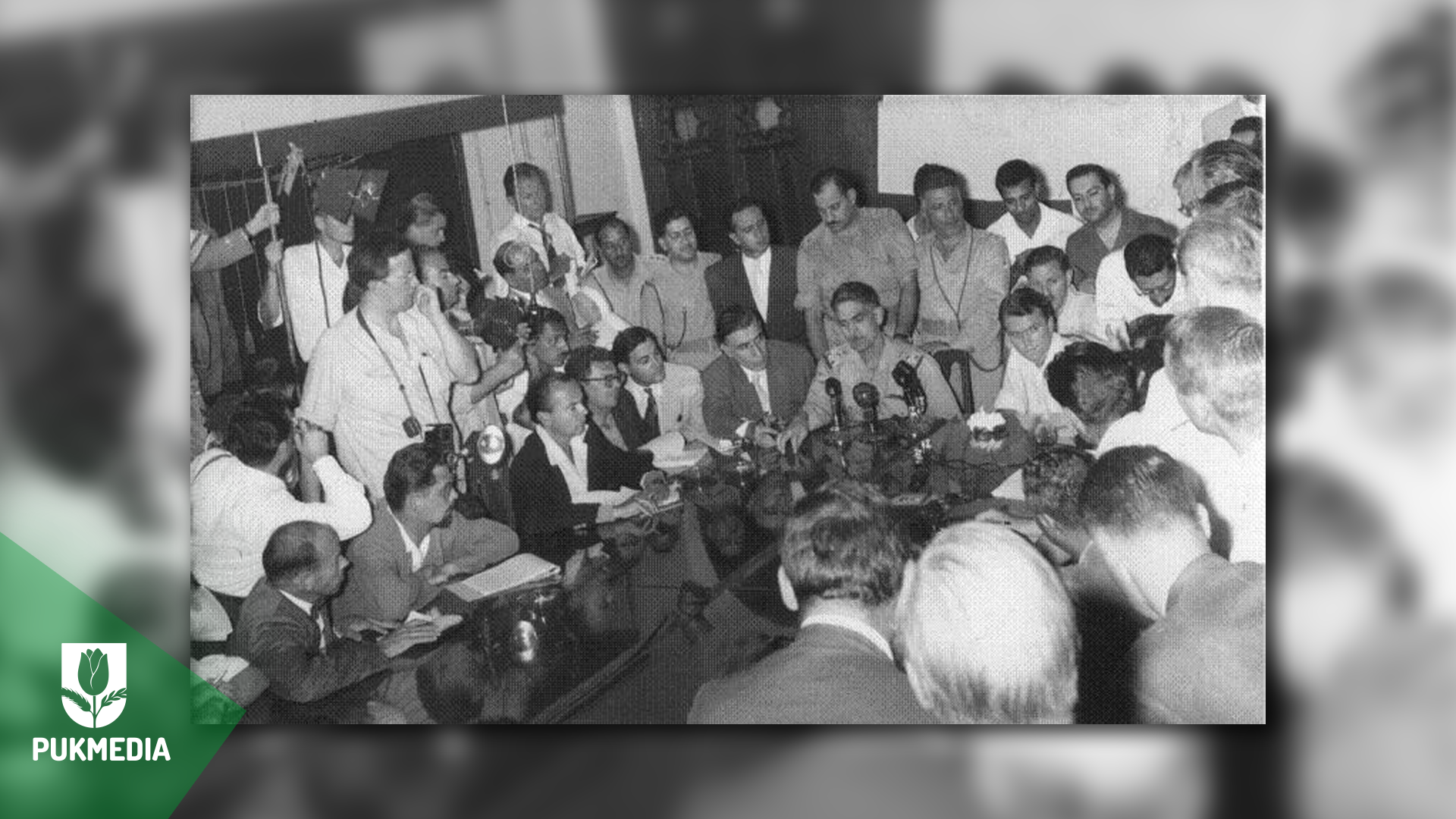
Remembering 14 July Revolution That Ended Iraq's Monarchy
11:11 AM - 2026-07-14
Most read
-
Remembering 14 July Revolution That Ended Iraq's Monarchy
Iraq 11:11 AM - 2026-07-14 -
Qubad Talabani Meets Dutch Ambassador to Iraq on Conclusion of Her Mission
Kurdistan 07:36 PM - 2026-07-13 -
Iraqi PM Discussed Bilateral Cooperation and Regional Stability with U.S. Special Envoy in Washington
Iraq 10:01 AM - 2026-07-14 -
Trump Says U.S. Has Reinstated Blockade on Iranian Shipping in Hormuz
World 09:05 PM - 2026-07-13 -
Houthis Launch Missile Attacks on Saudi Arabia After Years of Calm
World 09:45 AM - 2026-07-14 -
China Does Not Seek a 'Sphere of Influence' in Relations with Pacific Island Nations, Foreign Minister Says
World 12:27 PM - 2026-07-14 -
Oil Climbs to One-Month High as U.S. and Iran Intensify Attacks in the Strait of Hormuz
News 09:05 AM - 2026-07-14 -
Ukraine to Manufacture French Missiles and Order Warplanes, Macron Says
World 11:22 PM - 2026-07-13
The News in your pocket
Download
 Application