

Iraq’s Supreme Judicial Council Confirms Trial of Terrorism Suspects Transferred from Syria
Iraq 02:28 PM - 2026-01-25 Iraq's Supreme Judicial Council's Media Office.
Iraq's Supreme Judicial Council's meeting on Sunday, 25 January 2026.
Iraq's Supreme Judicial Council held a joint meeting on Sunday, 25 January 2026, with judges, the Ministers of Interior and Justice, and representatives of relevant security agencies as Iraq is bracing to receive the rest of ISIS detainees from Syria.
The meeting, chaired by Judge Dr Faiq Zaidan, President of the Supreme Judicial Council, highlighted the importance of coordination between the Supreme Judicial Council, the Ministries of Interior and Justice, and the relevant security agencies. The focus was on conducting the investigation and trial of detainees accused of terrorism, who were transferred from detention facilities in Syria, in accordance with Iraqi law and international standards.
Attendees included the Minister of Interior, the Minister of Justice, the Deputy Director of Internal Intelligence, the Deputy Director of the National Security Service, the Deputy Director of the Intelligence Service, representatives from the Joint Operations Command and the Military Intelligence Directorate, the Deputy Chief Prosecutor, the Head of the Judicial Oversight Authority, the President of the Baghdad al-Karkh Court of Appeals, and the Head of the National Center for International Judicial Cooperation.
The U.S. military began the transfer of thousands ISIS detainees from Syrian prisons to more secure detention facilities Iraq in a coordinated move with Baghdad aimed at preventing the extremist group from taking advantage of the security vacuum that could emerge as a result of strife in Syria.
US Secretary of State Marco Rubio welcomed Iraq’s initiative to detain ISIS in secure facilities in Iraq while also urging nations to repatriate their citizens.
“The United States welcomes the Government of Iraq’s initiative to detain ISIS terrorists in secure facilities in Iraq, following recent instability in northeast Syria,” Rubio said in a statement on Thursday.
But he added; “Non-Iraqi terrorists will be in Iraq temporarily; the United States urges countries to take responsibility and repatriate their citizens in these facilities to face justice.”
“This is a critical part of a long-term framework to prevent an ISIS resurgence, in line with proper burden sharing among Coalition members,” Rubio said added.
Earlier this week, the U.S. Command said its forces had transferred 150 ISIS detainees from a detention facility in Syria’s Hasakah to Iraq, adding that the move was intended to prevent their escape.
Reuters quoted a U.S. official as saying Washington expects the transfer of up to 7,000 detainees from prisons in Syria to Iraq to be completed in the coming days, noting that hundreds of detainees could be moved daily across the border.
Thousands of ISIS jihadists and their families, including foreigners, have been held in detention centers and camps in Syria since ISIS’s defeat in 2019 at the hands of Kurdish-led Syrian Democratic Forces (SDF) backed by the U.S.-led Global Coalition.
Tensions in northern and eastern Syria have escalated after Syrian government forces launched attacks on areas controlled by the SDF, including sites housing prisons with ISIS detainees and their families.
The SDF has lost control of the notorious al-Hol camp, with the Syrian Arab Army and Damascus-affiliated forces moving to take control of the squalid facility. Reports and videos posted on social media showed a large number of ISIS-linked people escaping amid the security vacuum.
The US military began the transfer of thousands ISIS detainees from Syrian prisons to more secure detention facilities Iraq in a coordinated move with Baghdad aimed at preventing the extremist group from taking advantage of the security vacuum that could emerge as a result of strife in Syria.
Iraq has voiced significant concern over the spillover of veteran ISIS fighters into its territory. Prime Minister Mohammed Shia’ Al-Sudani on Wednesday visited the border with Syria to oversee efforts to strengthen security capabilities in the face of the growing threat of ISIS.
In 2014, ISIS seized large swathes of territory in Iraq and Syria, declaring a so-called “caliphate” with the northern Iraqi city of Mosul as its de facto capital.
The group’s territorial control ended in Iraq in 2017, following operations by Iraqi and Kurdish forces, backed by a US-led international coalition. ISIS was finally defeated in Syria two years later.
Despite the loss of its territories, ISIS sleeper cells and hit-and-run attacks have continued to pose security threats in both countries.
PUKMEDIA
More news
-
Oil Prices Fall for Third Straight Day as Hormuz Shipping Recovers
10:50 AM - 2026-06-24 -
Qubad Talabani Discusses Tourism Development Strategy in Meeting with Tourism Board
06:27 PM - 2026-06-23 -
Iraq Increases Kirkuk Oil Exports to 7 Million Barrels a Month, Says SOMO
03:37 PM - 2026-06-23 -
Vance Says Talks with Iranian Officials Laid ‘Good Foundation’ for Deal to End War
01:06 PM - 2026-06-23
see more
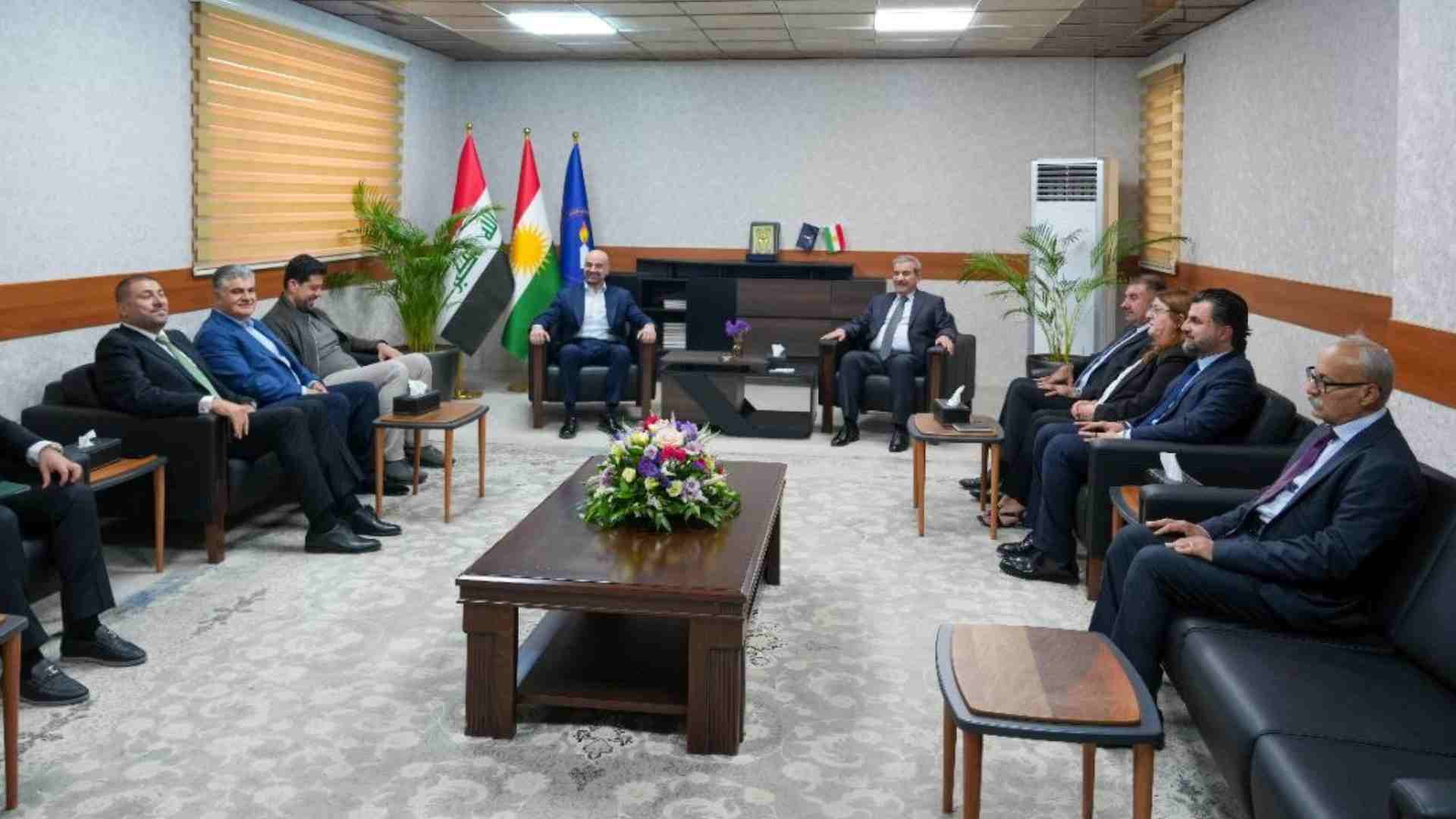
Kurdistan 05:36 PM - 2026-06-24 PUK President Visits Gorran Movement Headquarters to Strengthen Relations
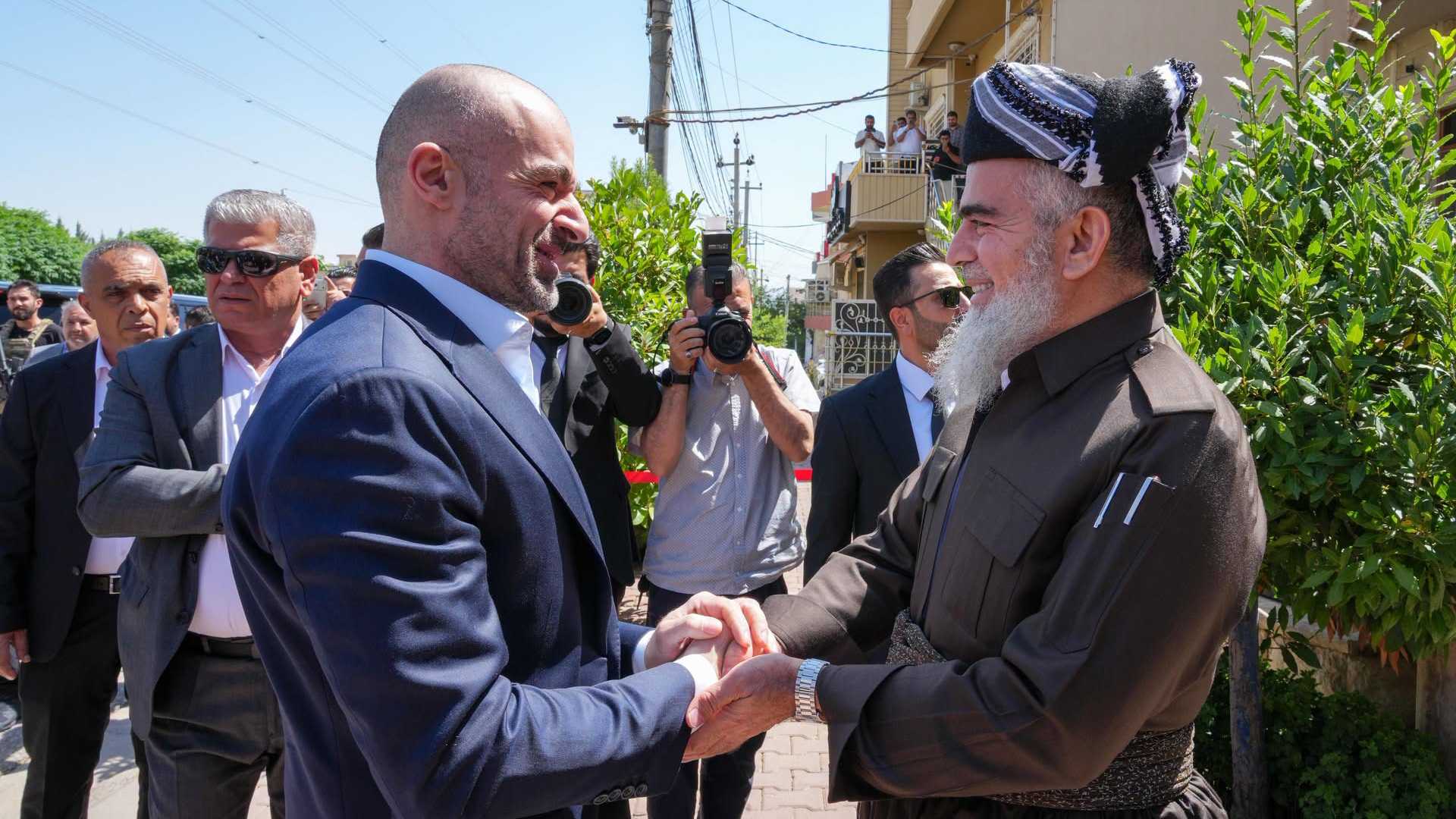
PUK President, KJG Leader Discuss Unified Efforts to Resolve Outstanding Issues
04:00 PM - 2026-06-24

Teen Author and Translator Pursues Multilingual Success
01:24 PM - 2026-06-24
.jpg)
International Day of Women in Diplomacy Celebrated Worldwide
09:27 AM - 2026-06-24
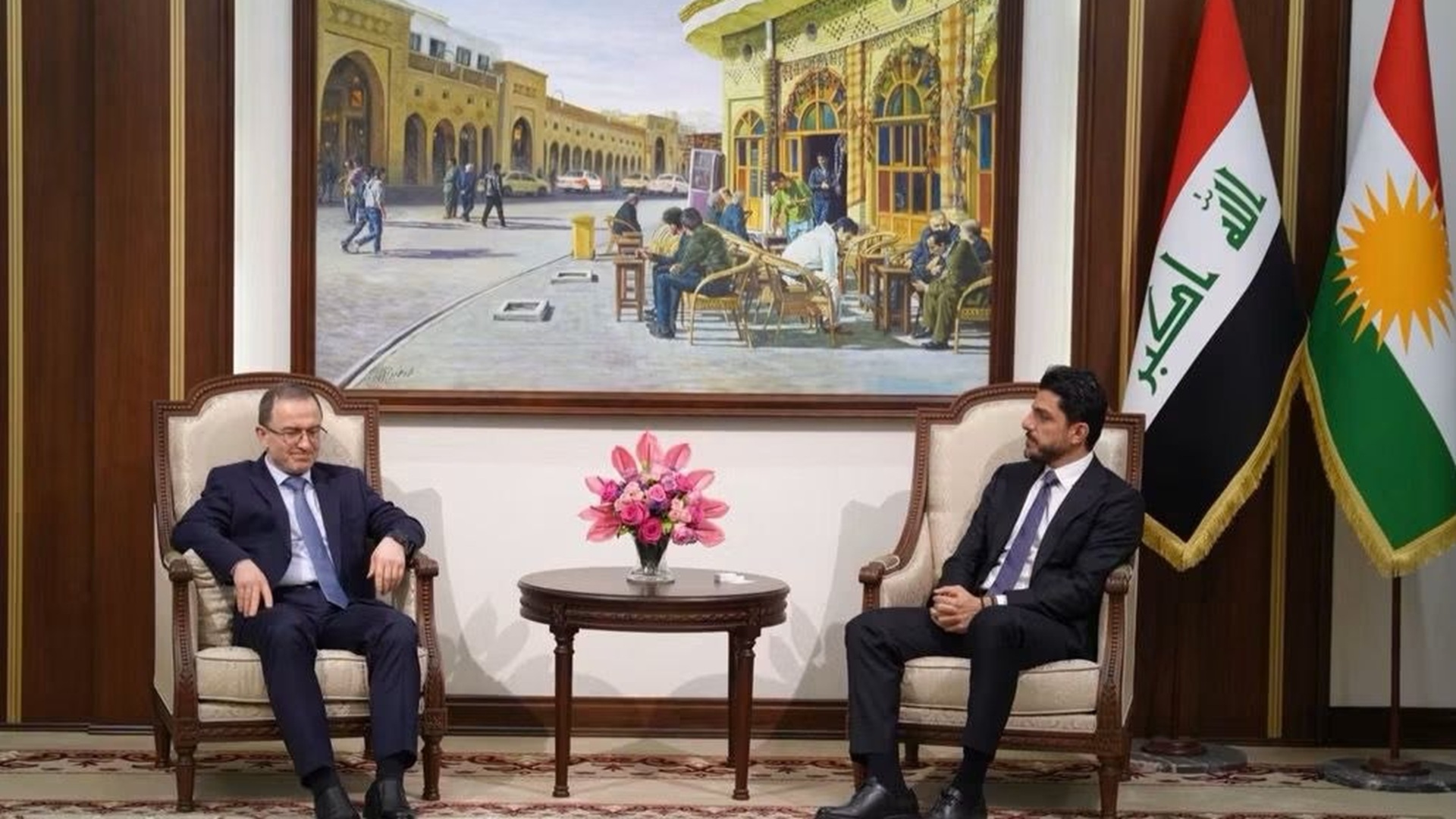
Darbaz Kosrat Rasul Receives Russian Ambassador for Talks on Political Developments
10:36 PM - 2026-06-23
Most read
-
Hero Khan: Fighter, Diplomat, Witness
Opinions 09:51 AM - 2026-06-24 -
Iraq Increases Kirkuk Oil Exports to 7 Million Barrels a Month, Says SOMO
Iraq 03:37 PM - 2026-06-23 -
Qubad Talabani: Baghdad and Erbil Must Work Together to Strengthen Iraq’s Economy
Kurdistan 05:13 PM - 2026-06-23 -
Qubad Talabani Discusses Tourism Development Strategy in Meeting with Tourism Board
Kurdistan 06:27 PM - 2026-06-23 -
Teen Author and Translator Pursues Multilingual Success
Kurdistan 01:24 PM - 2026-06-24 -
Darbaz Kosrat Rasul Receives Russian Ambassador for Talks on Political Developments
P.U.K 10:36 PM - 2026-06-23 -
Trump Claims Iran Agreed to Nuclear Inspections, Tehran Rejects Assertion
World 03:56 PM - 2026-06-23 -
PUK President, KJG Leader Discuss Unified Efforts to Resolve Outstanding Issues
Kurdistan 04:00 PM - 2026-06-24
The News in your pocket
Download
 Application