
Canada, China Ease EV and Canola Tariffs in Bid to Rebuild Ties
World 09:26 AM - 2026-01-17 Reuters
Canadian Prime Minister Mark Carney shakes hands with President of China Xi Jinping at the Great Hall of the People in Beijing, China, 16 January 2026.
Canada and China reached a preliminary trade agreement on Friday that will significantly reduce tariffs on electric vehicles and canola, as both countries pledged to dismantle trade barriers and strengthen strategic relations during Prime Minister Mark Carney’s visit to Beijing.
Carney, the first Canadian prime minister to visit China since 2017, is seeking to reset relations with Canada’s second-largest trading partner after the United States, following months of diplomatic engagement.
Under the initial agreement, Canada will permit the import of up to 49,000 Chinese electric vehicles under a most-favoured-nation tariff rate of 6.1 per cent, Carney said after meetings with senior Chinese officials, including President Xi Jinping.
The move marks a sharp reversal from the 100 per cent tariff imposed on Chinese electric vehicles by former prime minister Justin Trudeau in 2024, a decision that mirrored similar measures taken by the United States. China exported 41,678 electric vehicles to Canada in 2023.
"This is a return to levels prior to recent trade frictions, but under an agreement that promises much more for Canadians," PM Carney told reporters. He later said the quota would gradually increase, reaching about 70,000 vehicles in five years.
"For Canada to build its own competitive EV sector, we will need to learn from innovative partners, access their supply chains, and increase local demand," PM Carney said, turning away from Trudeau's rationale that tariffs were needed to protect domestic producers against subsidised Chinese manufacturers.
The decision to ease tariffs on electric vehicles marked a departure from United States policy, drawing criticism from several members of President Donald Trump’s cabinet ahead of an anticipated review of the United States–Mexico–Canada Agreement (USMCA).
But President Trump himself expressed support for Carney. "That's what he should be doing. It's a good thing for him to sign a trade deal. If you can get a deal with China, you should do that," Trump told reporters at the White House.
Premier Doug Ford of Ontario, Canada's main auto manufacturing province, denounced the deal.
"The federal government is inviting a flood of cheap made-in-China electric vehicles without any real guarantee of equal or immediate investments in Canada's economy, auto sector or supply chain," he said in a post on X.
In retaliation for tariffs imposed by former prime minister Justin Trudeau, China in March levied duties on more than $2.6 billion worth of Canadian agricultural and food products, including canola oil and meal, followed by tariffs on canola seed in August.
The measures contributed to a 10.4 per cent decline in China’s imports of Canadian goods in 2025.
Under the new agreement, Prime Minister Mark Carney said Canada expects China to reduce tariffs on canola seed by 1 March, lowering the combined rate to around 15 per cent from the current 84 per cent.
Canada also anticipates that anti-discrimination tariffs on canola meal, lobsters, crabs and peas will be removed from 1 March until at least the end of the year, he added.
Carney said the agreements are expected to unlock nearly $3 billion in export orders for Canadian farmers, fish harvesters and food processors.
China’s Ministry of Commerce said in a statement that it would adjust anti-dumping measures on canola and anti-discrimination tariffs on certain Canadian agricultural and aquatic products in response to Canada’s decision to lower electric vehicle tariffs.
Carney also said President Xi Jinping had committed to granting visa-free access for Canadians travelling to China, though no further details were provided.
In a statement carried by China’s state-run Xinhua news agency, the two countries pledged to resume high-level economic and financial dialogue, expand trade and investment, and deepen cooperation in agriculture, oil, gas and green energy.
Carney said Canada plans to double its electricity grid capacity over the next 15 years, adding that there are opportunities for Chinese investment, including in offshore wind projects.
He also said Canada is scaling up liquefied natural gas exports to Asia and aims to produce 50 million tonnes of LNG annually by 2030, with all volumes destined for Asian markets.
"In terms of the way our relationship has progressed in recent months with China, it is more predictable, and you see results coming from that," Carney said when asked if China was a more predictable and reliable partner than the U.S.
Source: Reuters
PUKMEDIA
More news
-
President Amedi: Jalal Talabani’s Legacy Will Continue to Inspire Future Generations
10:17 PM - 2026-07-14 -
China Does Not Seek a 'Sphere of Influence' in Relations with Pacific Island Nations, Foreign Minister Says
12:27 PM - 2026-07-14 -
Oil Climbs to One-Month High as U.S. and Iran Intensify Attacks in the Strait of Hormuz
09:05 AM - 2026-07-14 -
Ukraine to Manufacture French Missiles and Order Warplanes, Macron Says
11:22 PM - 2026-07-13
see more
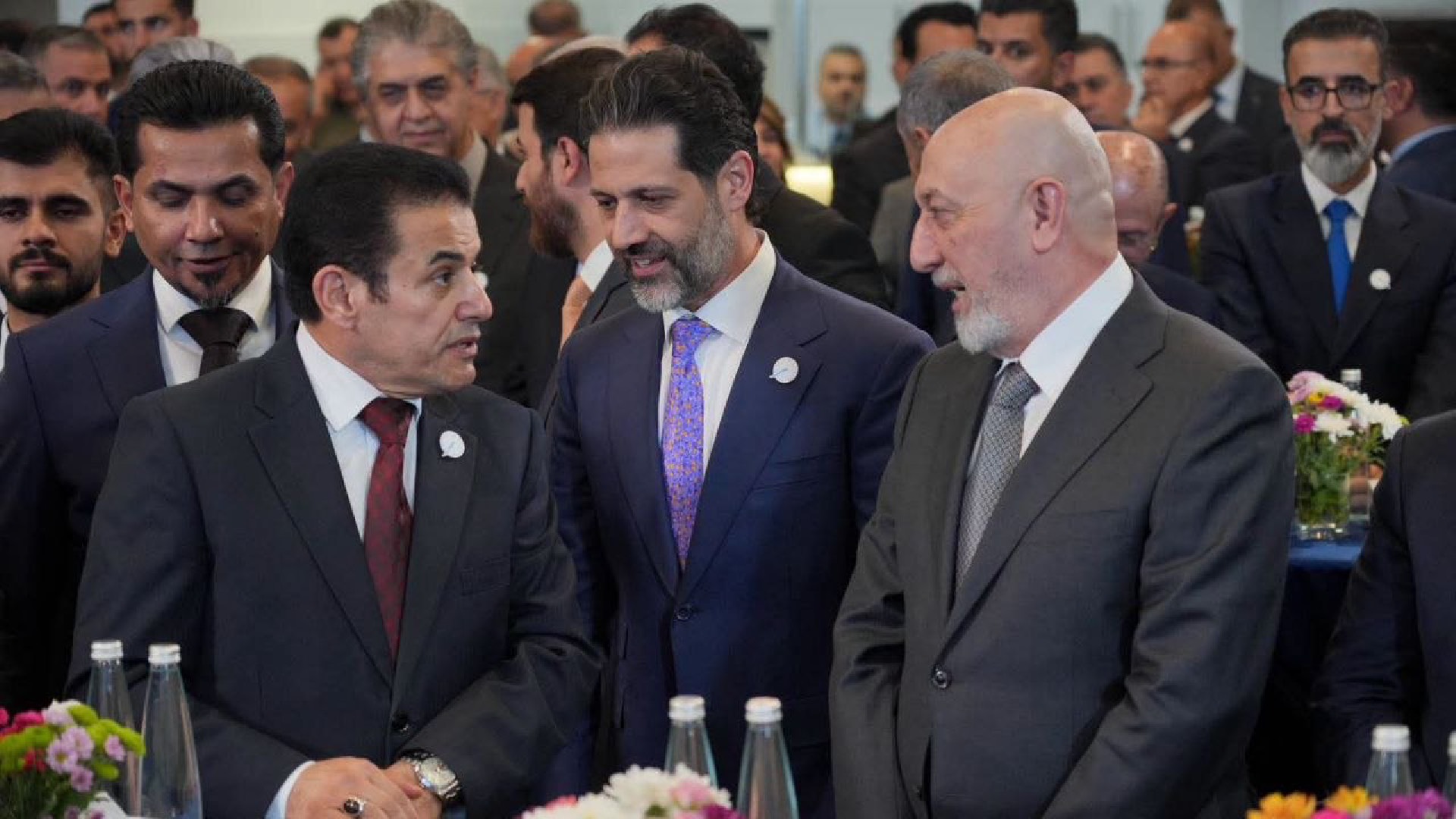
Kurdistan 10:28 PM - 2026-07-14 Qubad Talabani Welcomes Renaming of Sulaymaniyah Airport in Honour of Mam Jalal
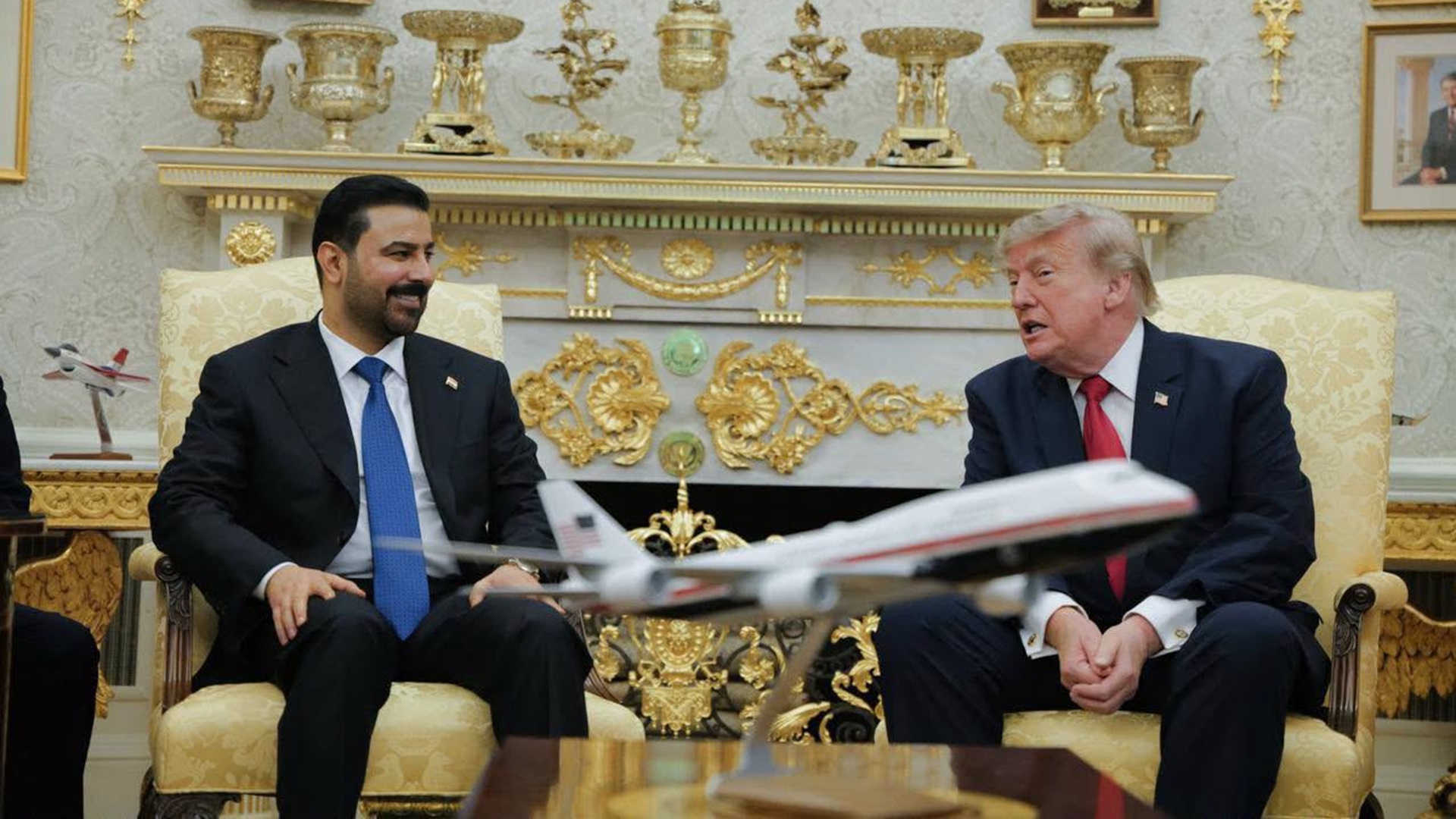
Trump Welcomes Iraqi PM al-Zaidi to White House, Reaffirms Strong US-Iraq Partnership
09:02 PM - 2026-07-14
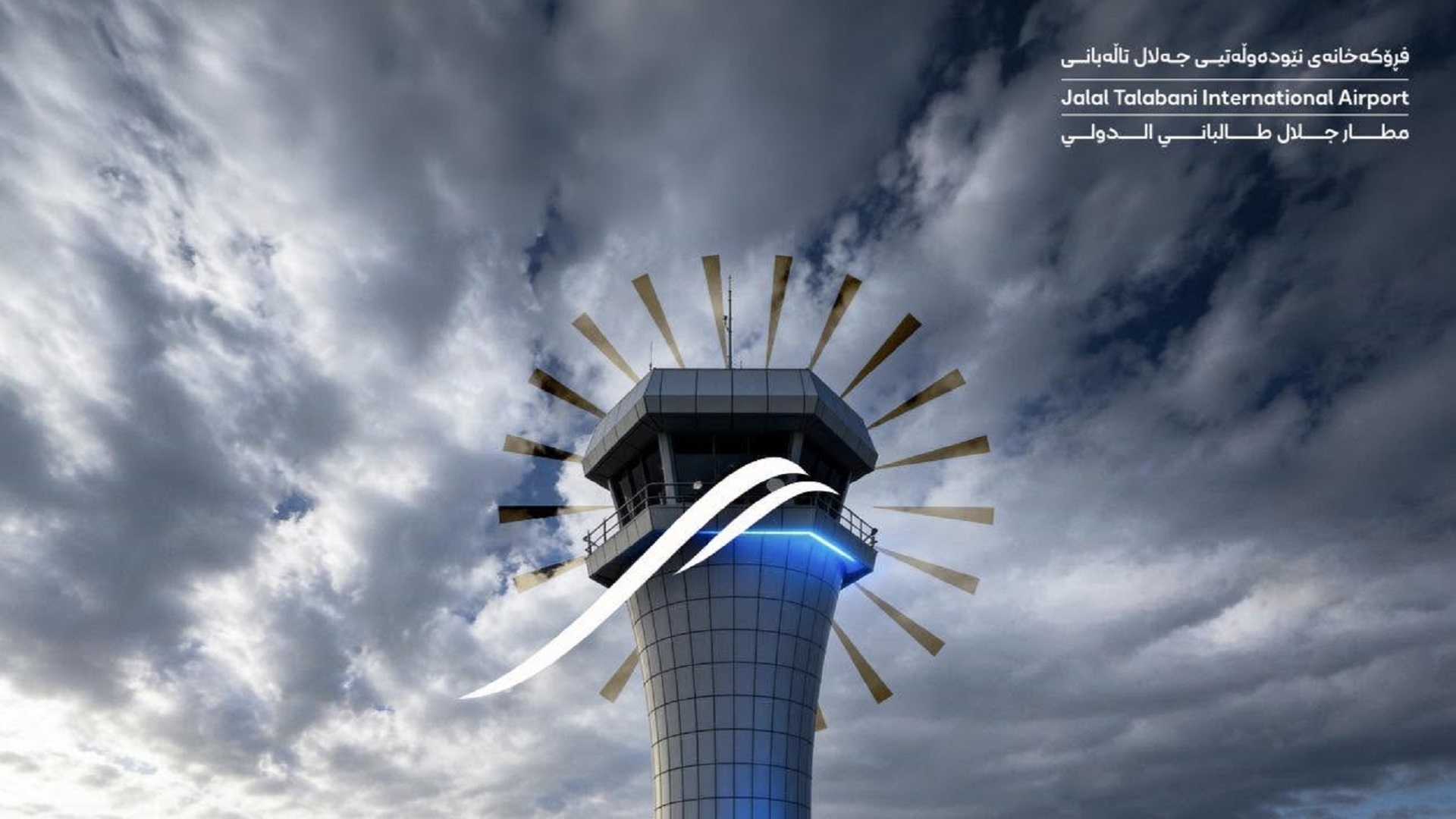
Sulaymaniyah International Airport Officially Renamed Jalal Talabani International Airport
07:20 PM - 2026-07-14
.jpeg)
Qubad Talabani Reviews Progress on Major Water Project to End Shortages in Chamchamal
02:36 PM - 2026-07-14
Most read
-
Remembering 14 July Revolution That Ended Iraq's Monarchy
Iraq 11:11 AM - 2026-07-14 -
Iraqi PM Discussed Bilateral Cooperation and Regional Stability with U.S. Special Envoy in Washington
Iraq 10:01 AM - 2026-07-14 -
Trump Says U.S. Has Reinstated Blockade on Iranian Shipping in Hormuz
World 09:05 PM - 2026-07-13 -
Houthis Launch Missile Attacks on Saudi Arabia After Years of Calm
World 09:45 AM - 2026-07-14 -
China Does Not Seek a 'Sphere of Influence' in Relations with Pacific Island Nations, Foreign Minister Says
World 12:27 PM - 2026-07-14 -
Trump Welcomes Iraqi PM al-Zaidi to White House, Reaffirms Strong US-Iraq Partnership
Iraq 09:02 PM - 2026-07-14 -
Oil Climbs to One-Month High as U.S. and Iran Intensify Attacks in the Strait of Hormuz
News 09:05 AM - 2026-07-14 -
Ukraine to Manufacture French Missiles and Order Warplanes, Macron Says
World 11:22 PM - 2026-07-13
The News in your pocket
Download
 Application