

DAANES Condemns War Crimes in Aleppo Neighbourhoods
World 06:53 PM - 2026-01-11 DAANES on X
DAANES logo and Syrian flag.
The Democratic Autonomous Administration of North and East Syria (DAANES) has expressed grave concern over what it described as ongoing serious violations amounting to war crimes in the Sheikh Maqsoud and Ashrafieh neighbourhoods of Aleppo.
In a statement issued on Sunday, the DAANES accused factions affiliated with the Transitional Syrian Government in Damascus of committing systematic abuses against civilians. It said that evidence indicates some of these factions include former ISIS members and are responsible for violations targeting the civilian population in the two predominantly Kurdish neighbourhoods.
The DAANES said these actions constitute a “clear and flagrant breach” of previous agreements that guaranteed the safety and security of civilians, including both residents who remained in their homes and those who were forced to flee the areas.
According to the statement, despite these agreements, violations have continued, with reported cases of arbitrary arrests, verbal abuse, humiliation and degrading treatment of civilians. The DAANES stressed that such practices violate basic human values and represent serious breaches of international law, conventions and norms designed to protect civilians during armed conflict.
The DAANES called on the international community, the United Nations, and international human rights and humanitarian organisations to establish an independent international investigative committee to examine the violations and crimes committed in Sheikh Maqsoud and Ashrafieh. It emphasised that failure to address or investigate these allegations would raise serious questions about the international community’s commitment to justice and human rights.
In its statement, the DAANES also extended condolences to the families of those killed during the reported violations and wished a speedy recovery to those injured. It reaffirmed its support for the residents of the affected neighbourhoods and pledged to continue defending their dignity and legitimate rights through what it described as lawful and legitimate means.
Fierce clashes erupted last week in the Sheikh Maqsoud and Ashrafieh neighbourhoods of Aleppo and continued for several days, leaving dozens killed and injured.
The Syrian Democratic Forces (SDF) had previously said that the Kurdish neighbourhoods had been under siege by Syrian government forces for more than six months, in violation of existing agreements governing security arrangements in the area.
According to the SDF, the Syrian army and affiliated factions later launched a large-scale operation against the Internal Security Forces (Asayish) of the Democratic Autonomous Administration of North and East Syria (DAANES), declaring the neighbourhoods a “closed military area”.
Despite several days of resistance by local forces and repeated calls by the Rojava authorities and international actors to resolve the situation through dialogue, thousands of heavily armed fighters reportedly entered the Kurdish neighbourhoods, accompanied by armoured vehicles and heavy equipment.
Images and videos circulated on social media have reportedly provided evidence of serious human rights violations allegedly committed by Syrian government forces and affiliated militants.
One video shows a young man being arrested alive by government forces. Subsequent images shared online showed the same individual killed, with severe mutilation to his body, with his heart and one of his eyes ripped out from his body. The footage has prompted widespread outrage and condemnation from activists and human rights observers.
Another widely circulated video, which has drawn strong international criticism, shows the body of a female Kurdish fighter being thrown from the top of a building by armed militants identified as operating alongside Syrian government forces.
In the footage, a bearded fighter is seen laughing and embracing another militant as the body is thrown. The individual was later identified as Ahmed Mansour, an Egyptian national from Alexandria. According to open-source reports, Mansour is linked to extremist networks and joined hardline religious movements following Egypt’s 2011 revolution.
Egyptian researcher and journalist Islam Azaz al-Samti stated in a Facebook post that Mansour fled Egypt for Syria, where he appeared in several videos containing threats and incitement to violence. Al-Samti said Mansour’s recent appearance in the video connected to the killing of the Kurdish female fighter points to his involvement in cross-border extremist activities.
Other videos show captives being called pigs and humiliated with racial slurs by the government-affiliated militants.
PUKMEDIA
More news
-
Oil Prices Fall for Third Straight Day as Hormuz Shipping Recovers
10:50 AM - 2026-06-24 -
Qubad Talabani Discusses Tourism Development Strategy in Meeting with Tourism Board
06:27 PM - 2026-06-23 -
Iraq Increases Kirkuk Oil Exports to 7 Million Barrels a Month, Says SOMO
03:37 PM - 2026-06-23 -
Vance Says Talks with Iranian Officials Laid ‘Good Foundation’ for Deal to End War
01:06 PM - 2026-06-23
see more
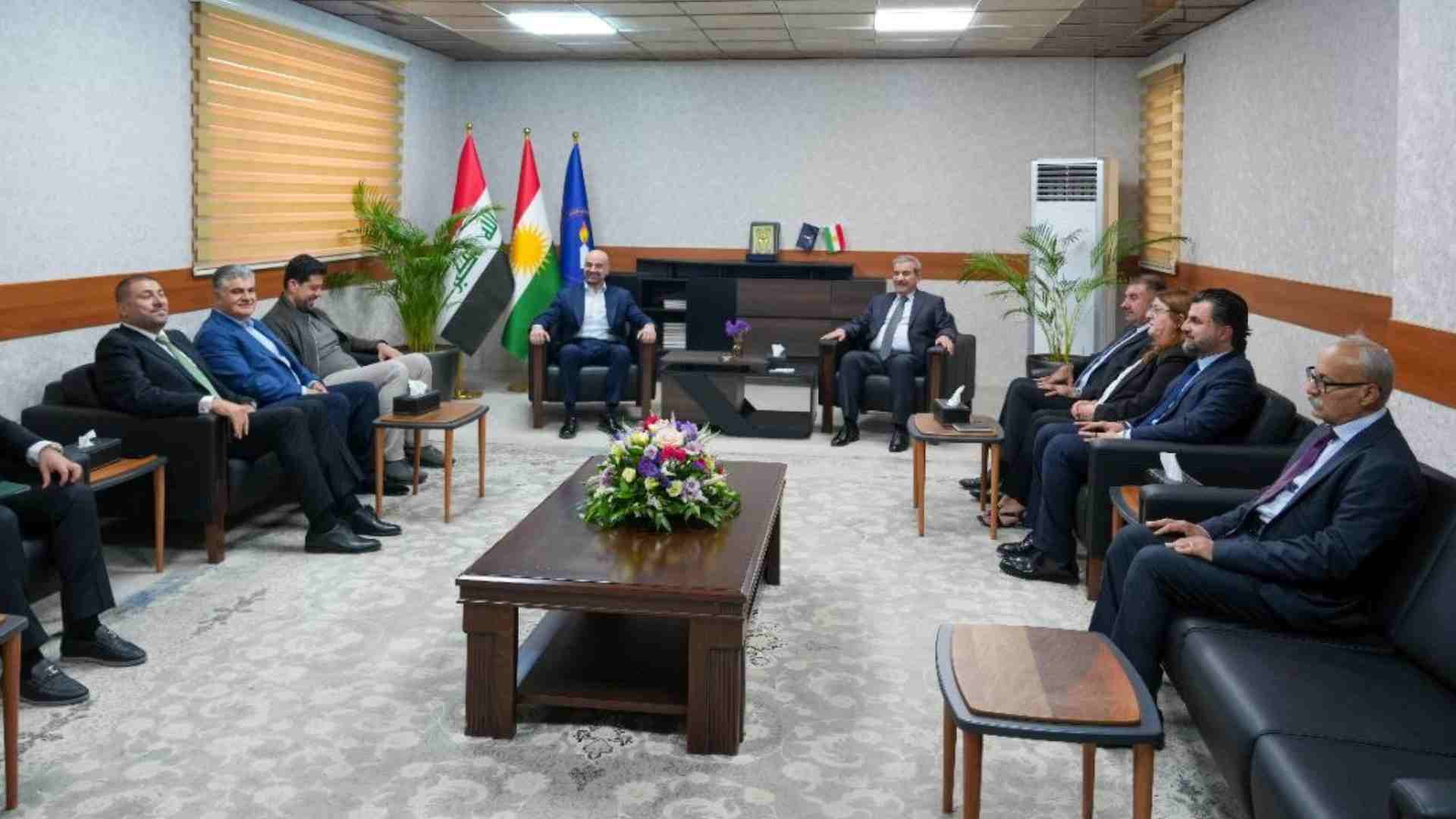
Kurdistan 05:36 PM - 2026-06-24 PUK President Visits Gorran Movement Headquarters to Strengthen Relations
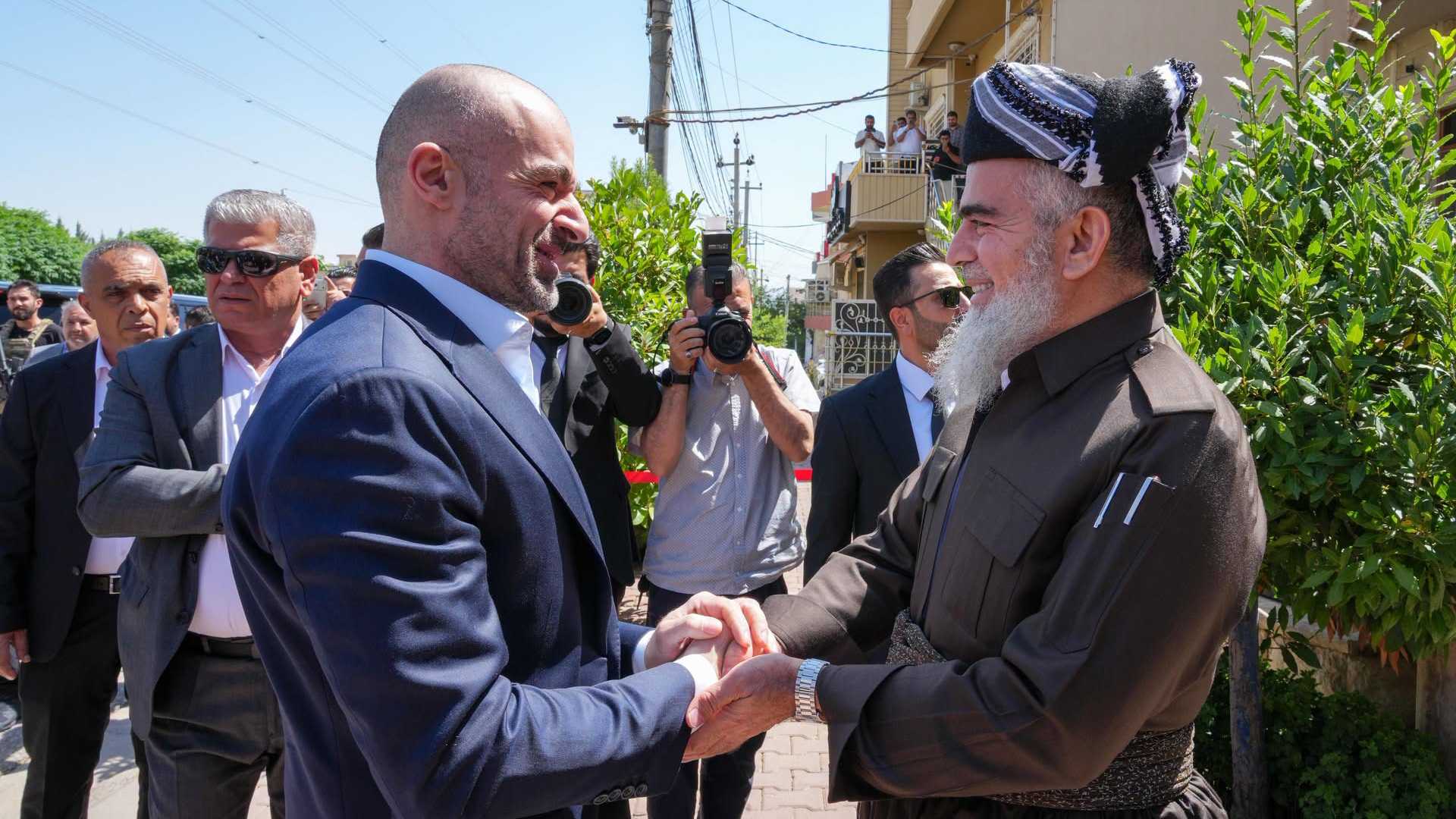
PUK President, KJG Leader Discuss Unified Efforts to Resolve Outstanding Issues
04:00 PM - 2026-06-24
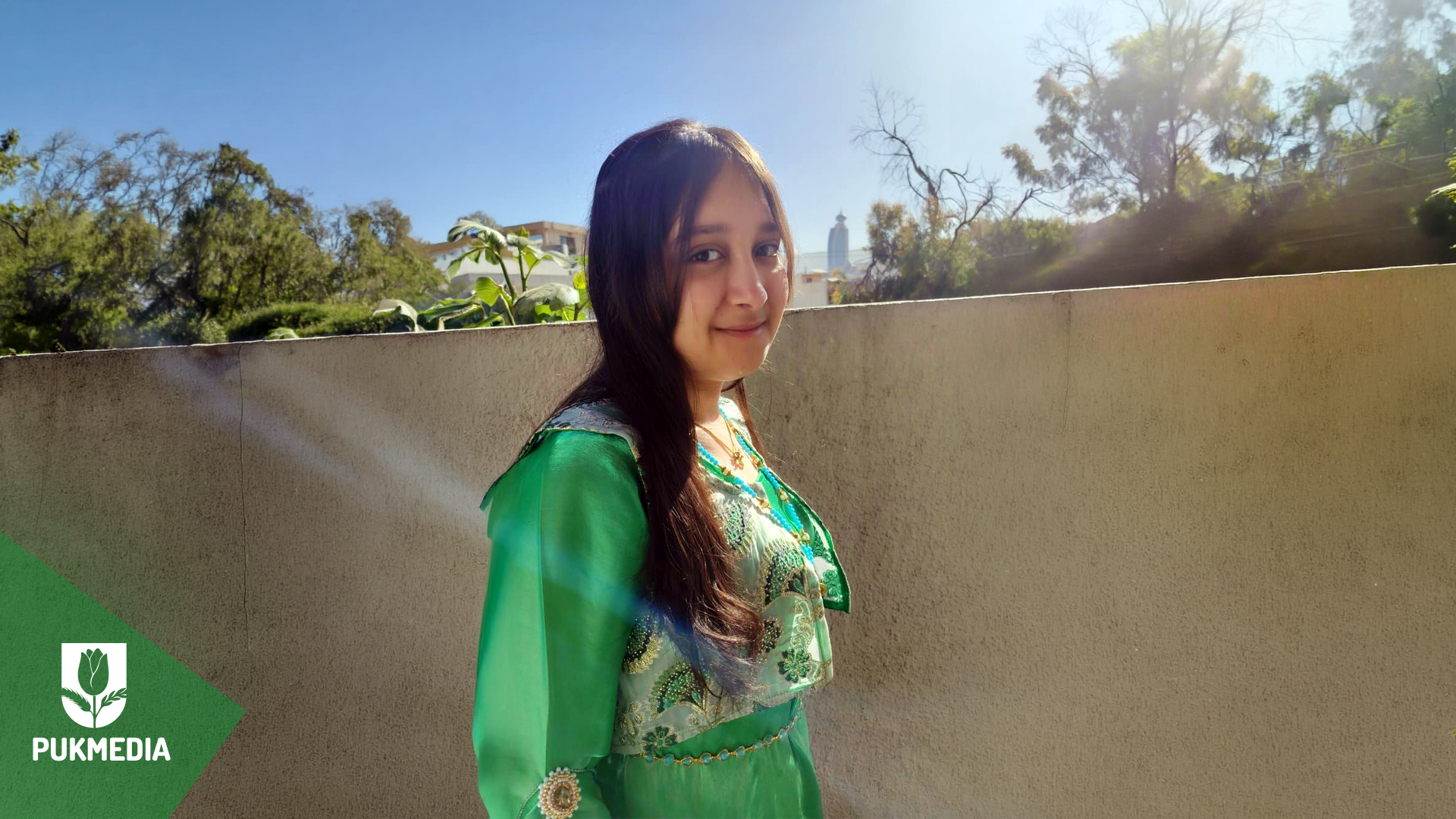
Teen Author and Translator Pursues Multilingual Success
01:24 PM - 2026-06-24
.jpg)
International Day of Women in Diplomacy Celebrated Worldwide
09:27 AM - 2026-06-24
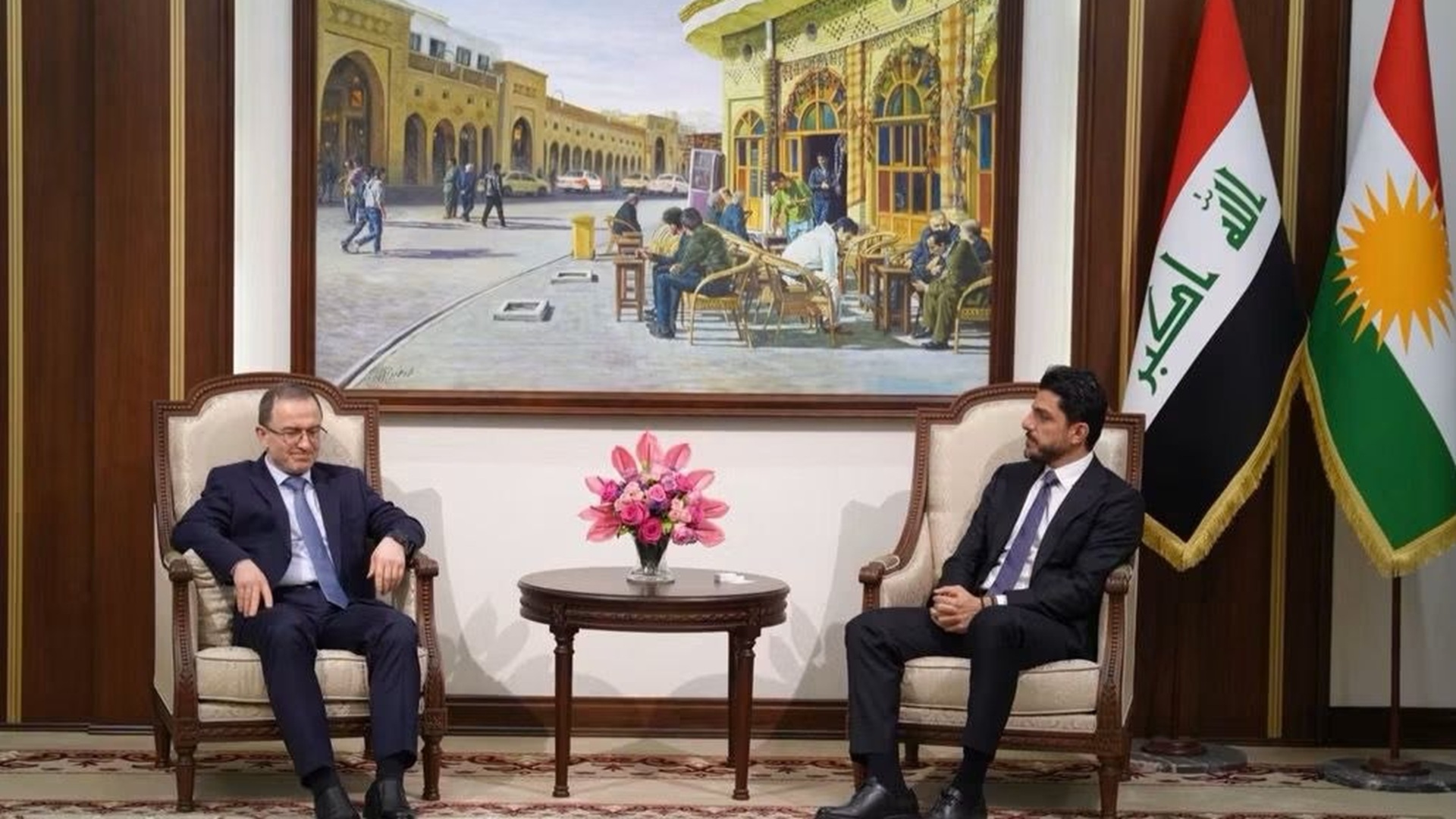
Darbaz Kosrat Rasul Receives Russian Ambassador for Talks on Political Developments
10:36 PM - 2026-06-23
Most read
-
Iraq Increases Kirkuk Oil Exports to 7 Million Barrels a Month, Says SOMO
Iraq 03:37 PM - 2026-06-23 -
Hero Khan: Fighter, Diplomat, Witness
Opinions 09:51 AM - 2026-06-24 -
Qubad Talabani: Baghdad and Erbil Must Work Together to Strengthen Iraq’s Economy
Kurdistan 05:13 PM - 2026-06-23 -
Qubad Talabani Discusses Tourism Development Strategy in Meeting with Tourism Board
Kurdistan 06:27 PM - 2026-06-23 -
Teen Author and Translator Pursues Multilingual Success
Kurdistan 01:24 PM - 2026-06-24 -
Darbaz Kosrat Rasul Receives Russian Ambassador for Talks on Political Developments
P.U.K 10:36 PM - 2026-06-23 -
Trump Claims Iran Agreed to Nuclear Inspections, Tehran Rejects Assertion
World 03:56 PM - 2026-06-23 -
PUK President, KJG Leader Discuss Unified Efforts to Resolve Outstanding Issues
Kurdistan 04:00 PM - 2026-06-24
The News in your pocket
Download
 Application